
Film
Aerial Gunner
A 1943 wartime drama where two rival pilots clash during aerial gunnery training, competing for the same woman while learning to work together. It's earnest propaganda-adjacent filmmaking from Hollywood's front-row seat to WWII: urgent, slightly stiff, with that particular 1940s mixture of patriotic conviction and soap-opera plotting. For viewers curious about how studios processed the war in real time.
If you liked this
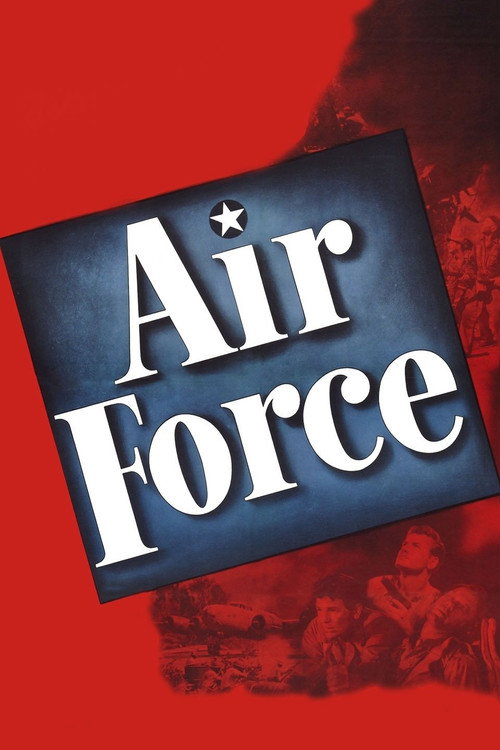
Air Force1943
Hawks' urgent ensemble drama follows a bomber crew from Hawaii through their first combat mission. Tense, technically precise, and genuinely interested in how ordinary men function under fire. Made the same year, with similar authenticity.
But The pacing is deliberate and the emotional beats are broad. If you want action-forward storytelling, this is slower and more procedural than you might expect.
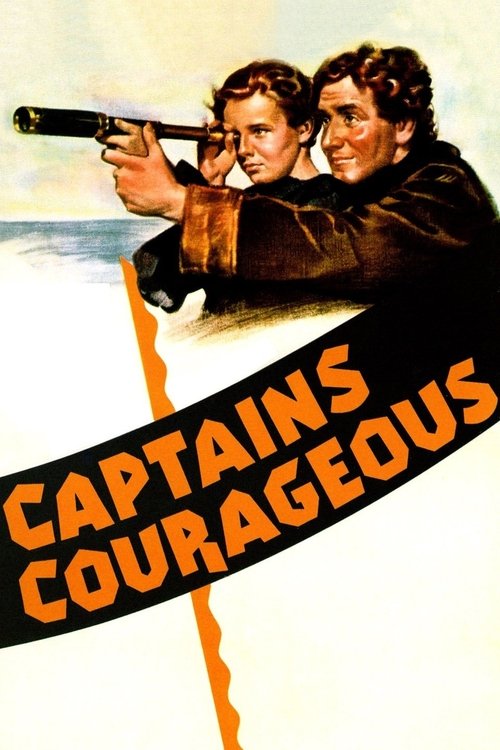
Captains Courageous1937
Spencer Tracy and Freddie Bartholomew clash across class lines, learning mutual respect through shared hardship. The same DNA as *Aerial Gunner*: rivals forced into proximity, personal growth through duty, a woman caught between them.
But It's a sea story, not a war story, and the sentimentality can feel thick. Some of the supporting performances are broad even by 1930s standards.
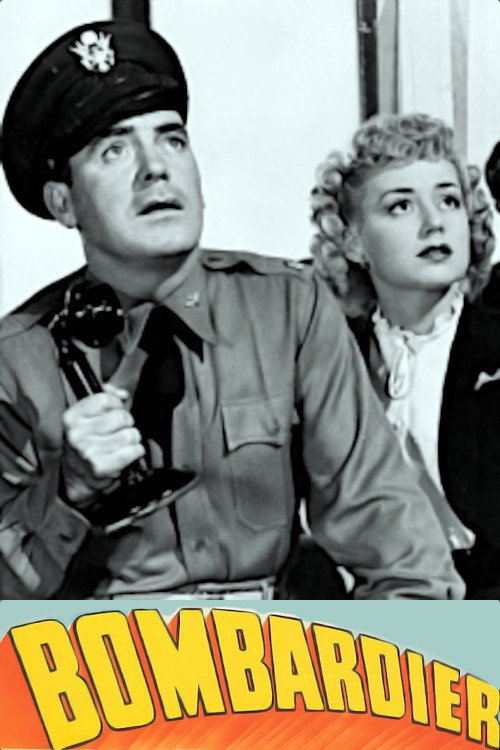
Bombardier1943
Another 1943 training film, this one tracking bombardier crews from instruction through combat. Pat O'Brien leads an ensemble cast through the same wartime rites of passage, with comparable technical detail and patriotic urgency.
But The script is serviceable at best and the romantic subplot feels obligatory. Long stretches are pure military procedure without much dramatic tension.
Not sure tonight? Get a pick in a minute, starting from Aerial Gunner
The wildcard
Something you would not have found on your own.
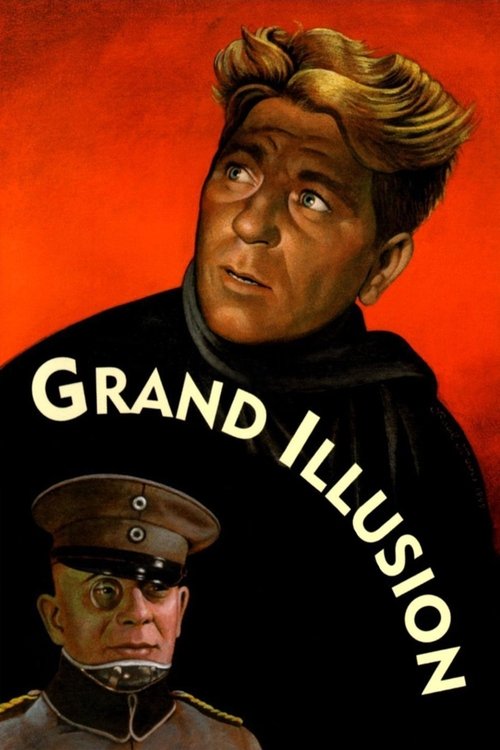
Grand Illusion1937
Both pit men from opposing sides against each other and propose that shared hardship and proximity can bridge enmity. One is propaganda; one is art.
Renoir's masterpiece follows French and German officers imprisoned together during WWI. Like *Aerial Gunner*, it's about rivals learning each other's humanity across battle lines. But it's profound where the American film is sincere—a meditation on the futility of war and the bonds that transcend nationality.
But It's French cinema of the 1930s, which means deliberate pacing and emotional restraint. Some will find it slow; others will find it the opposite of entertainment.
More like this (8)
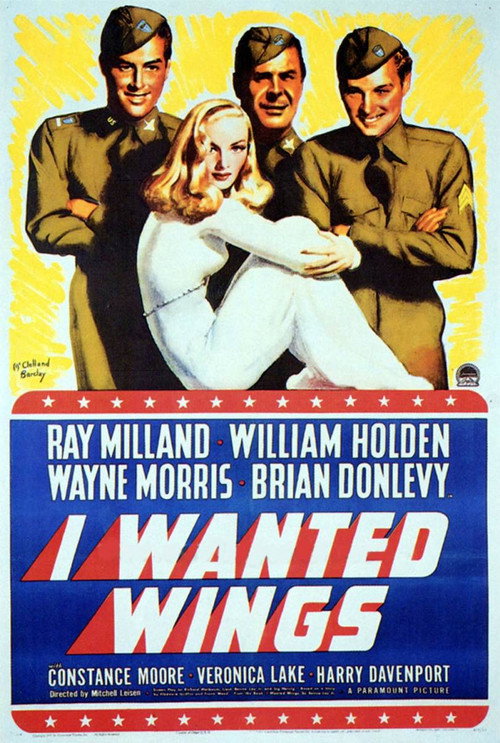
I Wanted Wings1941
Three men compete through flight training while pursuing the same woman. Veronica Lake, competitive male bonding, the military-as-crucible narrative. It's the closest thing to a template *Aerial Gunner* follows, and beautifully made.
But The love triangle is genuinely disposable and the film knows it. If the rivalry and training matter to you more than romance, you'll find the balance frustrating.
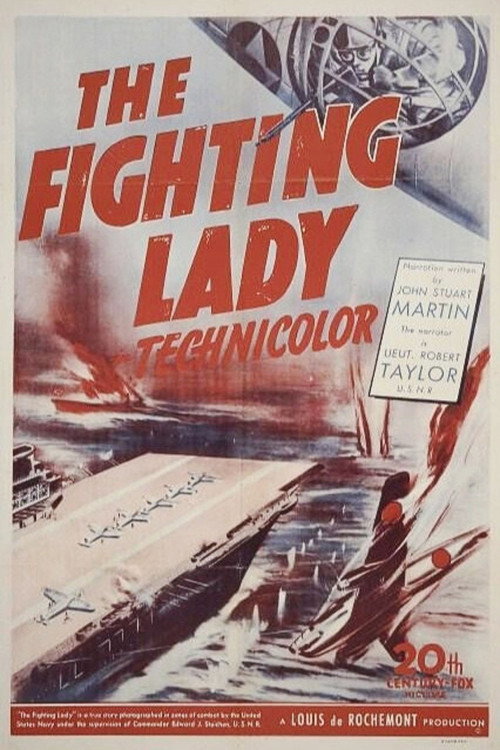
The Fighting Lady1944
A documentary following the USS Yorktown task force in the Pacific. If you want to feel the actual texture of naval aviation in wartime, this is unvarnished: real footage, real stakes, real competence. Pairs perfectly with fiction from the same moment.
But It's a documentary, so there's no plot, character arc, or dramatic shape. The reality is messy and sometimes repetitive. Requires active attention.
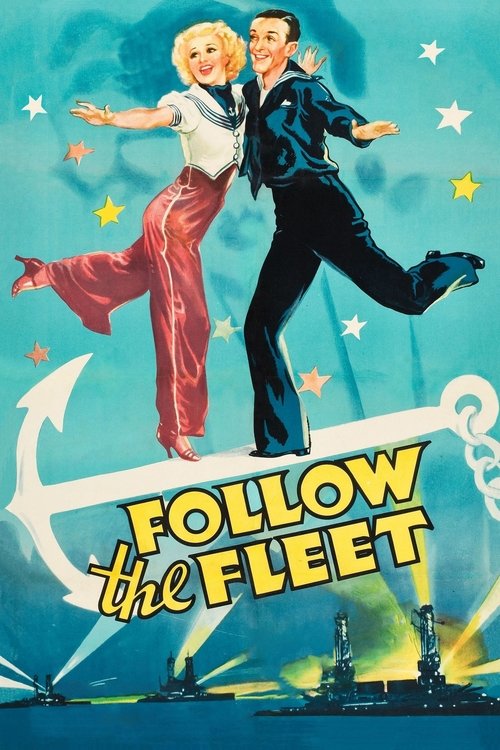
Follow the Fleet1936
Astaire and Rogers in a Navy musical. Frivolous compared to *Aerial Gunner*, but it captures the same spirit of male camaraderie and competition, with incomparably better entertainment value and a love story that actually sings.
But It's a musical first and a Navy film second. If you're watching for military authenticity or drama, the production numbers are going to derail you.
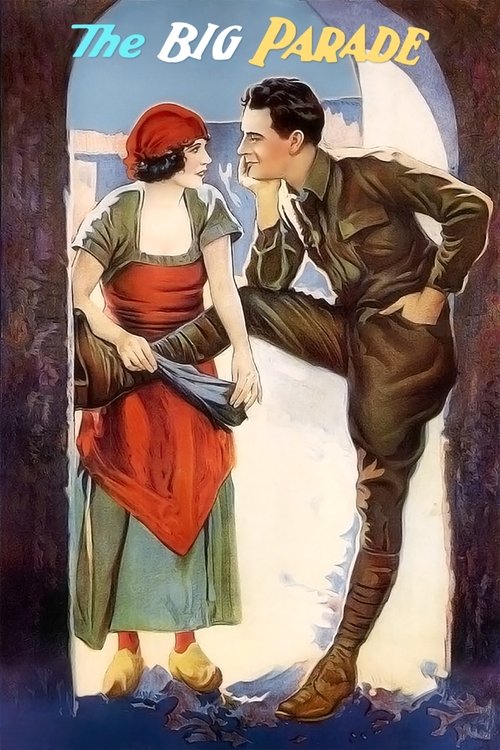
The Big Parade1925
King Vidor's silent classic about three American soldiers bonding through WWI. The template for everything that followed: rivals reconciled through shared danger, the woman left behind, war as crucible. Remarkably modern in its psychology.
But It's silent. Some viewers find the pacing glacial and the emotional acting style archaic. The final twenty minutes are genuinely horrific in their depiction of combat.
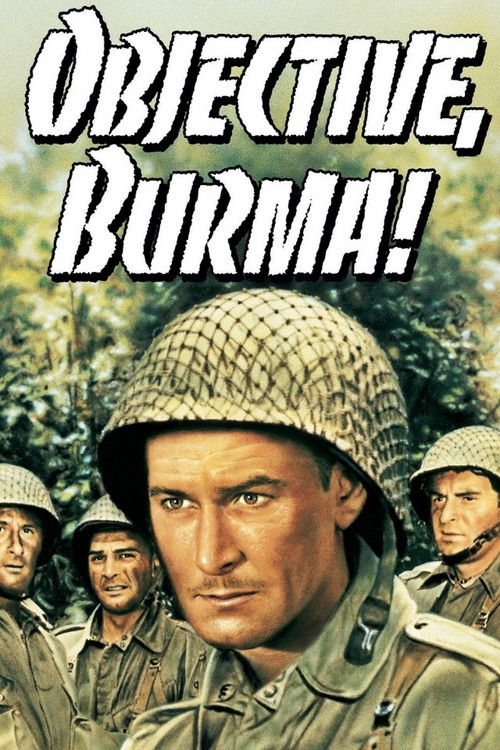
Objective, Burma!1945
Raoul Walsh's taut jungle combat film. Errol Flynn leads a commando unit behind enemy lines with real urgency and technical detail. Makes the training sequences of *Aerial Gunner* feel like preamble to something genuinely harrowing.
But The racial attitudes are ugly by any standard and worse by today's. The film treats its subject matter as adventure rather than tragedy, which some viewers will find morally evasive.
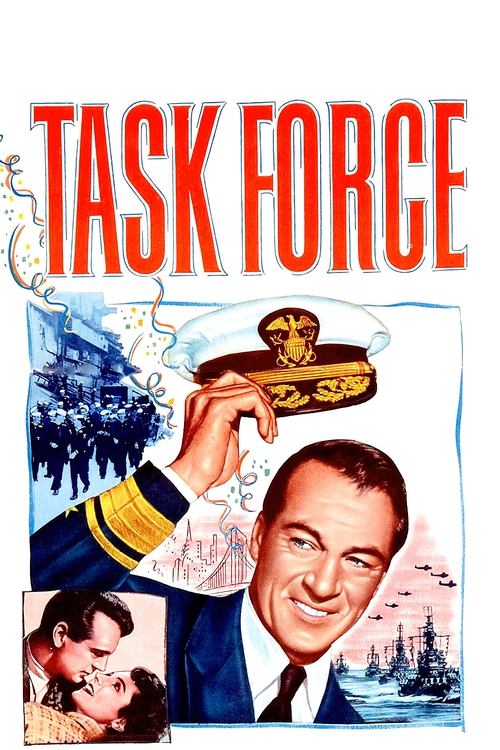
Task Force1949
An episodic history of naval aviation from 1917 to Pearl Harbor. Gary Cooper anchors a film that's genuinely interested in how this technology evolved and why it mattered. A civilian's education in military culture without preachiness.
But It's a history lesson dressed as drama, which means plot is subordinate to information. The early sequences, set decades before the story's present, can feel ponderous.
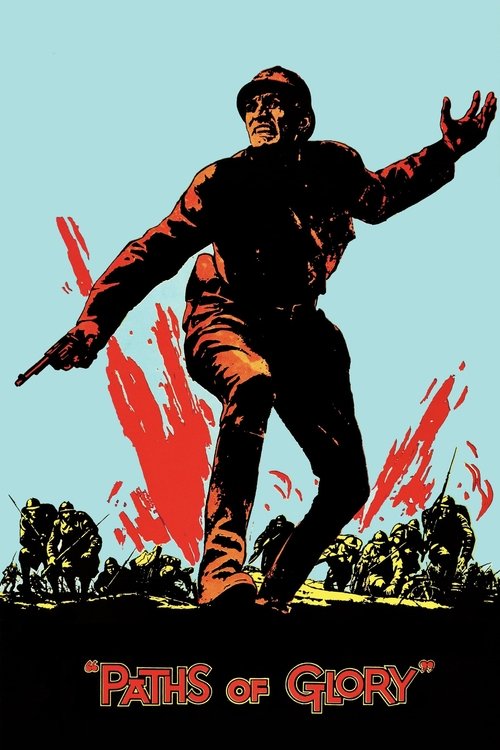
Paths of Glory1957
Both films use military training and hierarchy as their engine, but *Paths of Glory* asks what that structure costs. It's the same DNA with the opposite blood type.
Kubrick's devastating critique of military logic and male hierarchy. Three soldiers face court-martial for cowardice in a war they never had a chance to win. It uses the same wartime training-and-conflict structure as *Aerial Gunner* but inverts the moral framework entirely.
But It's explicitly anti-war and offers no comforting patriotic resolution. The final ten minutes are among cinema's most emotionally brutal sequences. This is not uplift.
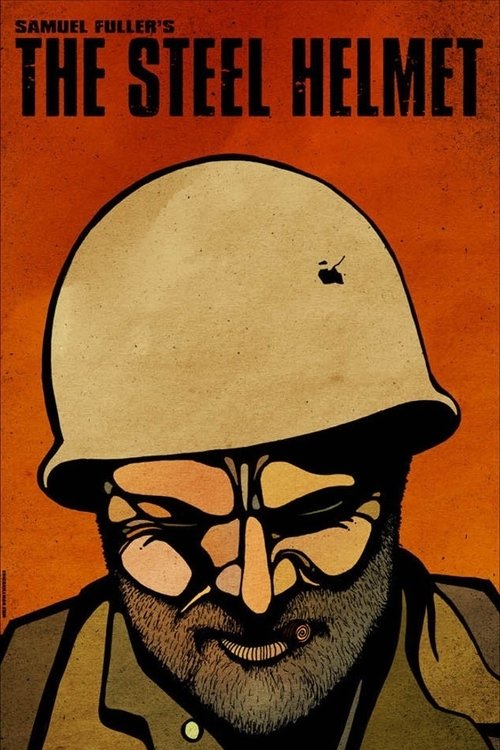
The Steel Helmet1951
Both are intimate war dramas made during or immediately after actual conflict. But where *Aerial Gunner* is optimistic about men learning to work together, *The Steel Helmet* is sardonic about whether it matters.
Fuller's grimy Korean War film follows a sergeant and a medic through the psychological dissolution of combat. Shot on the cheap, in black-and-white, with no romance subplot. It shows what happens to the men in *Aerial Gunner* after training ends and the real dying begins.
But It's formally rough and deeply pessimistic. There is no heroism here, only survival and moral compromise. The film doesn't flatter soldiers or war.
People
Cast
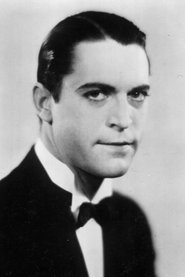 Chester MorrisFoxy Pattis
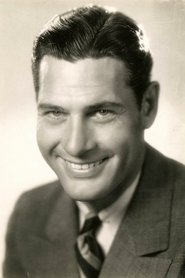 Richard ArlenJon Davis
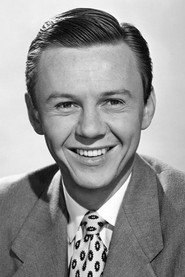 Jimmy LydonSandy Lunt
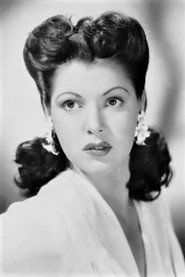 Amelita WardPeggy Lunt
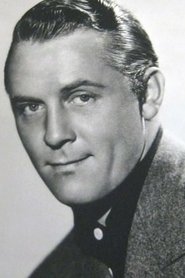 Dick PurcellLancelot 'Gadget' Blaine
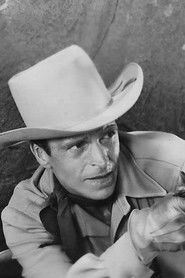 Keith RichardsHenry Jones
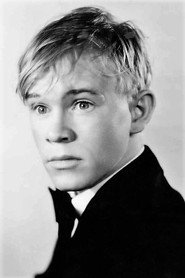 William BenedictJackson 'Sleepy' Laswell
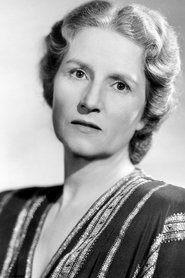 Olive BlakeneyMrs. Lunt
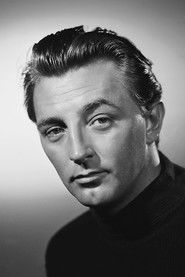 Robert MitchumSgt. Benson (uncredited)
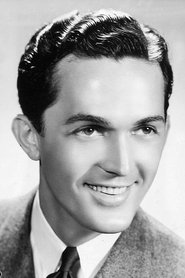 Kirk AlynOfficer in Canteen (uncredited)
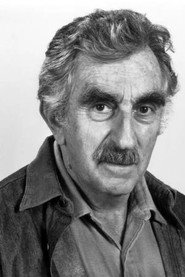 Jeff CoreyFlight Crew Member (uncredited)
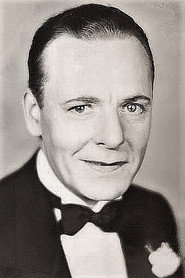 Edward EarleSquadron Commanding Officer (uncredited)
Directing
- Robert FarfanAssistant Director
- William H. PineDirector
Writing
- Jack F. DaileyIdea
- Maxwell ShaneScreenplay
Production
- William C. ThomasProducer
- William H. PineProducer
- L.B. MermanProduction Manager