
Film
Bombardier
A 1943 wartime drama that follows the establishment of the first bombardier training school, blending semi-documentary realism with personal stories of ambition and duty. Pat O'Brien leads a cast navigating the tension between rigorous military preparation and the human cost of warfare. It's earnest, technically fascinating, and deeply invested in the machinery and philosophy of precision bombing.
If you liked this
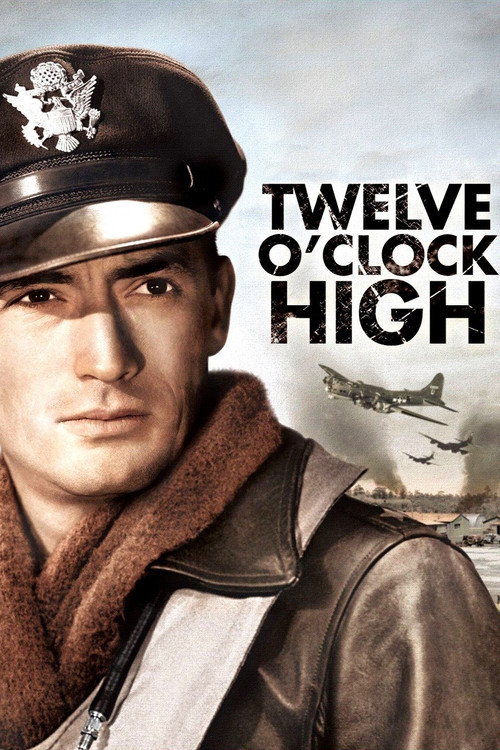
Twelve O'Clock High1949
Gregory Peck commands a bomber squadron facing impossible odds. Like Bombardier, it's a serious examination of military leadership, tactical doctrine, and the psychological weight of sending men to their deaths. The aerial sequences are spectacular and earned.
But Peck's commanding officer arc plays familiar now; the film's emotional beats feel inevitable if you know WWII dramas well.
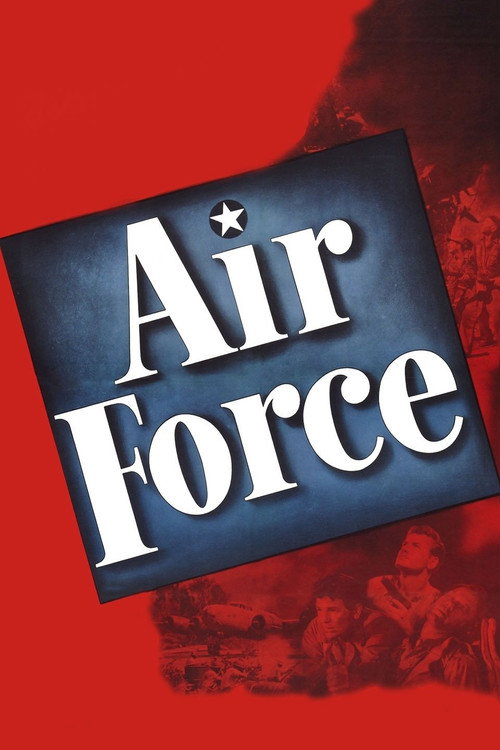
Air Force1943
Howard Hawks made this the same year as Bombardier—a B-17 crew documentary-drama that captures pre-mission tension, camaraderie, and combat with unglamorous authenticity. It's what wartime filmmaking looked like when the war was still being fought.
But The pacing meanders; Hawks trusts you to find drama in small moments rather than construction them for you.
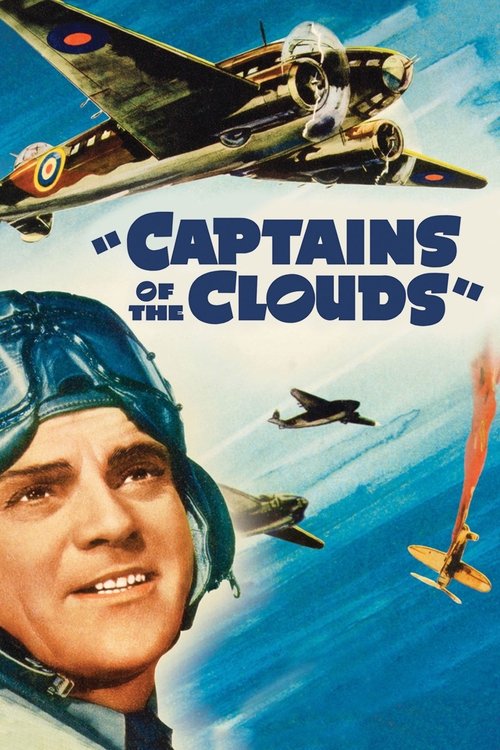
Captains of the Clouds1942
James Cagney in Technicolor as a hotshot pilot learning discipline in the RCAF. It has the same DNA—reform through military structure, cocky men proven humble—but trades Bombardier's earnestness for Cagney's natural charisma and the film's visual warmth.
But The propaganda element is nakedly thick; the romance subplot competes for time in ways that feel dated.
Not sure tonight? Get a pick in a minute, starting from Bombardier
The wildcard
Something you would not have found on your own.
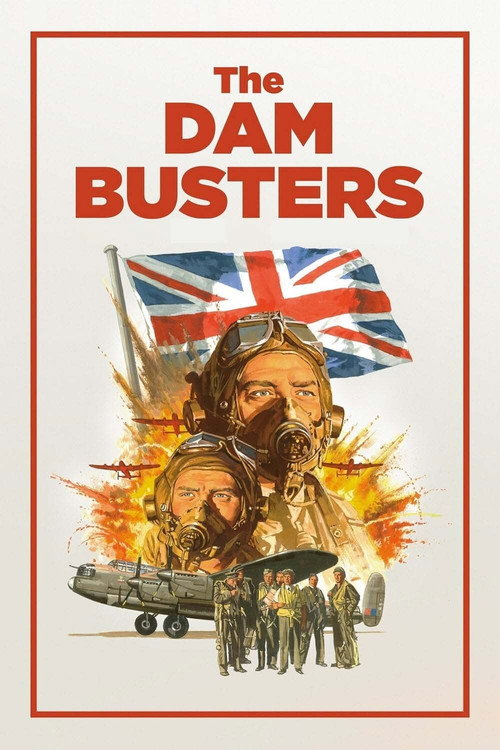
The Dam Busters1955
Both films treat bombing not as glory but as a technical and moral challenge that tests military institutions and the men who lead them. The emphasis is on doctrine, training, and the human cost of precision.
British film about the famous 617 Squadron raid, but told as a story of technical problem-solving and precision bombing doctrine—the same intellectual and emotional core as Bombardier, just on the other side of the war. Michael Anderson directs with quiet, methodical intensity.
But The racism in the portrayal of the squadron's mascot dog is jarring and indefensible. Some viewers won't get past it, rightfully.
More like this (7)
The Best Years of Our Lives1946
Three veterans return home and struggle to reclaim civilian identity. Where Bombardier asks what makes a soldier, this asks what being a soldier took away. Samuel Goldwyn's approach is patient and humane, the performances devastatingly honest.
But Three hours and uneven in its focus; some threads resolve better than others.

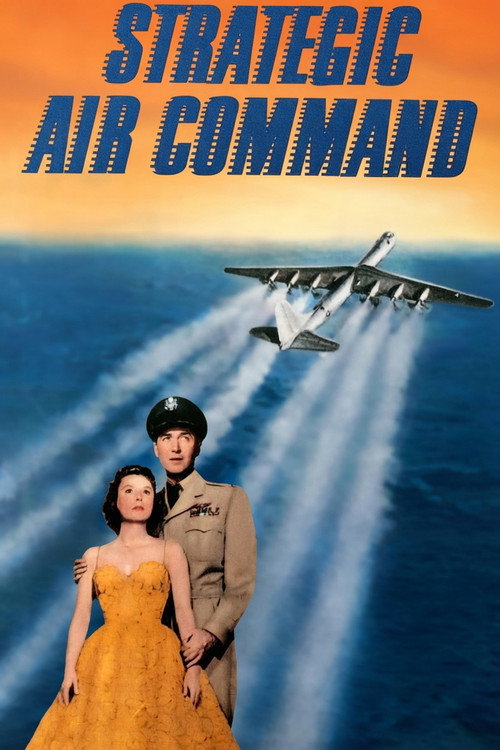
Strategic Air Command1955
James Stewart returns to military aviation post-war, torn between family and duty. It captures the Cold War anxiety that replaced WWII urgency, with the same technical interest in bombing doctrine and strategic philosophy.
But The domestic drama feels thin; the film privileges spectacle and ideology over character.
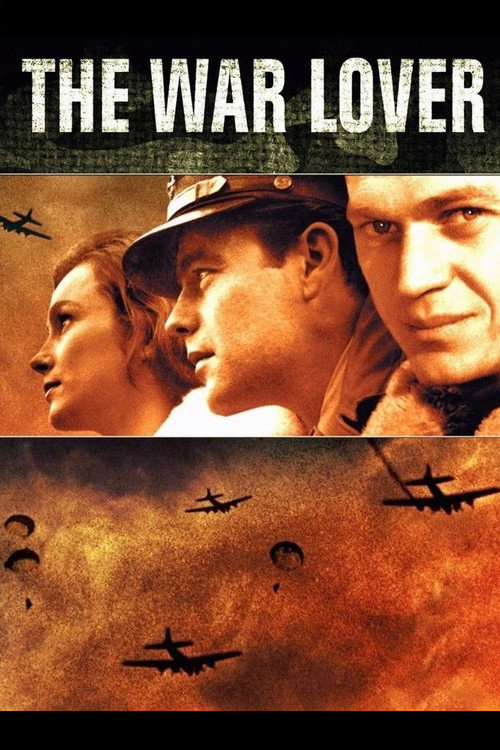
The War Lover1962
Steve Reeves and Robert Wagner as B-17 pilots—one addicted to combat, one traumatized by it. Shirley Anne Field grounds the film's exploration of how war breaks different men in different ways. Tense and morally ambiguous.
But The sexual dynamics feel creepy by modern standards; the ending is downbeat in ways the narrative doesn't quite earn.
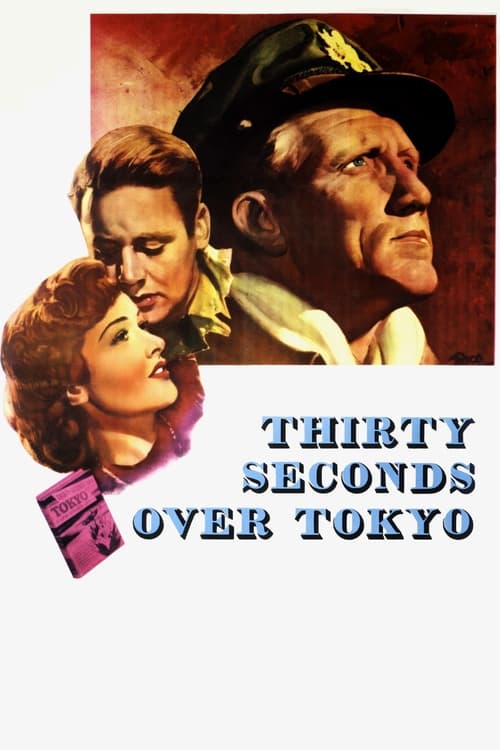
Thirty Seconds Over Tokyo1944
Spencer Tracy mentors Van Johnson through an impossible mission. It has Bombardier's interest in military instruction and chain-of-command drama, but grounded in a real historical event that gives the stakes weight.
But The combat sequences are surprisingly muted for an action-focused film; the pacing drags in the middle.
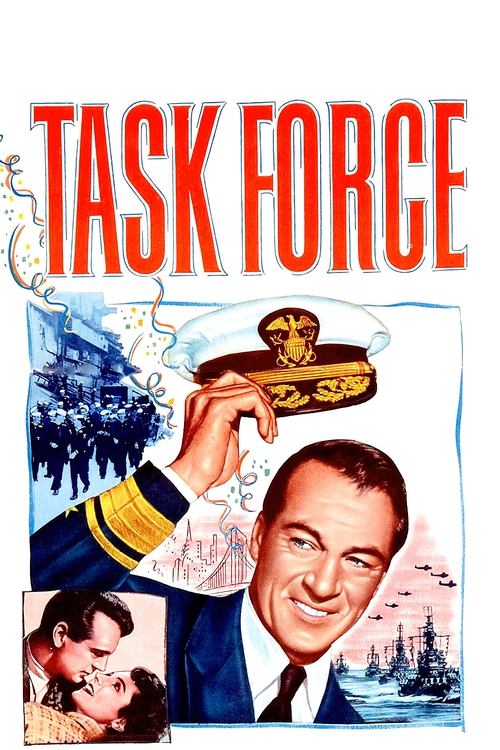
Task Force1949
Gary Cooper spans decades of naval aviation history in this chronicle of military innovation. It shares Bombardier's fascination with how doctrine evolves and how visionaries convince institutions to change.
But It's episodic and scattered; the personal drama never coheres around one narrative spine.
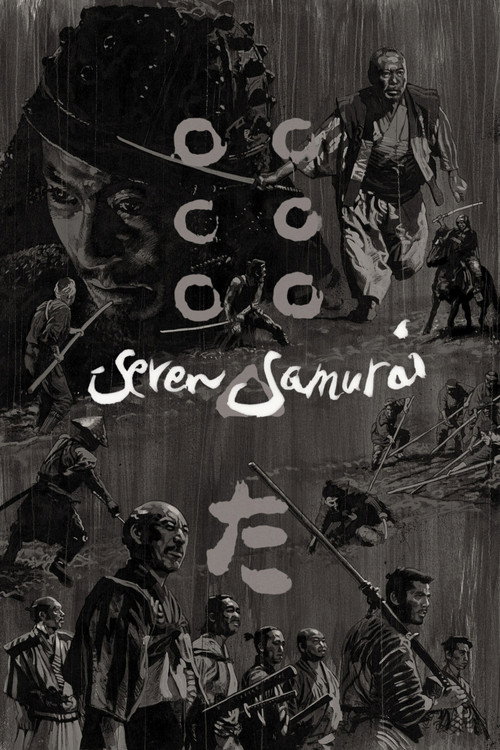
Seven Samurai1954
Both films trust that training montages and doctrine can be dramatically compelling. Both believe the real drama lies in how men prepare for crisis, not just in the crisis itself.
Kurosawa's masterpiece reverses the angle but holds the same DNA: a leader assembles and trains a team for an impossible task, personal rivalries and doubts surface, and the climax tests everything they've prepared for. The philosophy of preparation is identical.
But It's 207 minutes and Japanese cinema from a different tradition; the pacing and emotional register will feel foreign if you want American narrative propulsion.
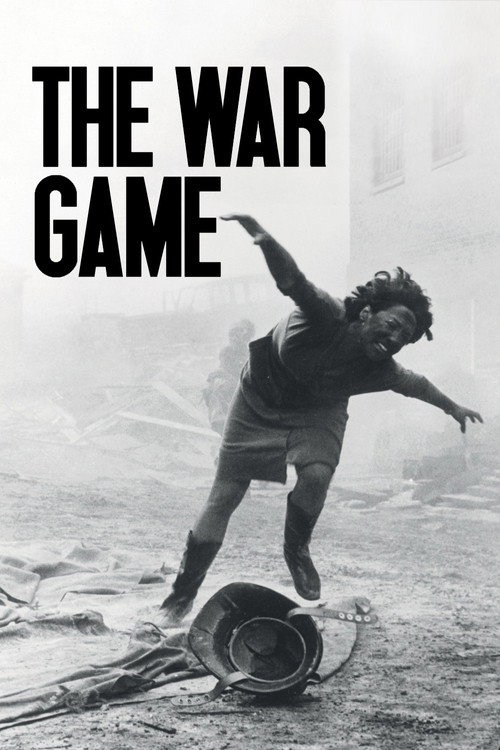
The War Game1966
Both films examine bombing as policy and philosophy. Bombardier asks whether it works; The War Game asks what it costs. Together they frame a question that Cold War cinema mostly avoided asking.
Peter Watkins' banned BBC documentary imagines a nuclear attack on Britain. It's what Bombardier becomes when you ask the same questions honestly: what is the human cost of bombing doctrine? What happens when precision bombing can incinerate millions? It's devastating and unseen by most people who've watched WWII films.
But It's a simulation of atrocity—fictional nuclear war, fake corpses, fake suffering. The BBC banned it for 20 years. Some will find it exploitative; others will find it necessary.
People
Cast
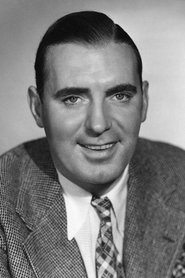 Pat O'BrienChick Davis
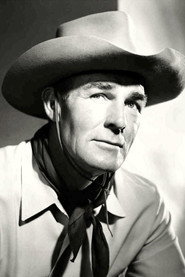 Randolph ScottBuck Oliver
 Anne ShirleyBurton Hughes
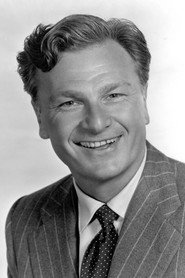 Eddie AlbertTom Hughes
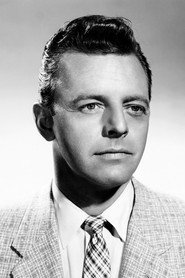 Walter ReedJim Carter
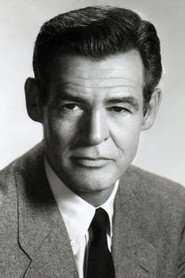 Robert RyanJoe Connors
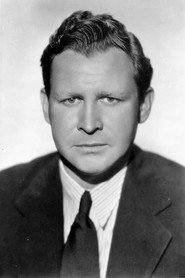 Barton MacLaneArchie Dixon
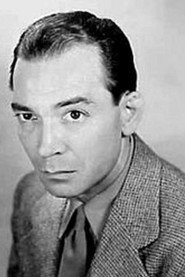 Leonard StrongJapanese Officer
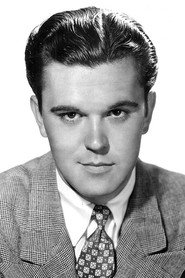 Richard MartinChito Rafferty
- Eugene L. EubankEugene L. Eubank
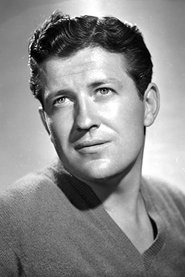 Russell WadePaul Harris
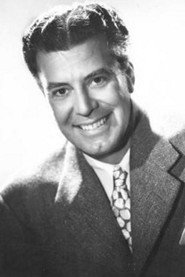 James NewillCaptain Rand
Directing
- Edward KillyAssistant Director
- Richard WallaceDirector
- Robert AldrichSecond Assistant Director
Writing
- John TwistWriter
- Lambert HillyerWriter
Production
- Robert FellowsProducer