
Film
Task Force
A 1949 military drama following naval aviators across two decades as they fight institutional resistance to prove the strategic value of carrier aviation, culminating in World War II. It's a earnest, colour-filmed essay on duty, sacrifice, and vindication—part romance, part institutional critique, entirely sincere. For those who respect the slow accumulation of consequence and don't mind speeches about the future of warfare.
If you liked this
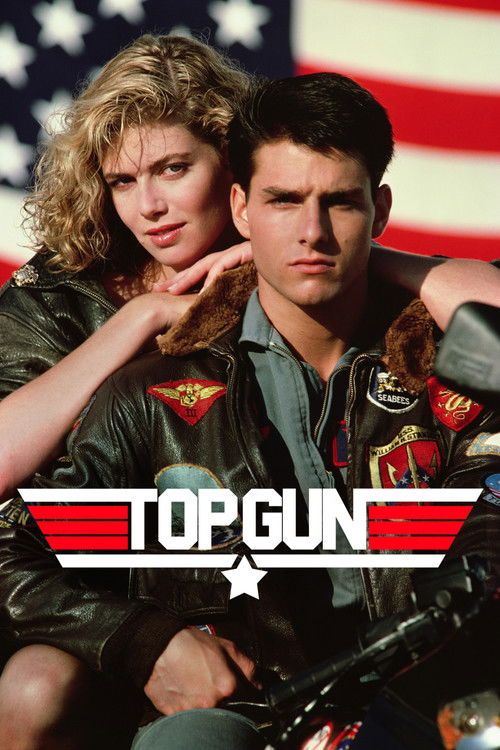
Top Gun1986
Celebrates military aviation expertise and the camaraderie between pilots while exploring institutional pressure and personal ambition. The romance subplot mirrors Task Force's emotional architecture without derailing the professional stakes.
But It's an entirely different era of filmmaking—slicker, faster-paced, less interested in the weight of history or the cost of being right too early.
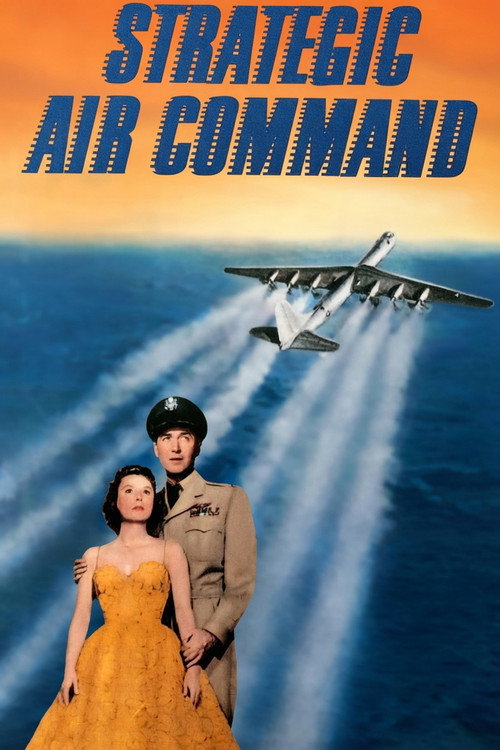
Strategic Air Command1955
James Stewart in another military aviation story about a man torn between civilian ambition and military duty. Same DNA, same era sensibility, the same faith that institutions matter even when they frustrate you.
But Even more focused on the personal conflict than on the technical or historical argument. If you want more about *why* the military fought itself, this softens that edge.
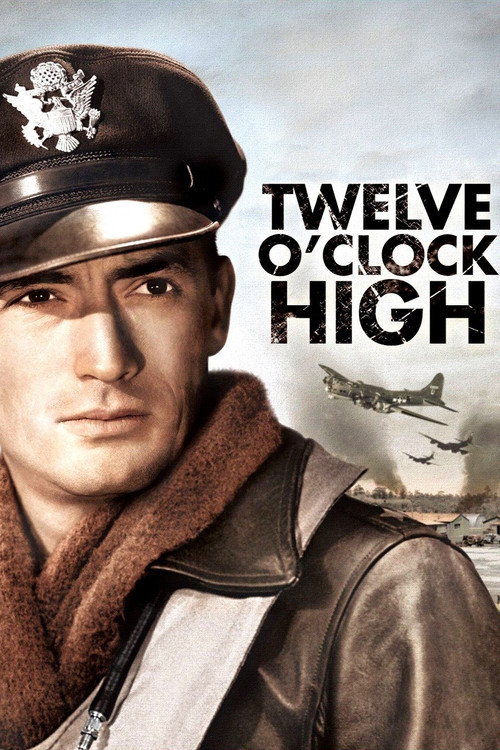
Twelve O'Clock High1949
Released the same year, it's a tighter film about USAAF commanders learning leadership under fire. The institutional and personal pressures are fiercer, the moral weight heavier, the ending less triumphant.
But Bleaker in tone and narrower in scope—it doesn't have Task Force's sweep across decades, which some will find more focused and others will find claustrophobic.
Not sure tonight? Get a pick in a minute, starting from Task Force
The wildcard
Something you would not have found on your own.
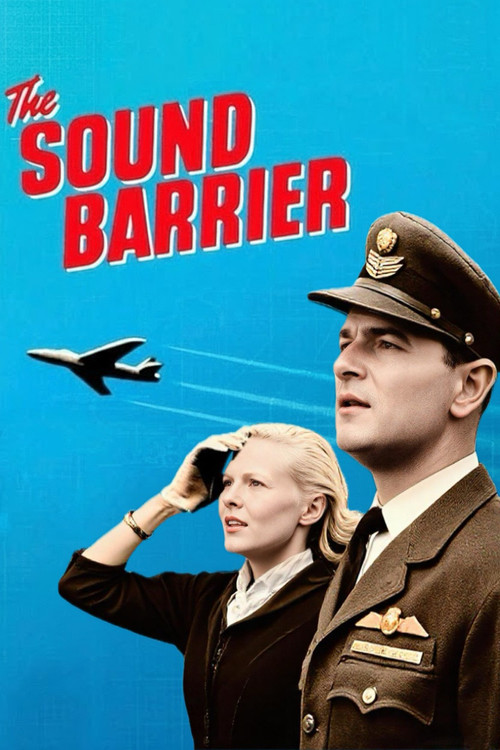
The Sound Barrier1952
Both pit individual vision and technical expertise against institutional doubt and personal sacrifice—but where Task Force argues for patience and persistence across decades, this collapses that tension into the rush of a single breakthrough.
A British film about aviation innovation and the personal cost of pushing into unknown territory. It has Task Force's interest in vindication and institutional resistance, but focused on a single obsessive goal rather than decades of bureaucratic struggle. Ralph Richardson is extraordinary.
But British, more psychologically abstract, less interested in historical sweep. Some will find it more serious; others will find it austere.
More like this (8)
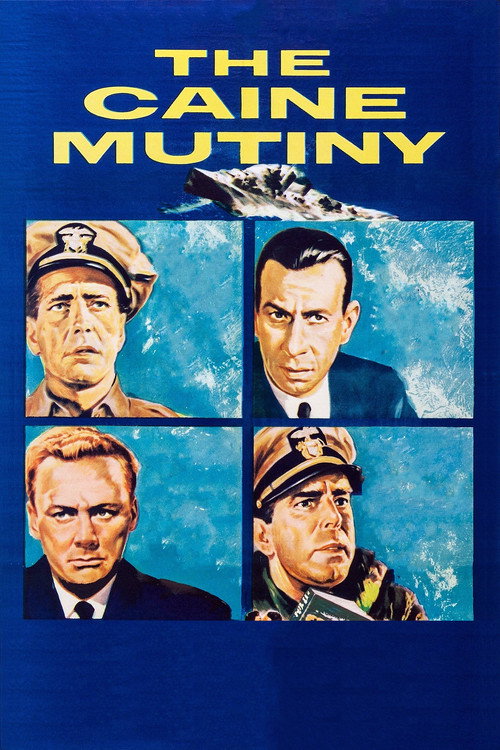
The Caine Mutiny1954
A different service, but the same argument about duty, hierarchy, and the cost of having to work within broken systems. Courtroom drama gives it propulsive energy Task Force lacks, and the moral questions cut deeper.
But It's more about mutiny than vindication. If you want to see the institution ultimately fail someone, this delivers. Task Force is gentler with its institutions.
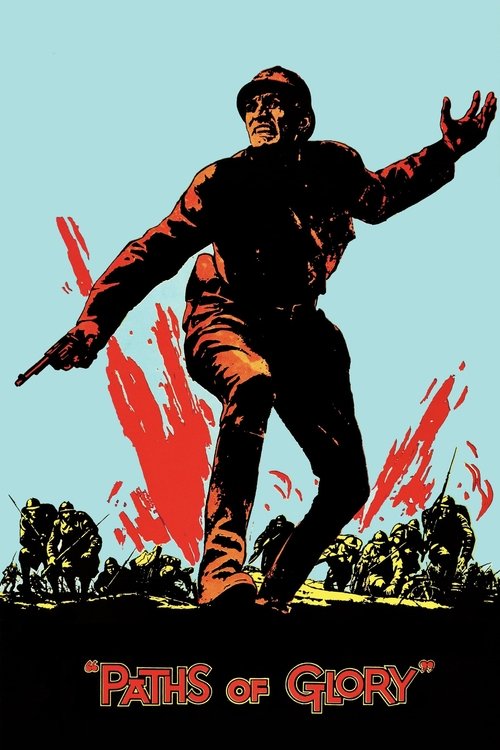
Paths of Glory1957
Kirk Douglas in Kubrick's ruthless examination of military hierarchy and the distance between strategy and human cost. It has Task Force's interest in institutional failure, but with far darker conclusions.
But Relentlessly bleak and angry. If you're drawn to Task Force partly for its faith in the Navy, this will feel like a rebuke rather than a complement.
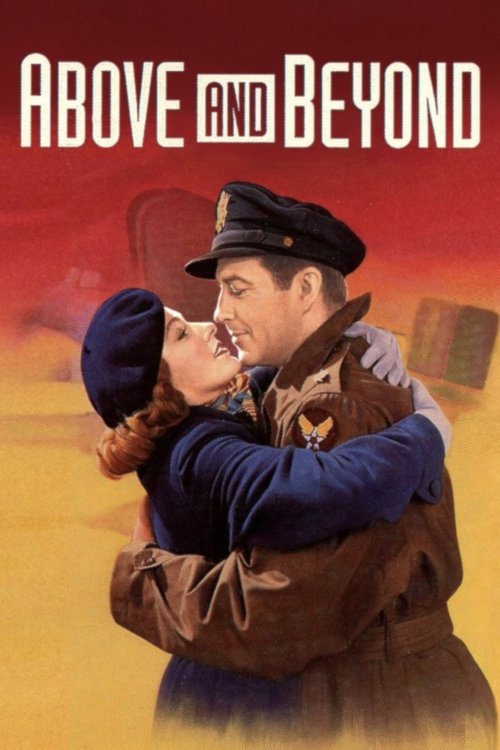
Above and Beyond1953
Robert Taylor as the pilot of the Enola Gay, exploring duty to an impossible mission and the psychological toll on the man asked to carry it. It's another aviation story about sacrifice and what the mission demands.
But The subject matter is the atomic bombing of Hiroshima. It handles it with respect, but that weight is inescapable in ways Task Force's historical arguments are not.
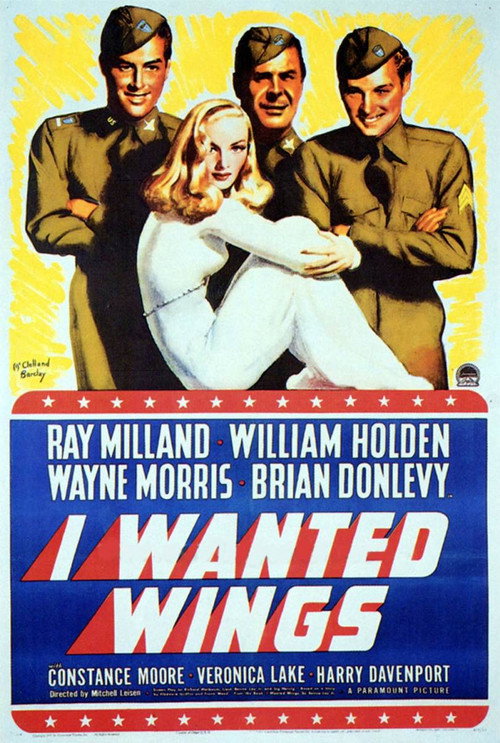
I Wanted Wings1941
An earlier aviation training film that establishes many of the same visual and narrative language around pilots, ambition, and military discipline. Part of the same tradition Task Force refines.
But Less ambitious in scope and thematic reach. It's a precursor rather than a peer, which means it can feel thin if you're coming to it after Task Force.
The Best Years of Our Lives1946
Wyler's three-hour epic about veterans returning home after the war. It shares Task Force's faith in institutions and personal duty, but focuses on reintegration rather than vindication. The emotional texture is similar.
But Entirely different story—no aviation, no military hierarchy as central theme. It shares a tone more than a purpose.

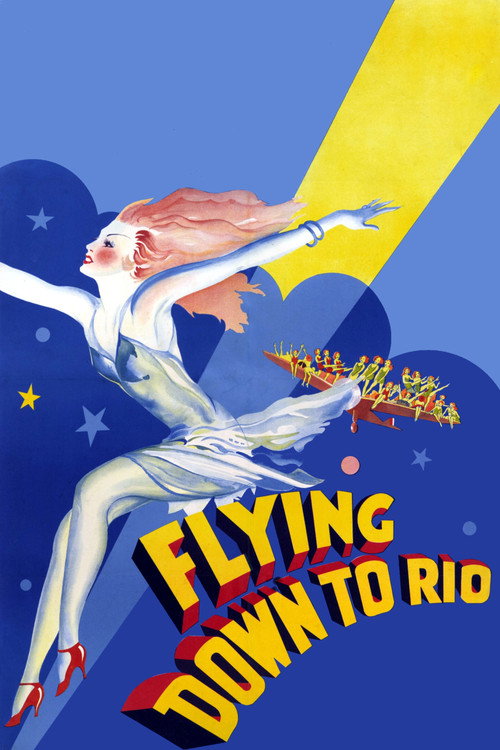
Flying Down to Rio1933
An earlier aviation romance that established many visual conventions the industry would follow. Historical interest if you want to see how Hollywood was filming planes before Task Force refined the language.
But It's primarily a dance film with aviation set dressing. The aviation is almost incidental, which will feel like a bait-and-switch if you're looking for the military argument Task Force makes.
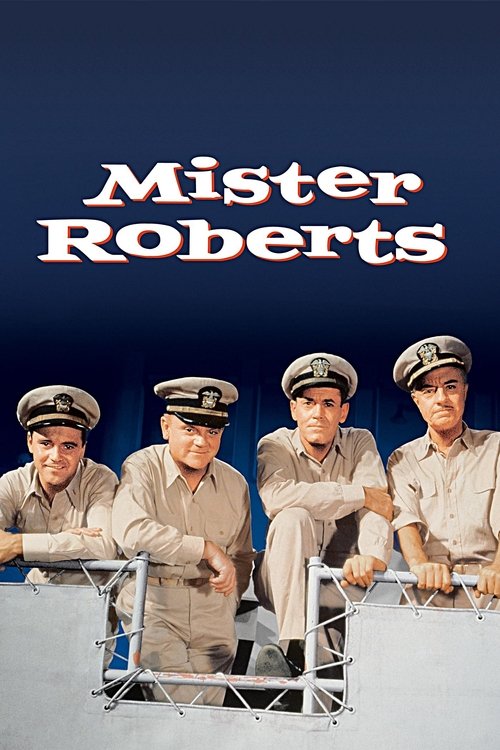
Mister Roberts1955
Both explore the tension between military hierarchy and human judgment, but this one asks whether the hierarchy deserves loyalty at all—a question Task Force never quite raises.
James Cagney and Henry Fonda in a drama about mutiny, duty, and the gap between the mission and the men carrying it. It's funny without being flippant, serious without preaching. The ensemble dynamic is warmer than Task Force but the institutional critique sharper.
But It's a stage play adapted to screen, which means it can feel theatrical and confined. The humour won't be for everyone if you're drawn to Task Force's earnestness.
Ikiru1952
Both are about people whose faith in institutions is tested by those institutions' resistance to change, and both find dignity in continuing anyway. But Ikiru asks what that dignity *costs* in ways Task Force never acknowledges.
Kurosawa's masterpiece about a dying bureaucrat who discovers meaning by seeing his life's work completed. It's not a war film or military, but it shares Task Force's profound meditation on duty, vindication, and the satisfaction of having fought the right fight. Entirely different register—intimate, philosophical, achingly human.
But Japanese cinema, subtitled, slow, meditative. The setting is civilian bureaucracy rather than military aviation. If you want Task Force but bigger, you'll be frustrated.

People
Cast
 Gary CooperJonathan L. Scott
 Jane WyattMary Morgan
 Wayne MorrisMcKinney
 Walter BrennanPete Richard
 Julie LondonBarbara McKinney
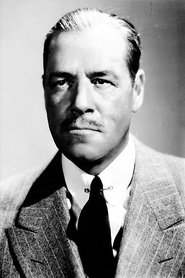 Jack HoltCaptain Reeves
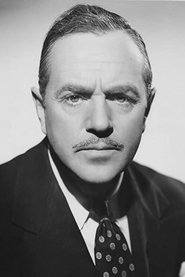 Stanley RidgesSen. Bentley
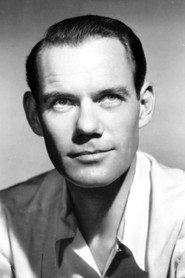 John RidgelyDixie Rankin
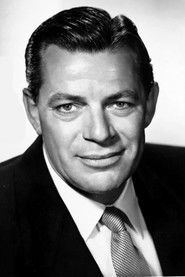 Richard RoberLt. Jack Southern
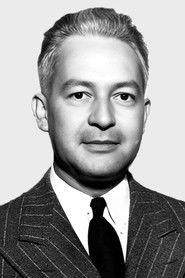 Art BakerSen. Vincent
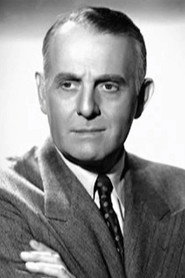 Moroni OlsenAdm. Ames
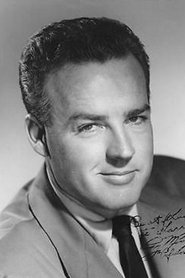 Ray MontgomeryPilot
Recommended by
The Fighting Sullivans, Corvette K-225, Bombardier, Action in the North Atlantic, Aerial Gunner