
Film
The Fighting Sullivans
A 1944 film honoring five real Sullivan brothers from Iowa who enlisted together and died together at sea. It's a earnest wartime tribute that moves between Depression-era family life and naval combat, made while the wounds were still fresh. For anyone drawn to stories about brotherhood, sacrifice, and the specific American grief of the 1940s.
If you liked this
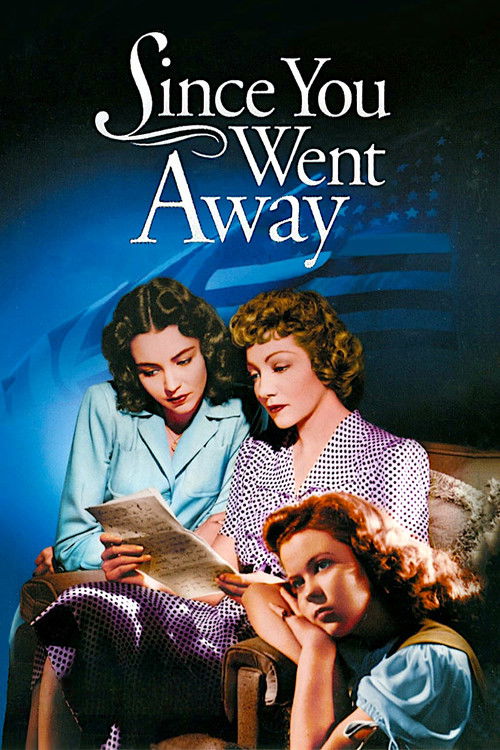
Since You Went Away1944
Another 1944 homefront drama that captures the texture of waiting—the uncertainty, the small sacrifices, the way ordinary families held together. Claudette Colbert is luminous, and it shares the same registers of sincere feeling.
But It moves slowly and asks patience with sentiment that can feel dated. The gender politics belong firmly to its era.
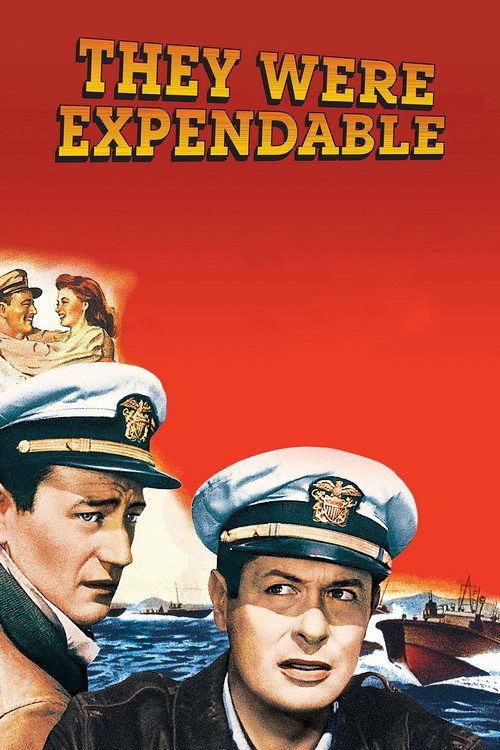
They Were Expendable1945
John Ford's elegy for American servicemen in the Pacific, made just after the war ended. It has the same documentary urgency and the same refusal to prettify loss. The battle scenes have a terrible clarity.
But It's bleaker than The Fighting Sullivans and offers no compensating warmth. The pacing is deliberate to the point of severity.
The Best Years of Our Lives1946
The definitive postwar film about men trying to come home. It has the same generational specificity and the same belief that ordinary lives deserve epic treatment. Deeply moving without ever being maudlin.
But At nearly three and a half hours, it requires genuine commitment. Some of the domestic comedy hasn't aged gracefully.

Not sure tonight? Get a pick in a minute, starting from The Fighting Sullivans
The wildcard
Something you would not have found on your own.
Come and See1985
Both center on young men and brothers-in-arms, but Klimov shows the war that The Fighting Sullivans was made too close to see. It's what the other film couldn't afford to show.
Elem Klimov's Soviet war film follows a boy's first days as a partisan. It's visually and sonically overwhelming, and it refuses to grant war any dignity or meaning. Devastating and necessary, a corrective vision of what The Fighting Sullivans' era actually contained.
But It's brutal in ways that many will find genuinely unwatchable. It does not offer catharsis or redemption. The violence is not distant.

More like this (7)
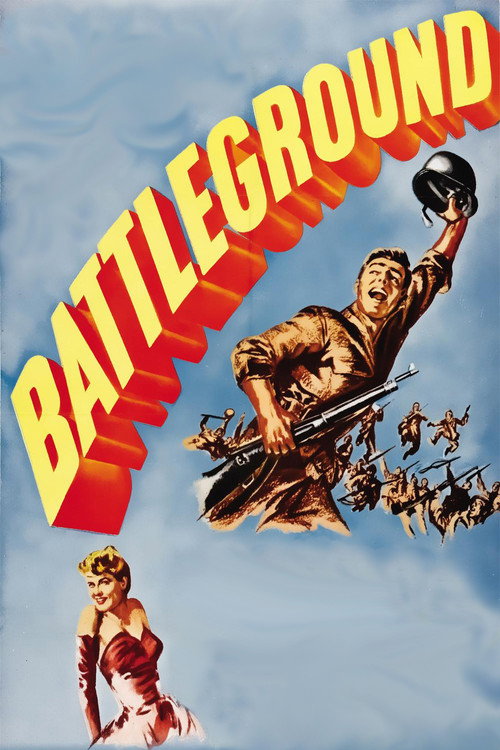
Battleground1949
A focused, unglamorous look at soldiers in the thick of combat—no heroics, just men trying to survive. It has The Fighting Sullivans' interest in collective experience and its respect for the ordinary soldier.
But It's grimmer than you might expect from a 1949 war film. There's no transcendent meaning offered, just exhaustion and loss.
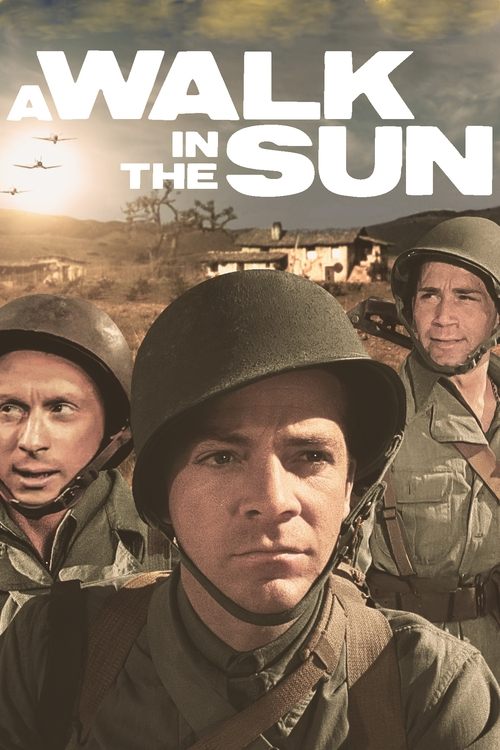
A Walk in the Sun1945
An intimate portrait of a single day's action in Italy, following one squad. It captures the camaraderie and the terrible randomness of war with a poetic touch that feels earned rather than imposed.
But The philosophical bent might feel overwrought to modern eyes. It's slower than typical combat films.
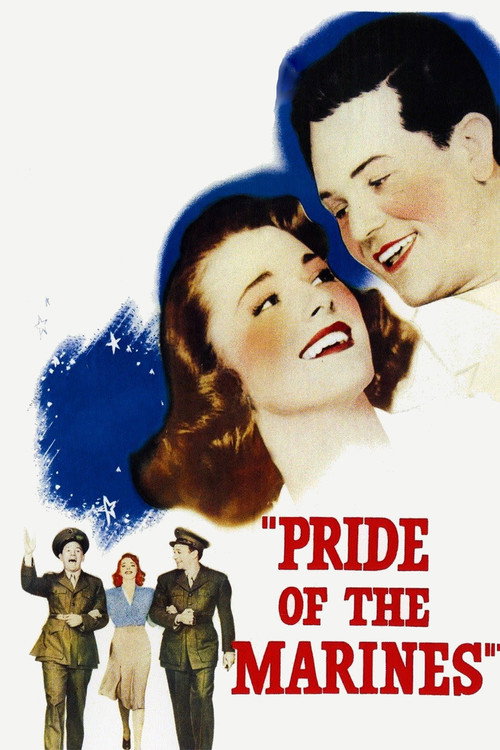
Pride of the Marines1945
John Garfield as a real Marine who lost his sight in combat—it's about both his service and his struggle to build a life after. Unsentimental and deeply human, with the same grounded approach to heroism.
But It can feel like a problem-picture in ways that don't always work. The romantic subplot occasionally overwhelms the harder material.
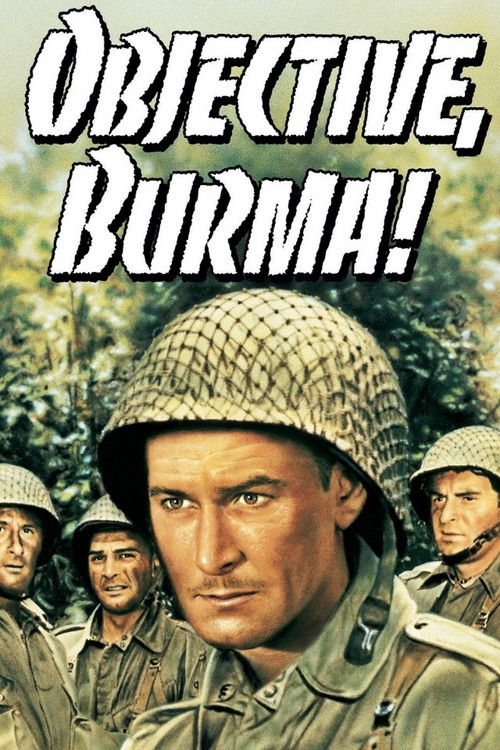
Objective, Burma!1945
Raoul Walsh's tense, efficiently told story of a behind-enemy-lines mission. It has real forward momentum and treats the men as professionals doing dangerous work, not symbols of sacrifice.
But It's more action-driven than The Fighting Sullivans and offers less character depth. Some critics found it politically insensitive at release.
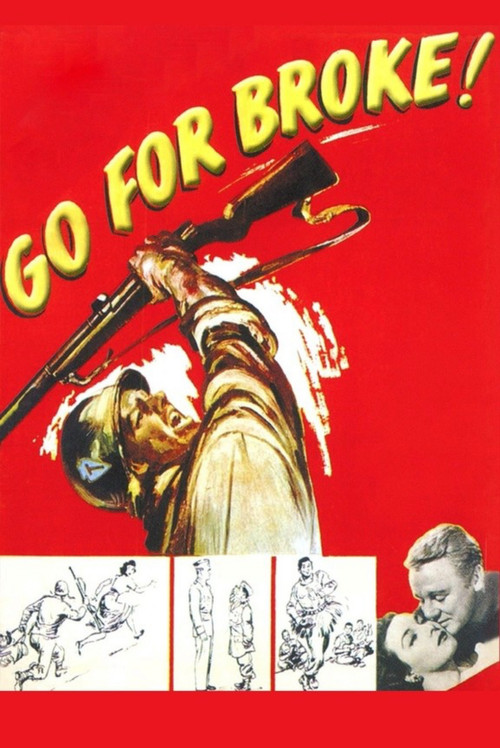
Go for Broke!1951
The true story of the 442nd Regimental Combat Team—Japanese-American soldiers proving their loyalty while their families were interned. It shares the Sullivan film's interest in brotherhood and the specificity of American sacrifice.
But It's now regarded as somewhat overstated in its patriotic fervor. The characterization can feel thin by modern standards.
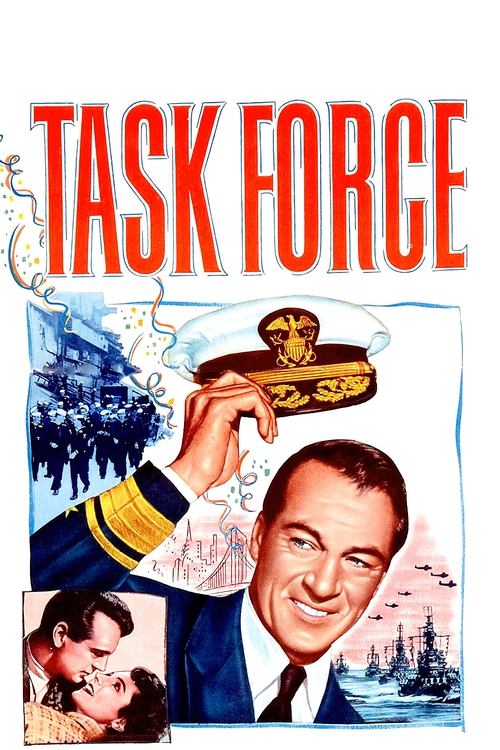
Task Force1949
An ensemble story about Navy aviators across generations, from the 1920s through World War II. It has the Sullivan film's reverence for collective sacrifice and its faith in institutional loyalty.
But It's episodic and sprawling in ways that dilute emotional impact. Some sequences feel like historical lecture rather than drama.
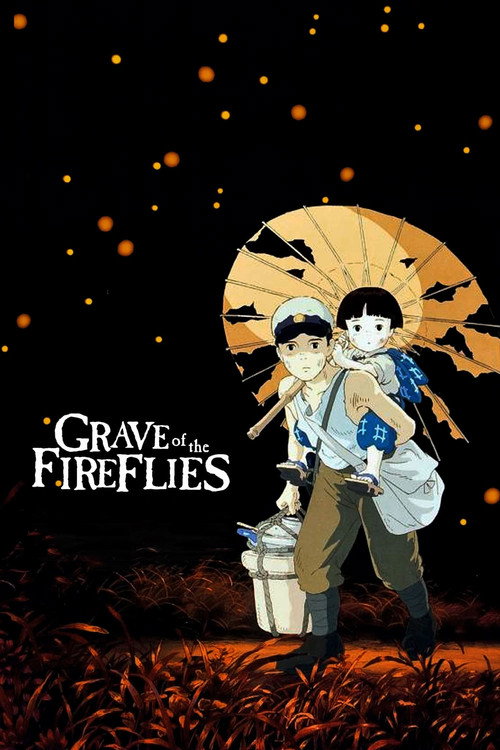
Grave of the Fireflies1988
Both are about brothers and war, but this one asks you to grieve for the other side. It's the conversation The Fighting Sullivans couldn't have with itself.
Isao Takahata's animated film about two Japanese siblings trying to survive the firebombing campaign. It has the same focus on sibling bonds and the same interest in ordinary people caught in historical machinery, but animated, from the enemy's perspective, and utterly heartbreaking.
But It's animated, which might initially seem incongruent with the subject. Some find the restraint of its animation makes the suffering harder to bear, not easier.
People
Cast
 Anne BaxterKatherine Mary Sullivan
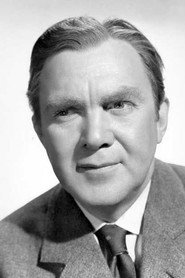 Thomas MitchellMr. Thomas F. Sullivan
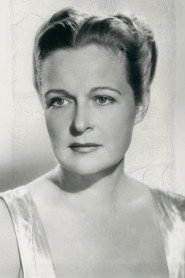 Selena RoyleMrs. Alleta Sullivan
 Edward RyanAlbert Leo 'Al' Sullivan
 Trudy MarshallGenevieve 'Gen' Sullivan
- John CampbellFrancis Henry 'Frank' Sullivan
 James CardwellGeorge Thomas Sullivan
 John AlvinMadison Abel 'Matt' Sullivan
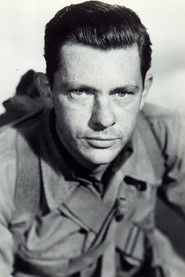 George Offerman, Jr.Joesph Eugene 'Joe' Sullivan
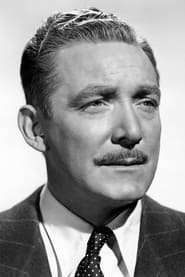 Roy RobertsFather Francis
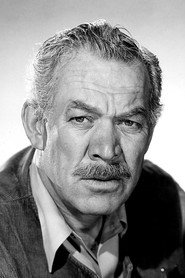 Ward BondLt. Cmdr. Robinson
- Nancy June RobinsonGenevieve, as a child (uncredited)
Directing
- Lloyd BaconDirector
Writing
- Edward DohertyStory
- Jules SchermerStory
- Mary C. McCall, Jr.Writer