
Film
Go for Broke!
Go for Broke! follows the 442nd Regimental Combat Team, Japanese-American soldiers fighting in World War II despite their families' internment. It's a 1951 tribute that watches prejudice dissolve under fire, framed as a soldier's education rather than a sermon. Earnest, clear-eyed, occasionally stiff—but the subject matter carries it. For anyone interested in overlooked American history or how cinema handles difficult reckoning.
If you liked this
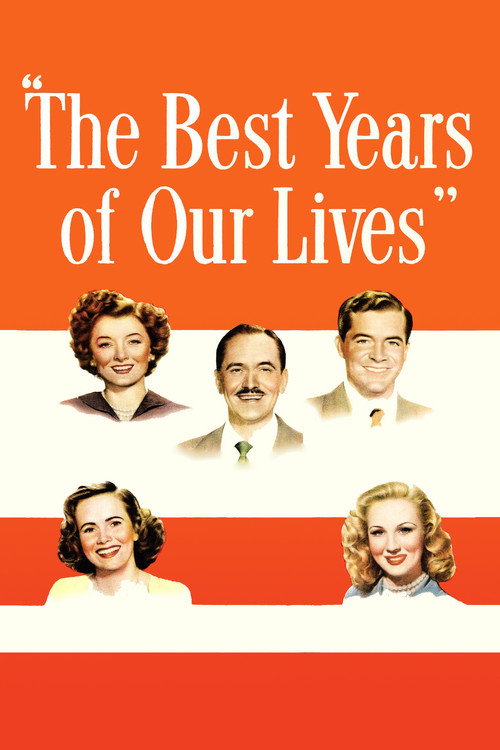
The Best Years of Our Lives1946
A masterpiece about soldiers returning home to a country they barely recognize. Uses multiple perspectives to show how war changes men and the communities trying to receive them. Deeply felt and structurally brilliant.
But Nearly four hours long, and some of the domestic drama plays as slow. The film's emotional weight demands patience.
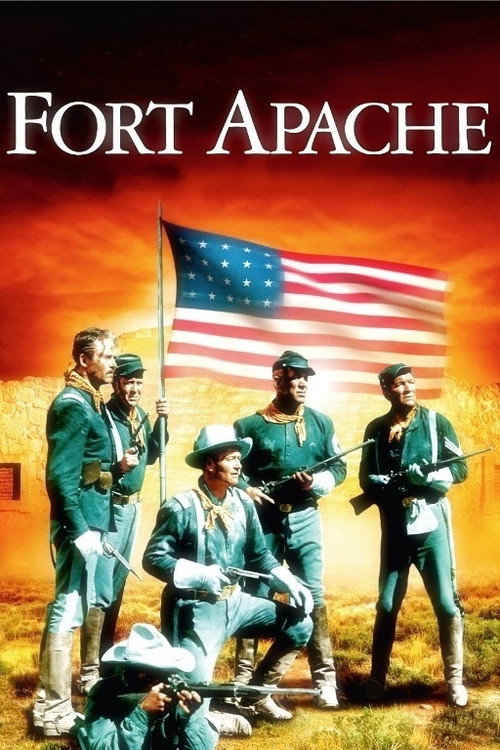
Fort Apache1948
John Ford's cavalry western about prejudice and duty, with Henry Fonda as a commander learning respect for his Apache scouts. Shares Go for Broke!'s trajectory of a superior officer recognizing his men's worth through action.
But Framed within the conventions of 1940s Westerns, so its racial attitudes have uncomfortable layers—which is partly Ford's point, but it's still uncomfortable.
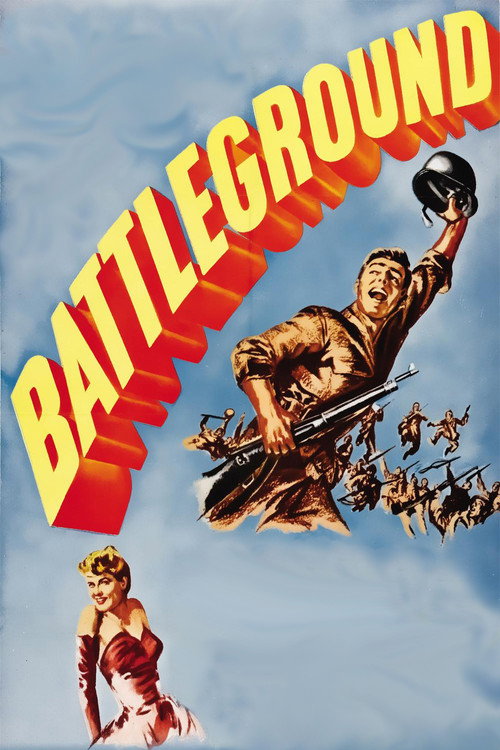
Battleground1949
An ensemble war film about ordinary GIs in the Battle of the Bulge. Focuses on small-unit camaraderie and how men from different backgrounds find common ground under fire. No stars, just soldiers.
But Shot in black and white on a modest budget, so spectacle is minimal. The drama is internal and conversational.
Not sure tonight? Get a pick in a minute, starting from Go for Broke!
The wildcard
Something you would not have found on your own.
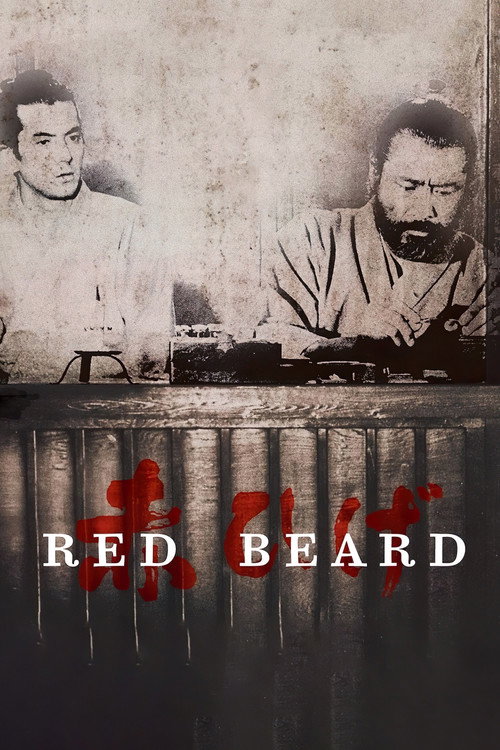
Red Beard1965
Both follow a proud man's re-education by witnessing the capabilities and humanity of those he's dismissed. Neither has a sermon; both let actions speak. Kurosawa's film is the anti-war version—what growth looks like when there's no combat to prove it.
Akira Kurosawa's final black-and-white film about a young physician learning compassion from an older doctor. A mentor story about unlearning arrogance—same moral engine as Go for Broke!, but internal and quiet instead of military.
But Slow, meditative, and 160 minutes long. Set in a Japanese clinic, not a battlefield. If you want war, this will disappoint. If you want the actual substance of Go for Broke!'s theme, it's here.
More like this (8)
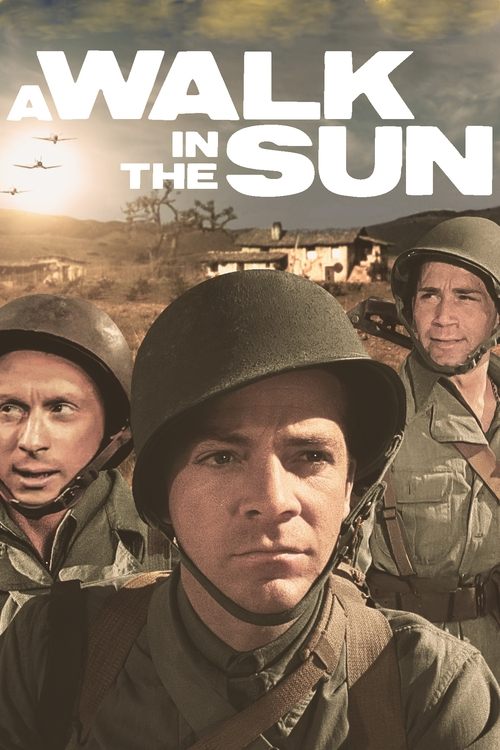
A Walk in the Sun1945
A single day in an infantry platoon's lives as they move inland after landing in Italy. Spare, poetic, focused entirely on how men think and speak during combat. Surprisingly modern in its approach.
But Very slow-paced, almost meditative. If you want action, this will feel like watching grass grow.
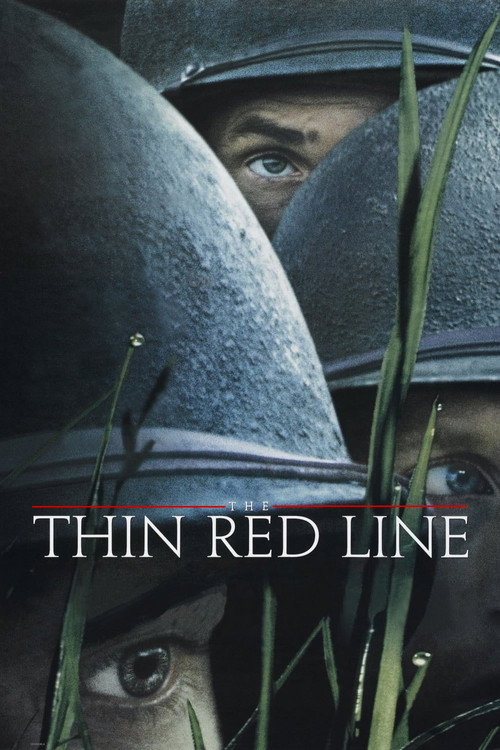
The Thin Red Line1998
Terrence Malick's philosophical war film about a company at Guadalcanal. Gorgeous and introspective, more interested in what war does to the soul than in tactics. Profound without preaching.
But Deliberately obscures narrative clarity in favor of mood and voiceover. Viewers wanting straightforward storytelling often find it maddening.
Come and See1985
A Belarusian film about a boy conscripted into the Soviet Army during WWII. Devastatingly real about the cost of war and how it corrupts innocence. One of cinema's most honest war films.
But Graphically brutal and emotionally exhausting. It's a necessary film, not an enjoyable one. Subtitled and demands your full attention.

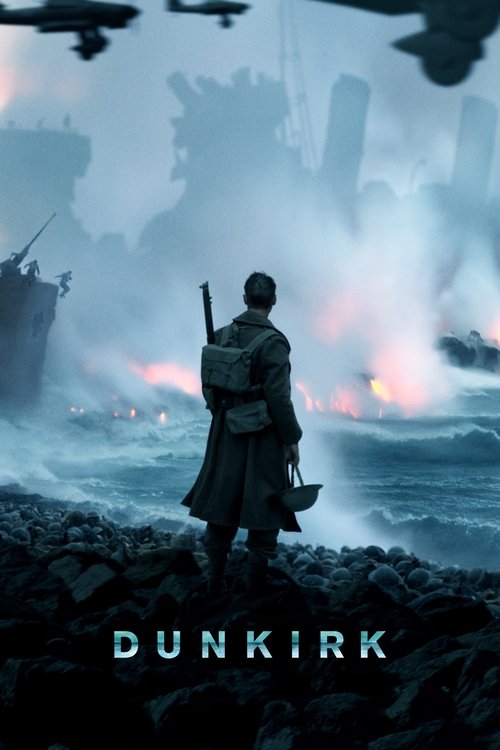
Dunkirk2017
Christopher Nolan's account of the evacuation told across three timelines. Technically sophisticated, visceral without glorifying conflict, focused on ordinary men in extraordinary circumstances. Thrilling cinema.
But The narrative structure is deliberately disorienting. Some find it clever; others find it gimmicky. The scope is grand when you might want intimate.
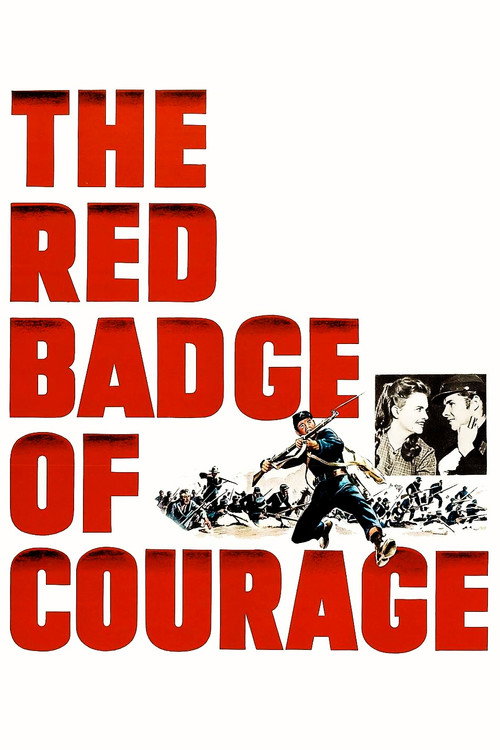
The Red Badge of Courage1951
John Huston's Civil War film about a young soldier learning courage is not the absence of fear. Psychological and morally complex, with authentic battle sequences that influenced decades of war films.
But Made the same year as Go for Broke!, so both are early-1950s in their sensibility. The pacing feels historical now, and the dialogue can be overwrought.
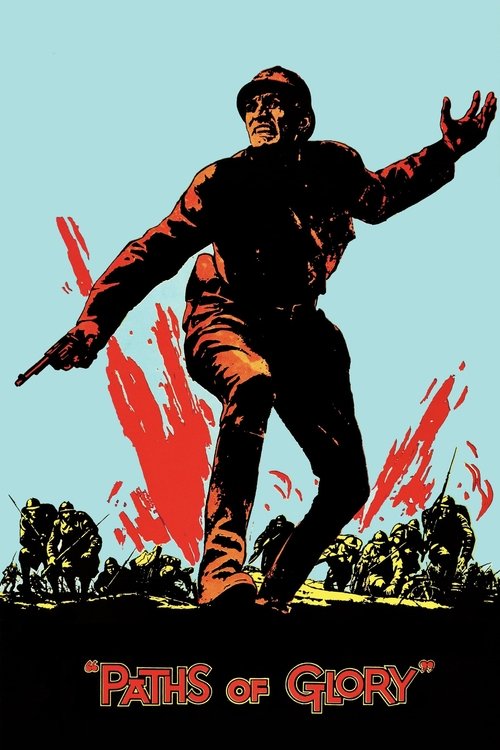
Paths of Glory1957
Kubrick's searing critique of WWI command structure and military injustice. A small unit fighting becomes the lens for examining how armies sacrifice men for doctrine and reputation.
But Bleak and angry throughout—there is no redemption here, only waste. Not cathartic. Some will find it didactic rather than dramatic.
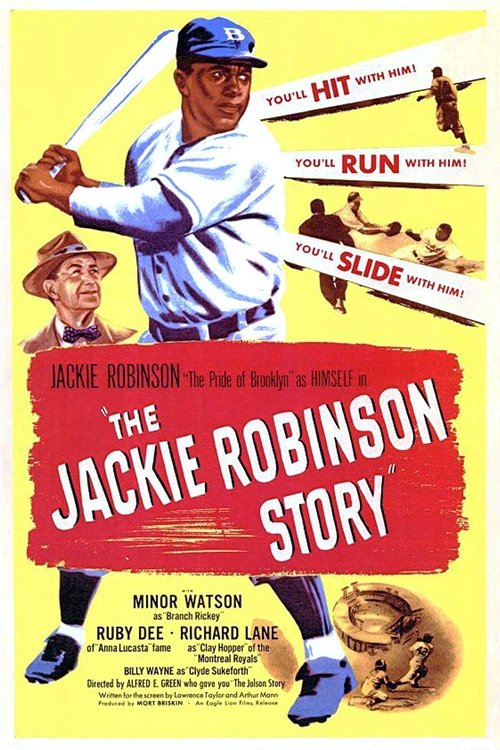
The Jackie Robinson Story1950
Both are 1950-51 tributes to real men breaking American racial barriers in public, high-stakes arenas. Both use the institution (military/sports) as a proving ground. Both believe excellence is argument enough. Both are a little stiff, because the filmmakers feared muddying their message.
Robinson playing himself as he breaks baseball's color barrier in 1947. A year before Go for Broke!, same earnest documentary style about a man integrated into a closed institution while America watches and judges.
But Melodramatic and hagiographic in places. Shot quickly and cheaply. The film's reverence sometimes obscures Robinson's actual complexity and anger.
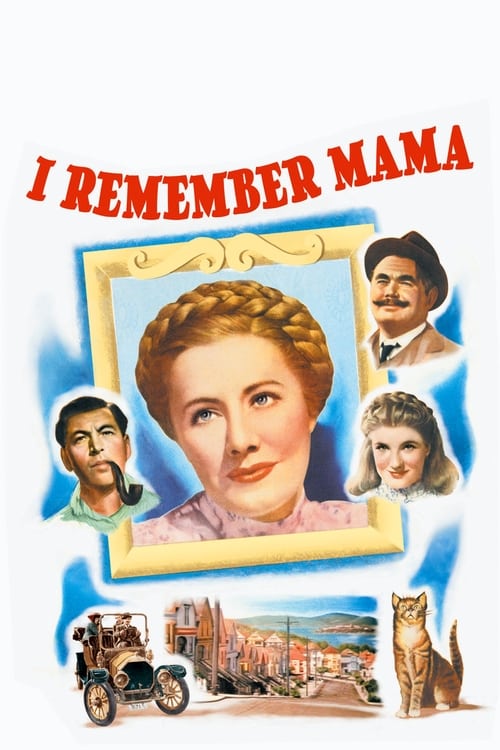
I Remember Mama1948
Both are 1950-51 films about Americans learning that people they'd underestimated—whether immigrant mothers or Japanese soldiers—are their moral superiors. Both believe dignity is its own proof. Both are built on observation rather than event. Go for Broke! is the film where the American learns this; Mama is the film where the American was always right to respect what they hadn't understood.
Not a war film at all—a tender memory play about a Norwegian-American family in San Francisco. But it's about immigrant identity, family resilience, and a younger person learning respect for their elders' quiet strength. Barbara Bel Geddes and Irene Dunne are magnificent.
But Domestic and slow, framed as nostalgia. No combat or tension. It's a film about listening to your mother and understanding her sacrifice. If you want action or even narrative momentum, this is the opposite.
People
Cast
 Van JohnsonMichael Grayson
- Lane NakanoSam
- George MikiChick
- Akira FukunagaFrank
- Henry OyasatoOhhara
- Harry HamadaMasami
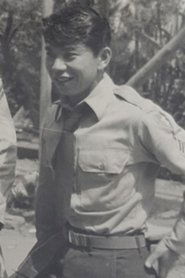 Henry NakamuraTommy
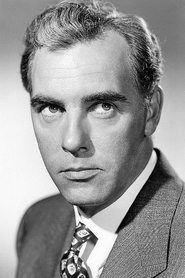 Warner AndersonCharles Pence
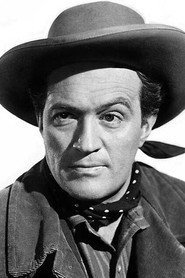 Don HaggertyWilson Culley
 Gianna Maria CanaleRosina
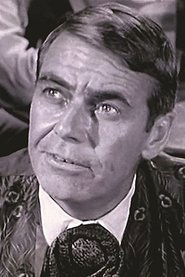 Dan RissCaptain Solari