
Film
Battleground
A 1949 war film following the 101st Airborne through the brutal Battle of the Bulge. Shot in black-and-white with documentary precision, it's less interested in heroics than in how ordinary soldiers endure cold, fear, and grinding uncertainty. For anyone who wants combat stripped of mythology—bone-tired men waiting for weather and air support.
Should you watch it?
Watch it if you want a siege story told through ordinary soldiers squinting at the sky, where the tension comes from waiting on weather and small squad friction rather than set-piece heroics.
Skip it if you need constant spectacle or a quick pace, since much of the film is talk, tired waiting and bickering between men in a cramped position.
What it asks of you: Expect a deliberate, talky rhythm across nearly two hours, with the battle sequences arriving in bursts and the quieter exchanges carrying much of the weight.
Not sure? Find tonight's pick in a minute.
If you liked this
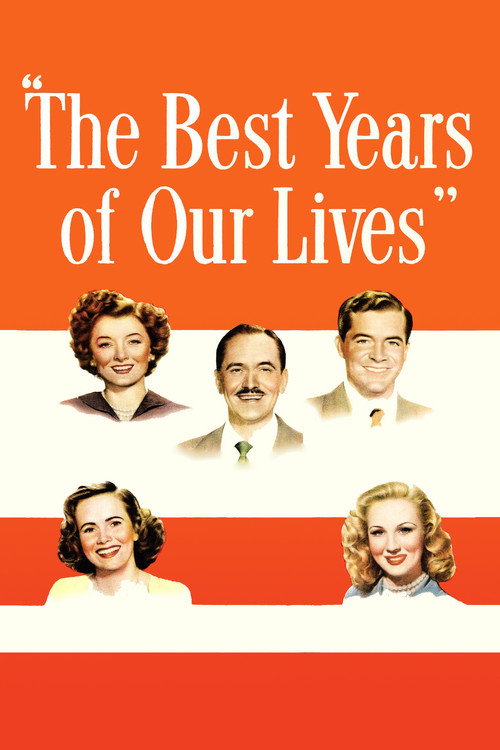
The Best Years of Our Lives1946
Another postwar portrait of ordinary American soldiers reckoning with what they've seen. William Wyler's direction finds profound humanity in homecoming, loss, and the impossible task of moving forward.
But Three-and-a-half hours of quiet anguish isn't everyone's idea of entertainment. Its pacing privileges reflection over momentum.
A Walk in the Sun1945
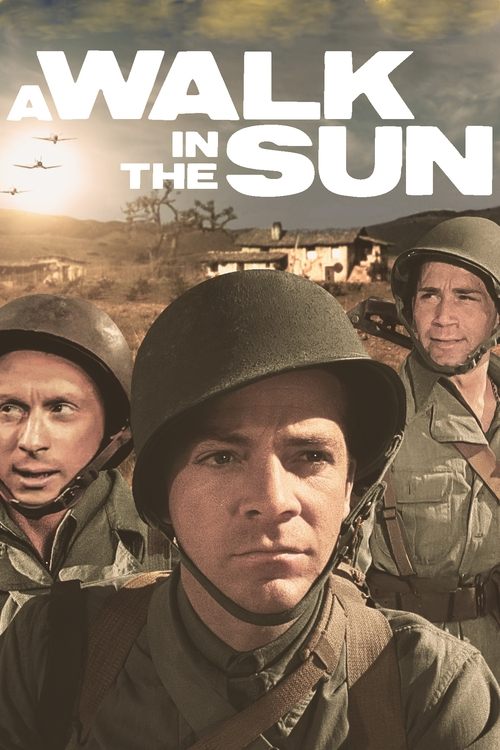
A single day of a platoon's advance in Italy, following the same quiet-focus approach as Battleground. Remarkably tense for a film that spends most of its time with men talking and waiting.
But The plot is deliberately minimal—this is mood and psychology over narrative drive. Some find it slow.
Come and See1985
The most devastatingly honest war film ever made. Elem Klimov follows a Soviet boy through the Eastern Front with unflinching brutality. Masterpiece that ranks with the very greatest cinema.
But It's traumatizing by design. Genuinely hard to watch. The suffering is not cathartic—it's meant to sicken you.

Not sure tonight? Get a pick in a minute, starting from Battleground
The wildcard
Something you would not have found on your own.
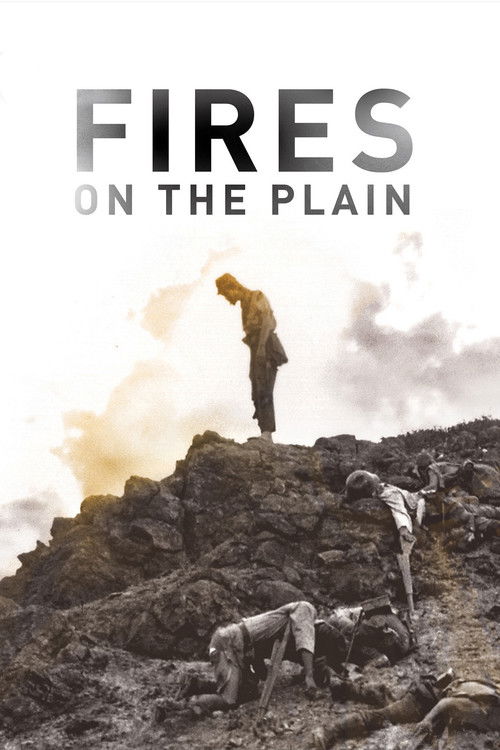
Fires on the Plain1959
Both films refuse sentimentality and focus on the grinding physical reality of combat—cold, hunger, exhaustion, waiting—but Ichikawa pushes further into derangement and despair.
Kon Ichikawa's Japanese war film about surviving soldiers in the Philippines, shot in black-and-white like Battleground but far more surreal and grotesque. A masterpiece of how war unmakes civilization and mind alike.
But It's disturbing in ways that go beyond violence—the psychological collapse is relentless and the film doesn't offer comfort or redemption. Difficult viewing.
More like this (8)
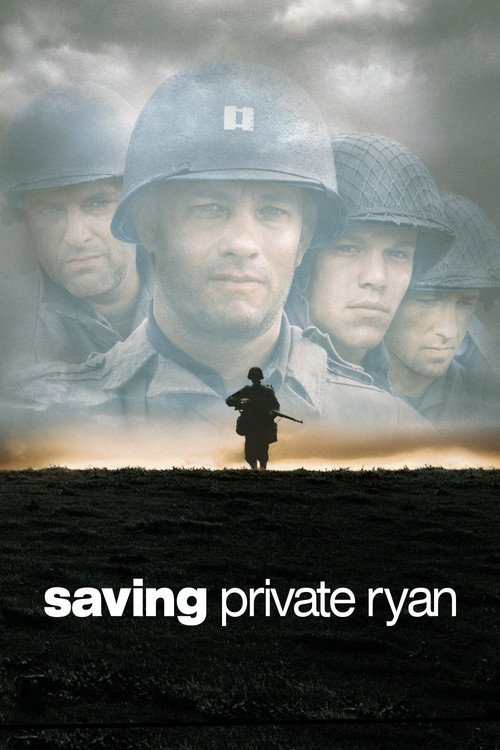
Saving Private Ryan1998
Spielberg's D-Day opening is cinema's greatest battle sequence, but what follows is equally strong: small-unit drama and moral ambiguity. Visceral and humane both.
But Its influence has calcified into cliché. You may feel you've absorbed it through the culture already.
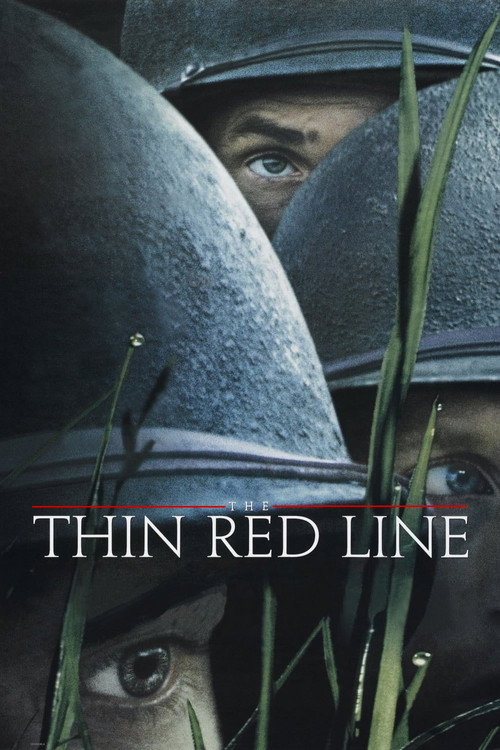
The Thin Red Line1998
Terrence Malick's Guadalcanal film is philosophical poetry about nature, mortality, and what war does to the soul. Gorgeous and strange and utterly unlike any other war film.
But Malick's lyrical narration and fragmented cutting baffle people who want a clear story. It demands patience and surrender.
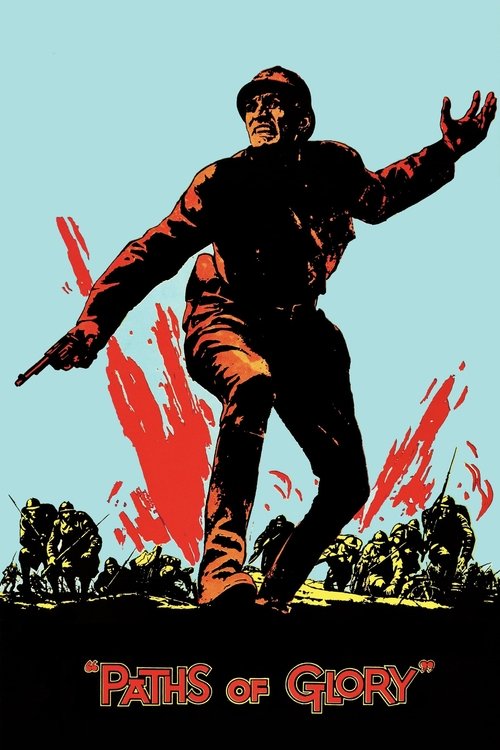
Paths of Glory1957
Kubrick's indictment of military command and the machinery of injustice. Taut, furious, and structurally brilliant. Kirk Douglas is unforgettable.
But The ending is a hammer blow of despair. Some viewers find it cinematically perfect but emotionally exhausting.
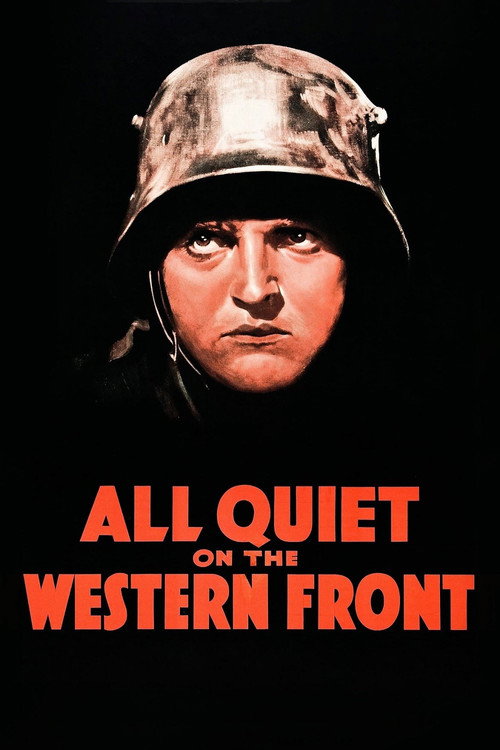
All Quiet on the Western Front1930
The first great anti-war film, still potent nearly a century later. Captures the machinery of attrition and the erasure of youth with quiet, devastating clarity.
But The pacing is glacial by modern standards. Silent or early sound film acting can feel mannered to contemporary viewers.
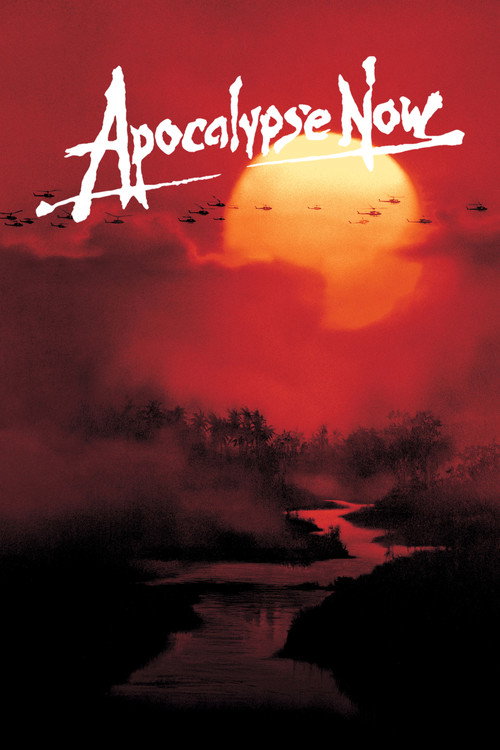
Apocalypse Now1979
Coppola's fever dream of the Vietnam War. Visually overwhelming, cinematically audacious, and unlike anything else. Even if you know it, it still shocks.
But It's self-indulgent and meandering. Some of the acting is theatrical. The production's hubris is visible on screen.
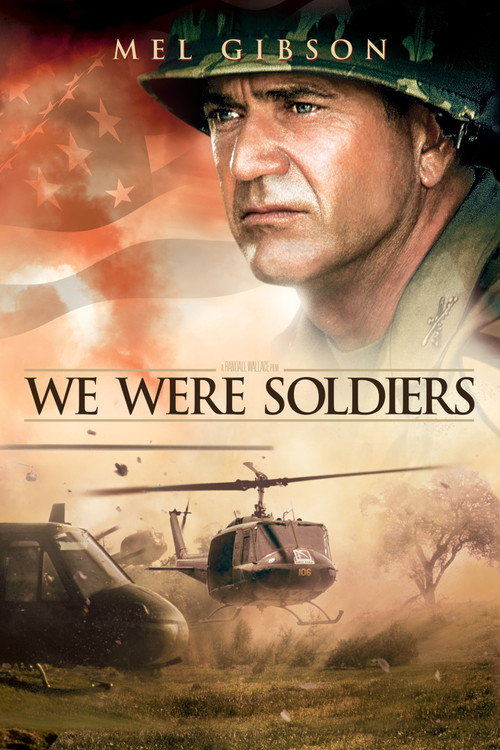
We Were Soldiers2002
Gibson and Hill lead a taut account of the Ia Drang Valley, first major engagement of Vietnam. Respects both sides with clarity and avoids the psychedelia of Apocalypse Now.
But It's straightforward where other Vietnam films are experimental. Some find that earnestness limiting.
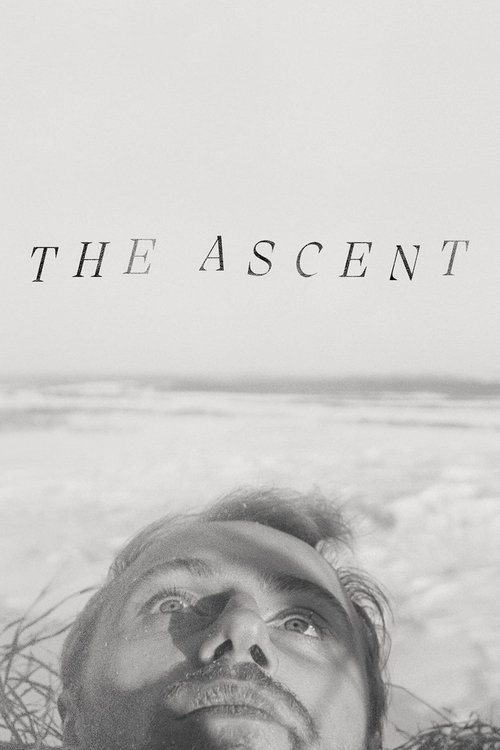
The Ascent1977
Both are wartime films made in black-and-white that privilege the texture of endurance over narrative thrust, but Shepitko uses landscape and mysticism where Battleground uses immediacy and dirt.
Larisa Shepitko's Soviet film about two partisans trekking through snow toward execution. Shot in gorgeous black-and-white, it's spiritual and metaphysical where Battleground is earthbound, but equally austere and searching.
But It's slow, symbolic, and meditative. The suffering is internal as much as external. Requires genuine patience and contemplation.
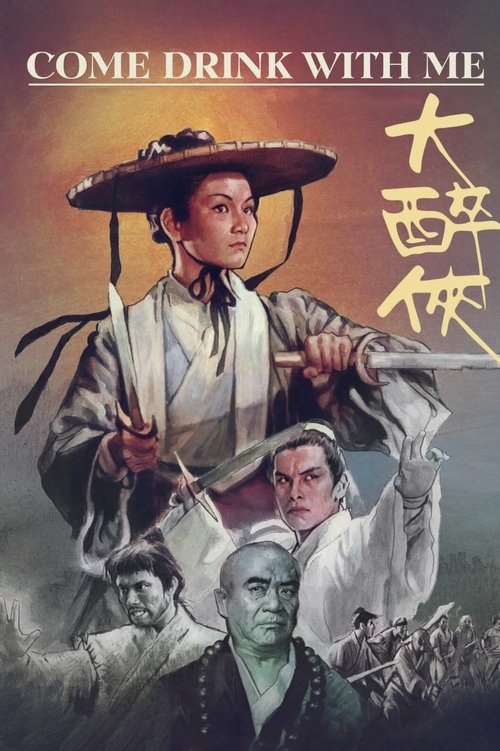
Come Drink with Me1966
The grammar of combat is identical: reconnaissance, positioning, sudden eruption, regrouping. Both films trust silence and build toward violence through disciplined observation rather than maneuvering.
King Hu's Chinese martial arts film—completely different genre, but structurally a masterpiece of waiting, tension, small units moving through terrain, and sudden violence. The patience and precision rival any war film.
But It's a wuxia film from 1966 Hong Kong. The aesthetics and pacing won't feel like anything you expect. Subtitles required.
People
Cast
 Van JohnsonHolley
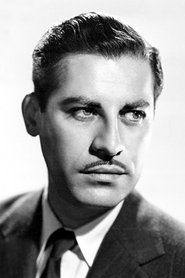 John HodiakJarvess
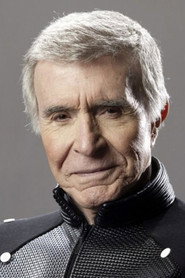 Ricardo MontalbanRoderigues
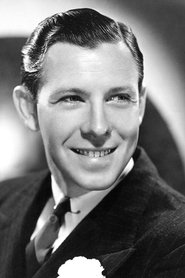 George Murphy'Pop' Stazak
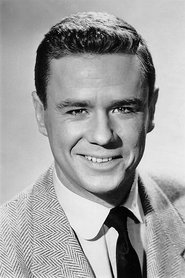 Marshall ThompsonJim Layton
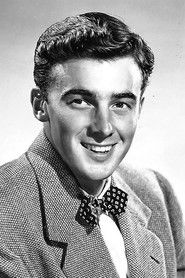 Jerome CourtlandAbner Spudler
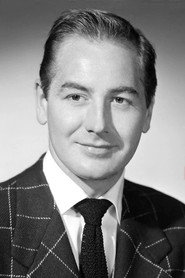 Don TaylorStandiferd
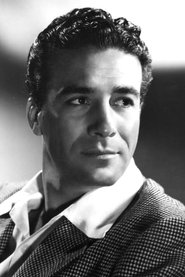 Bruce CowlingWolowicz
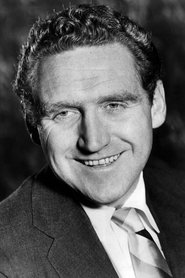 James WhitmoreKinnie
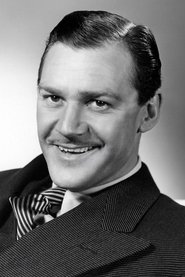 Douglas Fowley'Kipp' Kippton
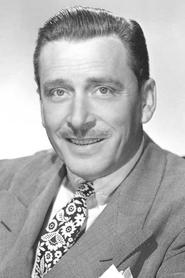 Leon AmesThe Chaplain
 Herbert AndersonHansan
Directing
- William A. WellmanDirector
Writing
- Robert PiroshScreenplay
- Robert PiroshStory
Production
- Dore ScharyProducer
- Robert PiroshProducer
Recommended by
Sahara, The Fighting Sullivans, The Skin, The True Glory, Fixed Bayonets!, The Tanks Are Coming, The Young Lions, Das Boot, Go for Broke!, The Red Ball Express, Halls of Montezuma