
Film
The True Glory
A 1945 documentary assembled from footage shot by 1,400 cameramen across the Allied invasion of Europe. It's vivid, urgent, and felt—you're watching the war as it happened, narrated by men who were there. Essential viewing for anyone wanting to understand what D-Day and the liberation of Europe actually looked like.
Should you watch it?
Watch it if you want the war seen from the ground up, through raw wartime footage stitched into one sweeping account of the march from Normandy to Berlin, with the crackle of real combat rather than reenactment.
Skip it if you need a modern historian's perspective, a single protagonist, or dramatized scenes; the narration is stentorian and the 1945 propaganda framing shows its age throughout.
What it asks of you: It runs about an hour and a half and rewards steady attention, since it moves briskly across campaigns and rarely lingers on any one soldier or moment.
Not sure? Find tonight's pick in a minute.
If you liked this
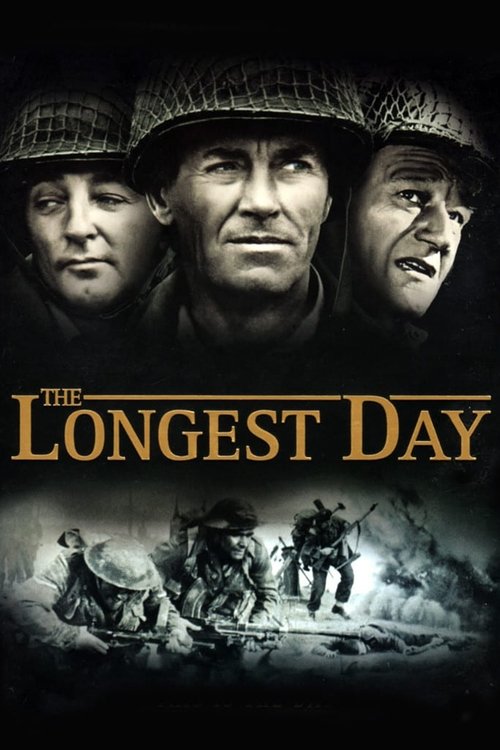
The Longest Day1962
A narrative recreation of D-Day from multiple perspectives, built on meticulous research and featuring actual military figures. It feels like the dramatic companion piece to *The True Glory*.
But Nearly three and a half hours long, with an ensemble cast so large that no single story dominates. The scope can feel overwhelming.
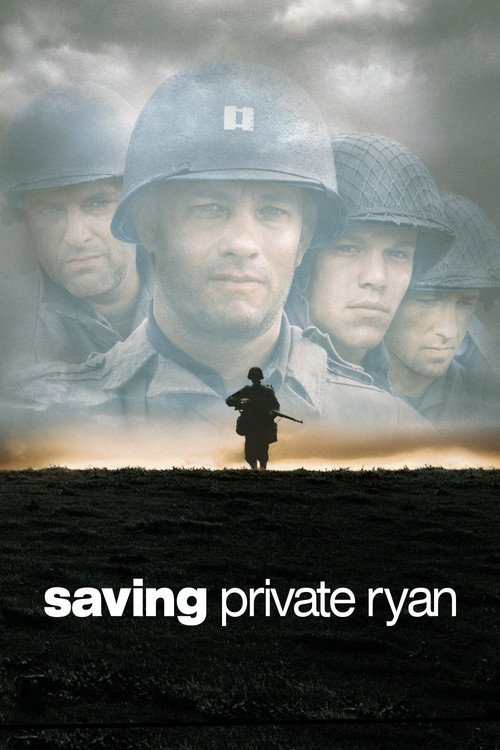
Saving Private Ryan1998
Opens with a visceral, nearly wordless 25-minute depiction of Omaha Beach that captures the sensory chaos of invasion. It's what *The True Glory*'s footage makes you feel.
But The combat sequences are intentionally brutal and disorienting. If you're watching for strategy or narrative arc, you'll be frustrated by how much this prioritizes experience over explanation.
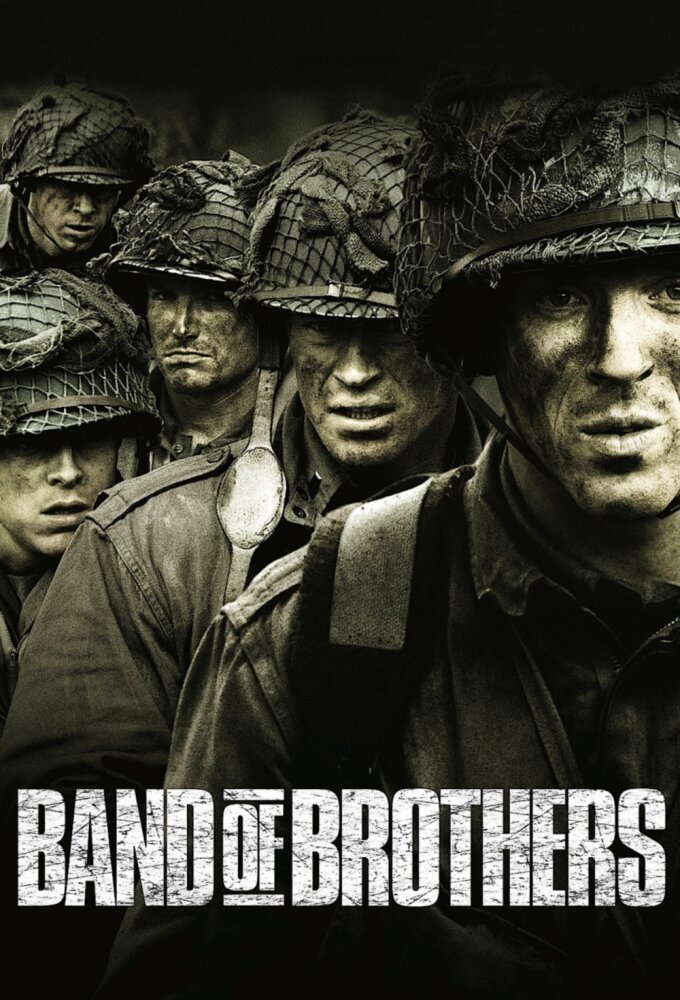
Band of Brothers2001
Follows one company of soldiers from training through the end of the war in Europe, grounded in real interviews and real photographs. It's the intimate human story that surrounds the grand historical moment.
But Ten hours is a commitment. The early episodes are slower as they establish character before the intensity hits.
Not sure tonight? Get a pick in a minute, starting from The True Glory
The wildcard
Something you would not have found on your own.
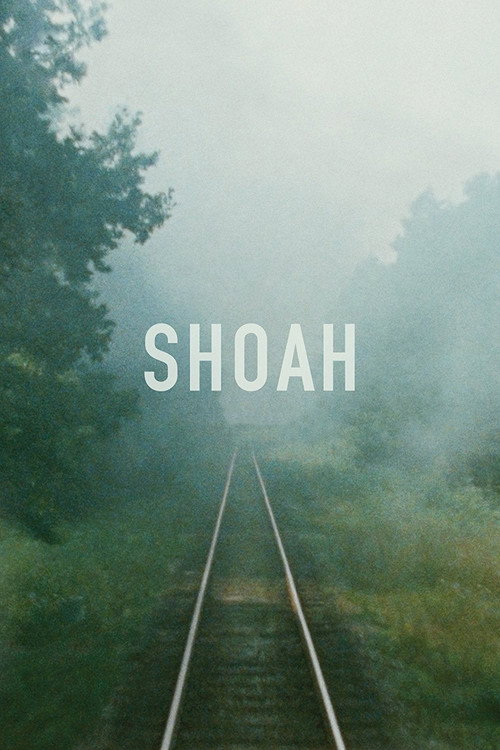
Shoah1985
Where *The True Glory* shows you what the war looked like, *Shoah* shows you what it meant—the moral abyss that newsreel cameras mostly skirted. It's the same history from the side that victory footage turns away from.
A nine-and-a-half-hour documentary entirely made of witness interviews—survivors, perpetrators, bystanders—with almost no archival footage. It forces you to sit with testimony and memory rather than visualize and move on.
But Extraordinarily long, emotionally demanding, and deliberately resistant to cinematic comfort. There is no music, no narration shaping how you should feel. It will exhaust you.
More like this (6)
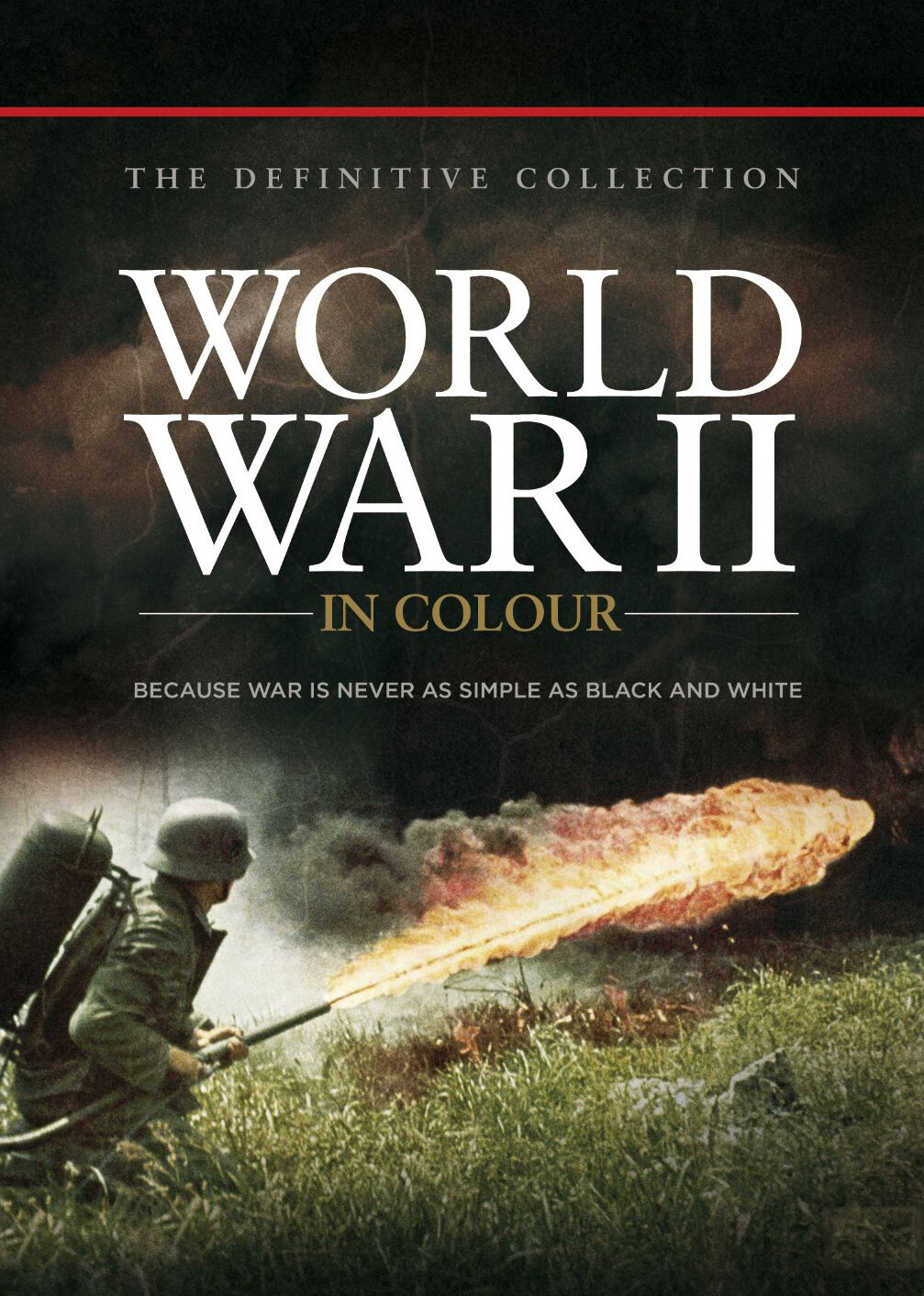
World War II in Colour2009
Restored and colorized documentary footage that makes the war feel immediate in a way black-and-white sometimes doesn't. Gives new life to archival material like *The True Glory*'s.
But Colorization can feel artificial or flatten the original aesthetic. Some prefer the documentary authenticity of the original stock.
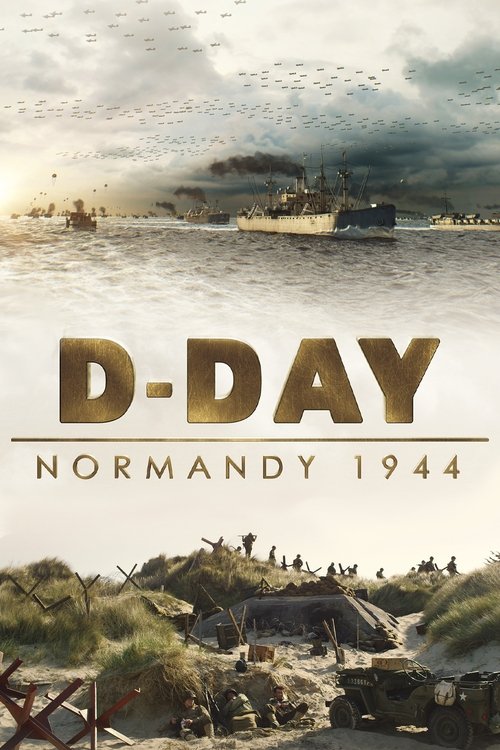
D-Day: Normandy 19442014
A documentary that intersperses original footage with modern-day photography of the same locations, letting you see the landscape as it was and is. Haunting and clarifying.
But Moves slowly, almost meditative. It's not looking for drama—it's looking for understanding, which requires patience.
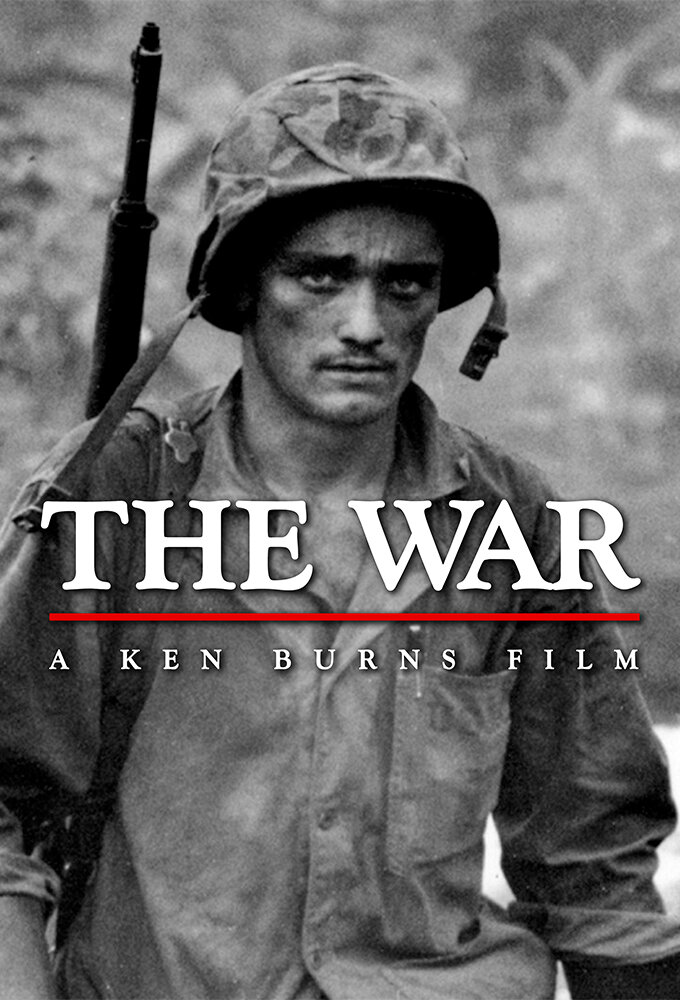
The War2007
Ken Burns' seven-part series weaves together documentary footage, photographs, letters, and interviews to tell the American experience of World War II. Deeply human.
But Burns' style is deliberately unhurried, with long pans across still images. If you need constant motion and action, this will feel slow.
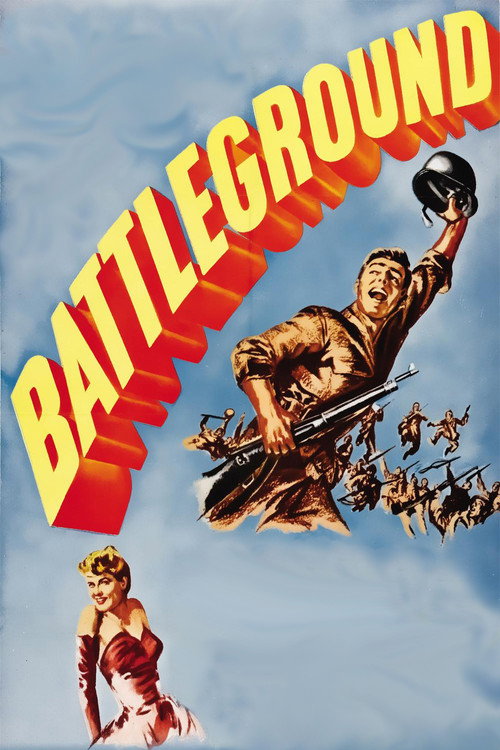
Battleground1949
A dramatized but gritty account of the Battle of the Bulge, made just after the war when memory was fresh and restraint was still possible. Feels closer in spirit to *The True Glory*'s immediacy than later epics.
But It's a black-and-white Hollywood war film from 1949—the acting and dialogue can feel theatrical by modern standards.
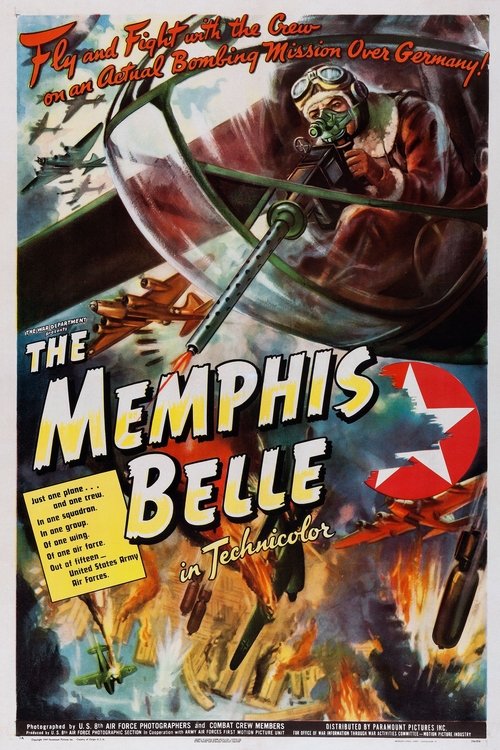
The Memphis Belle1944
A 43-minute documentary following a bomber crew on a mission, made during the war itself by William Wyler. Pure, unromanticized observation of courage and fear.
But Very short, focused on air war rather than ground operations. If you want the full picture of the European campaign, this is one piece of it.
Hiroshima Mon Amour1959
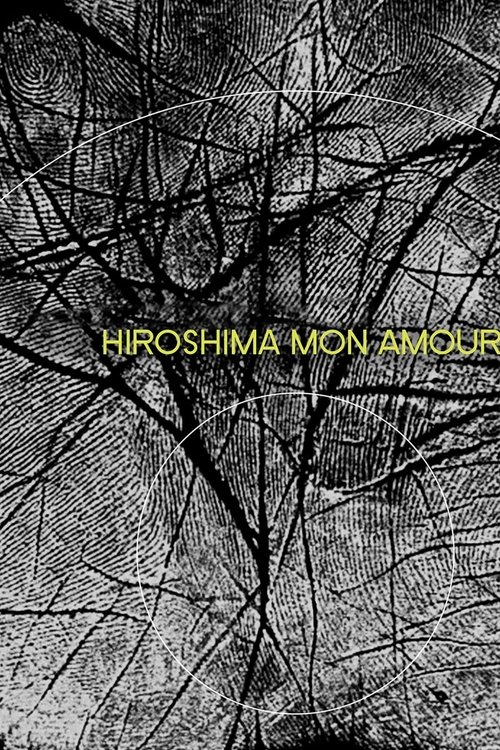
*The True Glory* chronicles Allied victory; *Hiroshima Mon Amour* asks what that victory cost and what we do with the knowledge. It's the war's second act, the one that comes after the cameras stop rolling.
A French-Japanese love story where the shadow of atomic destruction frames every moment. It's a narrative film, not documentary, but it's thinking about the same war in its aftermath—how we live with what we've done.
But Avant-garde, fragmented structure. Uses repetition and poetry rather than plot. If you want linear storytelling, this will seem like pretentious abstraction.
People
Cast
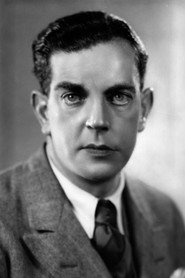 Leslie BanksCommentator
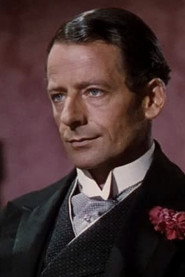 Robert HarrisCommentator
 Sam LeveneCommentator
 Peter UstinovCommentator
 George S. PattonSelf (archive footage)
 Richard AttenboroughCommentator
Directing
- Carol ReedDirector
- Garson KaninDirector
Writing
- Paddy ChayefskyWriter