
Film
The Volunteer
- Comedy
- Light-hearted
A 1944 propaganda film that follows an ordinary theatre dresser who enlists in the Fleet Air Arm and becomes a war hero. Narrated by Ralph Richardson with cameos from Laurence Olivier and Anna Neagle, it's a modest, earnest piece of wartime morale-boosting that trades in genuine heroism and the quiet dignity of ordinary people stepping up. Best watched as a historical artifact of how Britain sold itself to itself during the war.
If you liked this
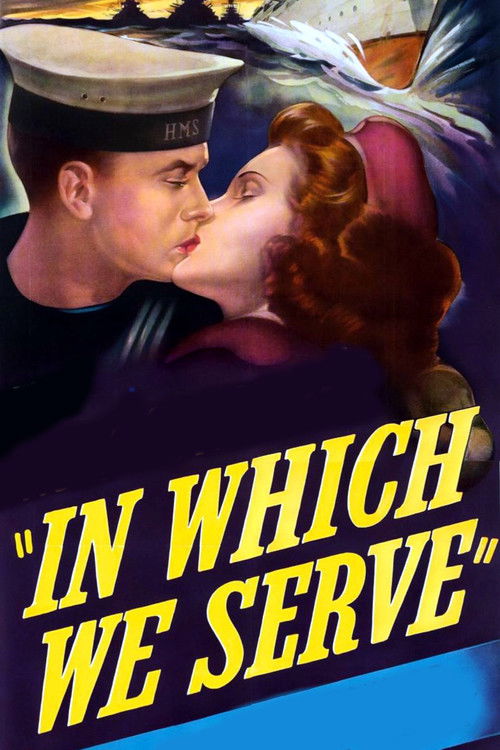
In Which We Serve1942
Noël Coward's hymn to the Royal Navy, made during the war itself. It has the same propagandistic sincerity as *The Volunteer*, but with Coward's wit and a genuine narrative momentum that carries you through its 115 minutes.
But The patriotic messaging is laid on very thick, and the emotional beats feel engineered rather than earned. It's also visibly a product of its moment in ways that can feel dated.
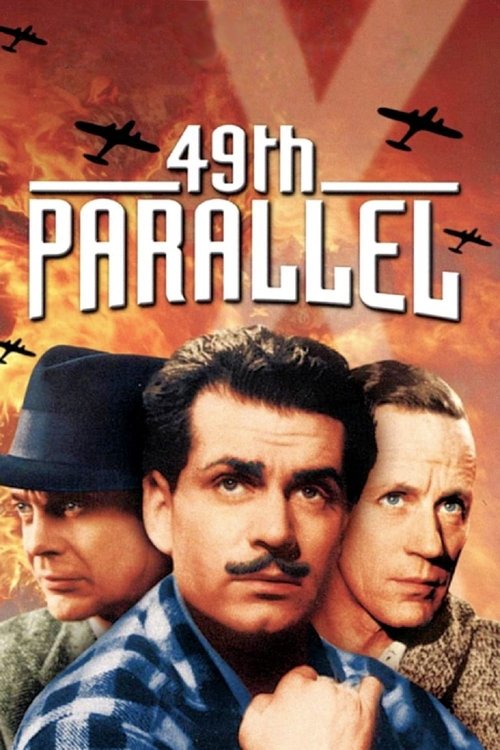
49th Parallel1941
Michael Powell's espionage thriller about a German U-boat crew loose in Canada. It's wartime propaganda that actually works as entertainment—tense, beautifully shot, and built on a genuinely clever premise that unfolds across a huge landscape.
But The anti-Nazi rhetoric is sometimes blunt, and some of the Canadian-ness feels a bit condescending. It's also nearly two hours, which is a commitment for a film from this era.
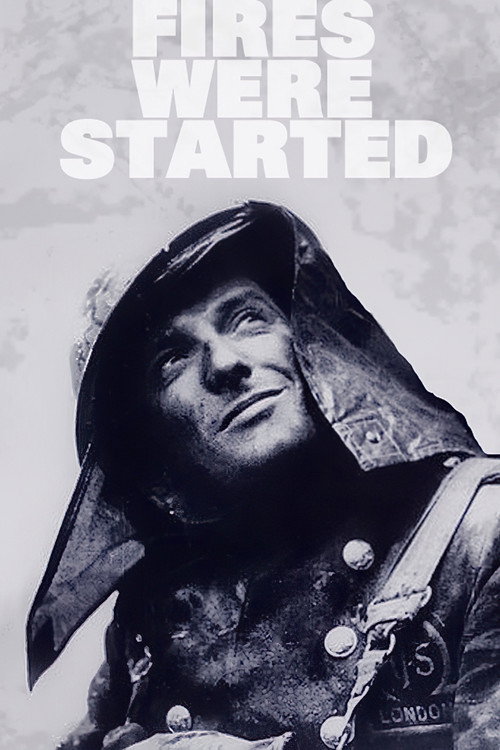
Fires Were Started1943
Humphrey Jennings's documentary-style portrait of London firemen during the Blitz. It finds poetry in ordinary courage and the camaraderie of working men under pressure—the same engine as *The Volunteer*, but infinitely more moving and visually alive.
But It's genuinely sad and sometimes grueling to watch. There's no plot to carry you, just observation and mood. That slowness will lose people who want a conventional story.
Not sure tonight? Get a pick in a minute, starting from The Volunteer
The wildcard
Something you would not have found on your own.
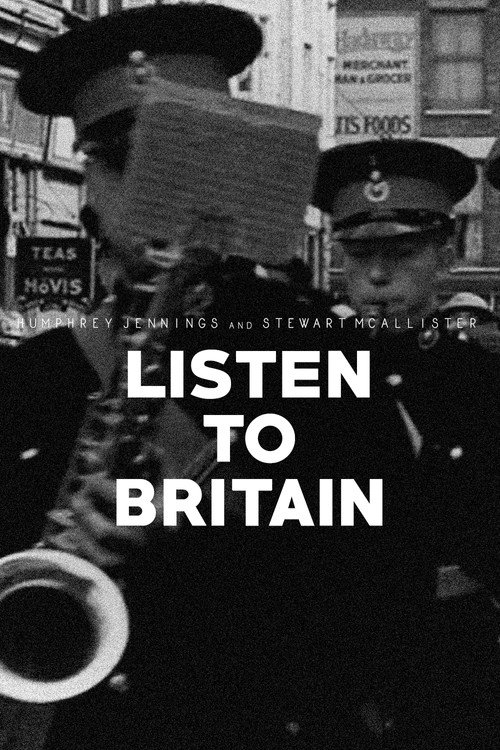
Listen to Britain1942
Both are British wartime propaganda made within a year of each other, but *Listen to Britain* abandoned the narrative frame entirely and trusted the audience to feel the emotion without being told what to feel.
Humphrey Jennings's 20-minute essay film—no narration, no plot, just images and sounds of Britain at war. It finds the music in ordinary life and creates something hypnotic and genuinely moving. It's the essence of what wartime cinema was trying to do, distilled and perfected.
But There is literally nothing happening. If you need a story or conventional documentary structure, this will feel like watching nothing for twenty minutes. It requires active listening and patience.
More like this (8)
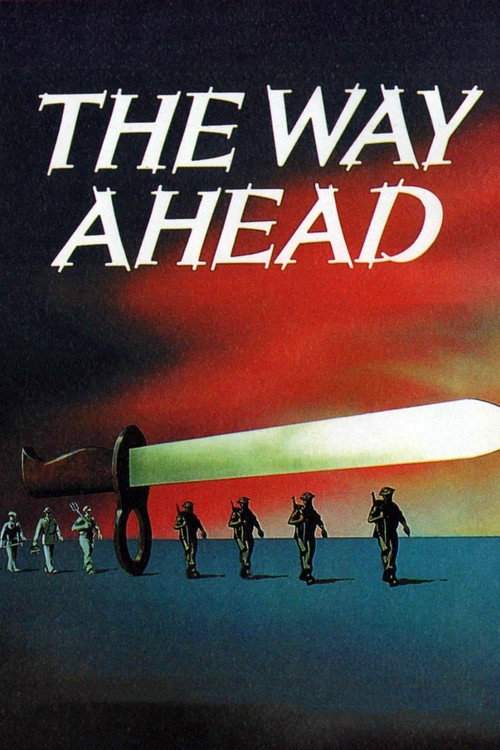
The Way Ahead1944
Carol Reed's film about British soldiers training for combat, starring David Niven and Stanley Holloway. It has *The Volunteer*'s interest in the ordinary man becoming a soldier, but with much sharper writing and a real ensemble warmth that makes you care about these men.
But It's essentially a training montage stretched to feature length. If you don't care about the gradual bonding of a military unit, there's not much else holding you.
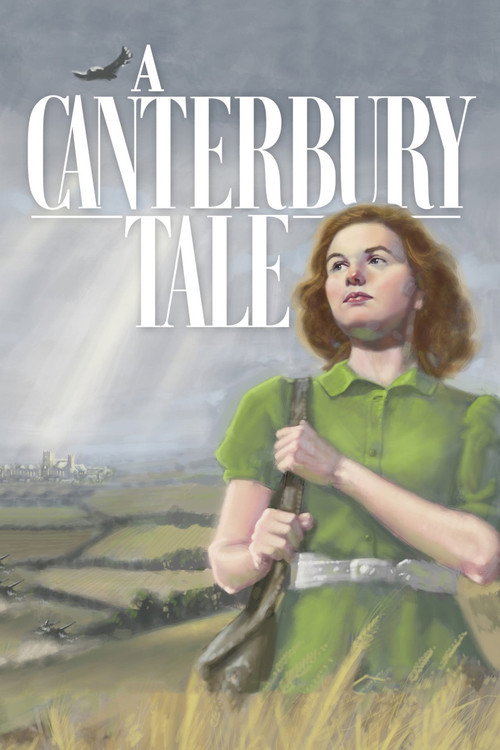
A Canterbury Tale1944
Powell and Pressburger made this in the same year as *The Volunteer*—a pastoral mystery about soldiers and civilians meeting in wartime Kent. It's strange, beautiful, and genuinely moving in its belief that ordinary Britain is worth fighting for.
But It's peculiar and deliberately slow. The plot doesn't quite resolve in any conventional sense. Some viewers find it precious or overly earnest.
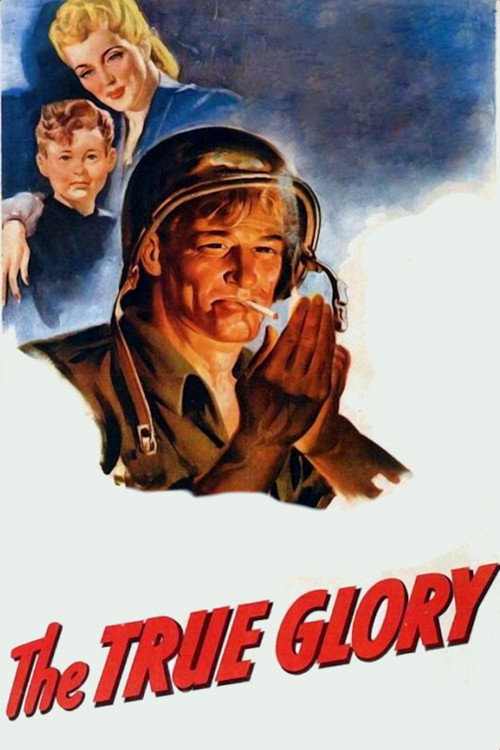
The True Glory1945
Carol Reed and Garson Kanin's documentary about the Normandy invasion and the march to Germany. It's newsreel footage and dramatization combined, capturing the sheer scale and human cost of the actual war that *The Volunteer* only gestures toward.
But War documentary footage includes real casualties and dead. The mixture of documentary and dramatization can feel tonally unstable. It's also nearly three hours.
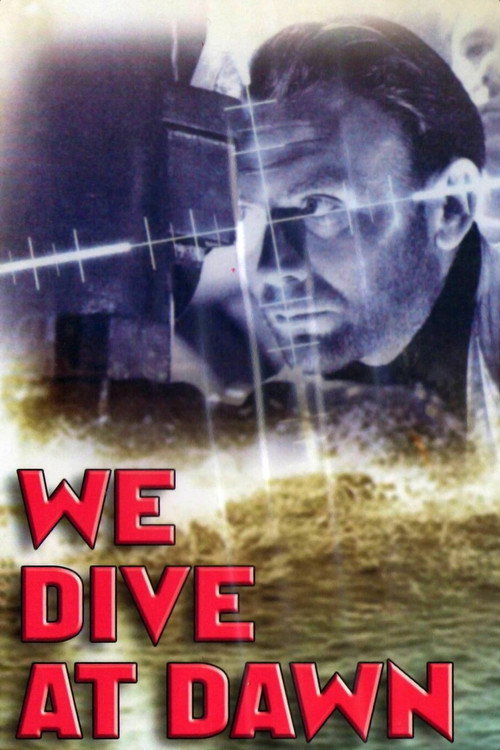
We Dive at Dawn1943
A submarine war film that focuses on the crew's relationships and morale as much as tactical action. It shares *The Volunteer*'s interest in how men become soldiers, but with better pacing and genuine technical detail that makes you understand the work.
But The action sequences are infrequent and sometimes stagy by modern standards. The dialogue is very stiff and proper at times. It feels quite slow if you're expecting constant tension.
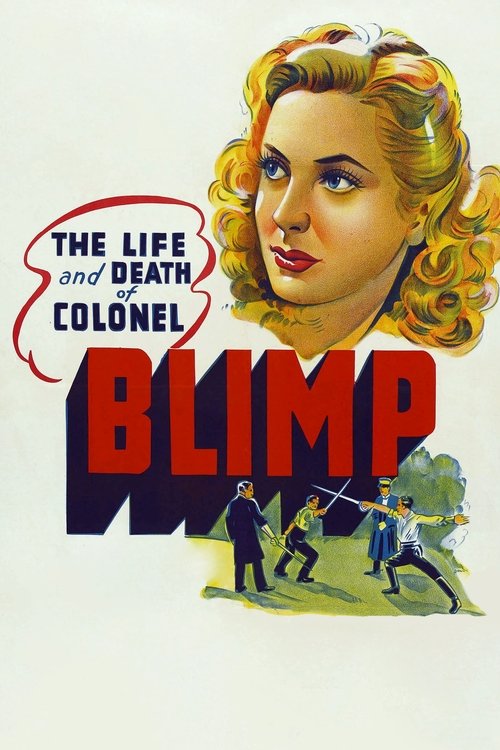
The Life and Death of Colonel Blimp1943
Powell and Pressburger's audacious meditation on British identity, war, and friendship, told across three decades. It's made the same year as *The Volunteer* but operates on a completely different level of ambition and formal invention.
But It's nearly three hours long and requires patience. The film's critique of British attitudes is subtle enough that some viewers miss it entirely. Roger Livesey's performance is odd and won't work for everyone.
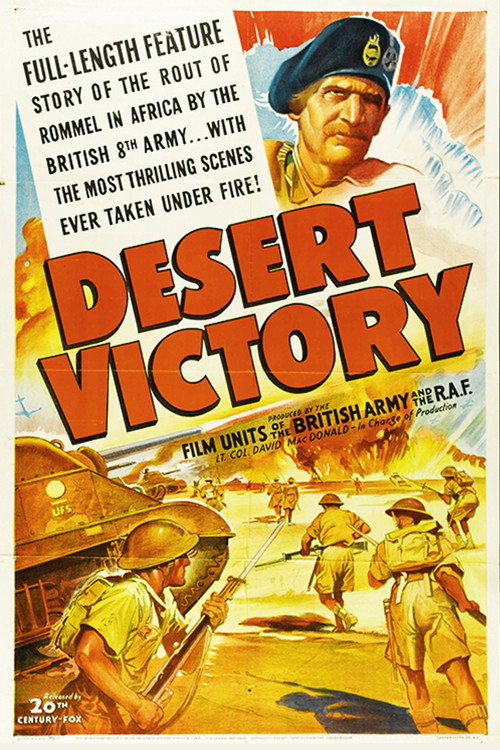
Desert Victory1943
Roy Boulting's documentary about the North African campaign that actually captures what military victory looks like—mud, exhaustion, boredom punctuated by terror. It's real in a way scripted wartime propaganda couldn't quite manage.
But It's a documentary without a conventional narrative. Extended sequences of soldiers waiting or marching will feel tedious if you want plot. The print quality can vary considerably.
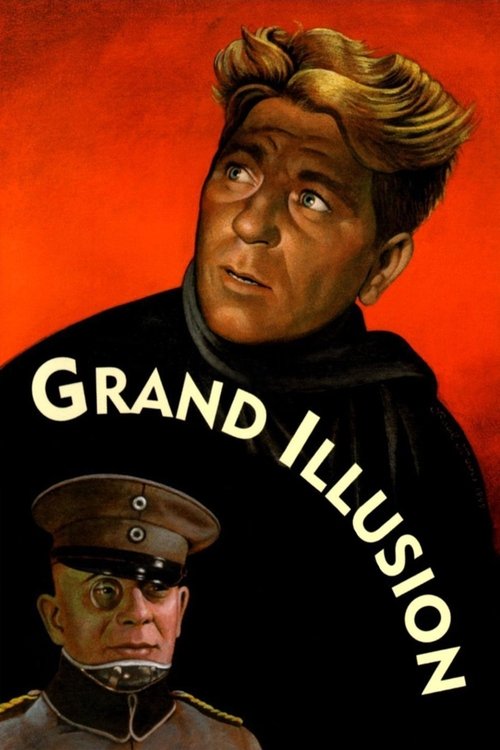
Grand Illusion1937
Where *The Volunteer* tells you that ordinary men become heroes through duty, *La Grande Illusion* quietly suggests that the real heroism is in maintaining your humanity and friendship when the machinery of war wants to grind you into something useful.
Jean Renoir's masterpiece about French officers in a German POW camp. It's a film about ordinary men caught in war, the bonds they form, and the futility beneath all the heroic rhetoric. Made before the war, it predicted everything about how people actually behave when uniforms are involved.
But It's French, in black and white, and often prints vary in quality. The pacing is deliberate and unhurried. If you want action or conventional drama, you'll find it slow and talky.
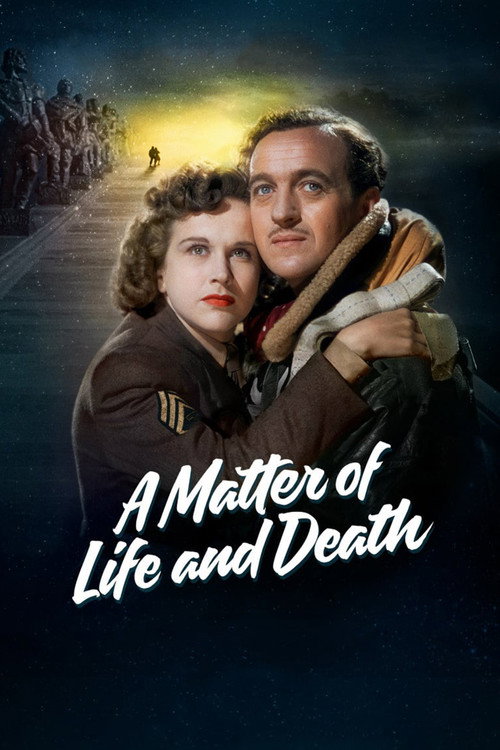
A Matter of Life and Death1946
Both emerge from the same moment when Britain was trying to articulate its values through cinema. *The Volunteer* does it through documentary restraint; this does it through rapturous artifice. Same urgency, opposite languages.
Powell and Pressburger's rapturous fantasia about a RAF pilot who falls in love and argues for his right to live before a celestial court. It's the opposite register from *The Volunteer*—lush, audacious, visually intoxicating—but it's asking the same question: what are ordinary people worth?
But It's in Technicolor and wildly stylized. The logic is dream logic, not narrative logic. If you find whimsy in serious contexts unbearable, or if you want realism, this will drive you mad.
People
Cast
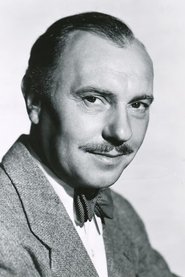 Ralph RichardsonSelf - Narrator
- Pat McGrathFred Davey
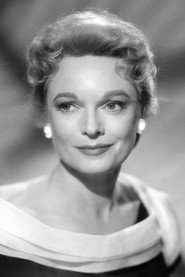 Anna NeagleSelf
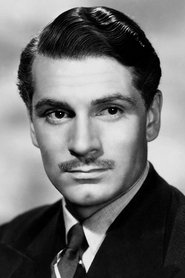 Laurence OlivierSelf
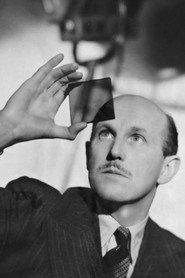 Michael PowellSelf
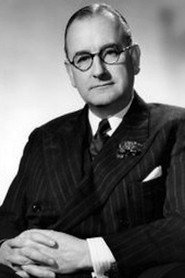 Herbert WilcoxSelf
- Tommy WoodrooffeSelf
Directing
- Emeric PressburgerDirector
- Michael PowellDirector
Writing
- Emeric PressburgerWriter
- Michael PowellWriter
Production
- Emeric PressburgerProducer
- Michael PowellProducer
- Sydney StreeterProduction Supervisor