
Film
Desert Victory
Desert Victory is a 1943 wartime documentary that reconstructs the Allied campaign across North Africa, focusing heavily on the pivotal Battle of El Alamein. It combines archive footage with dramatic re-enactments to create an immediated sense of the conflict's scale and stakes. Made while the war was still being fought, it's propoganda crafted with real craft—urgent, confident, designed to bolster morale at home.
Should you watch it?
Watch it if you want the war itself as it was filmed, with real footage of tanks, sand and generals' faces, and you are happy to be shown a campaign rather than told a story about people.
Skip it if you need characters to follow or a story that moves; this is a 1943 wartime record, mostly staged and narrated, with a propaganda tone that shows its age.
What it asks of you: Sixty minutes of steady, narrated report-style footage with little pause, asking you to take in military operations and maps-in-motion more than personal drama.
Not sure? Find tonight's pick in a minute.
If you liked this
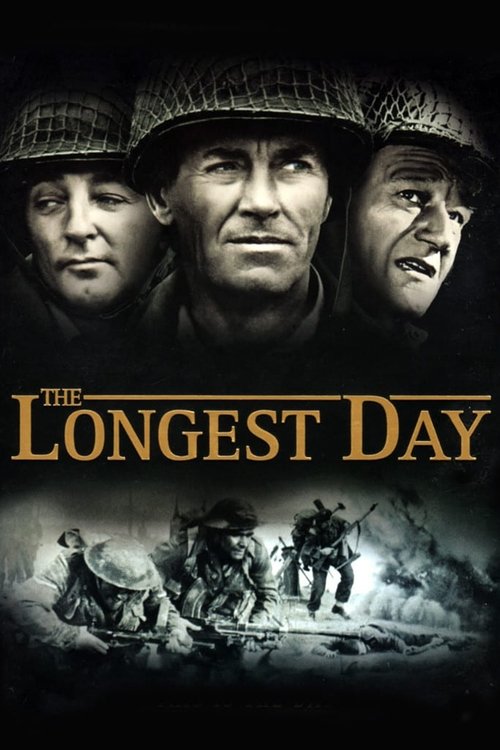
The Longest Day1962
An epic reconstruction of D-Day that does for Normandy what Desert Victory did for El Alamein: combines real footage with grand-scale re-enactment to show how a massive coordinated operation actually unfolds. Similar ambition, similar attempt to make strategy visible.
But Nearly three and a half hours, and the sheer number of characters and viewpoints can feel overwhelming. The pacing is deliberate rather than dramatic.
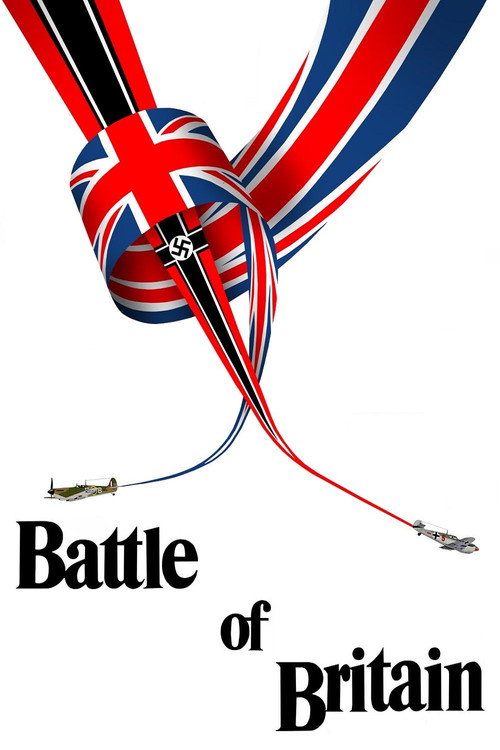
Battle of Britain1969
Another wartime reconstruction from the same era of filmmaking, with comparable scale and technical ambition. Uses real combat footage interwoven with dramatised sequences to show air warfare's chaos and heroism. Same DNA as Desert Victory.
But The dialogue-heavy British upper-crust scenes can feel dated and stiff. Some of the aerial sequences are less convincing than others.
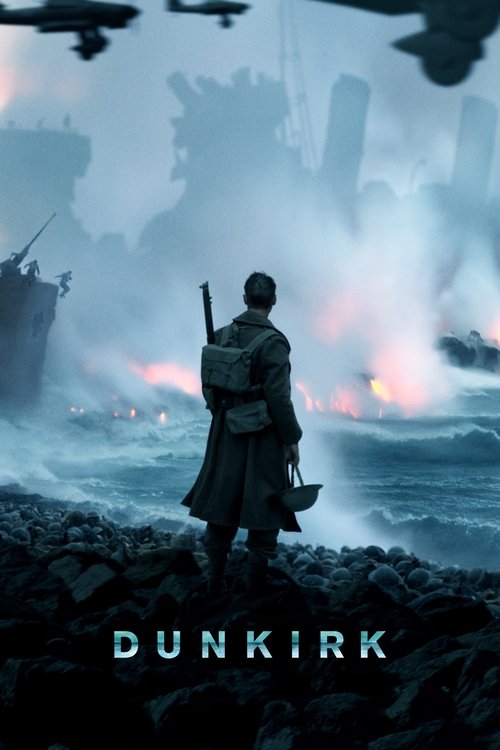
Dunkirk2017
A modern interpretation of how to film large-scale WWII events with immediate, visceral impact. Nolan's approach is radically different but shares the goal: make historical strategy and sacrifice feel real and urgent to a contemporary audience.
But Deliberately fragmented timeline and subjective sound design will frustrate anyone wanting straightforward narrative clarity. Can feel emotionally cold.
Not sure tonight? Get a pick in a minute, starting from Desert Victory
The wildcard
Something you would not have found on your own.
Night and Fog1956
Both films grapple with how to represent atrocity and military scale through the grammar of cinema itself, asking whether documentary footage is ever enough to convey what actually happened.
Alain Resnais' revolutionary 24-minute essay film about the Holocaust uses colour archive footage, still photographs, and contemporary camp footage to confront the gap between documentary evidence and emotional comprehension. Proves that documentary doesn't need scale to have crushing power.
But Deliberately fragmented and oblique. The refusal to provide conventional narrative or explanation can feel evasive if you're expecting clarity and closure.
More like this (7)
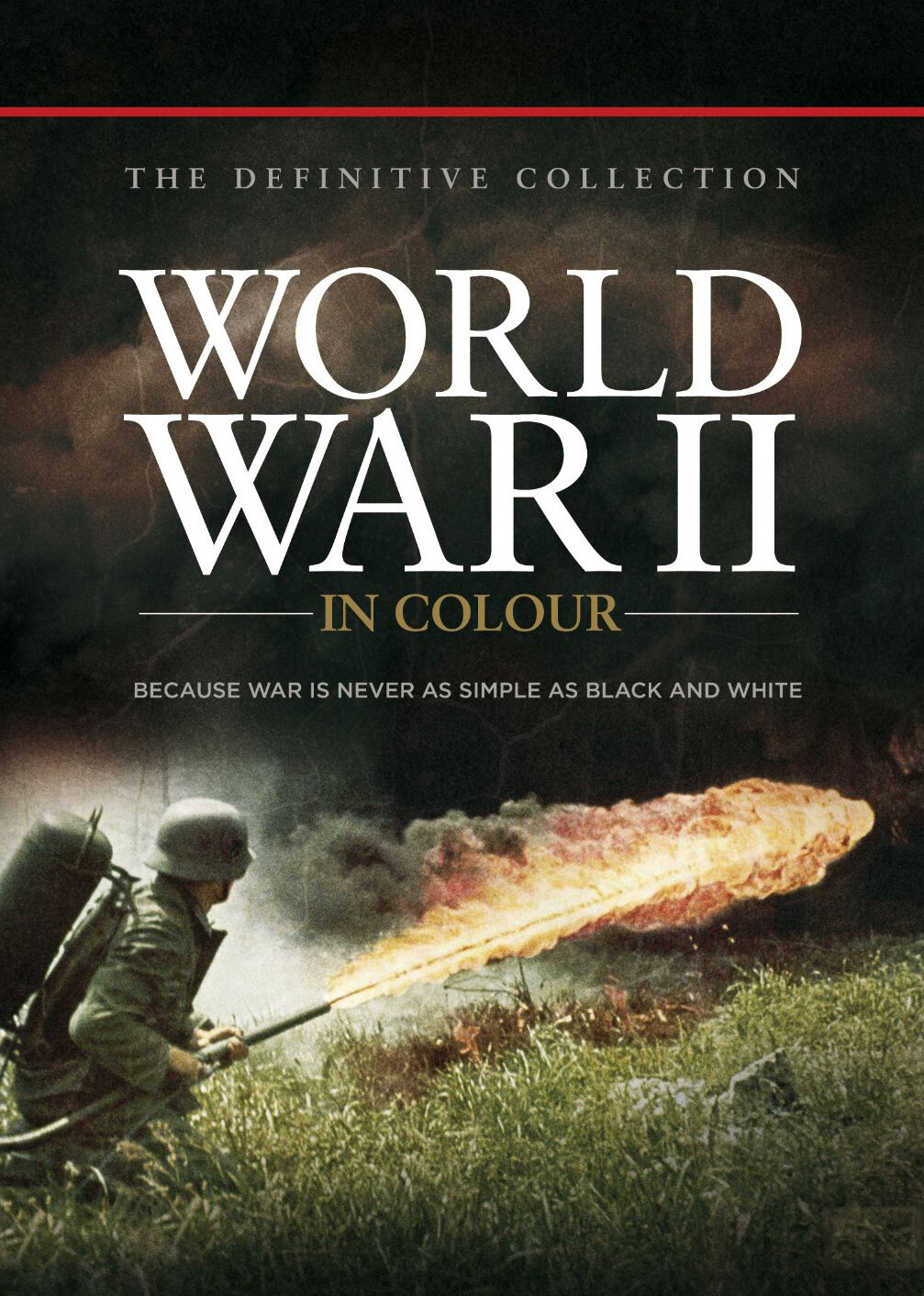
World War II in Colour2009
Uses colorized archive footage and careful editorial work to reconstruct the war's major campaigns. More recent, more polished than Desert Victory, but working from the same primary sources and asking the same questions about how to show what happened.
But Colorization choices are sometimes questionable and can feel artificial. Typical documentary pacing means long stretches of exposition.
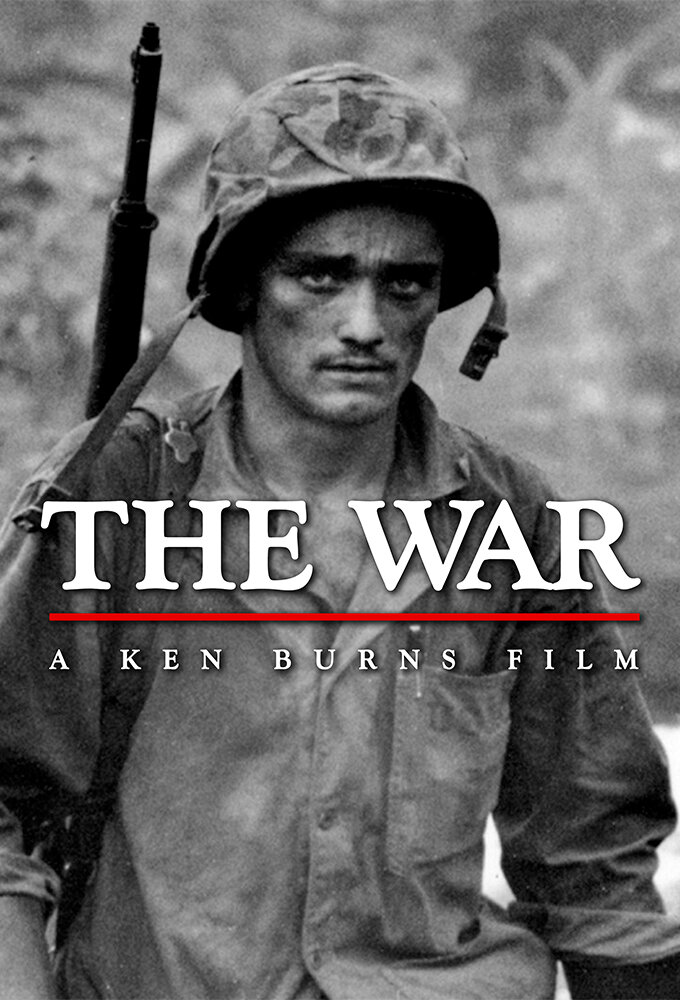
The War2007
Ken Burns' intimate, multi-part examination of WWII through American eyes. Different approach—more oral history, more personal—but the same archival sophistication and commitment to understanding large events through careful research and assembly.
But Very long and very slow. If you want action rather than reflection, this will test your patience severely.
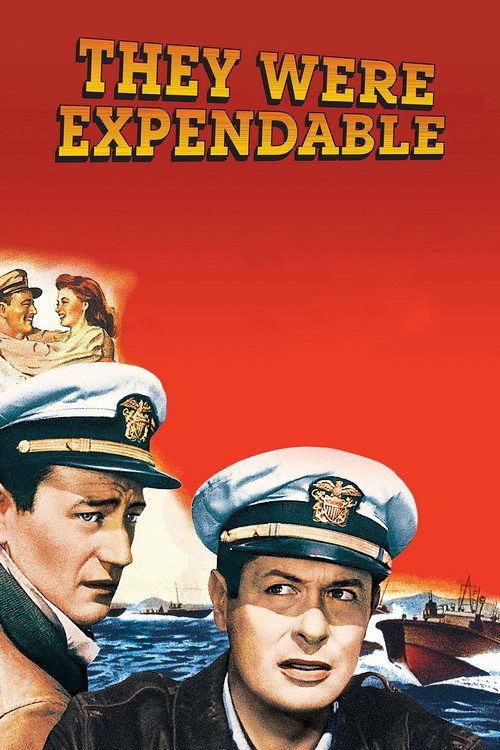
They Were Expendable1945
Made during the war by John Ford, it dramatises naval warfare in the Pacific with the same wartime immediacy and propagandistic intent as Desert Victory. Ford's handling of military procedure and sacrifice carries real weight.
But The romance subplot feels obligatory and undercooked. Some scenes drag, and the theatrical approach to drama hasn't always aged gracefully.
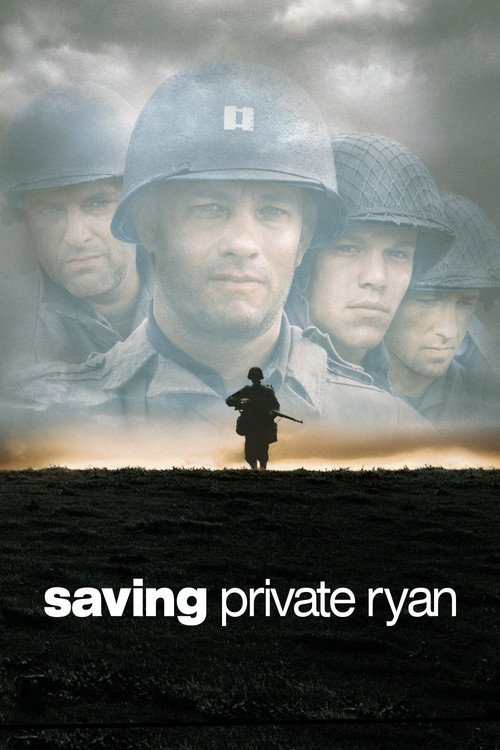
Saving Private Ryan1998
The famous opening thirty minutes revolutionised how film depicts combat confusion and horror. Not a documentary, but it's made from the same impulse—to show what actually happened rather than what Hollywood had always imagined.
But The second half descends into fairly conventional war movie plotting. Some find the graphic violence gratuitous rather than purposeful.
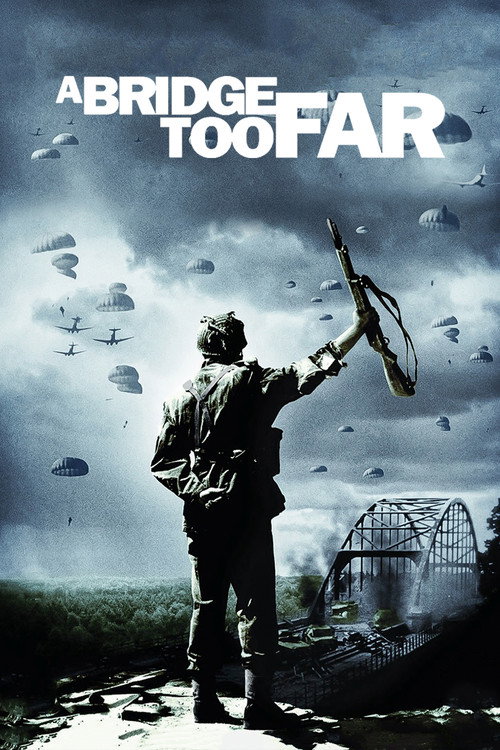
A Bridge Too Far1977
Another ensemble military reconstruction that attempts to show a complex historical operation from multiple angles. All-star cast, impressive scope, serious engagement with actual events and their consequences.
But Nearly three hours and quite talkative about military planning. Some sequences feel more like briefing room exposition than drama.
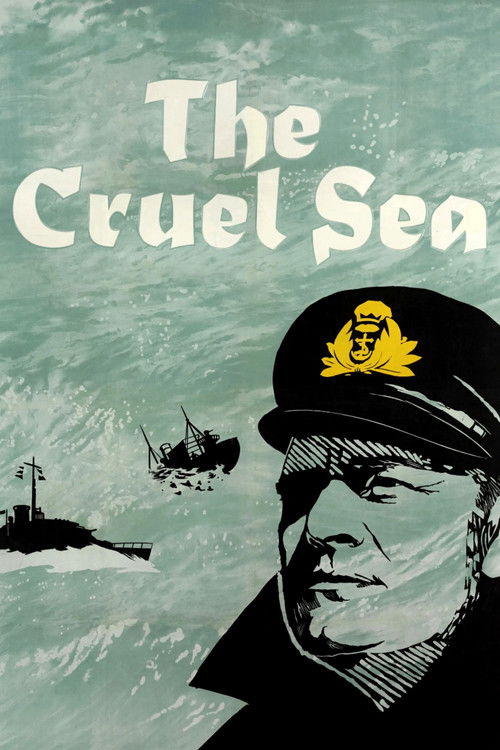
The Cruel Sea1953
Both prioritise accuracy of procedure and the wearing reality of military operations over cinematic drama. Both honour the unglamorous truth of how war actually feels to those enduring it.
Based on Nicholas Monsarrat's novel, it follows a British warship across five years of Atlantic duty. Not a grand battle film but a grinding, procedural account of naval warfare's exhaustion and small heroisms. Authenticity of detail and emotional fatigue over spectacle.
But Slow, methodical, and often monotonous. If you want action sequences and clear dramatic arcs, this will bore you.
Come and See1985
Desert Victory documents a victorious campaign from command perspective. Come and See shows the same war from ground level, asking what victory actually means to those who survive it. They are inverse documents of the same historical moment.
A Belarusian film about a boy conscripted into the Soviet army during WWII. Where Desert Victory is a confident, state-sanctioned narrative, this is a nightmarish personal descent into the war's actual human cost. Visionary, devastating, unforgettable.
But Absolutely brutal. Unwavering in its refusal to soften or offer relief. One of the most difficult films ever made—not entertainment, an ordeal.

People
Cast
- Harold AlexanderSelf (archive footage)
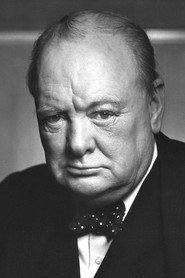 Winston ChurchillSelf (archive footage)
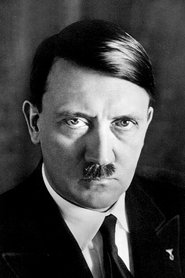 Adolf HitlerSelf (archive footage)
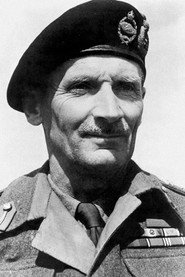 Bernard L. MontgomerySelf (archive footage)
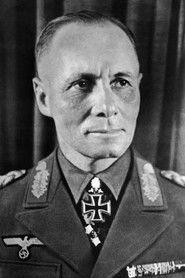 Erwin RommelSelf (archive footage)
- Claude AuchinleckSelf (archive footage) (uncredited)
- Alan BrookeSelf (archive footage) (uncredited)
- Alan CunninghamSelf (archive footage) (uncredited)
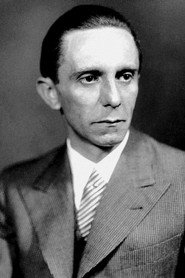 Joseph GoebbelsSelf (archive footage) (uncredited)
- Henry HarwoodSelf (archive footage) (uncredited)
- J.L. HodsonNarrator (voice) (uncredited)
- Arthur TedderSelf (archive footage) (uncredited)
Directing
- David MacDonaldDirector
- Roy BoultingDirector
Writing
- J.L. HodsonWriter
Production
- David MacDonaldProducer
Recommended by
The Lion Has Wings, The True Story of Lili Marlene, Target for Tonight, Sundown, The Volunteer, Jedda