
Television series
World War II in Colour
A visually restored account of World War II told through colourised archival footage and modern techniques. Meticulous attention to historical accuracy brings the conflict into vivid clarity—tanks, uniforms, landscapes, and human faces rendered with precision. Perfect for those who've found black-and-white documentaries distant or uninviting, or anyone seeking fresh perspective on well-trodden ground.
Should you watch it?
Watch it if you want to see familiar wartime newsreel and archive given fresh clarity, and you're happy to let a colourised record of real events do the persuading rather than a dramatised story.
Skip it if you already know this war well and find colourisation a distraction from the grainy immediacy of original film, or you want analysis rather than a narrated tour of events.
What it asks of you: Thirteen hour-long episodes of steady, unhurried narration, with a measured pace that rewards sitting through the whole run rather than dipping in and out.
Not sure? Find tonight's pick in a minute.
If you liked this
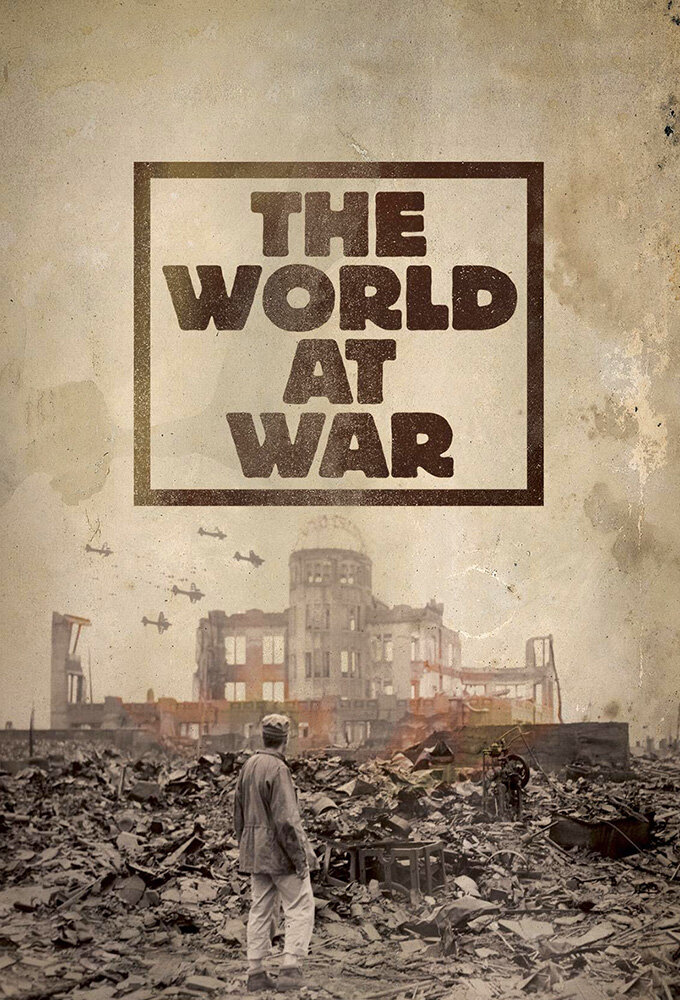
The World at War1973
The gold standard: 26 episodes of devastating comprehensiveness, built on interviews with survivors and commanders. Slow, serious, and absolutely essential. This is the template against which all others are measured.
But Black and white throughout, and it moves at a deliberate pace. If you want immediate engagement over depth, you'll find it taxing.
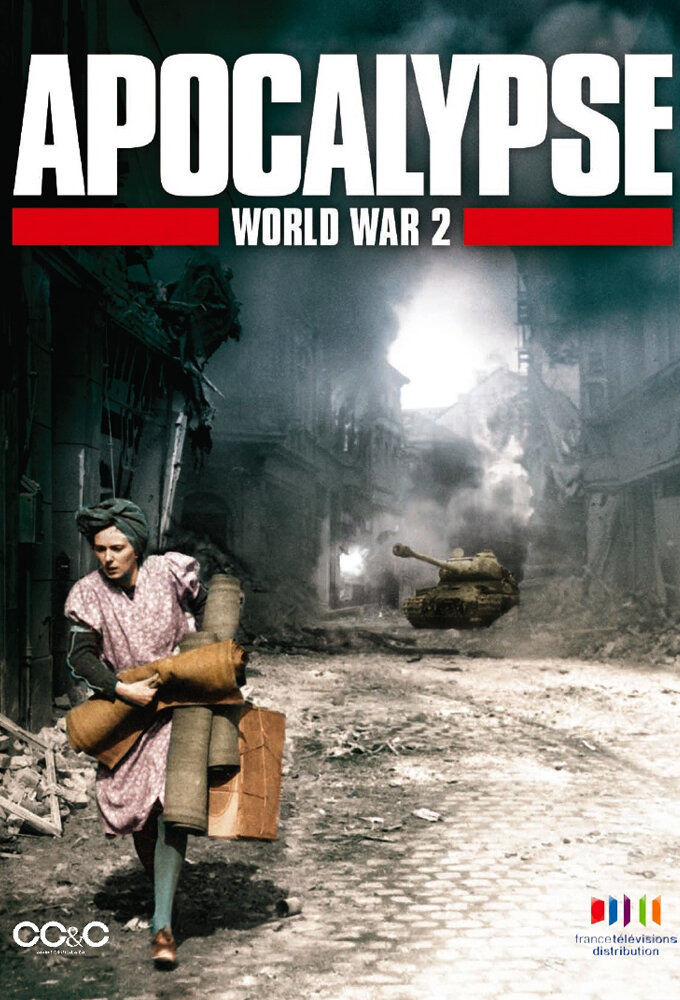
Apocalypse: La 2e Guerre mondiale2009
French production using colourised footage alongside period interviews. Six episodes cover the entire war with elegant visual clarity and a European perspective often missing from English-language docs. Beautifully structured.
But The French production sensibility means it prioritises aesthetic and thematic coherence over comprehensive coverage. Some theatres of war get less attention than others.
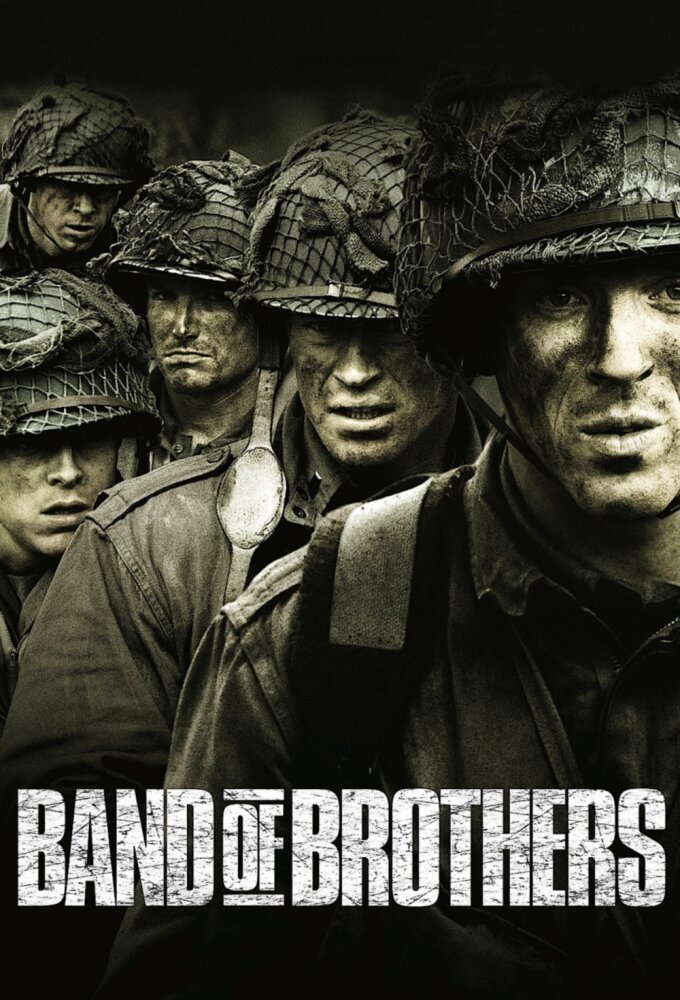
Band of Brothers2001
Spielberg and Hanks' ten-part narrative following one regiment from training to victory. Dramatised but meticulously researched, it finds the human story in the historical sweep. Gripping and genuinely moving.
But It's dramatisation, not documentary. Some will want pure archive and testimony rather than reconstructed scenes.
Not sure tonight? Get a pick in a minute, starting from World War II in Colour
The wildcard
Something you would not have found on your own.
Night and Fog1956
Both use visual restoration and colour to make distant history visceral and immediate; both force the viewer to see familiar material with fresh eyes and sharper conscience.
Alain Resnais' 32-minute essay moves through Auschwitz in colour and black-and-white, past and present tense. Prose by Jean Cayrol. It is the most profound meditation on genocide ever filmed—a whisper that cuts deeper than any shout.
But Formally experimental and intentionally fragmentary. If you want comprehensive information or chronological clarity, you'll be frustrated. It is art, not instruction.

More like this (5)
The Fog of War2003
Errol Morris interviews Robert McNamara, architect of the Vietnam War and former Secretary of Defense during Kennedy's years. His reflection on WWII decision-making is haunting. A masterclass in documentary interviewing and moral complexity.
But It's not about the war itself—it's about how one intelligent man rationalises mass death. The philosophical weight may feel oblique if you want straight history.
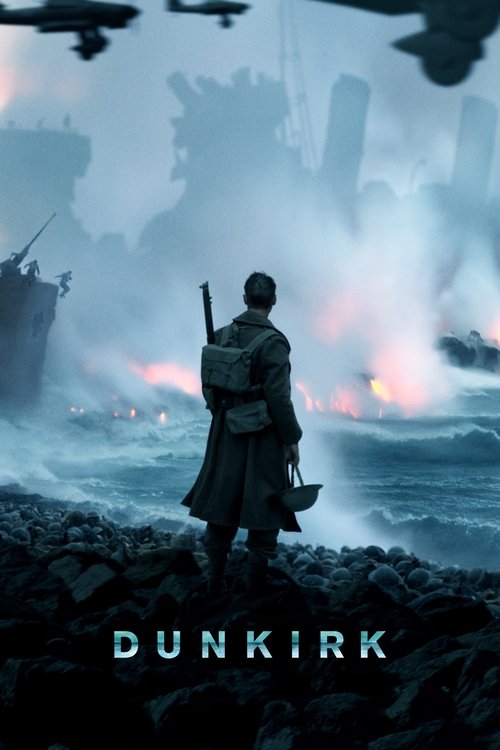
Dunkirk2017
Nolan's 107 minutes collapse the evacuation into pure kinetic anxiety. Three timelines, minimal dialogue, overwhelming sound design. You don't watch this—you survive it. A war film that feels like war.
But Deliberately disorienting. If you want clarity and conventional narrative, this will frustrate you. Also very loud.
Come and See1985
Klimov's Belarusian masterpiece follows a boy conscripted into the Soviet army. Visually stunning and spiritually devastating. Not a history lesson—a wound. One of cinema's greatest anti-war statements.
But Genuinely difficult to watch. Graphic violence, atrocity, and child suffering. This is not entertainment. It is necessary and punishing.

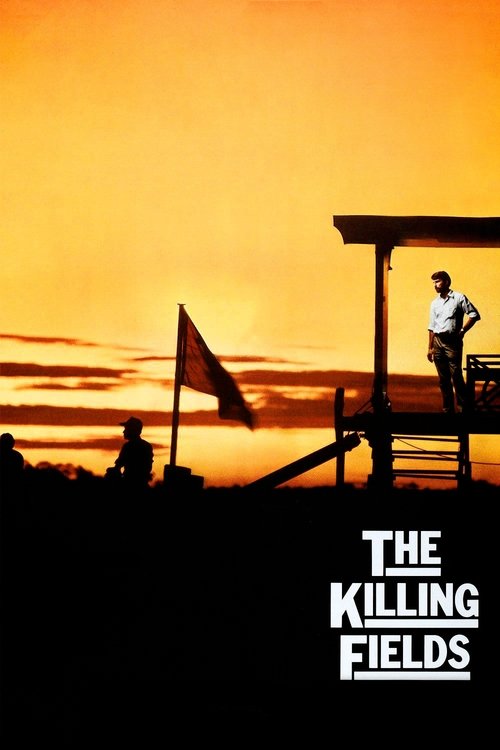
The Killing Fields1984
Schanberg's film about the Cambodian genocide and the journalist who reported it. A sobering reminder that WWII was not the war to end fascism—only the European one. Necessary and haunting.
But It's about Cambodia, 1975-79, not WWII. If you're looking for direct continuation of the previous war's themes rather than its aftermath, this may feel tangential.
Sans Soleil1983
Marker treats documentary footage as poetry rather than reportage. Like World War II in Colour, it revives old images; unlike it, the aim is emotional and philosophical truth, not historical clarity.
Chris Marker's 100-minute essay-film moves from Japan to Guinea-Bissau to Vertigo, assembling fragments of image and voice into meditation on memory, cinema, and time. Includes colour footage of WWII Japan. No plot, only haunting coherence. One of cinema's wonders.
But Deliberately cryptic and associative. It will not explain itself. If you need conventional narrative or clear argument, you will be lost and annoyed.

People
Cast
 Robert PowellNarrator
Recommended by
Desert Victory, The True Glory, Mistral's Daughter, Hunting Hitler