Film
The True Story of Lili Marlene
A Crown Film Unit documentary from 1944 tracing how a German love song became an unlikely anthem for British troops in North Africa. Part historical investigation, part wartime propaganda, it follows 'Lili Marlene' from Weimar composition to desert battlefields where enemies on both sides hummed the same melody. Charming, curious, and oddly moving about how music transcends the machinery of war.
Should you watch it?
Watch it if you are drawn to wartime propaganda as a historical object, and to how a single tune can wander across the front lines and be taken up by soldiers who were supposed to be enemies.
Skip it if you need drama or characters, since this is an official wartime argument pitched at the home audience, and the framing is never subtle.
What it asks of you: Half an hour of brisk, dated documentary movement, following one song across a map; it rewards patience with wartime film conventions rather than immersion.
Not sure? Find tonight's pick in a minute.
If you liked this
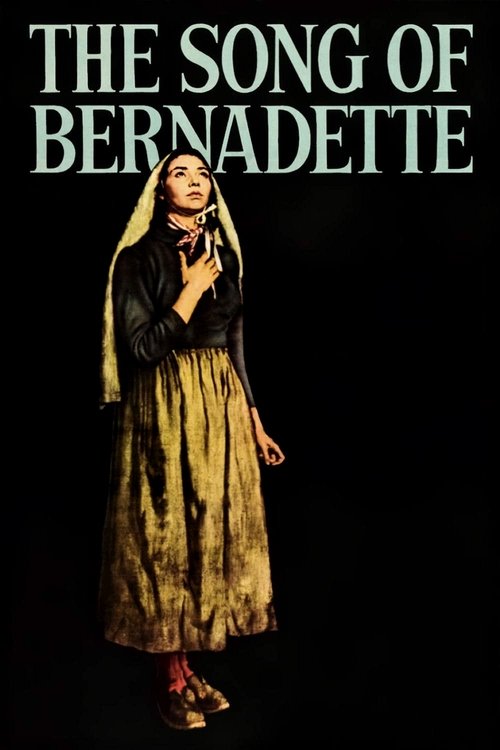
The Song of Bernadette1943
Spiritual wartime drama with luminous cinematography about faith and doubt. If you loved how *Lili Marlene* finds grace in unexpected places, this explores transcendence with similar visual poetry and genuine emotional depth.
But Heavily religious and quite long by 1940s standards. The pacing is deliberate, almost reverent—not everyone's rhythm.
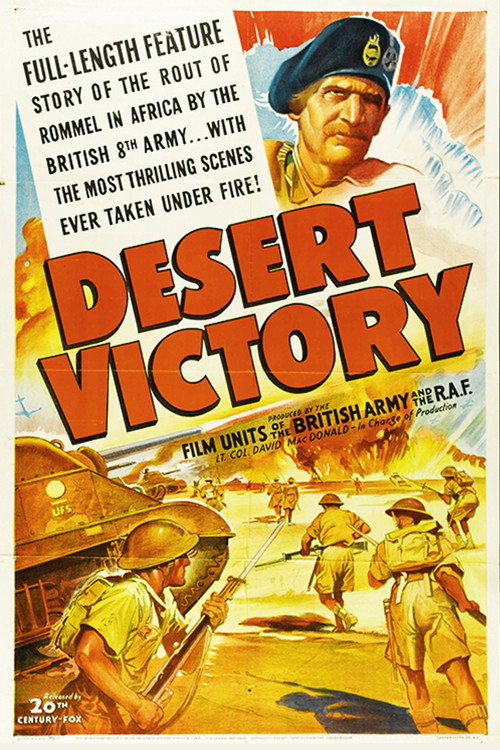
Desert Victory1943
British documentary capturing the actual North African campaign with stunning battlefield footage. Direct context for *Lili Marlene*'s world; you'll see the soldiers and terrain the song animated, told with urgent, visceral clarity.
But Purely documentary, no narrative arc. Gruelling combat footage may be more harrowing than you're prepared for.
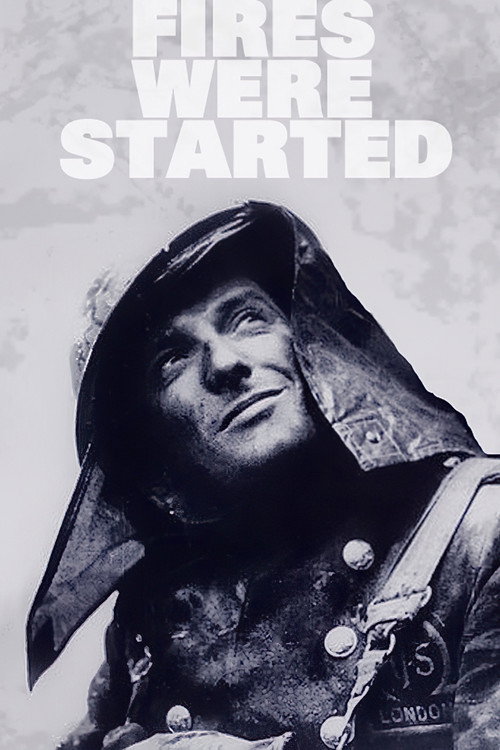
Fires Were Started1943
Crown Film Unit's masterpiece about London firefighters during the Blitz. Same filmmakers, same wartime moment, same gift for finding humanity and solidarity in crisis. Profoundly moving without sentimentality.
But Very British, very understated. If you need drama spelled out, the restraint will feel slow.
Not sure tonight? Get a pick in a minute, starting from The True Story of Lili Marlene
The wildcard
Something you would not have found on your own.
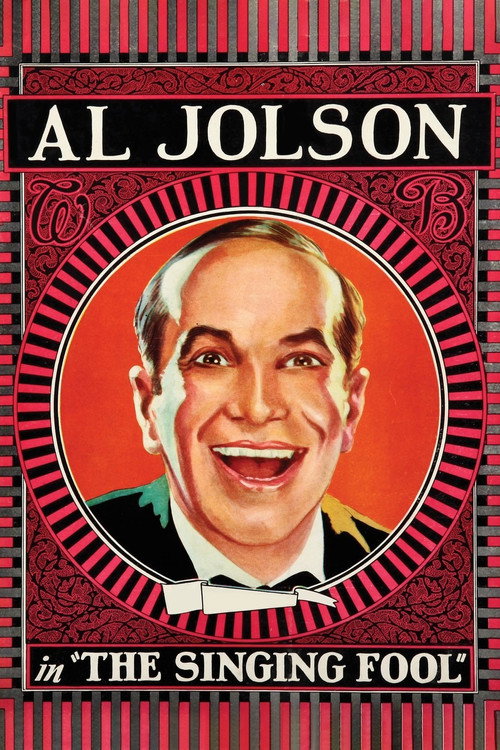
The Singing Fool1928
Both films are about how a single song becomes a historical force and emotional anchor—but *Singing Fool* shows you the manufacturing, the star, the commercial machinery, while *Lili Marlene* shows you what happens when that machinery breaks and soldiers make it their own.
Silent-era melodrama about a vaudeville performer's fall, with early Vitaphone sound sequences of songs that defined a generation. Like *Lili Marlene*, it traces how a song travels and transforms its listeners—but thirty years earlier and from the opposite direction.
But Part silent, part talkie: technically ragged by today's standards. Al Jolson's sentimentality is an acquired taste. Very slow.
More like this (8)
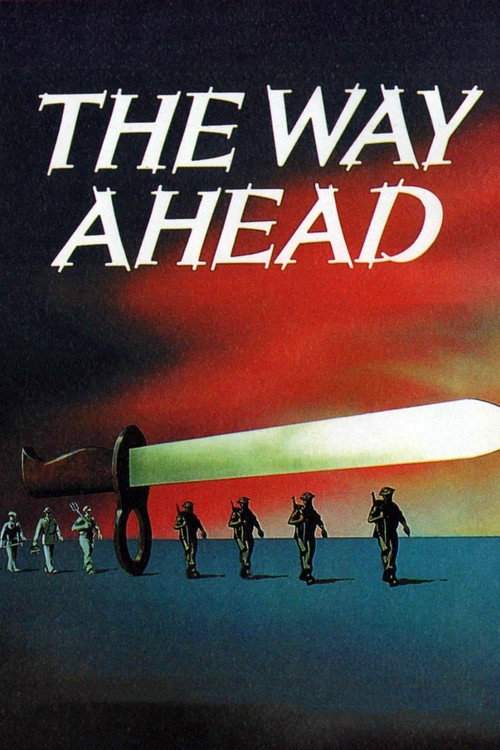
The Way Ahead1944
British Army comedy-drama following conscripts from civilians to soldiers. Captures the same cross-class camaraderie and world-weary humour that made *Lili Marlene*'s soldiers tick. Warm, funny, utterly human.
But Dated slang and attitudes. Some jokes land harder on knowledge of 1944 Britain than universal comedy.
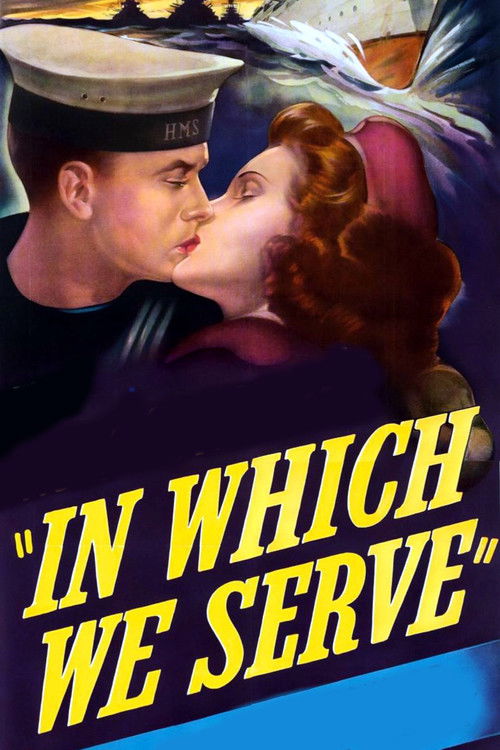
In Which We Serve1942
Noël Coward's naval drama interweaving personal and public sacrifice across different social registers. Similar structure to *Lili Marlene*: history told through intimate human moments, propaganda that actually moves you.
But Upper-class perspective may feel removed from enlisted men's experience. Coward's wit can overshadow the sentiment.
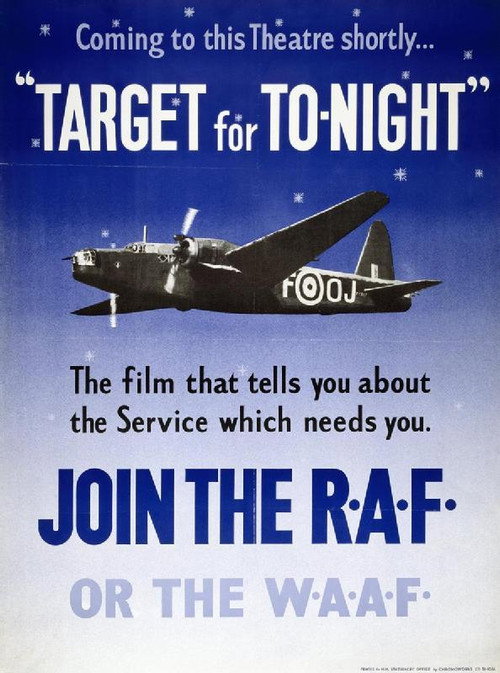
Target for Tonight1941
Crown Film Unit documentary following an RAF bombing raid in real time. Pure wartime cinema: tension, purpose, and genuine uncertainty about outcome. A masterclass in documentary suspense.
But Aerial warfare film made partly as recruitment tool. Some viewers find the propaganda intent unsettling in retrospect.
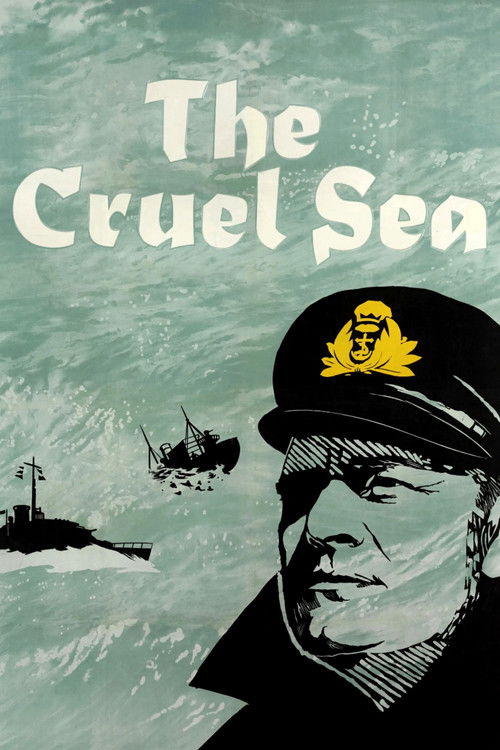
The Cruel Sea1953
Post-war reflection on convoy duty and Atlantic survival. Takes the claustrophobia and interdependence of *Lili Marlene*'s soldiers and stretches it into something epic and psychologically complex.
But Slower, sadder, more pessimistic than you might expect. The passage of time weighs on it.
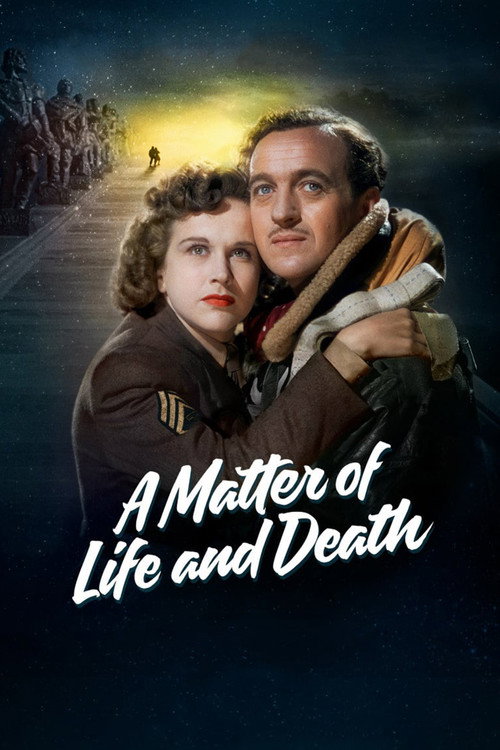
A Matter of Life and Death1946
Powell and Pressburger's ravishing fantasy about a downed pilot and an American radio operator. Same postwar moment, same faith in connection across enemy lines, but surreal and visually intoxicating.
But Whimsical and digressive when you might want narrative momentum. Some find the romance saccharine.
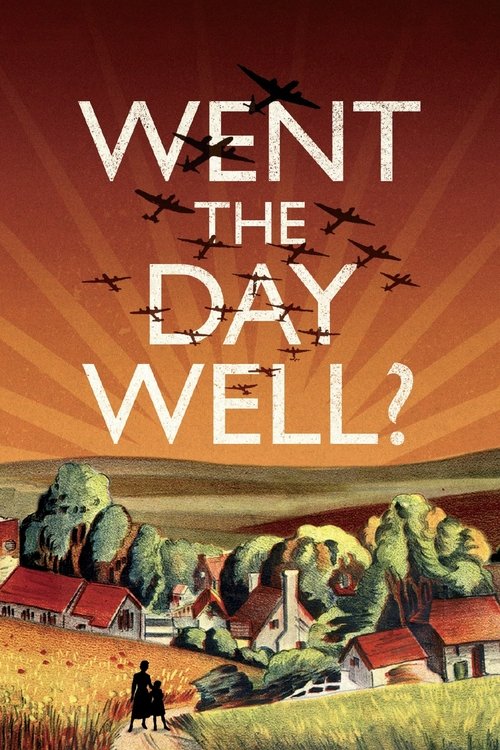
Went the Day Well?1942
British propaganda thriller imagining German invasion of an English village. Expertly made, genuinely tense, and quietly radical about class and belonging—themes *Lili Marlene* touches on in passing.
But Smaller scale than you'd expect from the premise. Village-level drama rather than grand spectacle.
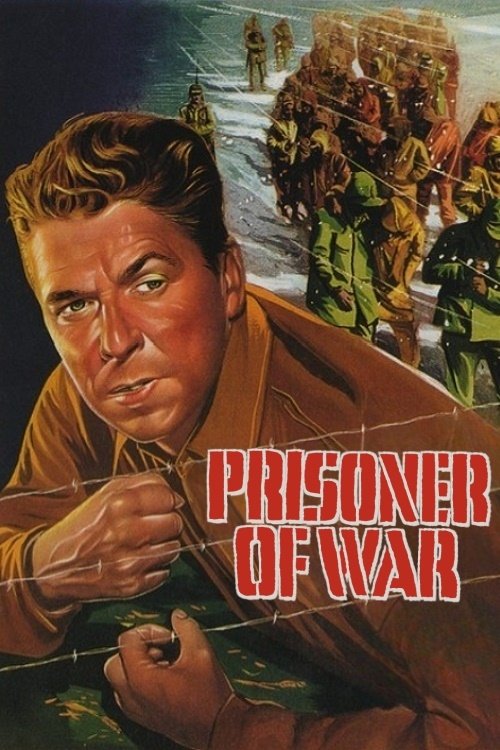
Prisoner of War1954
Both use a shared song to explore how soldiers on opposite sides recognize each other's humanity. *Prisoner of War* darkens what *Lili Marlene* allows itself to celebrate—what happens when that recognition becomes a liability.
Korean War POW drama that interrogates what loyalty means when enemies share language, music, and vulnerability. Structured like *Lili Marlene*—starting with a song and following its aftermath—but inverts it: American soldiers, enemy territory, moral compromise instead of uplift.
But Cold War anxieties make it uncomfortable. The patriotism is complex and sometimes unflattering to both sides. Not a comfort watch.
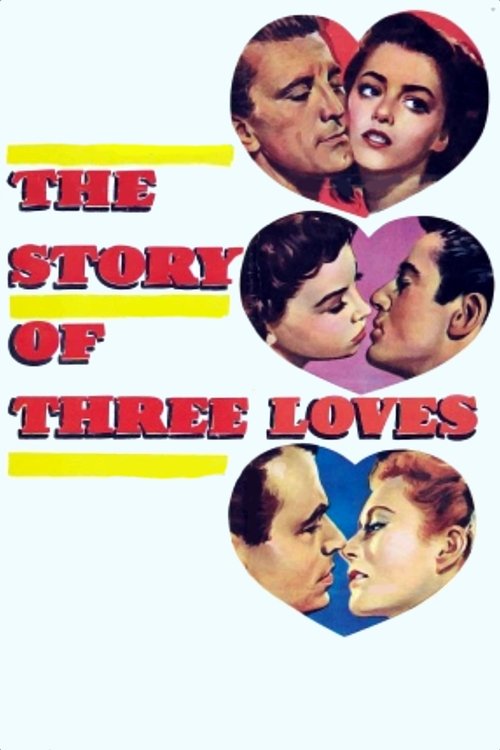
The Story of Three Loves1953
*Lili Marlene* imagines reconciliation and shared culture in wartime. This film shows the actual cost of that war for ordinary people trying to build lives afterward—lovers separated by nationality and circumstance, music as memory rather than anthem.
Three-part omnibus film, each segment a different moral register: romance, ballet, noir. The final segment features Kirk Douglas and Pier Angeli in a tragic postwar love story between American and Italian. Visually gorgeous, structurally adventurous, and genuinely aching about displaced people trying to reconnect across war's wreckage.
But Uneven in tone and quality. The first two segments feel like filler. The finale is slow and melancholic when you might want resolution.