
Film
A Diary for Timothy
A 1945 documentary letter to a newborn child, narrated by Michael Redgrave. Humphrey Jennings captures wartime Britain in its final months—factories, hospitals, concert halls, ordinary people—as a gift of witness. Poetic, intimate, and unexpectedly moving. For anyone who finds beauty in documentary restraint and the texture of lived history.
Should you watch it?
Watch it if you are drawn to wartime documentary built from images, music and a gently reflective voice, where the big picture comes through a single family's small hopes.
Skip it if you want a plot or a clear arc, since this is mood, poetry and observation rather than narrative, and its wartime lyricism can feel mannered.
What it asks of you: Roughly forty minutes of patient, unhurried looking, with the voice doing most of the guiding; it rewards sitting still rather than multitasking.
Not sure? Find tonight's pick in a minute.
If you liked this
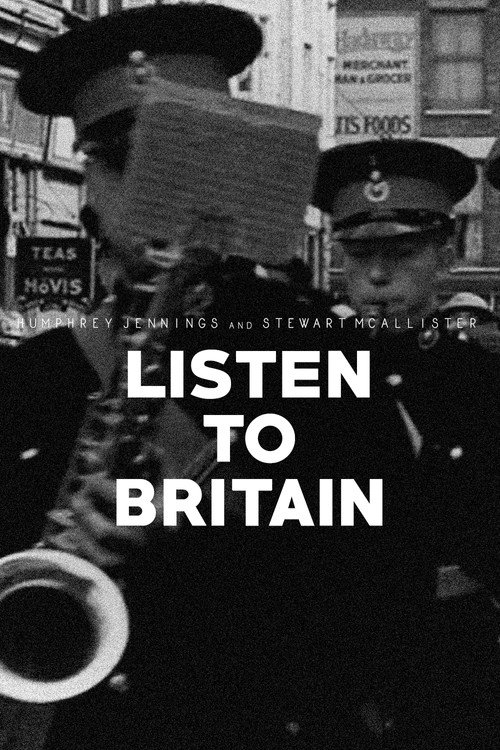
Listen to Britain1942
Humphrey Jennings' silent companion piece: pure sound and image of wartime life, no narration. Twenty minutes of accumulated detail that becomes hypnotic. Essential viewing before or after Diary.
But Silent documentaries can feel slow and overly artistic. This one is, deliberately. It requires patience and active attention.
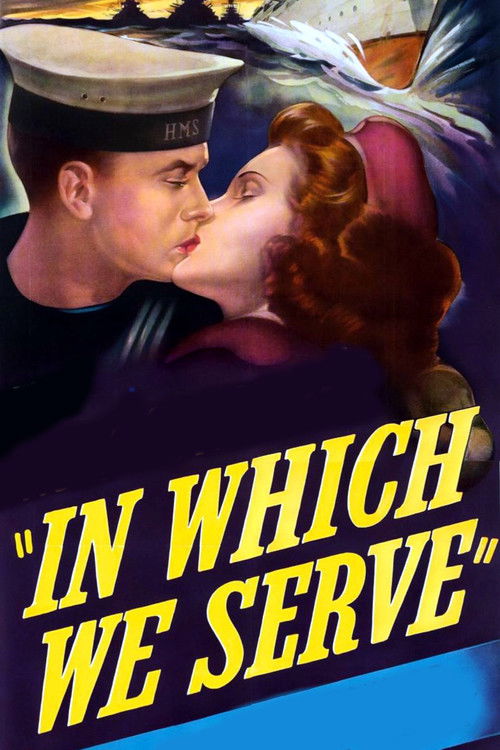
In Which We Serve1942
Noël Coward's wartime drama about a Royal Navy destroyer. Shows the same moment in British history, but through drama rather than observation. Coward's script is sharp and surprisingly humane.
But It's propaganda, and doesn't hide it. The heroism can feel a touch overcooked now. And it's a bigger, more conventional film—nothing like Diary's intimacy.
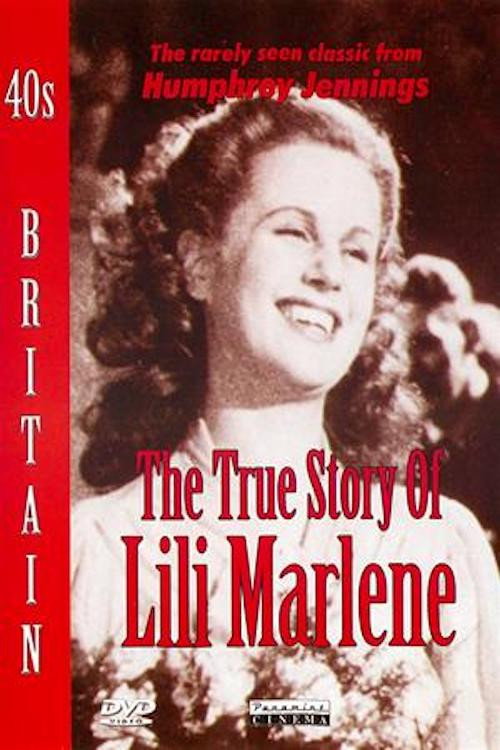
The True Story of Lili Marlene1944
British documentary about the German song that haunted both armies. Shows cultural connection across enemy lines. Made during the war; oddly moving about shared humanity.
But Very brief and somewhat obscure. The subject feels narrower than Diary. You might find it slight.
Not sure tonight? Get a pick in a minute, starting from A Diary for Timothy
The wildcard
Something you would not have found on your own.
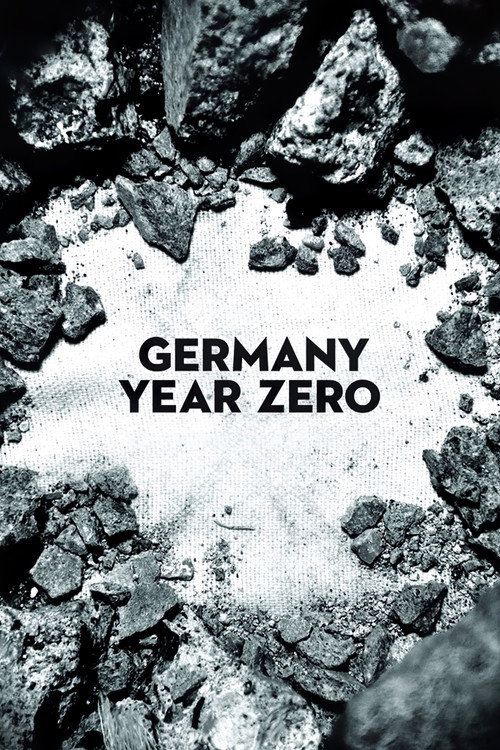
Germany, Year Zero1948
Both are filmed letters about a nation's children at a hinge moment of history. Diary witnesses Britain entering the final stretch. Allemagne shows the rubble that follows. Watching them together is witnessing before and after.
Rossellini's film essay on defeated Germany immediately after WWII, shot among real ruins with non-professional actors. The answer to Diary's question: what happens to all those ordinary people when the war ends? Devastating.
But Italian neorealism, so grainy and bleak. No comfort. A child dies. It is not a companion piece—it is a reckoning.
More like this (5)
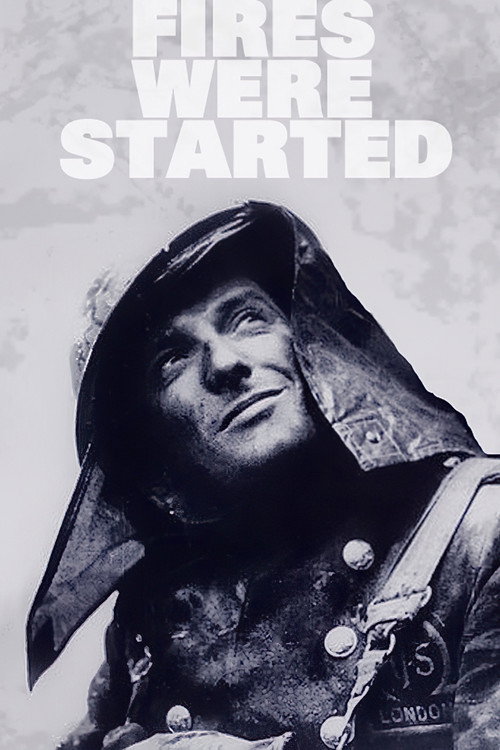
Fires Were Started1943
Jennings' dramatized documentary about the London Fire Brigade during the Blitz. Real firefighters, semi-scripted, hovering between doc and drama. Extraordinary control.
But The pacing is glacial. Some will find it profound, others will find it boring. The emotional restraint that makes it powerful can read as cold.
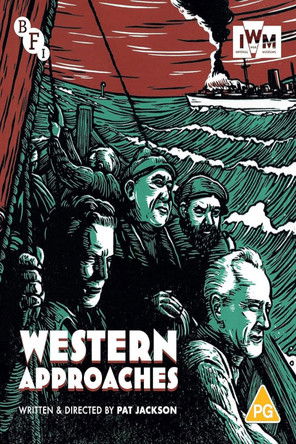
Western Approaches1944
GPO Film Unit (same tradition as Diary). About a merchant ship torpedoed in the Atlantic. Tense and tactile. Shot in Technicolor, which feels sumptuous for wartime.
But It's more of an adventure film than Diary. If you want poetic restraint, this might feel like a step backward into conventional drama.
Children on Trial1947
Postwar documentary about young offenders. Quietly humane, refusing easy judgment. Shows Jennings' approach applied to a social problem rather than wartime snapshot.
But Subject matter is darker and more difficult than Diary. Less beautiful, more challenging. It's a tougher watch.
Sans Soleil1983
Both are filmed diaries—but Marker made his 38 years later, in color, with the resources to travel the world. Both trust the documentary image as a thinking tool. Diary is a love letter to a child. Sans Soleil is a love letter to memory itself.
Chris Marker's essay-film: images from Japan and Guinea-Bissau, voice-over letters, philosophy, memory, politics. No plot. Pure reflection. Sounds austere; it's completely alive and strange and funny.
But It's avant-garde and willfully disjunctive. Image doesn't match narration. If you want clarity and conventional structure, this will feel like watching someone's notebook rather than a film.

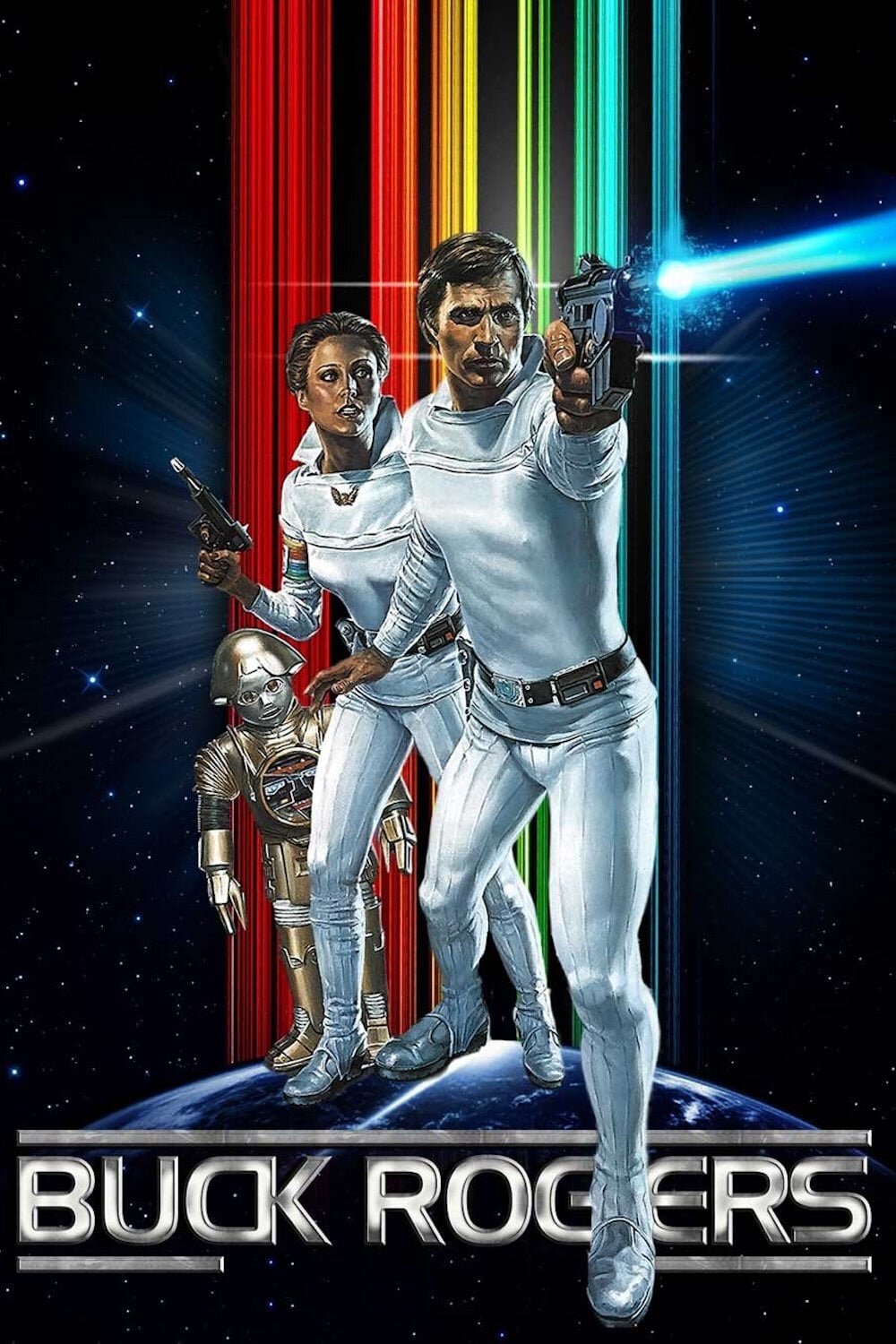
Buck Rogers in the 25th Century1979
Redgrave narrated Diary; the BBC shaped everything he was narrating. This is the institutional context made visible. You hear the broadcasts that underlay that moment. It's the infrastructure beneath the poem.
Documentary series, 3 hours across 6 episodes, about the BBC Home Service during WWII. Archive audio, photographs, interviews. Shows the exact moment Diary was made—the broadcasts people heard, the language that shaped the nation.
But It's a radio history, so heavy on archival audio. Less visual poetry than Diary. More academic, less artistic. Slow to get into.
People
Cast
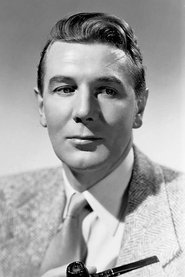 Michael RedgraveNarrator (voice)
- Myra HessSelf (Pianist)
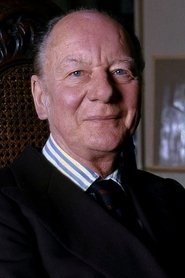 John GielgudHamlet
- Frederick AllenSelf (BBC Newsreader) (uncredited)
- BillSelf - Steam-Engine Driver (uncredited)
- Elizabeth JenkinsSelf - Tim's Mother (uncredited)
- Elvin JenkinsSelf - Tim's Father (uncredited)
- Timothy James JenkinsSelf - Tim (uncredited)
- JenniferSelf - 5 Year-Old Girl (uncredited)
- Frank PhillipsSelf (BBC Newsreader) (uncredited)
- Peter RobertSelf - RAF Pilot (uncredited)
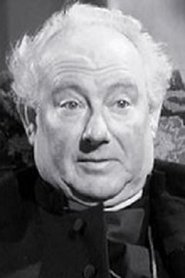 George WoodbridgeGravedigger (uncredited)