
Film
Germany, Year Zero
Rossellini shot this in the actual rubble of postwar Berlin, using the wreckage as both set and subject: a starving twelve-year-old drifts through a city that has lost every adult certainty along with its buildings. It's the bleakest, least forgiving film in his war trilogy — plain, documentary-flat, almost clinical — and it ends without mercy. Watch it for the history it captures firsthand, not for comfort.
If you liked this
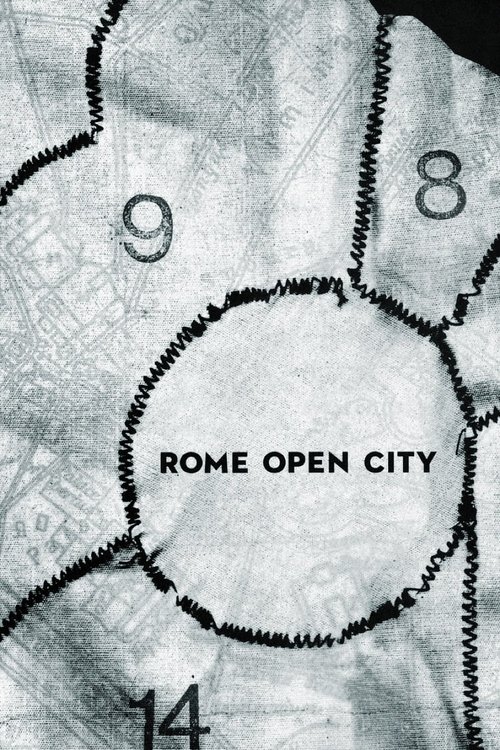
Rome, Open City1945
The first panel of Rossellini's war trilogy, made a year earlier with the same unvarnished urgency — occupation, resistance, and ordinary people caught in the machinery of history.
But Rougher and more melodramatic in places; it hasn't quite found the total austerity of the film it led to.
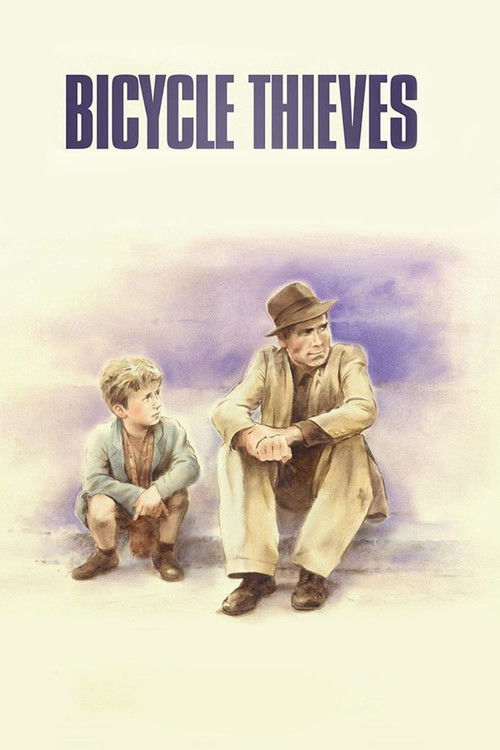
Bicycle Thieves1948
De Sica's other founding neorealist text, a father and son wandering a broken city looking for a stolen bike and, really, for dignity itself.
But Gentler and more redemptive than Rossellini — you may find it almost comforting by comparison.
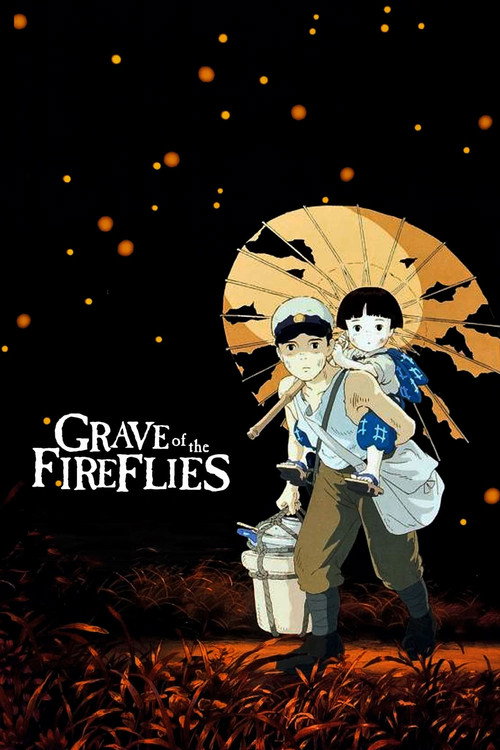
Grave of the Fireflies1988
Animation turns out to be no shield at all — one of the most devastating portraits of children abandoned by a collapsing state ever made.
But It is unrelentingly sad; some viewers need years between rewatches, if they rewatch it at all.
The wildcard
Something you would not have found on your own.
A Boy and His Dog1975no page yet
Both put a boy alone in the wreckage of civilization and ask what survival costs him morally — Rossellini in postwar Berlin, this one in a nuclear wasteland played almost as black comedy.
Strip away the history and you get the same bones: a boy scavenging a ruined world, guided by an adult whose motives are rotten, forced toward a decision no child should have to make.
But It's pulpy, cynical, and occasionally very funny in a way that will feel like a slap after Rossellini's sincerity.
More like this (8)
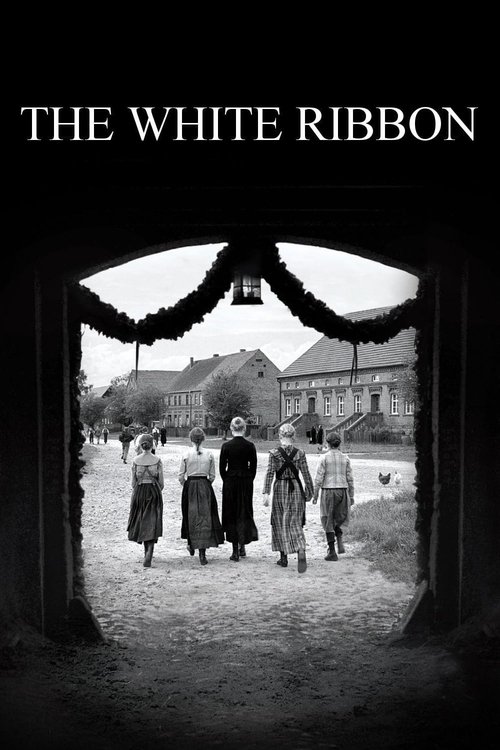
The White Ribbon2009
Haneke looks at a German village just before the First World War and finds the same seed of cruelty that would later flower into fascism.
But Cold, deliberate, and nearly three hours — a puzzle box more than a gut-punch.
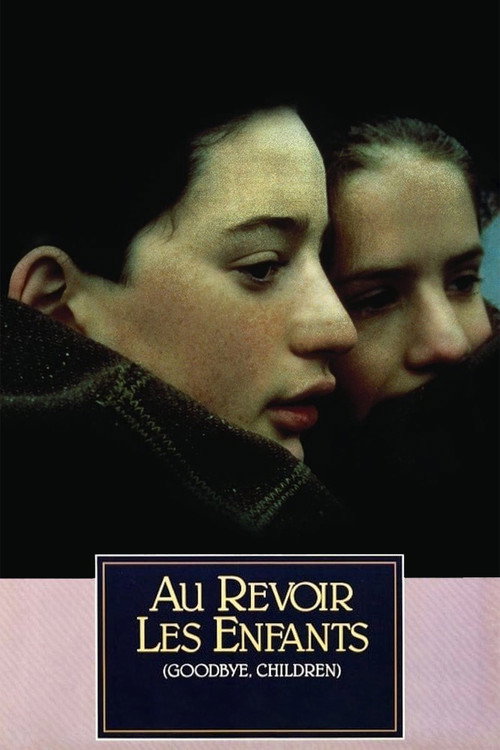
Au Revoir les Enfants1987
Malle's own childhood memory of occupied France, quieter and warmer than Rossellini but building to a betrayal that lands just as hard.
But Its restraint can feel like distance if you're hoping for the visceral rawness of the original.
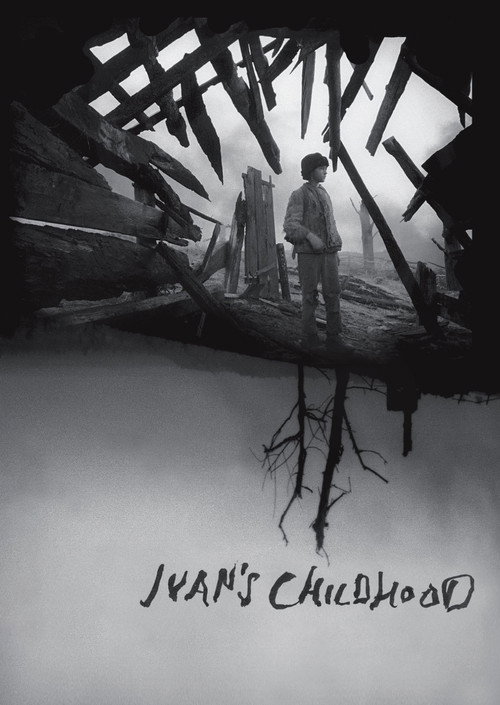
Ivan's Childhood1962
Tarkovsky's debut follows a boy turned into a scout on the Eastern Front, dreamlike and heartbroken in equal measure.
But Its poetic, elliptical style is a long way from Rossellini's documentary plainness.
The Tin Drum1979no page yet
Grass's fable of a boy who refuses to grow up as Germany marches toward catastrophe, strange and satirical where Rossellini is stark.
But Deliberately grotesque and surreal; it trades devastation for allegory, which won't suit everyone.
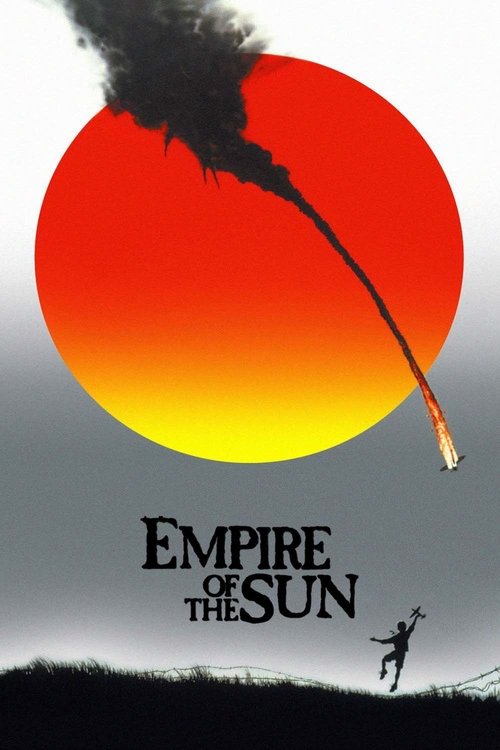
Empire of the Sun1987
A young Christian Bale, unmoored from his parents in wartime Shanghai, discovers the same terrible freedom and peril Edmund does in Berlin.
But Spielberg's polish and score soften edges that Rossellini leaves raw and unresolved.
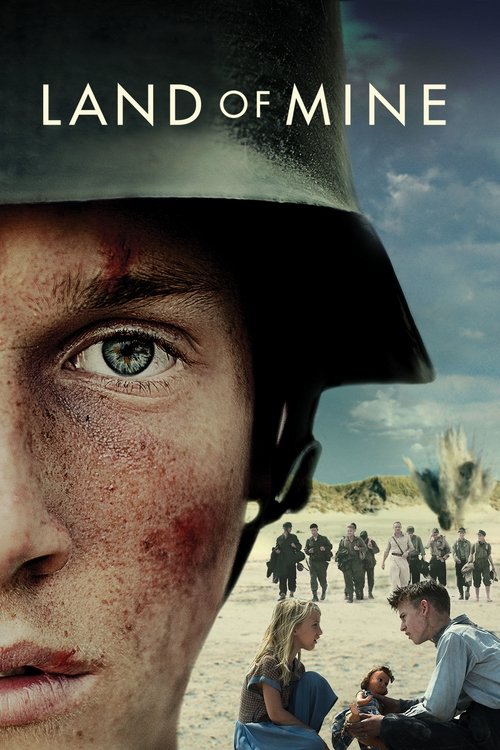
Land of Mine2015
Post-war Denmark forces captured German boy-soldiers to clear landmines — a different rubble, the same question of what a defeated nation owes its children.
But Tense and punishing in a very different, almost thriller-like way; less meditative than Rossellini's film.
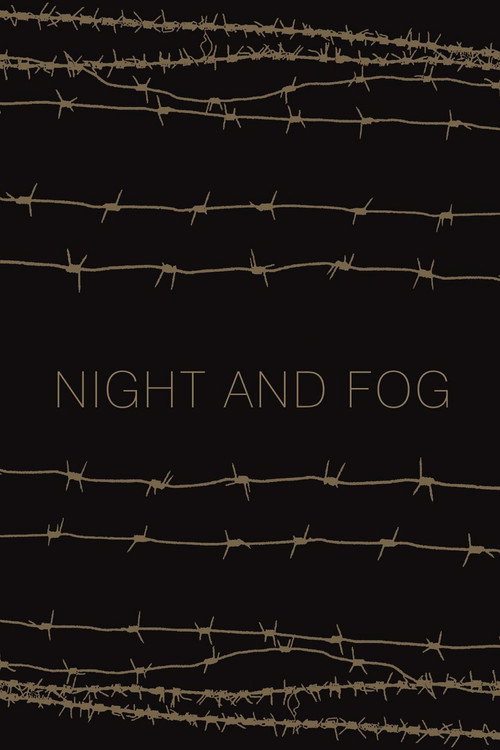
Night and Fog1956
Rossellini shows a child inheriting the wreckage; Resnais interrogates the wreckage itself and the danger of forgetting what made it.
Resnais's short essay film walks the same camps a decade later, asking how — or whether — atrocity can be photographed at all, in color footage of empty, grassed-over ruins.
But It is only half an hour but among the most harrowing things you will ever watch; there is no fiction to hide behind.
Where Is The Friend's House?1987no page yet
Same neorealist toolkit — real places, a child actor carrying the whole film — pointed at a much kinder world, showing what Rossellini's method looks like without despair.
Kiarostami sends a boy on a single-minded quest across a village to return a friend's notebook, using the same nonprofessional, real-location honesty Rossellini pioneered, but toward something tender instead of tragic.
But Nothing bad really happens — if you need the stakes of postwar Berlin, this will feel almost too gentle.
People
Cast
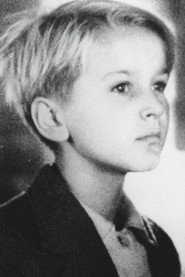 Edmund MoeschkeEdmund
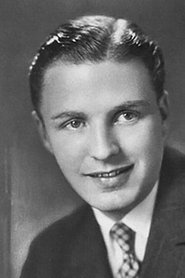 Ernst PittschauFather
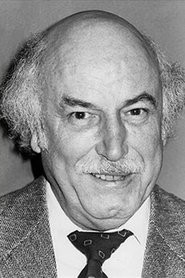 Franz-Otto KrügerKarl-Heinz
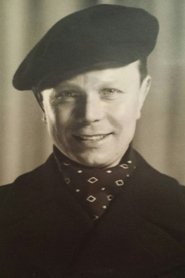 Erich GühneTeacher
- Heidi BlänknerFrau Rademaker (uncredited)
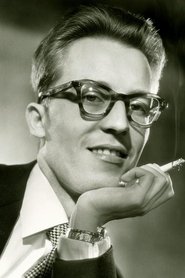 Jo HerbstJo (uncredited)
- Barbara HintzThilde (uncredited)
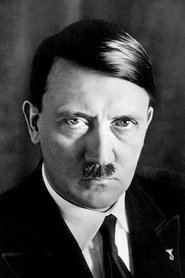 Adolf HitlerSelf (archive footage) (voice) (uncredited)
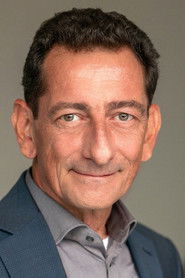 Karl KrügerDoctor (uncredited)
- Alexandra ManysEva's Friend (uncredited)
- Christl MerkerChristl (uncredited)
Directing
- Carlo LizzaniAssistant Director
- Franz von TreubergAssistant Director
- Max KolpéAssistant Director
- Roberto RosselliniDirector
Writing
- Basilio FranchinaIdea
- Carlo LizzaniScreenplay
- Max KolpéScreenplay
- Roberto RosselliniScreenplay
- Sergio AmideiScreenplay
- Roberto RosselliniStory
Production
- Salvo D'AngeloAssociate Producer
- Alfredo GuariniExecutive Producer
- Roberto RosselliniProducer
- Giancarlo CampidoriProduction Secretary
- Alberto ManniProduction Supervisor
- Marcello BolleroProduction Supervisor
- Alfredo GuariniUnit Manager