
Film
Forbidden Games
Forbidden Games is René Clément's 1952 French drama about two children — orphaned Paulette and farm boy Michel — who build a secret animal cemetery amid the wreckage of WWII France. It's slow, hushed, almost unbearably tender, using a child's private ritual to say what the adults around them cannot. Watch it for the quiet devastation, not spectacle; it asks patience and rewards it with something that lingers.
If you liked this
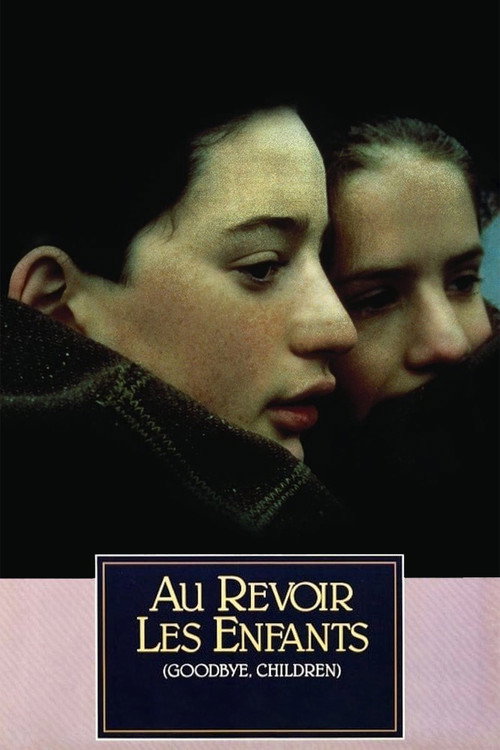
Au Revoir les Enfants1987
Louis Malle's own boyhood memory of wartime France, where a friendship between schoolboys is shadowed by the same quiet menace that hangs over Paulette and Michel. It ends with the same hush.
But Slow-burning and almost eventless until its final minutes, which some viewers find frustratingly restrained rather than moving.
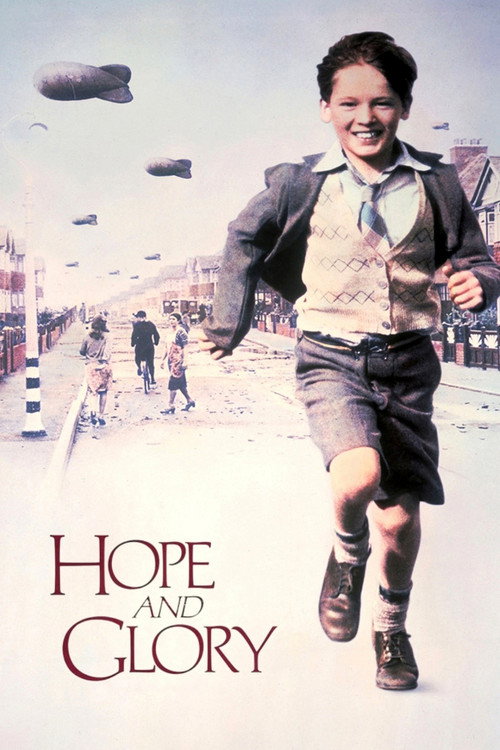
Hope and Glory1987
A warmer, funnier take on a child's-eye view of the Blitz — the bombs are terrifying, but for the kid they're also, unmistakably, an adventure. Nostalgic without softening the danger.
But Its comic, almost cheerful tone might feel like a tonal mismatch if you want something as sombre as Forbidden Games.
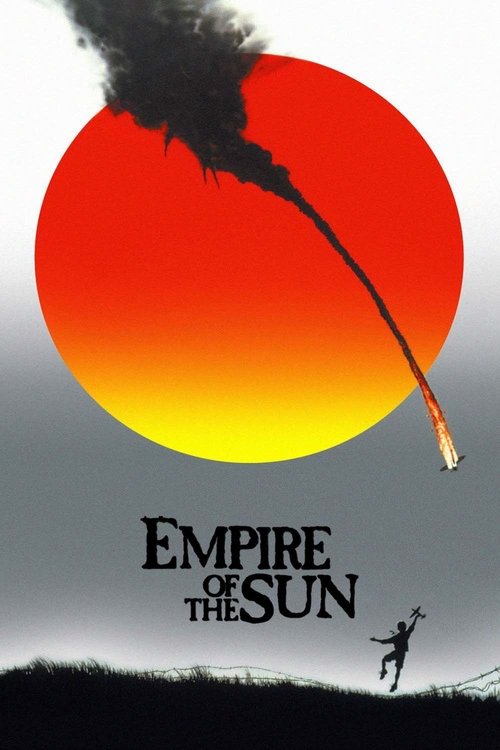
Empire of the Sun1987
Christian Bale, aged twelve, drifting alone through a collapsing colonial world and a Japanese internment camp — a boy's fascination with war curdling slowly into horror.
But Spielberg's polish and scale sit oddly next to the intimacy of Clément's film; it's a bigger, more spectacular kind of sadness.
The wildcard
Something you would not have found on your own.
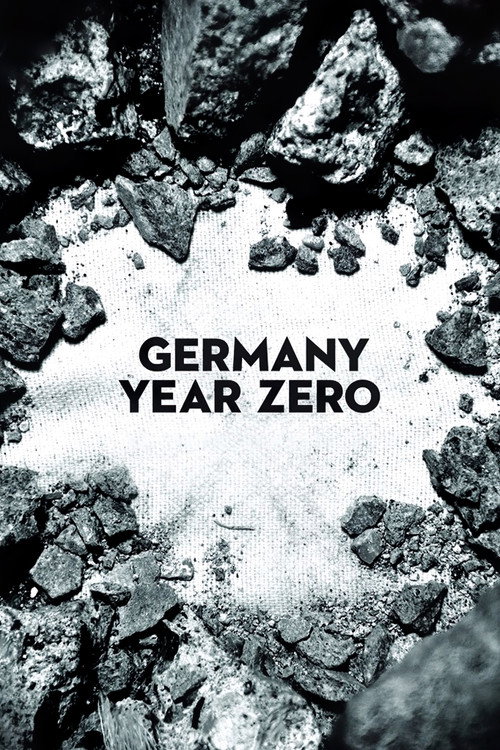
Germany, Year Zero1948
Both films use a child adrift in a devastated landscape to ask what war does to innocence; Rossellini got there first, filming actual ruins four years before Clément built his.
Rossellini shot this in the actual rubble of Berlin, following a boy scavenging to survive — the harsher, earlier ancestor of Forbidden Games, filmed with real ruins instead of sets.
But Punishingly bleak, with no games or friendship to soften it — just documentary-grade despair.
More like this (8)
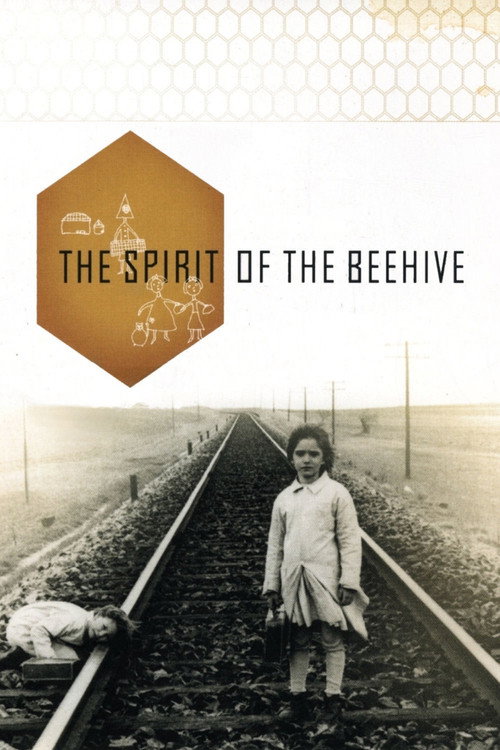
The Spirit of the Beehive1973
A Spanish girl in the aftermath of civil war becomes fixated on Frankenstein's monster, using make-believe to process a death she can't name. Same hush, same child-logic dread.
But Deliberately opaque and slow — more mood piece than story, and it never quite explains itself.
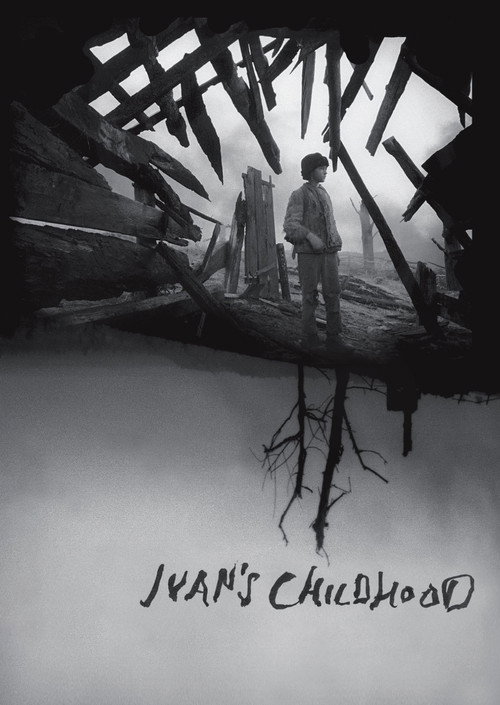
Ivan's Childhood1962
Tarkovsky's debut, about a boy turned into a scout for the Red Army, swings between dreamlike beauty and real atrocity with the same unbearable tenderness.
But More formally daring and abstract than Forbidden Games — its dream sequences ask patience some viewers won't have.
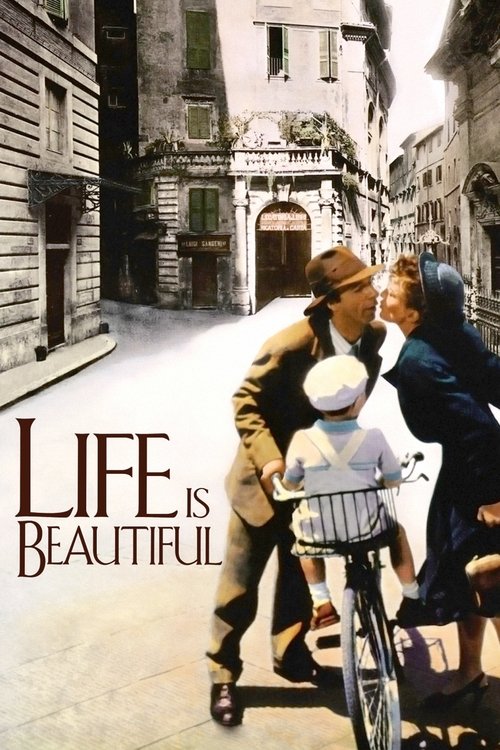
Life Is Beautiful1997
A father shields his son from the Holocaust through games and invented rules, echoing the way Michel and Paulette build a private world to survive theirs.
But Its swing from comedy to devastation is more extreme and calculated — it wants to make you laugh before it breaks you.
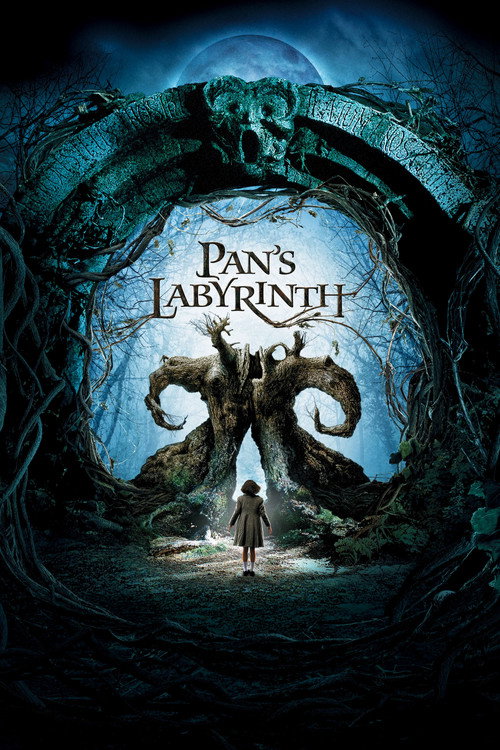
Pan's Labyrinth2006
Fascist Spain seen through a girl's fairy-tale logic, where fantasy is both escape and reckoning with death — the same childhood coping mechanism, dressed in monsters.
But Del Toro's creature effects and violence are far more visceral and fantastical than anything in Clément's restrained realism.
The Tin Drum1979no page yet
A German boy who refuses to grow up narrates the Nazi era in surreal, satirical strokes — a stranger, angrier cousin to Paulette and Michel's private world.
But Grotesque, sexually frank in places, and deliberately alienating — a much rougher, weirder ride.
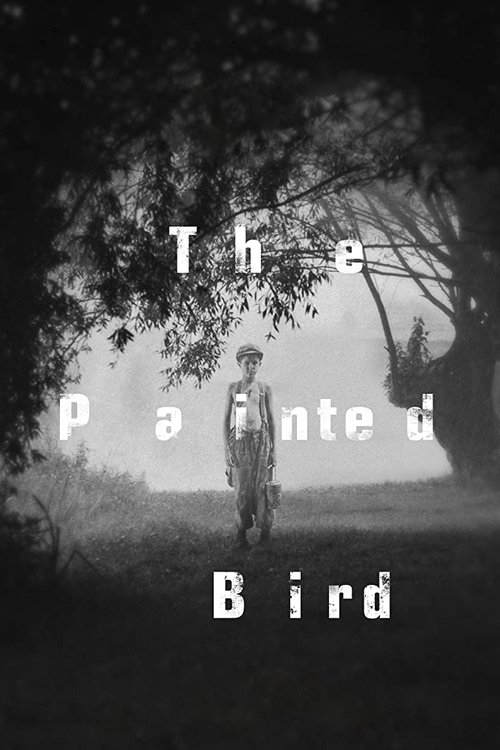
The Painted Bird2019
An unnamed boy wanders a scorched Eastern Europe encountering cruelty after cruelty — the bleakest possible extension of the question Forbidden Games asks about children and atrocity.
But Nearly three hours of unrelenting brutality with almost no tenderness to balance it; genuinely hard to sit through.
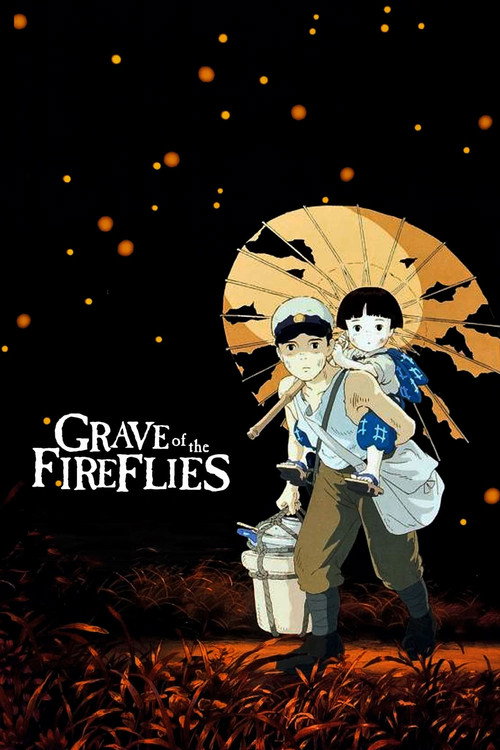
Grave of the Fireflies1988
Both use children's private rituals — a graveyard, a firefly grave — to metabolise death adults have no words for; Fireflies proves the idea survives a total change of medium.
A Japanese animated film about a brother and sister starving after the firebombing of Kobe — the same tender, unbearable logic of children improvising rituals to survive grief, told in a medium built for kids' stories.
But It's animation, which some people can't shake associating with lighter fare — this is one of the most devastating films ever made in the form.
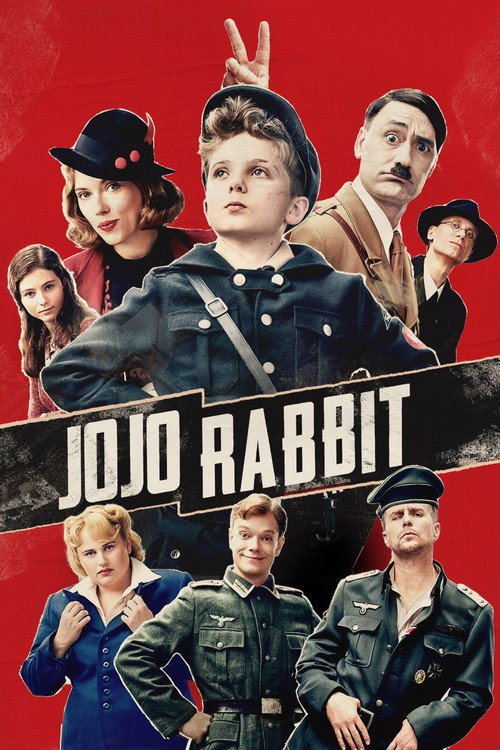
Jojo Rabbit2019
Where Forbidden Games uses quiet and restraint, Jojo Rabbit uses satire to get at the same question — how a child's imagination processes a world adults have ruined; same wound, opposite register.
A boy in the Hitler Youth with an imaginary friend version of the Führer — absurdist and jokey, then suddenly not. It's the same child-facing-atrocity story with the volume turned to comedy.
But The tonal whiplash from farce to gut-punch is deliberate but divisive — some find the jokes undercut the horror rather than sharpen it.
People
Cast
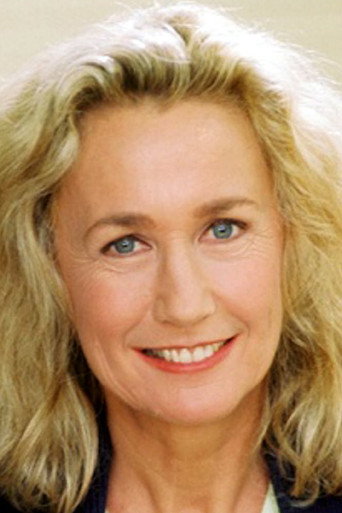 Brigitte FosseyPaulette
 Georges PoujoulyMichel Dolle
- Philippe de ChériseyFrancis Gouard
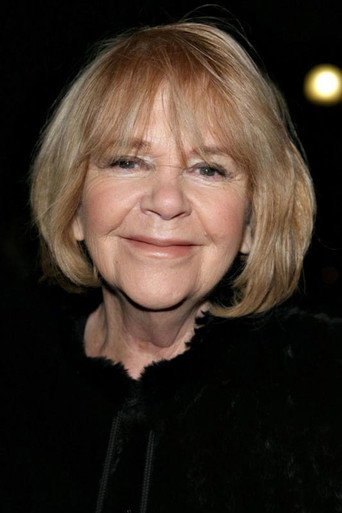 Laurence BadieBerthe Dolle
- Suzanne CourtalMadame Dolle
 Lucien HubertMonsieur Dolle
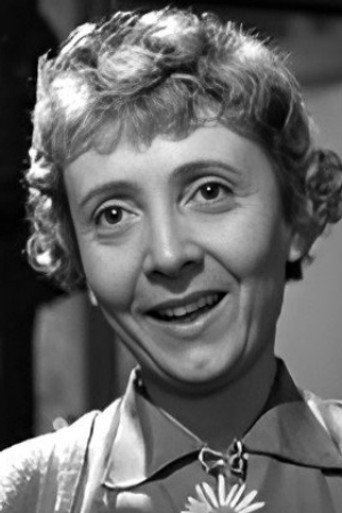 Madeleine BarbuléeRed Cross Nun
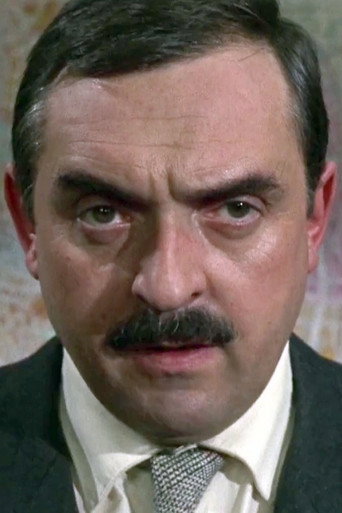 Jacques MarinGeorges Dolle
- Pierre MerovéeRaymond Dolle
 Denise PéronneJeanne Gouard
- Violette MonnierRenée Dollé
- Fernande RoyL'autre fille Gouard
Directing
- René ClémentDirector
Writing
- Jean AurencheDialogue
- Pierre BostDialogue
- François BoyerNovel
- François BoyerScreenplay
- René ClémentScreenplay
- François BoyerStory
Production
- Robert DorfmannProducer
Recommended by
The Spirit of the Beehive, Grave of the Fireflies, Au Revoir les Enfants, Nobody Knows, A Monster Calls, Ivan's Childhood