
Film
The Search
A 1948 neorealist drama about an American soldier who befriends a displaced Czech boy in postwar Germany while the child's mother searches desperately for him. Shot on location with nonprofessional actors alongside Montgomery Clift, it captures the chaos and humanity of Europe's fractured aftermath with unsentimental tenderness. Essential viewing for anyone interested in cinema's reckoning with war.
If you liked this
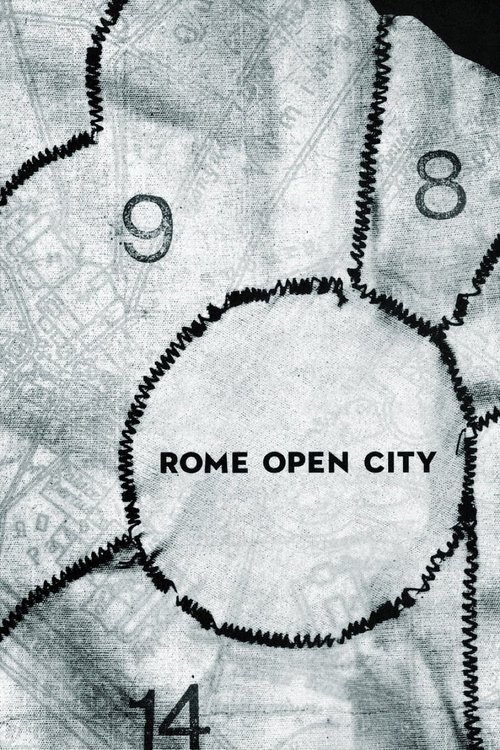
Rome, Open City1945
Rossellini's landmark uses real locations and ordinary people to show how fascism corroded daily life. Raw, immediate, and morally urgent in ways that feel almost unbearably alive on screen.
But The print quality can be rough, and the pacing assumes patience. Some plot threads feel didactic by modern standards.
The Third Man1949
Carol Reed's postwar Vienna thriller has the same rubble-strewn setting and moral ambiguity. Zither score, Dutch angles, and Orson Welles in the shadows—it's cinema at its most atmospheric and clever.
But It's more a mystery than a character study. If you want warmth and connection, you'll find it here but it's not the point.

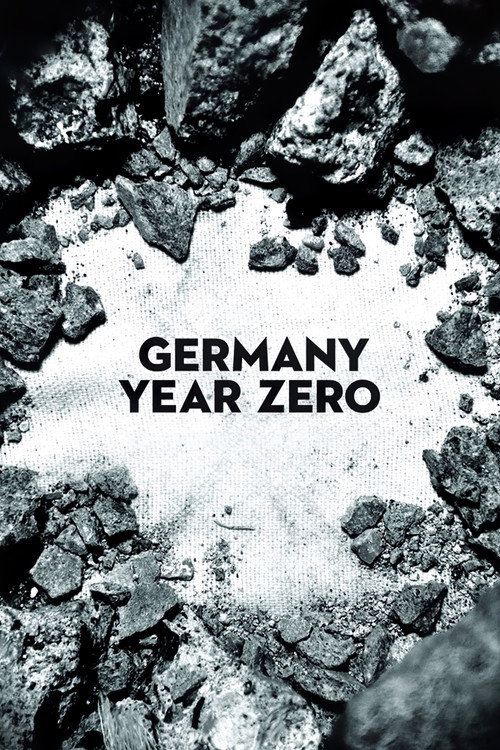
Germany, Year Zero1948
Rossellini again, this time following a boy in Berlin's ruins. The companion piece to The Search—equally devastating, equally real, shot with the same documentary urgency and moral clarity.
But It ends where The Search begins: with a child broken by war. There is no comfort here, only truth.
Not sure tonight? Get a pick in a minute, starting from The Search
The wildcard
Something you would not have found on your own.
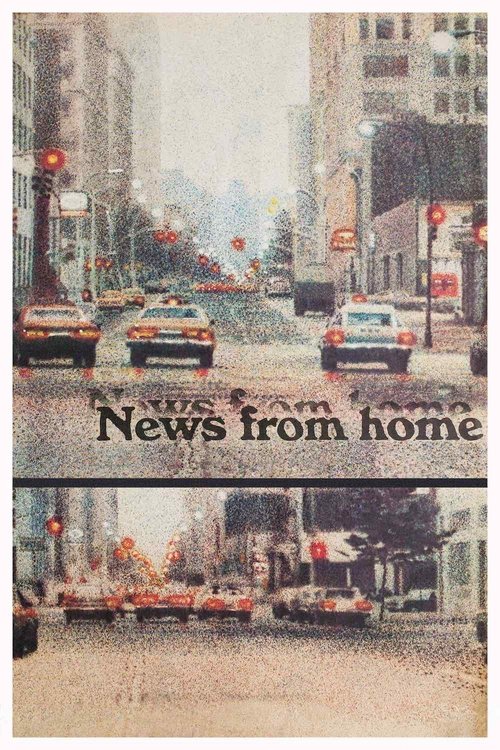
News from Home1976
Both films know that searching for family is a form of grief that exists before resolution. The waiting, the not-knowing, the longing—that's the real subject.
Harun Farocki's essay film: letters from his mother read aloud over footage of New York streets. A meditation on absence, displacement, and the weight of searching that mirrors The Search's emotional core through a completely different form and language.
But It's avant-garde and deliberately slow. There's no plot, no character arc—just a voice and images that refuse to illustrate each other.
More like this (7)
A Place in the Sun1951
Clift again, in one of his greatest roles—vulnerable, beautiful, trapped. George Stevens directs with operatic intensity. The scene at the lake is unforgettable.
But It's a melodrama about desire and class, not postwar reconstruction. The emotional register is completely different.

The Best Years of Our Lives1946
Wyler's epic about soldiers returning home. Three hours that earn every minute through the specificity of its characters and the ache of readjustment. A masterpiece about what war leaves behind.
But It focuses on Americans, not displaced Europeans, so it's a different kind of reckoning. And it's long.

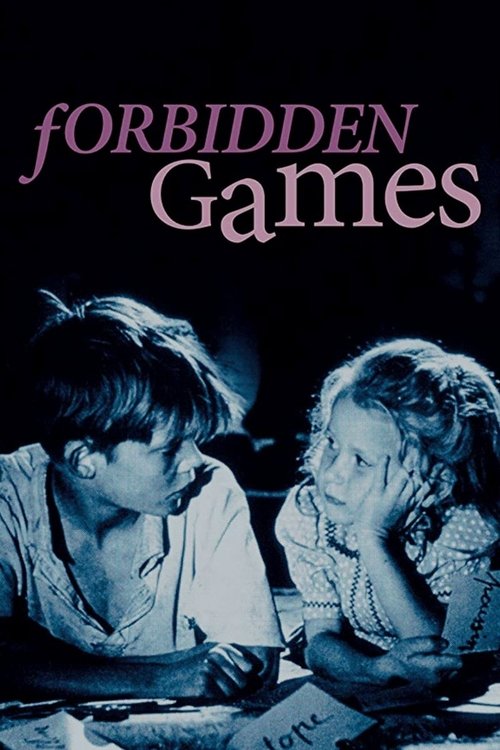
Forbidden Games1952
A French film about two children—one French, one German, separated from their families—forging a bond in occupied France. Heartbreaking, subtle, and genuinely moving without ever manipulating you.
But The English dubbing is atrocious. Subtitles are essential, and even so the softness of it might feel mannered after The Search's documentary grain.
Bicycle Thieves1948
Neorealism at its peak: an ordinary man in postwar Rome searching for his stolen bicycle. Nonprofessional cast, real streets, ordinary heartbreak. It invented the language Clift's film speaks.
But Nothing happens by conventional plot logic. If you need momentum and incident, you'll feel it dragging.

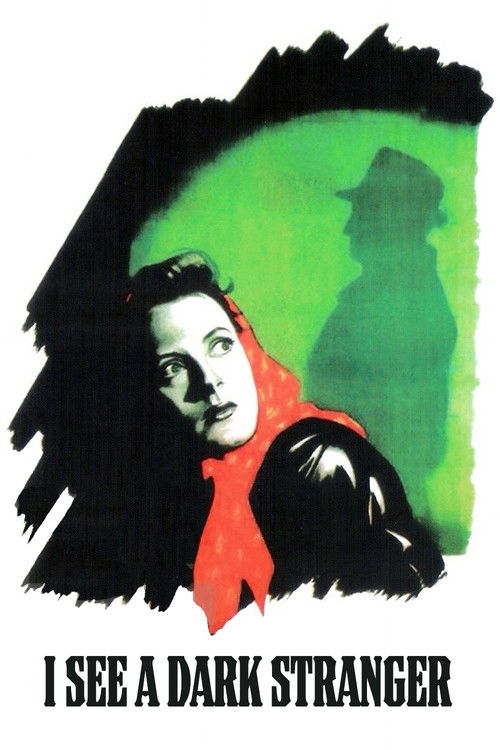
I See a Dark Stranger1946
Powell and Pressburger's thriller about a young Irish woman caught in espionage. Lighter than The Search but alive to the same historical moment and moral confusion of the war's end.
But It's playful where The Search is grave. If you want to stay in the rubble, this will feel like a detour.
Come and See1985
Both films insist that children carry war's weight in their bodies and eyes. They refuse sentimentality about childhood innocence in extremity.
Elem Klimov's brutal Soviet film follows a boy conscripted into WWII. Shot from his eye level, it's the inverse of The Search—not about survival after war's end but descent into its heart. Overwhelming and necessary.
But It's devastatingly graphic. Not exploitation, but unflinching. Watching it is an ordeal, though a meaningful one.

Ikiru1952
Both believe that dignity and connection matter most when everything else has been stripped away. Both are about what we owe each other when the world has fallen apart.
Kurosawa's film about a dying bureaucrat searching for meaning in postwar Tokyo. A completely different story told in a completely different visual language, but it shares The Search's quiet moral weight and its faith in small human acts.
But It's meditative and Japanese cinema from this era can feel distant if you've never seen it. Pacing is glacial by modern standards.

People
Cast
 Montgomery CliftRalph Stevenson
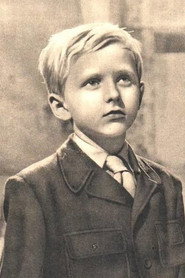 Ivan JandlKarel Malik aka 'Jim'/'Jimmy'
 Aline MacMahonMrs. Murray
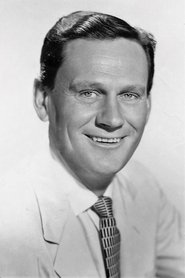 Wendell CoreyJerry Fisher
 Jarmila NovotnáHannah Malik
 Mary PattonMrs. Fisher
- Ewart G. MorrisonMr. Crookes
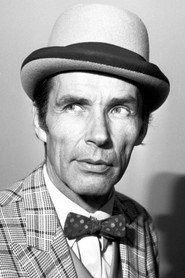 Leopold BorkowskiJoel Markowsky
- Claude GambierRaoul Dubois
- William RogersTom Fisher
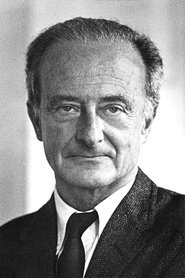 Fred ZinnemannInterpreter (uncredited)
Directing
- Míla MellanováAssistant Director
- Fred ZinnemannDirector
Writing
- Richard SchweizerScreenplay
Production
- Oscar DübyAssociate Producer
- Lazar WechslerProducer
Recommended by
Nuremberg: Its Lesson for Today, Rabbit-Proof Fence, I'll Be Seeing You, Buffalo Soldiers