
Film
I See a Dark Stranger
A 1946 thriller that catches Deborah Kerr as an Irish nationalist recruited as a Nazi spy during World War II. It's a scrappy, morally complicated romance wrapped around espionage and conflicting loyalties, shot with real wartime tension but a lighter touch than you'd expect. For anyone who likes their thrillers messy and character-driven, not formulaic.
If you liked this
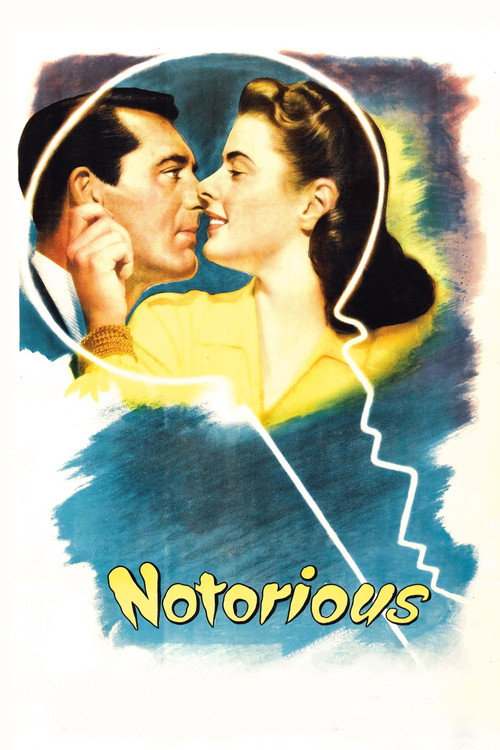
Notorious1946
Hitchcock's masterpiece of suspense and forbidden attraction. Cary Grant and Ingrid Bergman as spy and asset, their chemistry electric as betrayal and love tangle. The emotional stakes feel genuinely unbearable.
But It's a slower-burn Hitchcock than *Vertigo* or *Psycho*—the paranoia creeps rather than explodes. If you want spectacle over character, you'll feel the pacing.
The Third Man1949
Carol Reed's Vienna-set masterpiece. A man searching for his friend in postwar ruins discovers nothing is as it seemed. Shot with stunning composition, scored brilliantly, it's espionage as moral quicksand—exactly like *I See a Dark Stranger*.
But The famous zither score divides people sharply. Some find it perfect; others can't unhear it as quirky. The pacing is deliberate, never rushed.

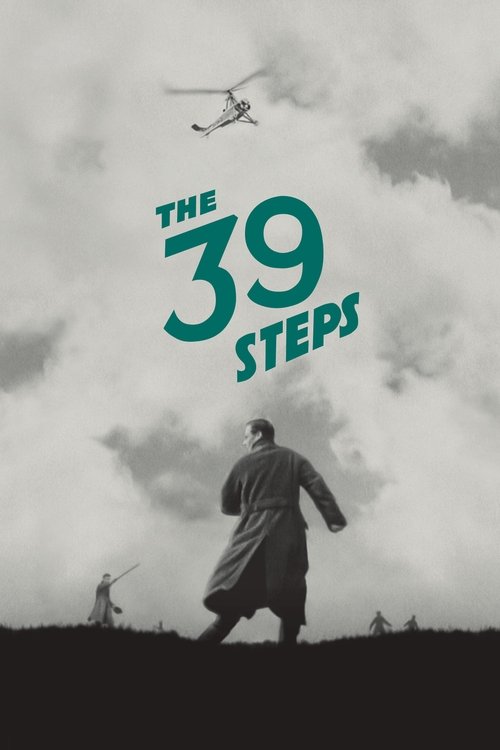
The 39 Steps1935
Hitchcock's fleet, witty prototype for the spy-on-the-run thriller. A wronged man caught between spies and the law, propelled by charm and confusion rather than competence. Pure entertainment with real intelligence underneath.
But It's seventy years older than *I See a Dark Stranger*, and moves at silent-film speed in places. The gender dynamics read as period pieces now.
Not sure tonight? Get a pick in a minute, starting from I See a Dark Stranger
The wildcard
Something you would not have found on your own.
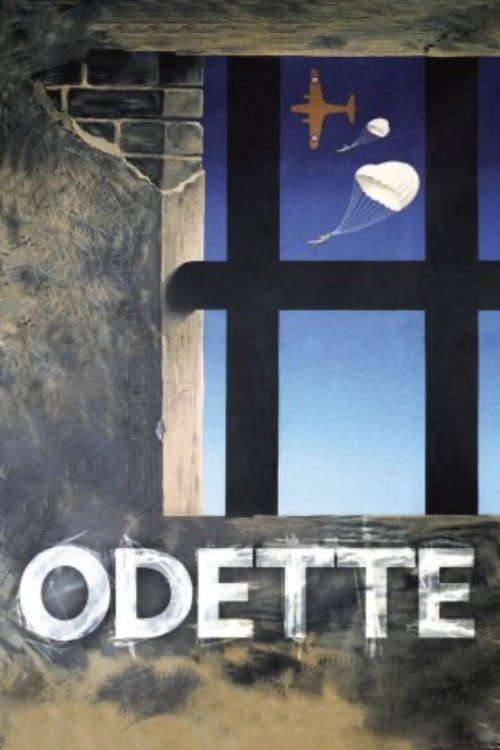
Odette1950
Both follow women recruited into espionage, but where *I See a Dark Stranger* is a thriller laced with romance and moral ambiguity, *Odette* is a stark meditation on sacrifice and pain. One is about the thrill of spying; the other about the price.
Anna Neagle as a real French Resistance courier recruited by British intelligence during the war, captured and tortured by the Gestapo. Based on true events, it's unflinching about the cost of espionage on women, far darker than the playful surface of *I See a Dark Stranger*. The emotional devastation is real.
But It's a serious film about torture and survival, not entertainment. Some scenes are genuinely harrowing, and there's no lightness to balance them.
More like this (8)
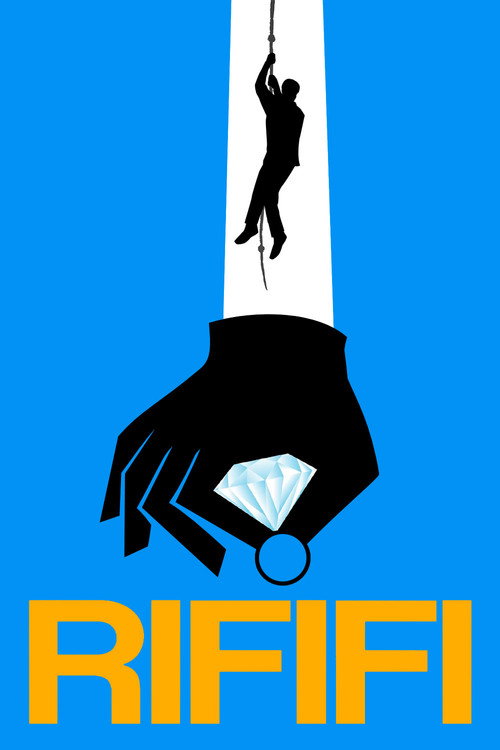
Rififi1955
A French heist film that influenced everything after. Tense, stylish, and genuinely gripping. The famous silent heist sequence is cinema at its most purely visual and thrilling.
But It's a heist film, not a romance or spy story. If the plot setup doesn't hook you, the style alone might feel thin.
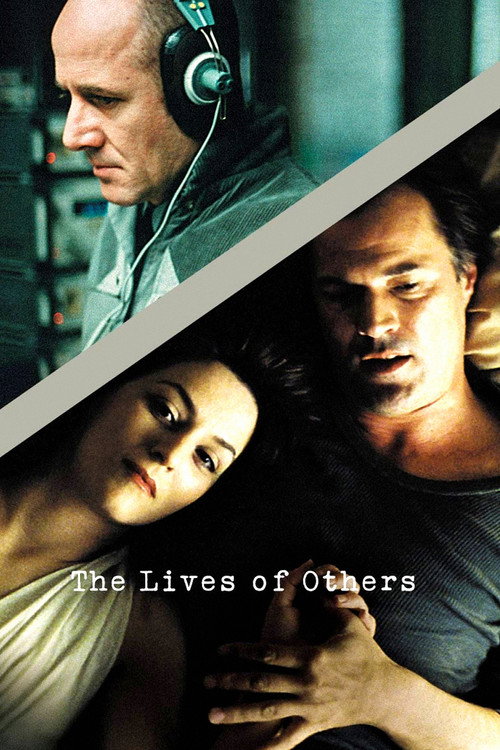
The Lives of Others2006
A East German Stasi officer spying on a playwright and actress finds his moral certainty eroded by what he observes. Quiet, devastating, about surveillance and conscience. Shares *I See a Dark Stranger's* tension between duty and humanity.
But It's deliberately paced and often very still. The final act emotional payoff requires you to sit with ambiguity rather than resolve.
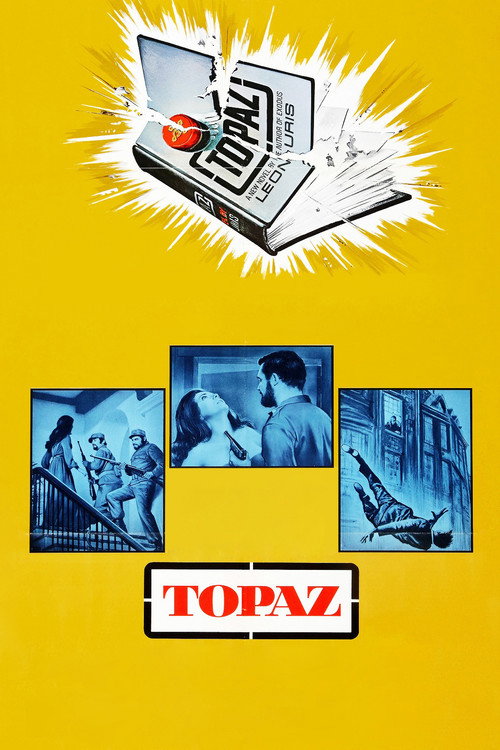
Topaz1969
A Hitchcock spy thriller about Cold War espionage and betrayal within the intelligence services. Stylish and paranoid, full of double-crosses and moral murkiness. The stakes feel genuinely unclear.
But It's considered minor Hitchcock for good reason. The plot is labyrinthine without being satisfying, and some scenes feel oddly dated even for 1969.
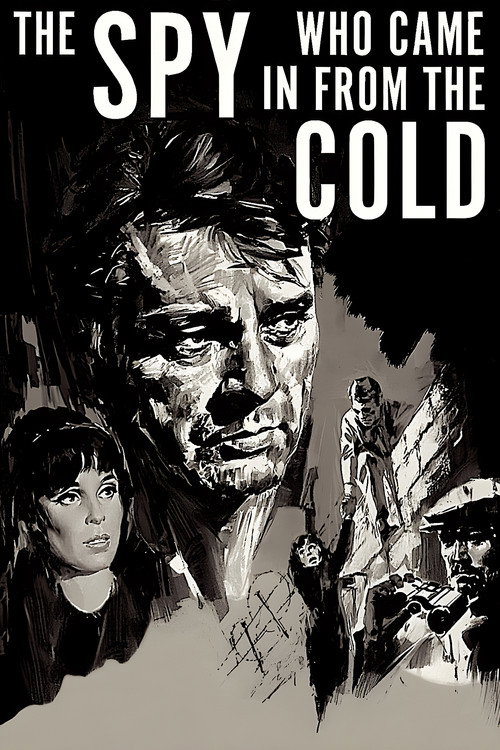
The Spy Who Came In from the Cold1965
John le Carré's weary British agent recruited for one last mission. Unglamorous, bleak, and focused on the human cost of espionage. If you loved the moral grey area of *I See a Dark Stranger*, this goes deeper into the mud.
But There's no charm here, no romance subplot to lighten things. It's a film about exhaustion and compromise, which demands patience.
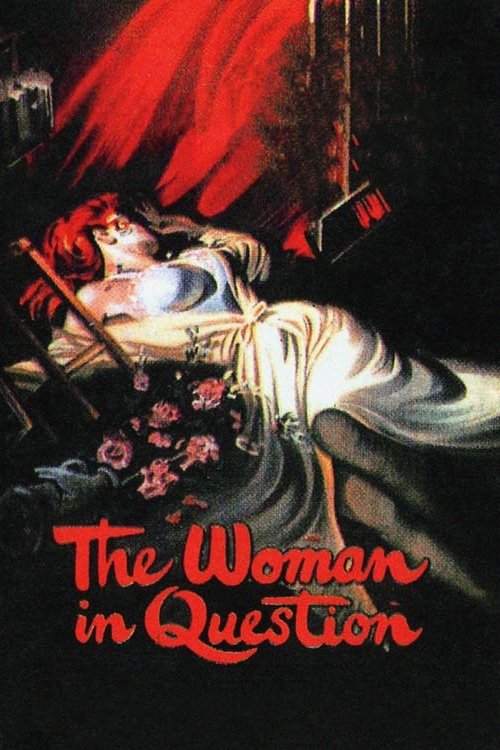
The Woman in Question1950
A woman is found dead, and the film retells her story five times from different perspectives. An early experiment in unreliable narrative and fractured viewpoint. Playful and clever about how we construct truth.
But The gimmick can feel more interesting than the actual mystery. Some segments work better than others, and the ending doesn't quite earn the complexity.
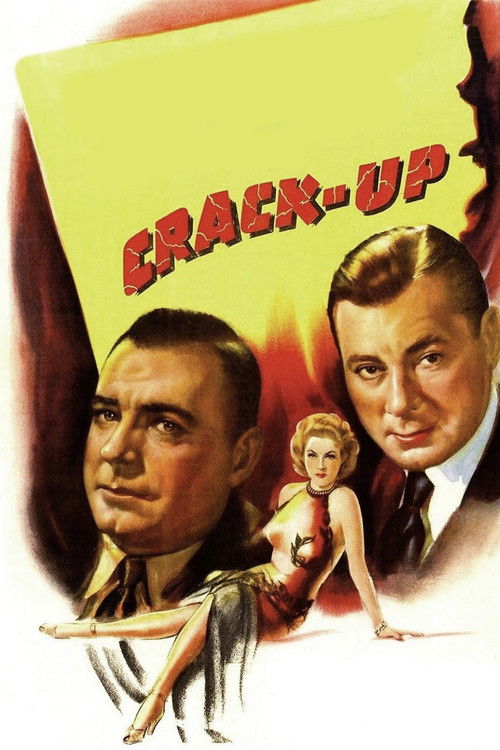
Crack-Up1946
A postwar film about a man gaslighted and manipulated by intelligence operatives. Paranoid and disorienting, with genuine wrongness underneath. A lesser-known gem about doubt and survival.
But It's genuinely obscure for a reason. The narrative is fragmented, and the resolution feels slightly unsatisfying, though that's partly the point.
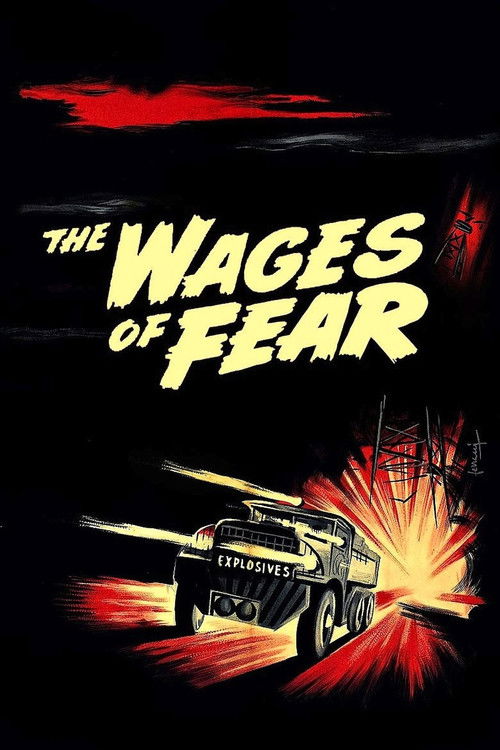
The Wages of Fear1953
Both films hinge on ordinary people drawn into situations that compromise their values. *I See a Dark Stranger* is spy intrigue; this is existential desperation. Both ask: what will you do when you're trapped?
Four men drive a truck loaded with unstable dynamite across treacherous South American terrain for money and desperation. Yves Montand is unforgettable. It's a masterclass in tension that builds not from plot but from character under pressure—the moral compromises people make to survive.
But It's French, slow, and the bulk of the film is literally just people driving in difficult conditions. If you need action set pieces, you'll find it punishing.
The Asphalt Jungle1950
Both are character-driven films about ordinary people entangled in criminal enterprise, more interested in how people behave under pressure than in plot mechanics. *I See a Dark Stranger* treats espionage as romantic comedy; *The Asphalt Jungle* treats crime as inevitable human behaviour. One is warm; one is cold.
John Huston's heist film, the template for every crime procedural after. A detailed, almost sociological look at a criminal operation from recruitment through execution. The tone is cool, the characters feel real, and the moral framework is quietly devastating.
But It's not a thriller in the modern sense—it's a character study wrapped in a job. Some will find it underdramatic; others will think it invented cool.

People
Cast
 Deborah KerrBridie Quilty
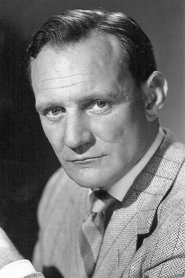 Trevor HowardLt. David Bayne
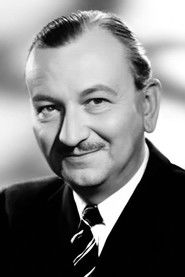 Raymond HuntleyJ. Miller
- Michael HowardHawkins
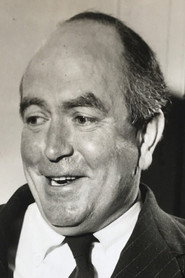 Liam RedmondUncle Timothy
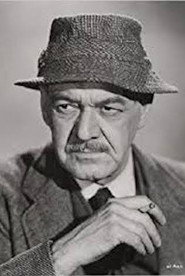 Brefni O'RorkeMichael O'Callaghan
 James HarcourtGrandfather Edwards
 George WoodbridgeWalter
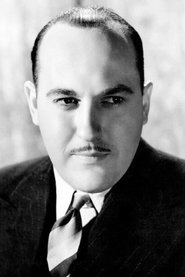 Garry MarshCapt. Goodhusband
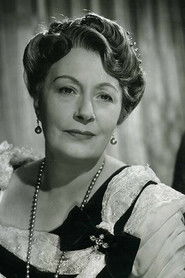 Olga LindoMrs Edwards
- Tom MacaulayLt Spanswick
- David WardOscar Pryce
Directing
- Percy HermesAssistant Director
- Paddy ArnoldContinuity
- Frank LaunderDirector
Writing
- Frank LaunderScreenplay
- Frank LaunderStory
- Sidney GilliatWriter
- Wolfgang WilhelmWriter
Production
- Cecil F. FordLocation Manager
- Frank LaunderProducer
- Sidney GilliatProducer
- Bert BatesProduction Manager
- F.G. BangsProduction Manager