
Film
Topaz
Hitchcock's taut 1969 spy thriller traces a French intelligence agent through Copenhagen and Cuba as he uncovers a Soviet defection plot. It's a lean, methodical film: surveillance, betrayal, and moral compromise replace the usual thriller bombast. For fans of austere Cold War espionage who prize mood and craft over spectacle, and who don't need their spies charming.
Should you watch it?
Watch it if you like cool, methodical espionage where tension builds from long conversations, shifting loyalties and quiet calculation rather than car chases, and you enjoy watching a Cold War puzzle assemble slowly.
Skip it if you need spy action early on, since this one is talky and deliberately slow for long stretches, and at just over two hours it can feel stretched.
What it asks of you: Just over two hours of patience, a slow and unshowy build, and close attention to who is lying to whom, delivered in a cool, hushed register.
Not sure? Find tonight's pick in a minute.
If you liked this
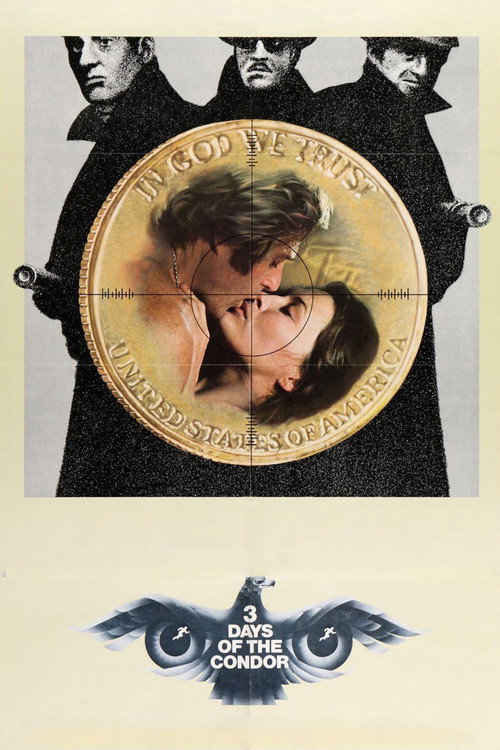
Three Days of the Condor1975
A CIA analyst on the run after witnessing a murder. The paranoia is suffocating, the plotting meticulous, and Robert Redford plays a thinking man forced to act. Essential 1970s spy craft.
But The ending feels rushed after two hours of careful tension. Some viewers find the pacing deliberate to the point of stalling.
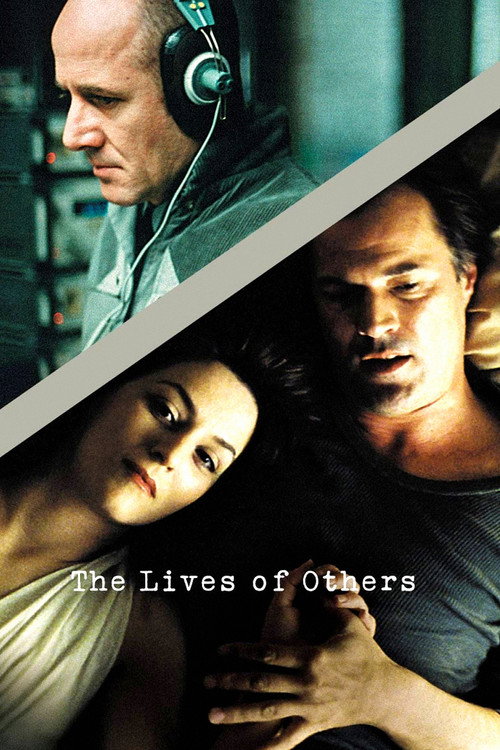
The Lives of Others2006
A Stasi surveillance officer is slowly humanized as he monitors a playwright. It's a masterpiece of moral corruption and redemption set during the Cold War. Quiet, devastating, and perfectly constructed.
But Subtitled, which requires attention. The film earns its restraint, but restraint requires patience.
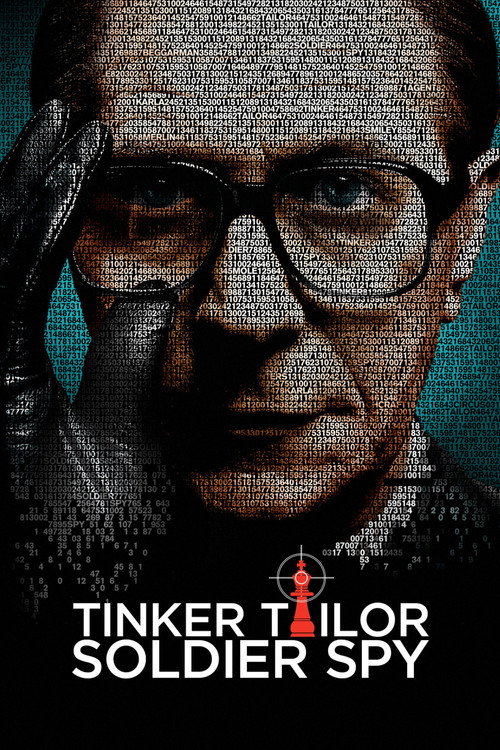
Tinker Tailor Soldier Spy2011
Gary Oldman as George Smiley hunting a Soviet mole inside British Intelligence. It moves like Topaz—oblique, atmospheric, rewarding close attention. The 1970s Cold War espionage at its most grown-up.
But The plot demands viewers follow multiple threads without explicit exposition. If you're not used to this, it feels impenetrable on first watch.
Not sure tonight? Get a pick in a minute, starting from Topaz
The wildcard
Something you would not have found on your own.
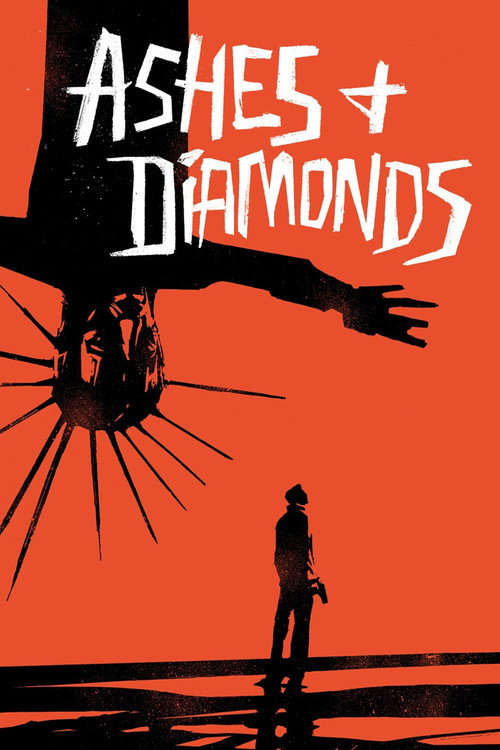
Ashes and Diamonds1958
Both films turn espionage into a study of men trapped between ideologies and loyalty, watched and watching. The spy apparatus becomes a mirror for existential powerlessness.
Andrzej Wajda's Polish masterpiece about the last night of the War, when a nationalist assassin shadows a Soviet intelligence officer. It's surveillance and moral paralysis in a collapsing world. The atmosphere is suffocating.
But It's a Polish film from 1958 in black and white, which creates multiple barriers to entry. The politics are rooted in specific history. It demands historical context.
More like this (8)
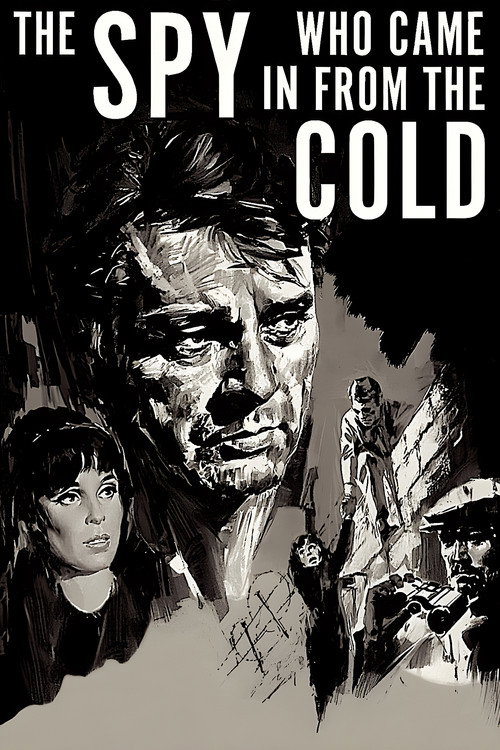
The Spy Who Came In from the Cold1965
Faithful adaptation of le Carré's novel about a burned-out British agent one last job in Berlin. It captures the moral exhaustion and moral ambiguity Topaz trades in. Slow-burn perfection.
But Richard Burton's performance is deliberately flat. If you want movie star energy, look elsewhere. This is about weariness.
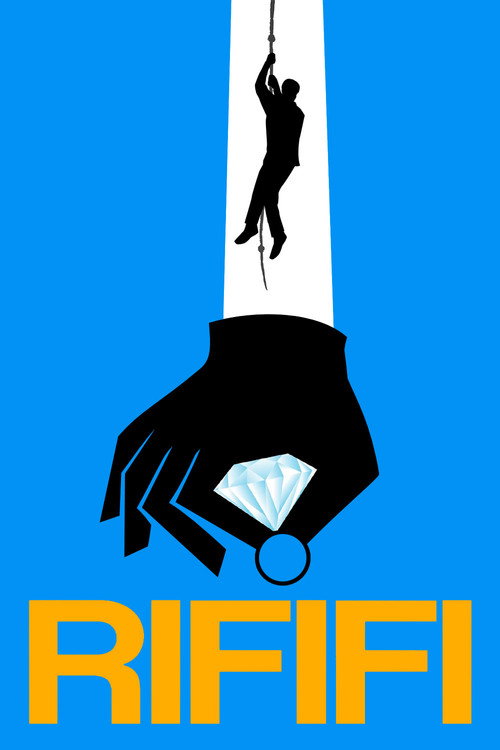
Rififi1955
A French heist film with Hitchcockian precision and very little dialogue during the central robbery. It's a master class in visual storytelling and tension. You'll understand why Topaz's restraint matters.
But It's a heist film, not espionage, so the stakes feel smaller. The middle sequence—brilliant as it is—asks a lot of viewers.
The Battle of Algiers1966
A docudrama about colonial conflict that Hitchcock reportedly studied. The conflict between spy networks and resistance cells. Visceral, politically engaged, formally perfect. A landmark film, period.
But It's blunt about political violence and colonialism in ways that can feel confrontational. Not entertainment in the traditional sense.

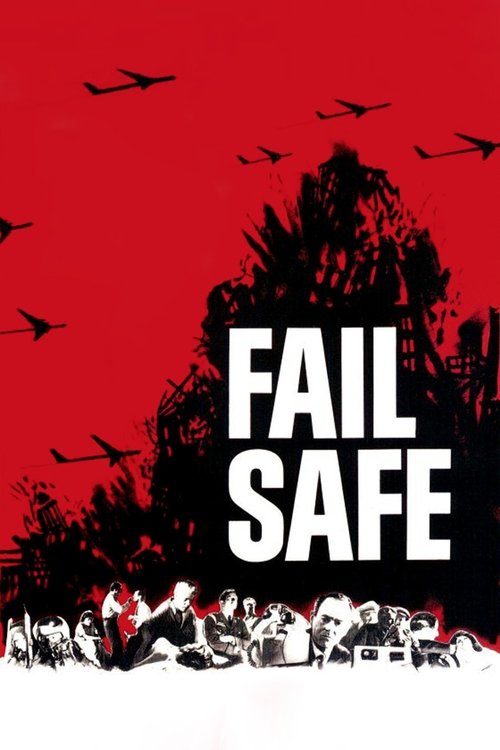
Fail Safe1964
A U.S. bomber heads toward Moscow by accident during the Cold War. The film is a series of impossible choices and moral failures. No music. Black and white. Sidney Lumet at his most austere and effective.
But It's relentlessly bleak and offers no catharsis. The ending is devastating by design, which some find exhausting rather than moving.
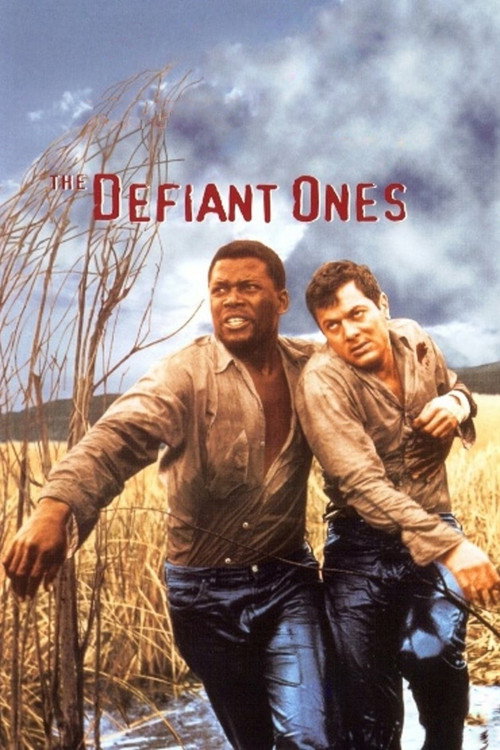
The Defiant Ones1958
A French thriller about a defector and the intelligence services chasing him. It's lean and nervous in exactly the way Topaz is. A film that trusts the viewer to follow without hand-holding.
But Not widely known, which means it's harder to find. The plot can feel thin if you're expecting conventional plotting.
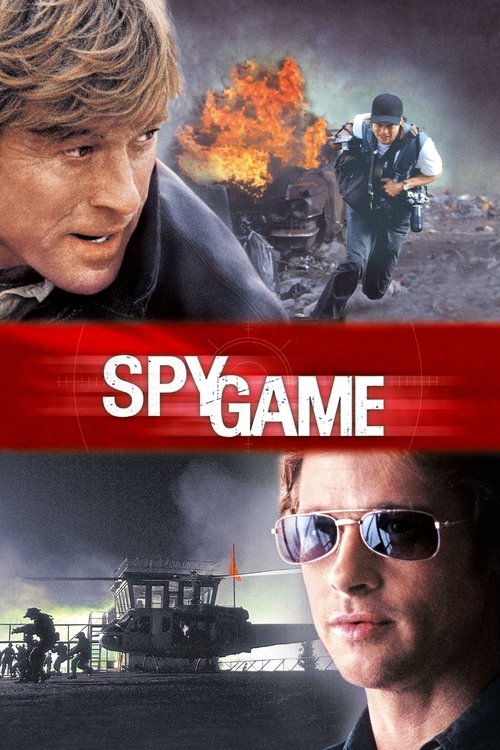
Spy Game2001
Robert Redford as a retiring CIA officer recounting his past over one day. It's an homage to le Carré and 1970s espionage craft. Handsome, intelligent, and pleasantly nostalgic for Cold War gravity.
But It's more Hollywood than Topaz. If you're seeking pure restraint, this will feel like compromise.
Stalker1979
Both are Cold War films obsessed with what loyalty costs and whether truth exists. Both treat ideology as a form of paralysis. Both trust silence more than exposition.
Andrei Tarkovsky's science-fiction meditation on desire, belief, and the state. A guide leads two men through a mysterious zone to a room that grants wishes. It's a Cold War parable disguised as metaphysics. Hypnotic, strange, unforgettable.
But It's 163 minutes and moves at a glacial pace. Three-quarters of it is men walking and talking. Tarkovsky requires surrender; if you can't give it, you'll find it insufferable.

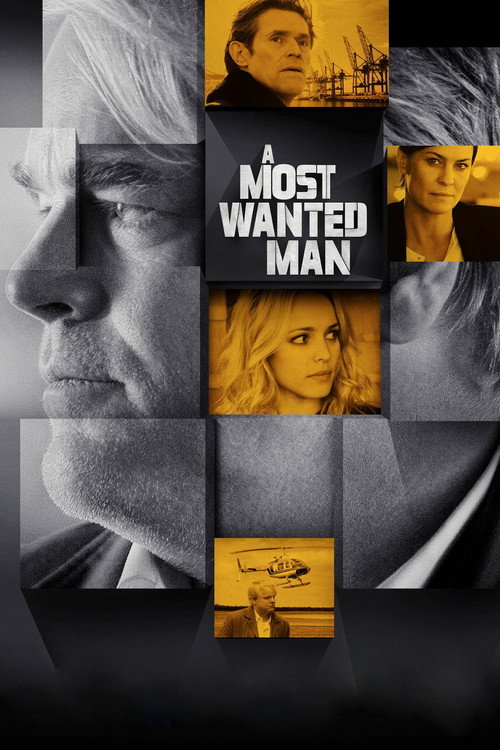
A Most Wanted Man2014
Both films share le Carré's moral universe: espionage as a system of lies that corrupts everyone it touches, including the people tasked with stopping it. Both see the spy game as a kind of beautiful tragedy.
le Carré adapted by Anton Corbijn, with Philip Seymour Hoffman as a Hamburg intelligence officer hunting a terrorist financier. It's a meditation on complicity and the state's moral corruption. Quietly devastating.
But Hoffman's final film, understated to the point of somber. The plot is secondary to the atmosphere of moral compromise. If you're looking for plot momentum, this stalls intentionally.
People
Cast
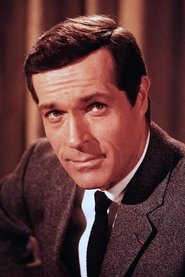 Frederick StaffordAndré Devereaux
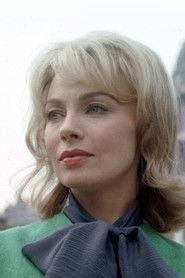 Dany RobinNicole Devereaux
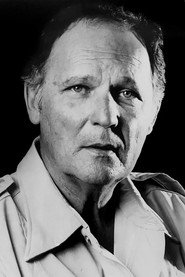 John VernonRico Parra
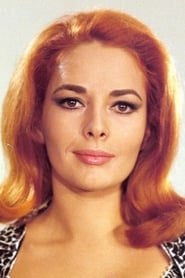 Karin DorJuanita de Córdoba
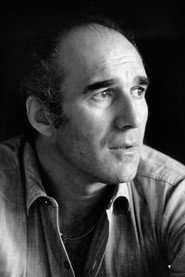 Michel PiccoliJacques Granville
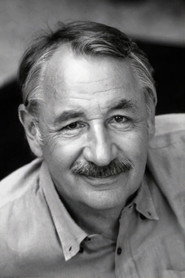 Philippe NoiretHenri Jarre
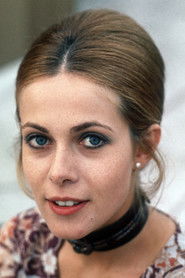 Claude JadeMichèle Picard
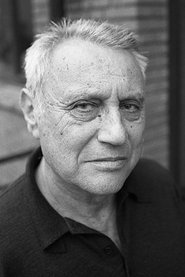 Michel SuborFrançois Picard
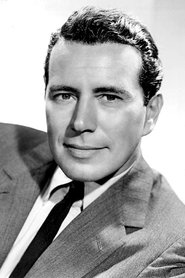 John ForsytheMichael Nordstrom
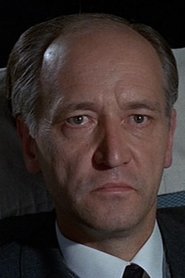 Per-Axel AroseniusBoris Kuzenov
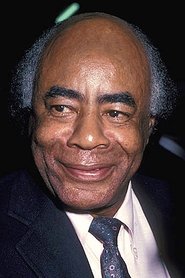 Roscoe Lee BrownePhilippe Dubois
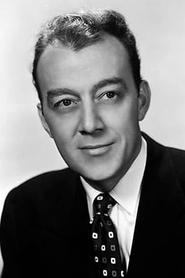 Edmon RyanMcKittreck
Directing
- Douglas GreenAssistant Director
- James A. WestmanAssistant Director
- Alfred HitchcockDirector
- Trudy von TrothaScript Supervisor
Writing
- Leon UrisNovel
- Samuel A. TaylorScreenplay
Production
- Herbert ColemanAssociate Producer
- Wallace Worsley Jr.Unit Production Manager
Recommended by
Ice Station Zebra, Firefox, The Man Between, The Woman on Pier 13, Journey into Fear, The Naked and the Dead, Telefon, Escape Route, I See a Dark Stranger, The Tamarind Seed, Cuba, The Iron Curtain, A Good Man in Africa, Grand Slam