
Film
Grand Slam
A stylish 1967 heist film where an American professor assembles an international crew to steal diamonds during Rio Carnival. Slick, playful, and propulsive—a caper that prioritizes momentum and wit over realism. For anyone who loves the architecture of a good con, delivered with genuine charm and real-world locations that sing.
If you liked this
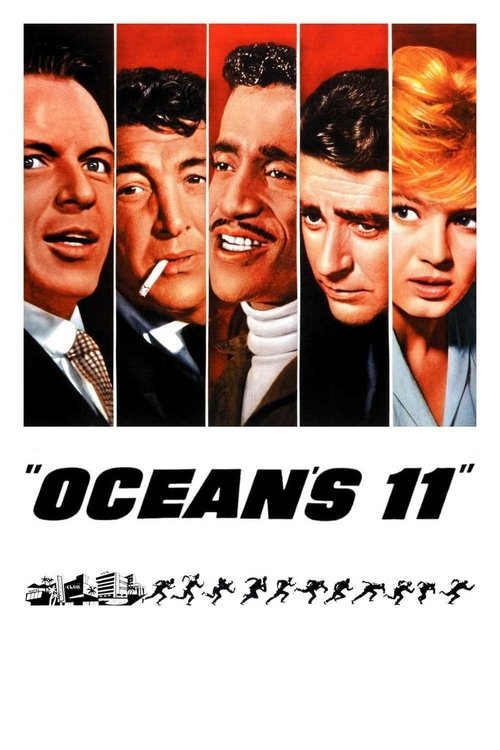
Ocean's Eleven1960
The gold standard of heist cinema. Elegant, funny, and built on the same principle: assemble a perfect team, execute a perfect plan, watch the complications unfold. Rat Pack cool meets genuine craft.
But The plot's almost background music to the star power. If you need propulsive narrative, the meandering pace might lose you.
Rififi1955
A masterclass in heist filmmaking—especially the legendary jewel-store robbery told entirely without dialogue. French thriller DNA that influenced everything after it, including Grand Slam. Tense and inventive.
But It's austere and cynical where Grand Slam is playful. The tone shift might feel like a comedown.

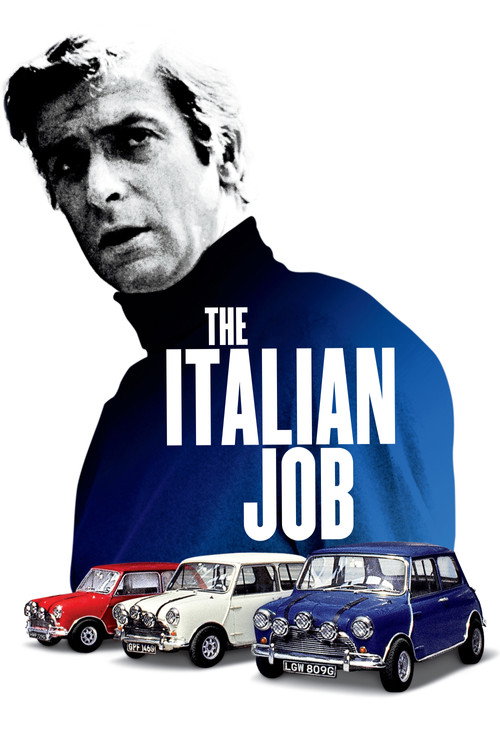
The Italian Job1969
Two years later, British charm applied to a heist in Turin. Charismatic cast, clever mechanics, absurd stunts, and genuine fun—it nails the same frequency as Grand Slam without trying too hard.
But The ending is famously incomplete. It stops rather than resolves, which either delights or infuriates.
Not sure tonight? Get a pick in a minute, starting from Grand Slam
The wildcard
Something you would not have found on your own.
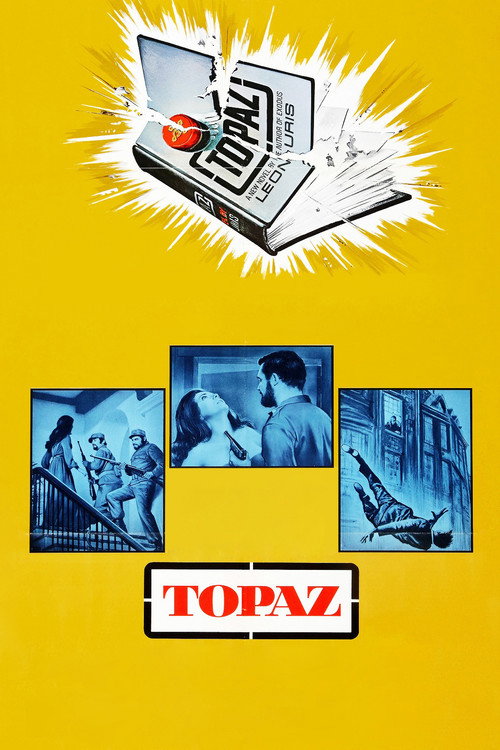
Topaz1969
Both films use international locations and ensemble specialists as their primary appeal. They're travelogues disguised as heists or spy stories—the real plot is watching beautiful people move through beautiful places executing precise operations.
Hitchcock's Cold War spy thriller, structured like a heist film with an international ensemble cast moving through exotic locations (Paris, Copenhagen, Berlin, Havana). The same globetrotting glamour and team-assembly logic, but for espionage instead of theft. Underrated Hitchcock that echoes Grand Slam's DNA while being entirely its own thing.
But Hitchcock was losing his touch; it's occasionally stiff and the politics date it. Some sequences feel padded, and the resolution is unsatisfying even by design.
More like this (8)
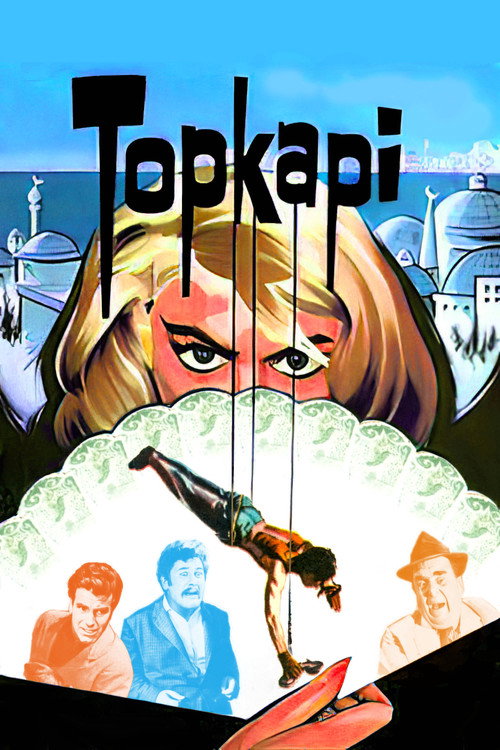
Topkapi1964
A jewel heist in Istanbul with a similar lightness of touch. Melina Mercouri is magnetic, and the film finds comedy in the logistics of theft. Warmly plotted and genuinely clever.
But It drags in the middle. The setup outpaces the payoff.
The Killing1956
Kubrick's lean, noir-soaked racetrack heist. Non-linear structure and ice-cold precision. A different temperature than Grand Slam, but the same skeleton—assembling specialists for one perfect score.
But It's bleak. There's no lightness, no carnival atmosphere. The ending hits like a closing door.

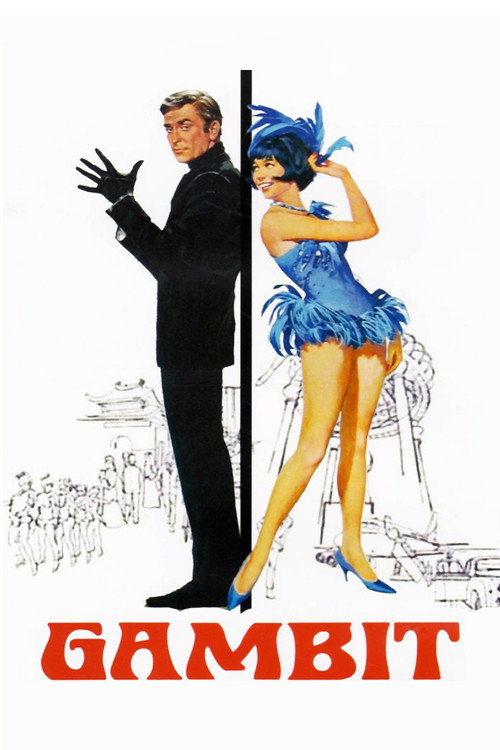
Gambit1966
A con film with Shirley MacLaine and Michael Caine. Quick, clever, full of reversals, and genuinely funny. Made the same year as Grand Slam, it proves the heist-caper was having a real moment.
But It's whimsical to the point of weightlessness. Some will find it insubstantial.
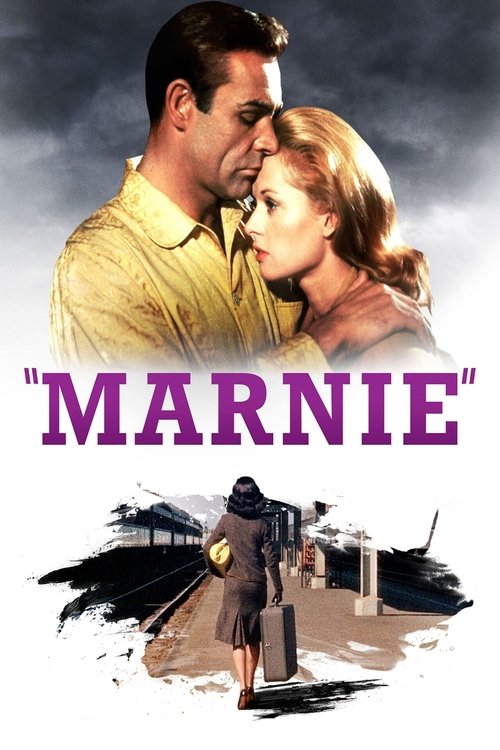
Marnie1964
Hitchcock's psychological thriller about theft and obsession. A different beast entirely—about compulsion rather than craft—but Janet Leigh gives a performance of real depth that hints at her range.
But It's slow and meditative where Grand Slam zips along. Hitchcock's obsession with Tippi Hedren is visible in the material, which some find uncomfortable.
The Asphalt Jungle1950
Considered the template for all heist films. Precise, morally complex, shot in crisp black and white. Everything Grand Slam references owes something to this.
But It's the prototype, not a variation. Watching it after Grand Slam means seeing the moves you already know executed with less personality.

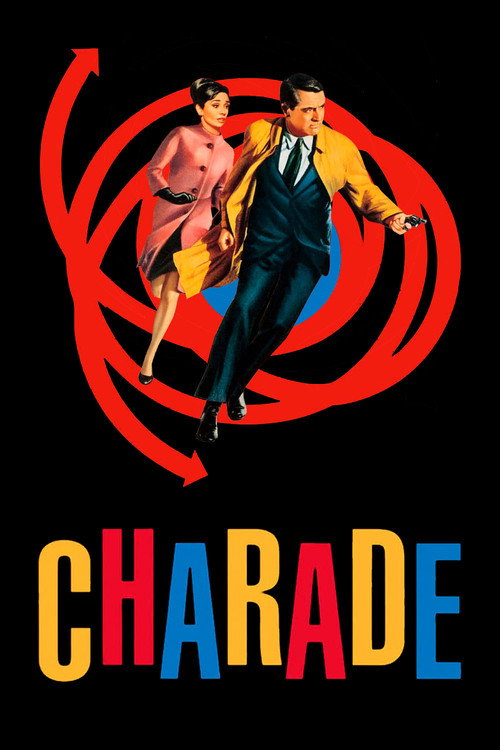
Charade1963
Audrey Hepburn in Paris, surrounded by danger and intrigue. Lighter than its plot suggests, beautifully shot, and propelled by genuine chemistry. A heist-adjacent film—theft, treasure, and misdirection.
But The tonal shifts can feel jarring. It's not sure whether it's a thriller or a romance, and it doesn't quite resolve that tension.
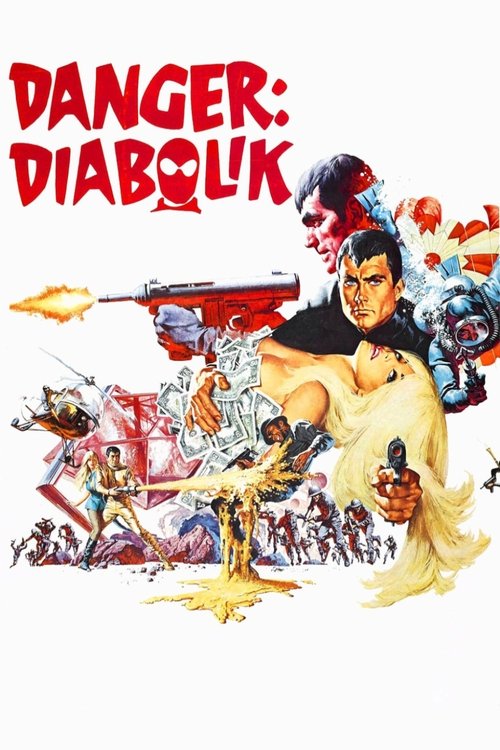
Danger: Diabolik1968
Both films treat theft as performance art rather than crime. The heist is the spectacle; consequences barely register. Both are more interested in the elegance of execution than in moral weight.
A dazzling Italian comic-book adaptation about a master thief who steals not for money but for art's sake. Wildly stylized, operatic set design, a pulsing soundtrack, and a gleeful rejection of morality. Pure aesthetic pleasure—like Grand Slam was directed by someone on a psychedelic drug.
But It's campy and artificial in ways modern audiences often reject. The plot barely matters. If you need emotional stakes, this has none.
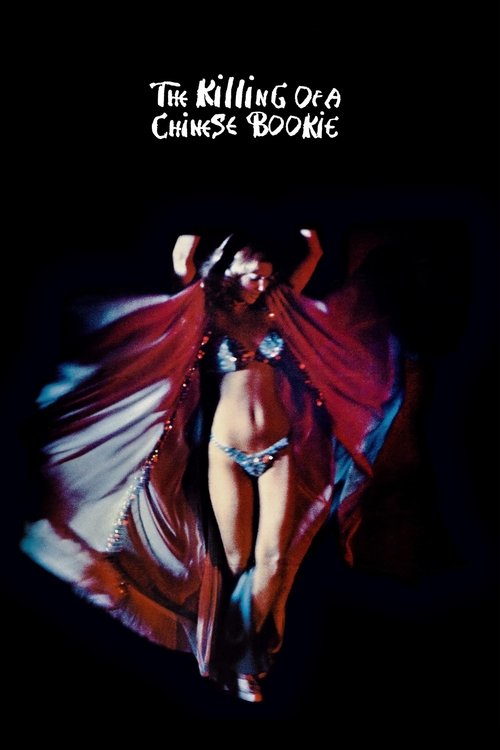
The Killing of a Chinese Bookie1976
Both use the architecture of a heist—team, plan, execution—but Grand Slam is interested in the performance while Bookie is interested in the psychological unraveling underneath. They're inverse takes on the same container.
A Cassavetes fever-dream about a nightclub owner forced to commit murder to pay gambling debts. Shot like a heist film but actually a character study—the con and the caper are just scaffolding for exploring obsession and desperation. Grainy, intimate, hypnotic.
But It's deliberately fragmented and repetitive. The plot moves in spirals. If you want clarity and forward momentum, this will frustrate you deeply.
People
Cast
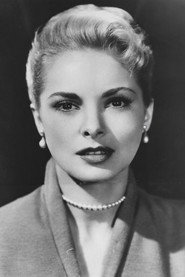 Janet LeighMary Ann
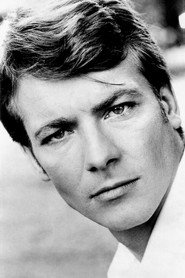 Robert HoffmannJean-Paul Audry
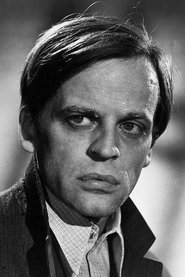 Klaus KinskiErich Weiss
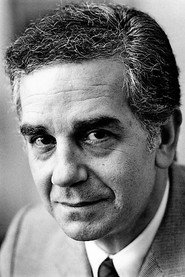 Riccardo CucciollaAgostino Rossi
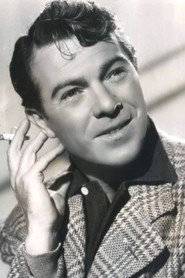 George RigaudGregg Hutchinson
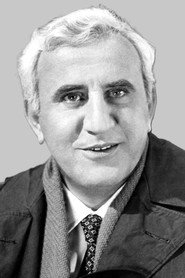 Adolfo CeliMark Milford
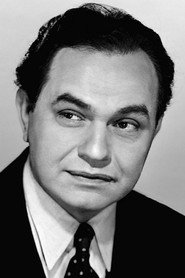 Edward G. RobinsonProf. James Anders
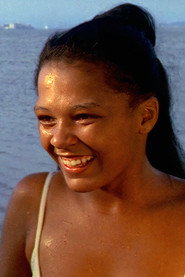 JussaraSetuaka
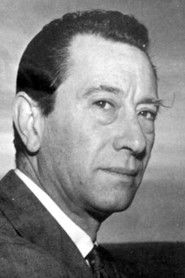 Miguel del CastilloManager

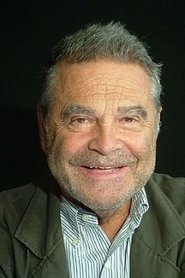 Valentino Macchi(credit only)
Directing
- Giuliano MontaldoDirector
- Carlos CoutoFirst Assistant Director
- Federico CanudasFirst Assistant Director
- Mauro SacripantiFirst Assistant Director
Writing
- Augusto CaminitoScreenplay
- José Antonio de la LomaScreenplay
- Marcello CosciaScreenplay
- Marcello FondatoScreenplay
- Mino RoliScreenplay
- Augusto CaminitoStory
- Mino RoliStory
- Paolo BianchiniStory
Production
- Zeljko KunkeraExecutive Producer
- Massimo DallamanoLine Producer
- Arrigo ColomboProducer
- Giorgio PapiProducer
- Franco SerinoProduction Manager
- Roberto MachadoProduction Manager
- Valentín SallentProduction Manager
- Franco CuccuProduction Secretary
- José MallaProduction Secretary
- Genis RodriquezUnit Manager
- Lucio TrentiniUnit Manager
- Raul AraujoUnit Manager