
Film
The Iron Curtain
A tense 1948 thriller based on the true story of Soviet cipher clerk Igor Gouzenko's defection from the Ottawa embassy with classified documents exposing a vast espionage network. It's a paranoid, claustrophobic Cold War procedural that moves like a thriller even as it grapples with the real consequences of betrayal and survival. Essential viewing for anyone interested in how cinema processed the dawning nuclear age.
If you liked this
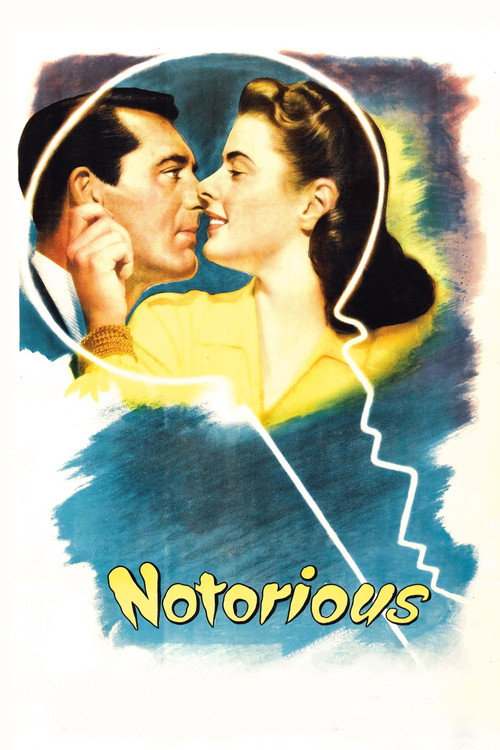
Notorious1946
Hitchcock's masterpiece about American agents infiltrating a Nazi cell uses similar Cold War paranoia and moral ambiguity, with Cary Grant and Ingrid Bergman caught between duty and love in a suffocating web of secrets.
But It's a slower-burn spy film than modern audiences expect, and the romantic subplot takes as much screen time as the espionage plot.
The Third Man1949
Carol Reed's Vienna-set noir captures that exact moment of postwar disillusionment and double-dealing, with Orson Welles as a charismatic black marketeer and Joseph Cotten as a man discovering the world isn't as simple as he thought.
But The zither score, iconic as it is, sounds strange and dated to modern ears, and the pacing is deliberately unhurried.

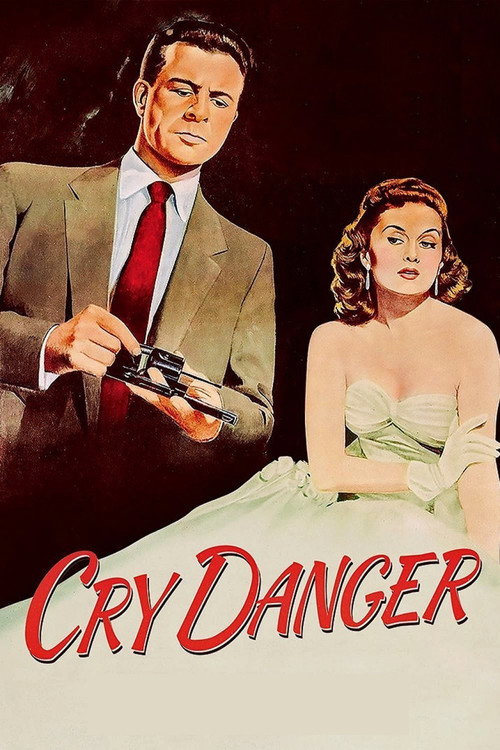
Cry Danger1951
Dick Powell's B-noir about a wrongly accused man navigating a corrupt system has the same lean, efficient storytelling and moral murk—no heroes, just people trying to survive in a rigged game.
But It's genuinely obscure and plays like a second feature; some viewers find it underbaked compared to bigger-budget thrillers.
Not sure tonight? Get a pick in a minute, starting from The Iron Curtain
The wildcard
Something you would not have found on your own.
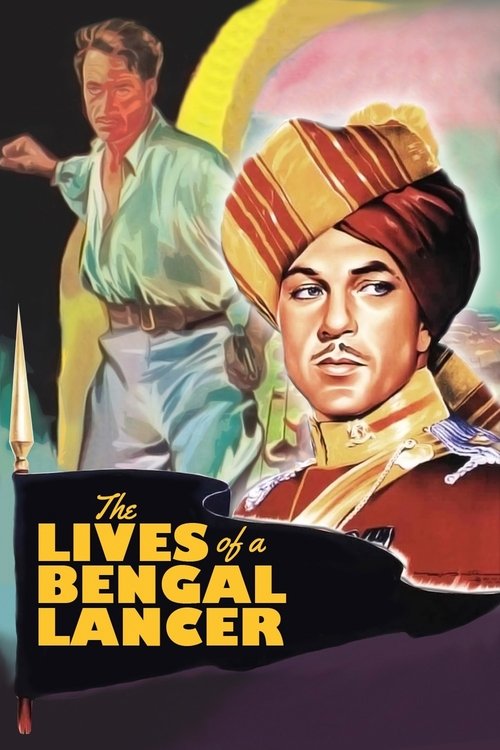
The Lives of a Bengal Lancer1935
Both wrestle with loyalty to an institution versus loyalty to principle, but this one asks the question from the inside, before the rupture.
A pre-war imperial adventure that looks backward to duty and sacrifice. Watching it now feels like watching the world Gouzenko's generation thought they were serving—and discovering it was already rotten.
But It's a seventy-year-old colonial adventure film with all the casual racism and attitudes that entails. It plays as dated propaganda to modern eyes.
More like this (7)
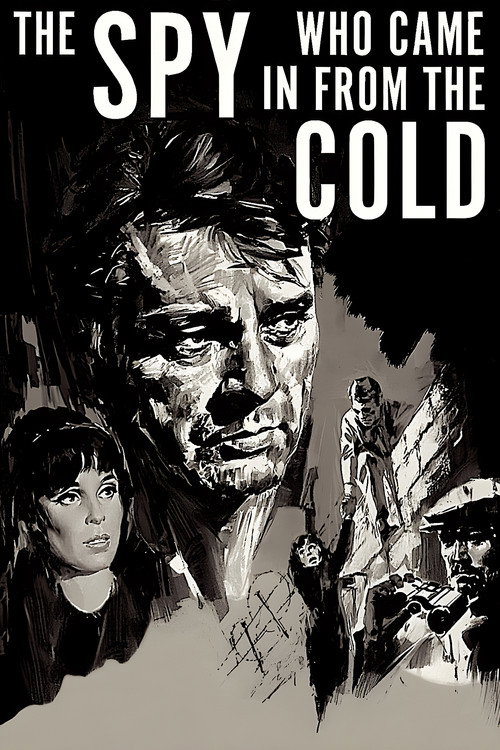
The Spy Who Came In from the Cold1965
Le Carré's weary, procedural Cold War espionage novel becomes a film that treats spycraft as unglamorous labour. Richard Burton as a burnt-out agent defecting is the exhausted mirror to Gouzenko's defection.
But It's deliberately anti-thriller—slow, bureaucratic, and deeply cynical. If you want action, you'll be disappointed.
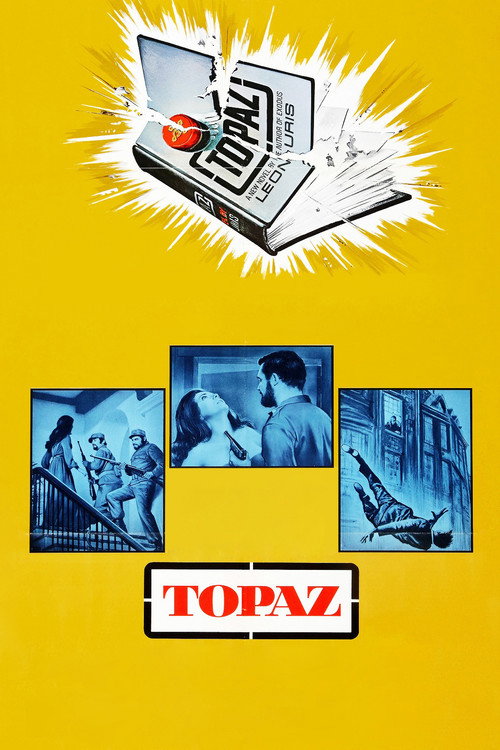
Topaz1969
Hitchcock's often-dismissed Cold War thriller about a French intelligence officer navigating Cuban missile crisis espionage has the same structural DNA: defection, documents, international complications, and no easy answers.
But It's considered one of Hitchcock's weaker efforts, and the pacing sags in the middle. The politics feel muddled by modern standards.
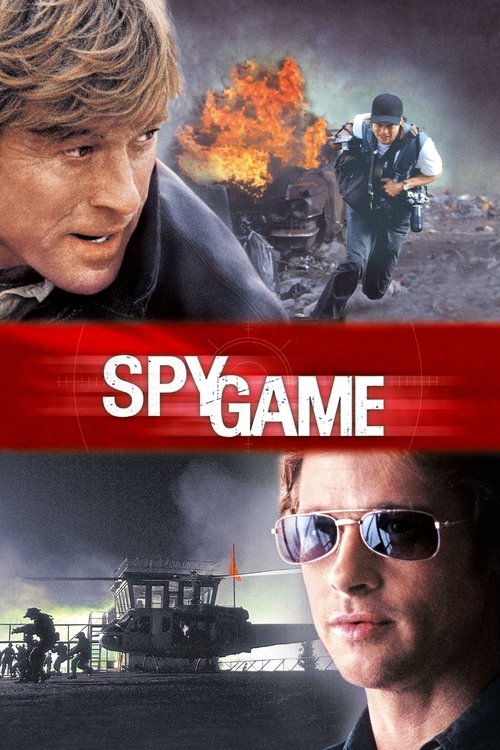
Spy Game2001
Tony Scott's cat-and-mouse game between Robert Redford and Brad Pitt uses fractured timelines to tell the story of a spy and his young protégé. It captures the mentorship and sacrifice themes that shadow Gouzenko's choice.
But It's slick and propulsive to the point of hollow—more style than substance, and the twists don't justify the elaborate structure.
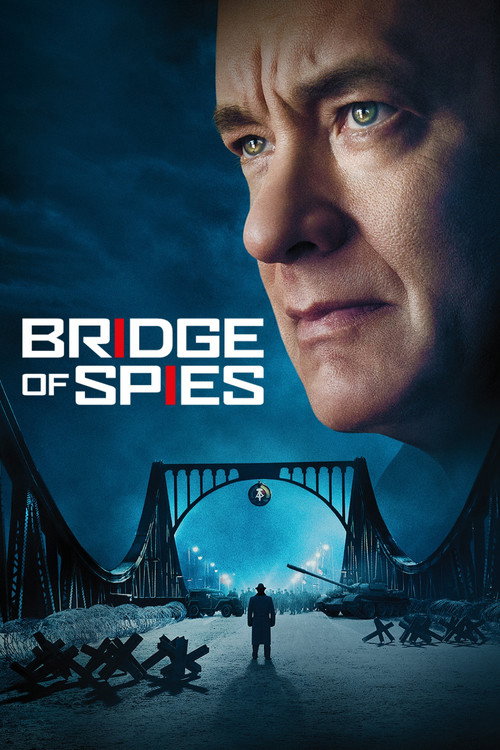
Bridge of Spies2015
Spielberg and Tom Hanks craft a measured, intelligent Cold War procedural about a lawyer negotiating a prisoner exchange, grounded in moral pragmatism and the exhausting work of diplomacy.
But It moves at a deliberate pace and has minimal action; some find it too tasteful, even for Spielberg.
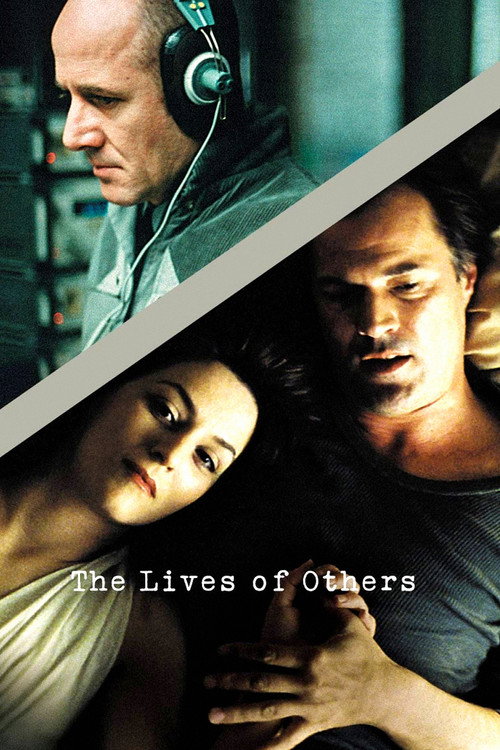
The Lives of Others2006
This haunting German film follows a Stasi officer surveilling a playwright and discovering conscience. It's about surveillance, betrayal, and the quiet moral reckoning that comes when someone chooses humanity over state.
But It's in German with subtitles, and the mood is relentlessly bleak. Watching it requires patience and emotional stamina.
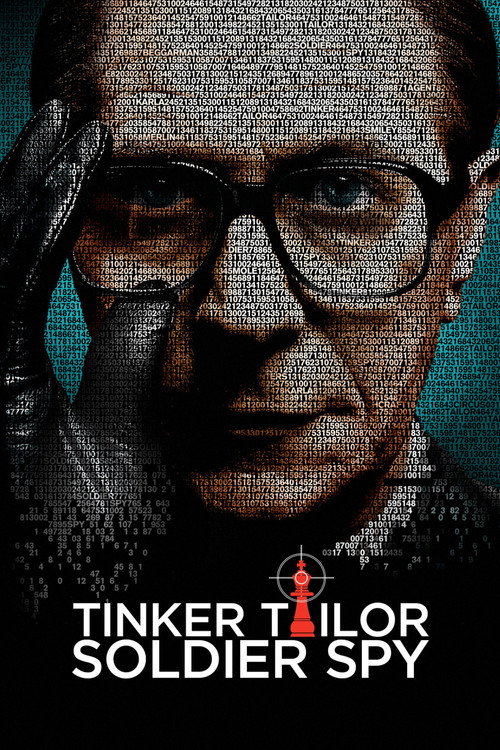
Tinker Tailor Soldier Spy2011
Gary Oldman's glacial George Smiley hunts a Soviet mole inside British intelligence. It's methodical, cryptic espionage cinema that trusts the audience to piece together betrayal without exposition.
But The plot is genuinely difficult to follow, the pace glacial, and there's almost no action. Many viewers find it exhaustingly opaque.
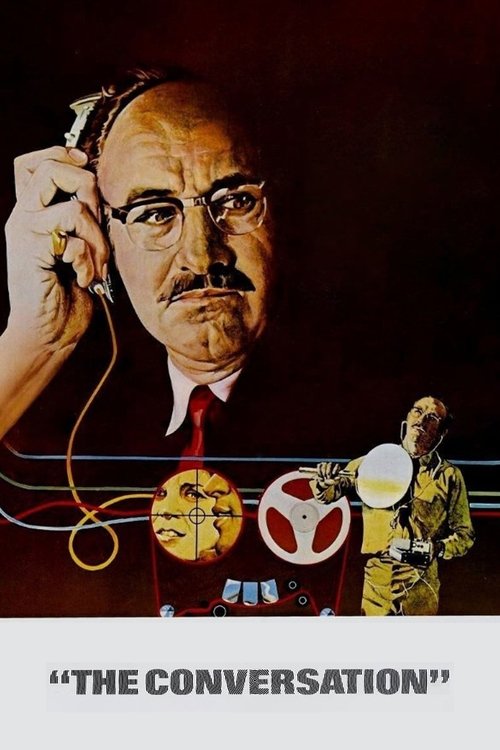
The Conversation1974
Both are about the moment someone knows too much and can't unknow it, and the terrible freedom that comes from choosing to act on that knowledge.
Coppola's paranoid masterpiece about a surveillance expert who records a couple's conversation and becomes morally crushed by what he might have enabled. It inverts the Gouzenko story: instead of secrets exposed, secrets weaponised, and the witnessing itself becomes guilt.
But It's a character study about internal breakdown, not external action. Gene Hackman's performance is internalised to the point of opacity for some viewers.
People
Cast
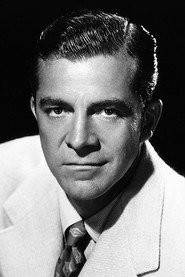 Dana AndrewsIgor Gouzenko
 Gene TierneyAnna Gouzenko
 June HavocNina Karanova
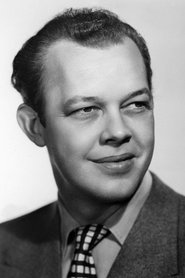 Berry KroegerJohn Grubb, aka 'Paul'
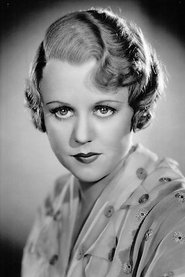 Edna BestMrs. Albert Foster
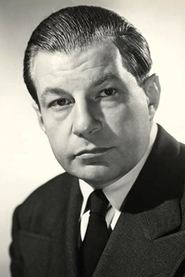 Stefan SchnabelCol. Ilya Ranov
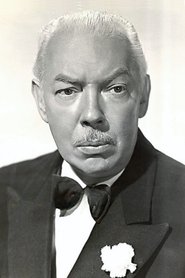 Nicholas JoyDr. Harold Preston Norman, aka 'Alec'
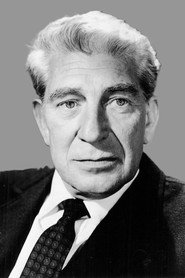 Eduard FranzMaj. Semyon Kulin
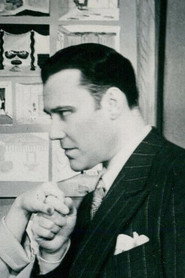 Frederic TozereCol. Aleksandr Trigorin (as Frederic Tozère)
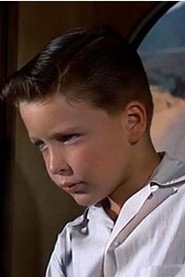 Christopher OlsenAndrei Gouzenko
Directing
- William A. WellmanDirector
Writing
- Milton KrimsScreenplay
- Igor GouzenkoWriter
Production
- Sol C. SiegelProducer