
Film
Cry Danger
A lean, smart noir about a man recently freed from prison who risks everything to prove his friend innocent of the crime that put them both away. Dick Powell trades his song-and-dance persona for something harder—cynical, focused, tense. It's unpretentious pulp cinema with real conviction: seventy-nine minutes of purpose, no fat, no sentiment.
Should you watch it?
Watch it if you enjoy lean, talky 1950s noir where a wisecracking ex-convict's sharp dialogue and moral scrambling matter more than big set pieces, in the vein of classic Raymond Chandler-style hard-boiled storytelling.
Skip it if you want constant action or a fast pace, since this one spends a lot of its runtime on conversations, back-room maneuvering and a slow build of suspicion rather than explosive momentum.
What it asks of you: Under eighty minutes, it moves at a measured, chatty clip and asks you to keep track of who is lying to whom, with its shadows and wit doing most of the work.
Not sure? Find tonight's pick in a minute.
If you liked this
The Killing1956
Kubrick's heist masterpiece about a racetrack robbery gone wrong. Like Cry Danger, it's all plot momentum and moral compression—how a good scheme unravels when you can't trust anyone around you.
But It's structurally intricate in a way that demands attention, and some of the 1950s attitudes in the dialogue won't age well for modern viewers.

In a Lonely Place1950
Bogart as a volatile screenwriter accused of murder, desperate to prove himself innocent while his own temperament keeps building the case against him. The paranoia mirrors Rocky's situation exactly, but with darker psychology.
But It's bleaker and more interested in how innocence can be unprovable than in satisfying resolution. The ending is deliberately unsettling.

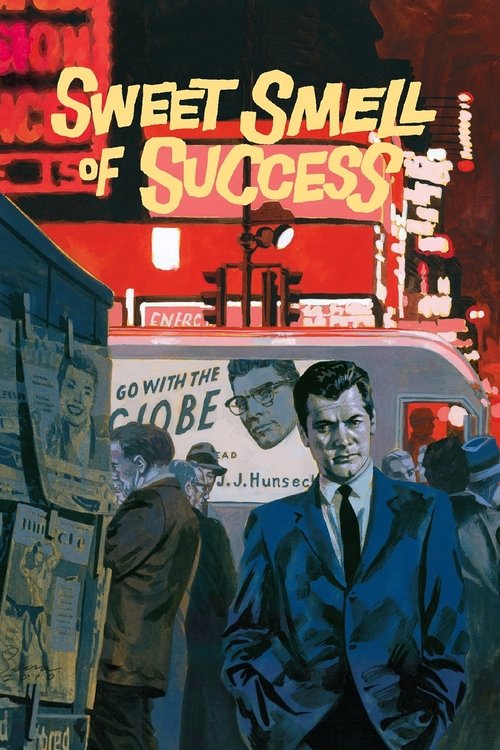
Sweet Smell of Success1957
Another Powell vehicle soaked in corruption and moral compromise. It's the same Los Angeles underworld but with a venomous edge—the dialogue alone is worth the price of entry.
But The plot takes second place to the poison in every interaction. If you need forward momentum and payoff, this will feel glacial.
Not sure tonight? Get a pick in a minute, starting from Cry Danger
The wildcard
Something you would not have found on your own.
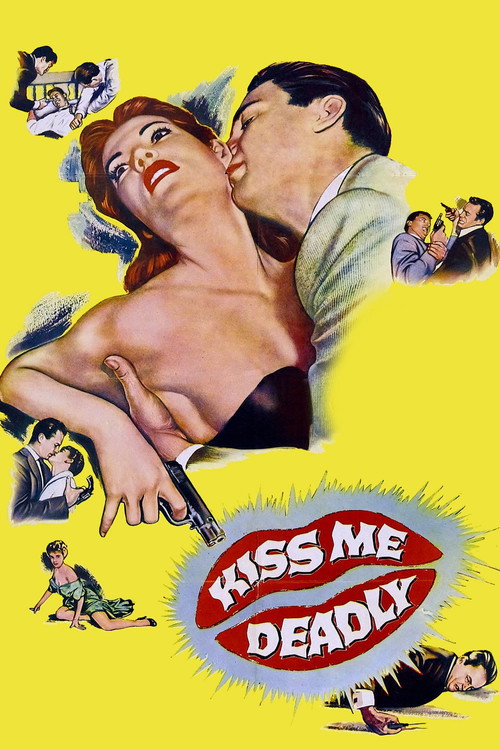
Kiss Me Deadly1955
Both are small-budget crime films operating at maximum efficiency, with protagonists who succeed not through cleverness but through relentless forward motion. But where Rocky is trying to save someone, Hammer's relentlessness destroys everything it touches—same engine, opposite moral valence.
Robert Aldrich's savage reimagining of Mickey Spillane's Mike Hammer: a detective as instrument of violence, indifferent to innocence or guilt, just motion and consequence. It's noir corroded into something genuinely dangerous.
But It's nihilistic and ugly in ways that make most noir look quaint. The casual misogyny is appalling, and the apocalyptic ending troubles viewers who want their thrillers to resolve.
More like this (7)
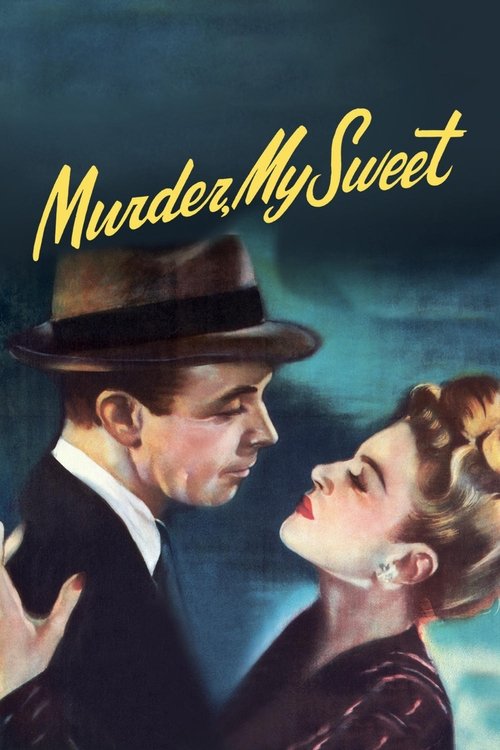
Murder, My Sweet1944
Powell again, but this time as a hard-boiled detective navigating a maze of double-crosses that could have sprung from the same underworld as Cry Danger. Rich, dark, expertly constructed.
But It's longer and more ornate than Cry Danger, with an extended flashback structure that some find precious rather than elegant.
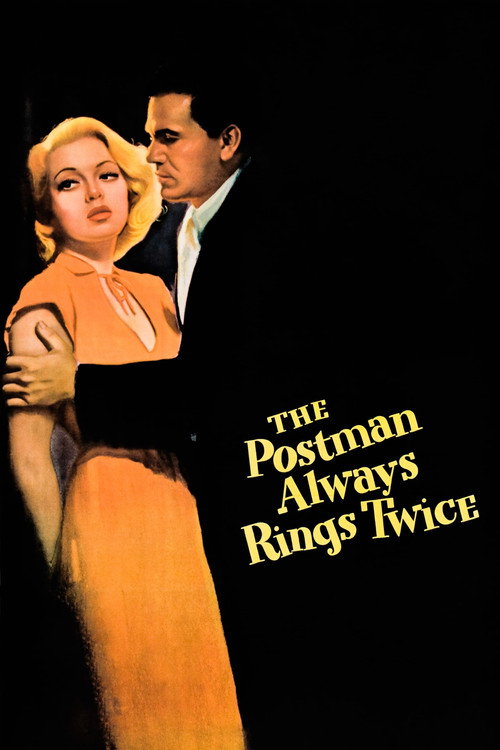
The Postman Always Rings Twice1946
Lana Turner, John Garfield, a murder, an innocent man with a reason to help. Same recipe as Cry Danger but with fatal attraction and betrayal as the main course.
But The noir atmosphere is so thick it occasionally suffocates the story, and the ending bows to production code moralizing in ways that feel tacked on.
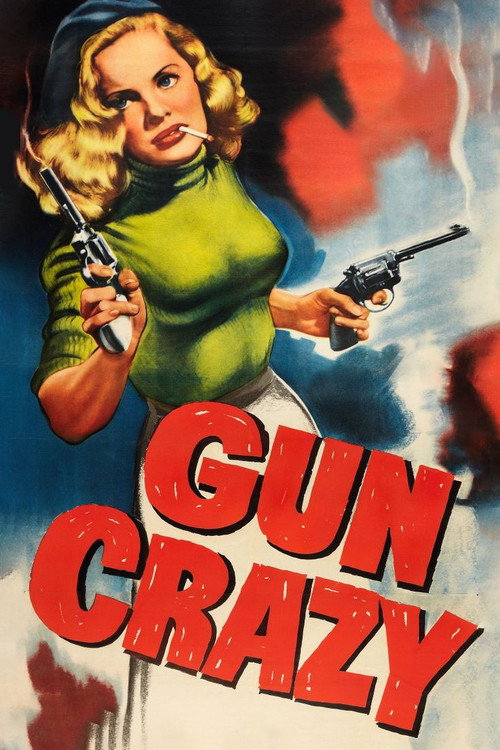
Gun Crazy1950
A lean, propulsive crime story about a man and woman on the run, made just a year before Cry Danger. It has the same documentary-style precision and refusal to romanticize its criminals.
But It's most famous for its influence on Bonnie and Clyde rather than standing on its own merits, and some find it dated rather than classic.
The Asphalt Jungle1950
The template for heist noir: a meticulous crime, a diverse crew, the weight of law and circumstance crushing down. If you want to understand where Cry Danger's DNA comes from, start here.
But It's a foundational text, which means it plays as competent but familiar if you've seen its descendants. The pacing is deliberate to the point of severity.

The Killers1946
Burt Lancaster in a double role, opening with his murder and then unspooling backwards to show why. Like Cry Danger, it's obsessed with the gap between innocence and guilt, and how the truth can be slippery.
But The narrative structure is deliberately fragmented, which some audiences find clever and others find just confusing.

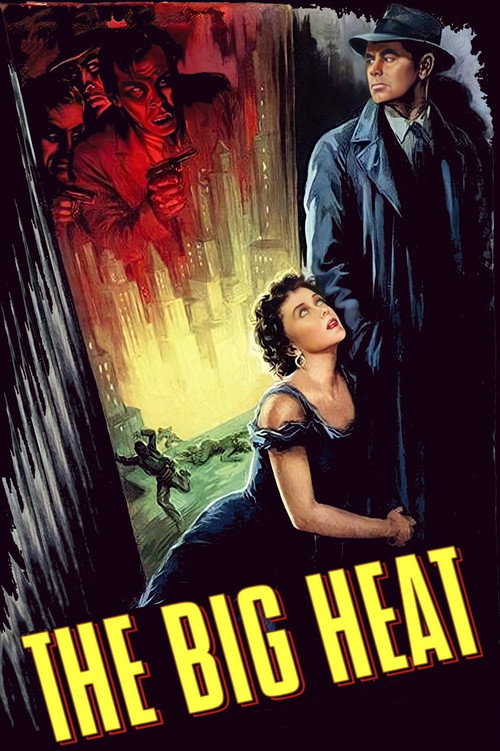
The Big Heat1953
Both feature a protagonist moving through corruption and lies with purpose, but The Big Heat is interested in how that purpose can metastasize into something ugly. If Cry Danger is about proving innocence, The Big Heat is about the damage done in proving anything at all.
Fritz Lang's furnace of a film: a man set on fire (metaphorically) by injustice, pursuing revenge through the criminal underworld. It has Cry Danger's precision and its willingness to let moral philosophy sit quietly beside plot mechanics.
But It's preoccupied with themes of violation and violence against women in ways that feel genuinely uncomfortable rather than exploitative, but that discomfort may be the point, and some viewers won't want to sit with it.
The Third Man1949
Both are films about loyalty pursued into dangerous places, but The Third Man knows that loyalty and truth may be incompatible. Where Cry Danger believes in clearing your friend's name, The Third Man suggests your friend might not deserve clearing, and what you do then is the real story.
Set in occupied Vienna, a man arrives to investigate his friend's death and finds nothing is what it seems. It has the same architecture as Cry Danger—one person's obsession unraveling a web of lies—but in a more sophisticated register, with visual genius and moral ambiguity baked in.
But It's a masterpiece, which means it can feel precious or remote. The post-war setting and European sensibility are a long way from Rocky Mulloy's Los Angeles. Some find it slow.

People
Cast
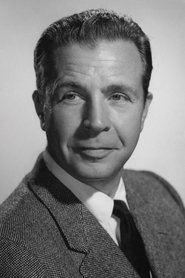 Dick PowellRocky Mulloy
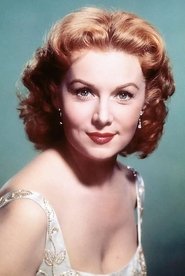 Rhonda FlemingNancy Morgan
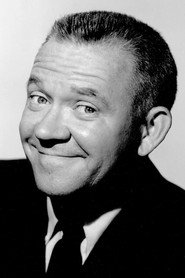 Richard ErdmanDelong
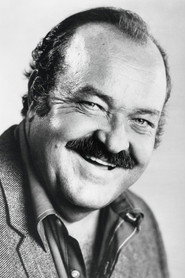 William ConradLouie Castro
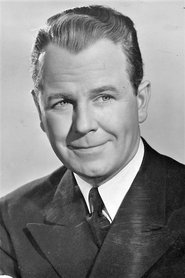 Regis ToomeyGus Cobb
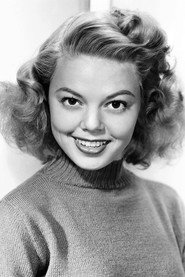 Jean PorterDarlene LaVonne
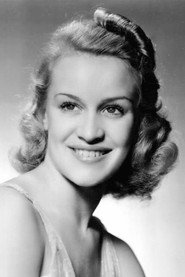 Joan BanksAlice Fletcher
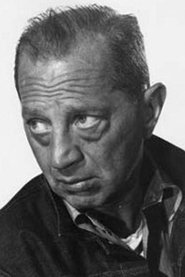 Jay AdlerWilliams
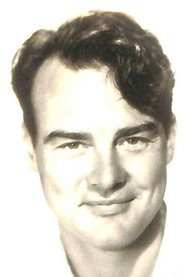 Renny McEvoyTaxi Driver
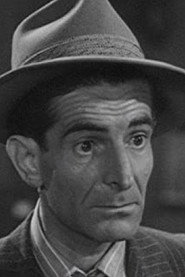 Lou LubinHank
- Benny BurtBartender
 Hy AverbackBookie
Directing
- Lowell J. FarrellAssistant Director
- Robert ParrishDirector
Writing
- William BowersScreenplay
- Jerome CadyStory
Production
- Sam WiesenthalProducer
- W.R. FrankProducer
- Herman E. WebberProduction Supervisor