
Film
The Red Danube
A 1949 Cold War melodrama about a Russian ballerina caught between defection and duty, set in occupied Vienna. It's earnest, romantically tangled, and steeped in post-war anxiety—a handsome Hollywood product that treats Soviet paranoia and the machinery of espionage with genuine dramatic weight. For viewers drawn to classical suspense cinema and the particular texture of late 1940s filmmaking.
Should you watch it?
Watch it if you enjoy postwar Cold War dramas where the political machinery is felt through ordinary people, and a romance is tangled up in real danger rather than sweetening it.
Skip it if you want brisk, contemporary pacing, since this moves at a measured mid-century clip and its romance can feel stiff beside the political stakes.
What it asks of you: At nearly two hours, its scenes are deliberate and talky, with tension built from waiting, glances and quiet calculation more than from chases.
Not sure? Find tonight's pick in a minute.
If you liked this
The Third Man1949
Set in occupied Vienna just like Red Danube, it's the masterpiece of this exact milieu—Carol Reed's pulp-noir masterpiece about intrigue and betrayal amid Cold War rubble, with cinematography that still takes the breath away.
But At nearly two hours, it moves deliberately; the plot twists are less melodrama than moral labyrinth, which demands patience and rereading scenes.

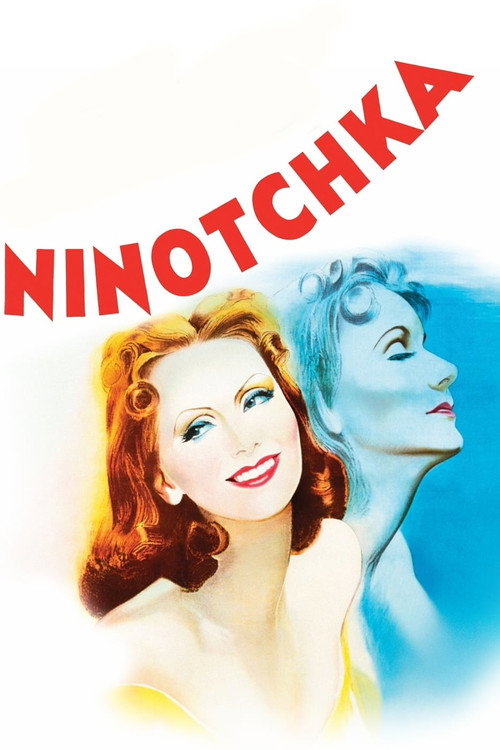
Ninotchka1939
Greta Garbo as a Soviet envoy thawing under romance in Paris—the spiritual ancestor of Red Danube's premise. It's sophisticated, funny, and handles the Soviet-vs-West tension with wry grace that still works beautifully.
But It's a comedy first, which means it undercuts the drama; some find Garbo's performance mannered, and the politics feel dated even for satire.
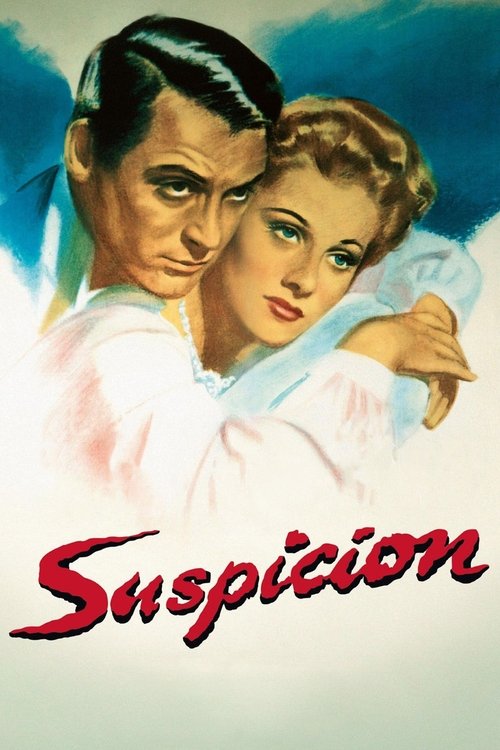
Suspicion1941
Cary Grant and Joan Fontaine in Hitchcock's marriage-as-minefield—paranoia, doubt, and romantic betrayal wound so tight you can barely breathe. Same psychological tension as watching a defector wonder who to trust.
But The ending compromises the film's moral clarity to protect the lead's image; once you know it, the suspense collapses on a rewatch.
Not sure tonight? Get a pick in a minute, starting from The Red Danube
The wildcard
Something you would not have found on your own.
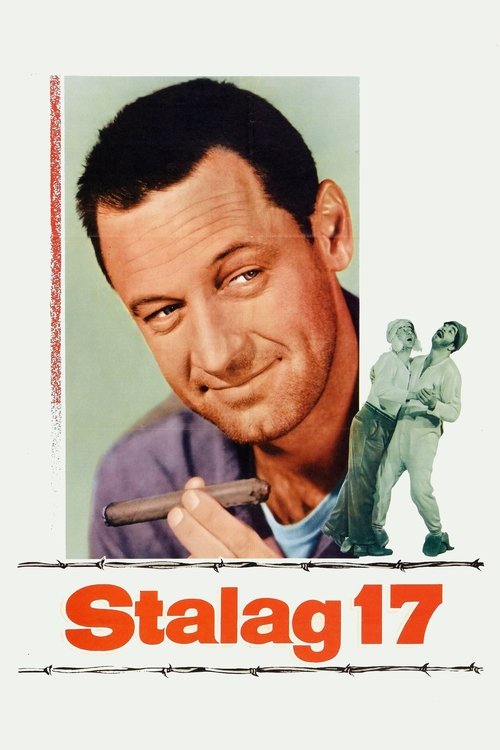
Stalag 171953
Both navigate the collapse of trust in wartime: Red Danube shows defection as an act of faith, Stalag 17 as an act of suicide. Same machinery, opposite sides.
Wilder's POW film flips Red Danube's logic entirely: instead of Soviets as threat, it's a trapped American soldier hunting a traitor in his own barracks. The paranoia, loyalty tests, and moral vertigo are identical; the register is pitch-black farce that somehow makes it worse.
But It's claustrophobic and mean-spirited; the humor is very dark, and if you came expecting heroism, you'll be unsettled.
More like this (7)
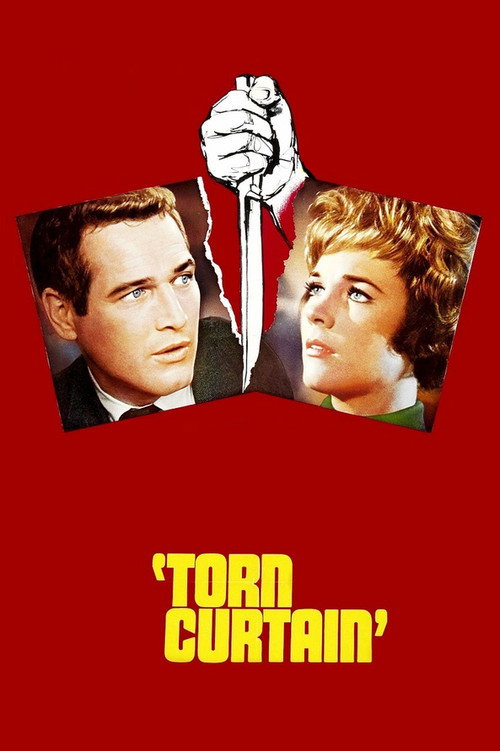
Torn Curtain1966
Hitchcock's answer to the defection thriller: a physicist and his wife navigate East Germany during the Cold War. It's tense, trickier than it looks, and Paul Newman is excellently at sea.
But It lacks Hitchcock's usual visual flair; the middle drags, and the tone wavers between thriller and espionage procedural without quite landing.
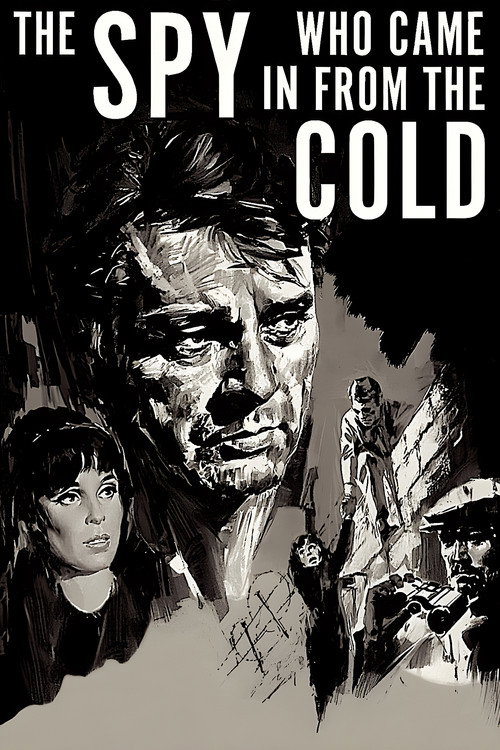
The Spy Who Came In from the Cold1965
John le Carré's bleak masterpiece—defection and betrayal in Berlin, filmed in grey-scale misery that refuses the glamour of spy fiction. It understands the moral cost of the Cold War in ways Hollywood usually won't.
But It's deliberately unglamorous and slow; if you want derring-do or a romantic resolution, this will feel like penance.
The Red Shoes1948
A ballet dancer torn between art and love—made the year before Red Danube, with far more visual daring. Powell and Pressburger's technicolor obsession is intoxicating; Angela Lansbury plays a smaller role here, but the film's grip is total.
But It's surreal and operatic; if you want narrative clarity, the famous ballet sequence will feel like an endurance test rather than transcendence.

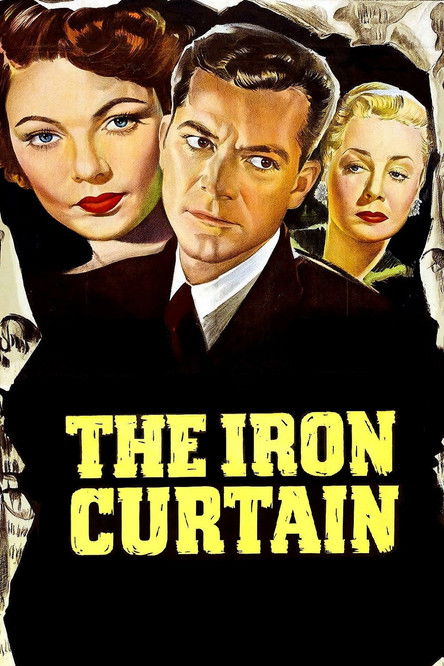
The Iron Curtain1948
Another 1948 Cold War defector drama, based on a true Soviet spy's escape. It's propulsive, genuinely paranoid, and Dana Andrews gives a sharp, economical performance as a man racing to survive.
But The anti-Soviet messaging is very explicit and sometimes clumsy; it reads more like propaganda than drama, even for the period.
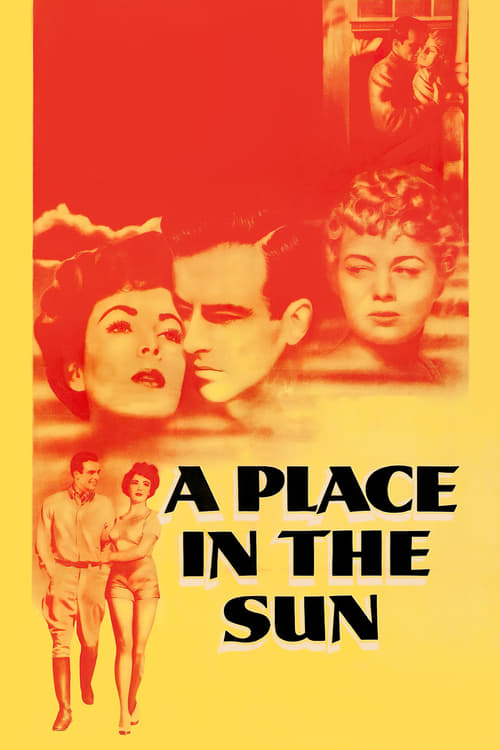
A Place in the Sun1951
Montgomery Clift and Elizabeth Taylor in a doomed romance that's all longing and class anxiety. The moral architecture—two women, one man, impossible choices—echoes Red Danube's romantic stakes.
But At nearly two hours, the pacing is glacial; the class commentary can feel heavy-handed, and some find the ending punitive.
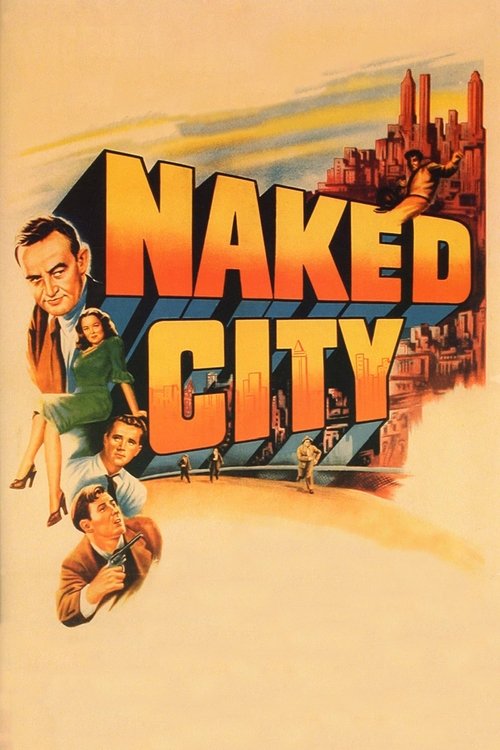
The Naked City1948
Dassin's post-war noir about a murder in occupied Vienna—same year as Red Danube, same city, entirely different register. Grainy, street-level, full of real locations and moral ambiguity.
But It's minor Dassin; the plot is fairly routine, and it functions more as a travelogue than a psychological thriller.
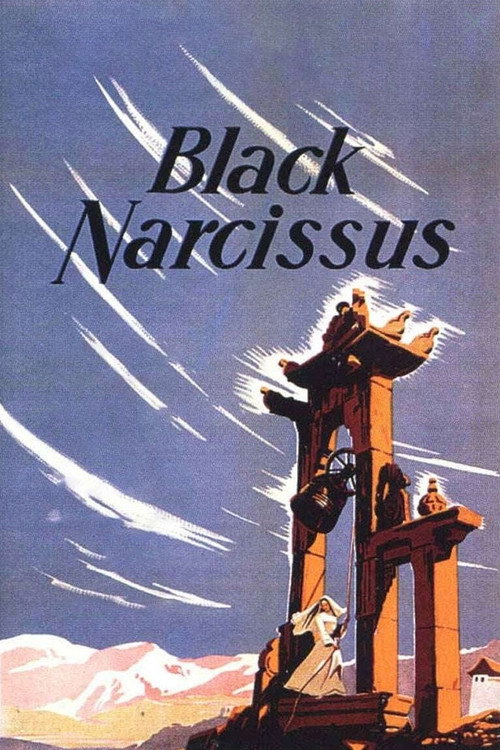
Black Narcissus1947
Both trap a woman between duty (to ideology, to faith) and desire (to defect, to love), using landscape and isolation as psychological pressure. Same engine, opposite theology.
Powell and Pressburger's 1946 masterpiece about Anglican nuns in the Himalayas slowly unraveling under isolation and desire. Deborah Kerr at the center of creeping psychological collapse—the same actress-in-crisis-of-faith structure as Red Danube, but ethereal and color-drenched rather than political.
But The eroticism is coded and strange; the ending pivots on a revelation that feels abrupt unless you've been reading the subtext carefully.
People
Cast
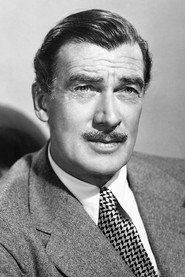 Walter PidgeonCol. Michael S. 'Hooky' Nicobar
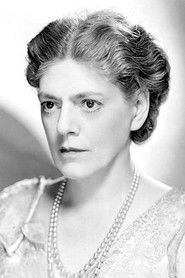 Ethel BarrymoreMother Superior ('Mother Auxilia')
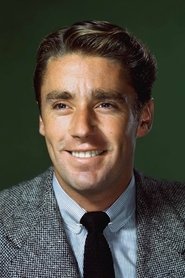 Peter LawfordMajor John 'Twingo' McPhimister
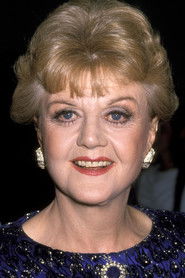 Angela LansburyAudrey Quail
 Janet LeighOlga Alexandrova aka Maria Buhlen
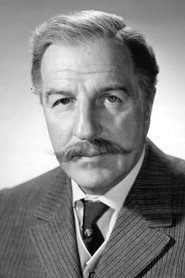 Louis CalhernColonel Piniev
- Francis L. SullivanColonel Humphrey 'Blinker' Omicron
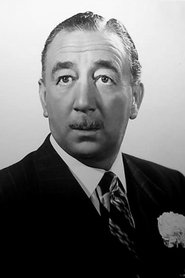 Melville CooperPrivate David Moonlight
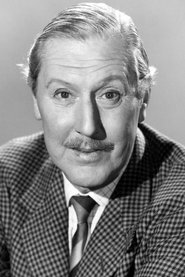 Robert CooteBrigadier C.M.V. Catlock
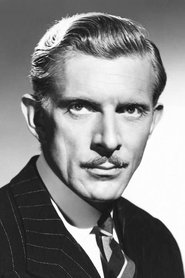 Alan NapierThe General
 Roman Toporow2nd Lt. Maxim Omansky
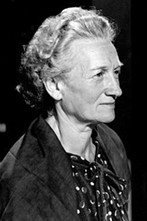 Kasia OrzazewskiSister Kasmira
Directing
- George SidneyDirector
Writing
- Bruce MarshallNovel
- Arthur WimperisScreenplay
- Gina KausScreenplay
Production
- Carey WilsonProducer