
Film
The Woman on Pier 13
A 1950 anti-Communist thriller where a shipping executive is blackmailed by Soviet operatives into espionage. It's tense and paranoid, steeped in the Red Scare anxieties of its moment. The film moves quickly, built on suspicion and moral compromise rather than action. For viewers curious about how Hollywood processed Cold War dread, or who enjoy lean, economical thrillers with real stakes.
Should you watch it?
Watch it if you enjoy tight cold-war paranoia shot like a 1950s noir, where the menace hides in what people won't say and a decent man's loyalty is tested under pressure.
Skip it if the politics are blunt and dated, and the story keeps stopping to lecture, so the dramatic tension can feel secondary to its message.
What it asks of you: Seventy-three minutes, and it moves briskly through shadowy rooms and clipped scenes; it wants steady attention more than rapt emotional investment.
Not sure? Find tonight's pick in a minute.
If you liked this
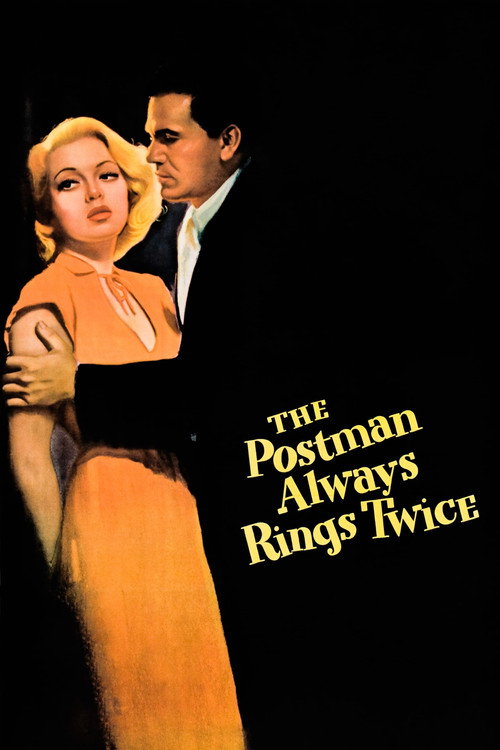
The Postman Always Rings Twice1946
A man trapped by blackmail and desire, forced into complicity with crime. Like Pier 13, it's about ordinary people caught in webs they can't escape, driven by fear and circumstance rather than villainy.
But The pacing is deliberate and the emotional register is bleak. There's no catharsis, only inevitability—some find that exhausting rather than gripping.
The Third Man1949
Vienna after the war: intrigue, betrayal, moral ambiguity. Both films use occupation and political pressure as instruments of blackmail. The atmosphere is thick with suspicion and nobody is quite who they claim.
But It's visually baroque and philosophically dense. If you want straightforward plot over mood and meaning, this will feel slow and oblique.

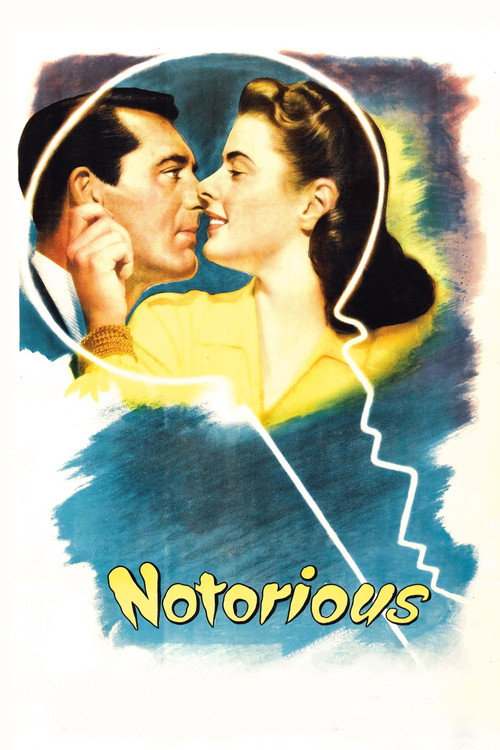
Notorious1946
A woman coerced into espionage by her country; a man forced to compromise his conscience. Hitchcock's exploration of moral paralysis under pressure—what you'll do when you're trapped between impossible choices.
But Nearly three hours, and Cary Grant spends much of it being cold and suspicious. The romance is transactional and uncomfortable by design.
Not sure tonight? Get a pick in a minute, starting from The Woman on Pier 13
The wildcard
Something you would not have found on your own.
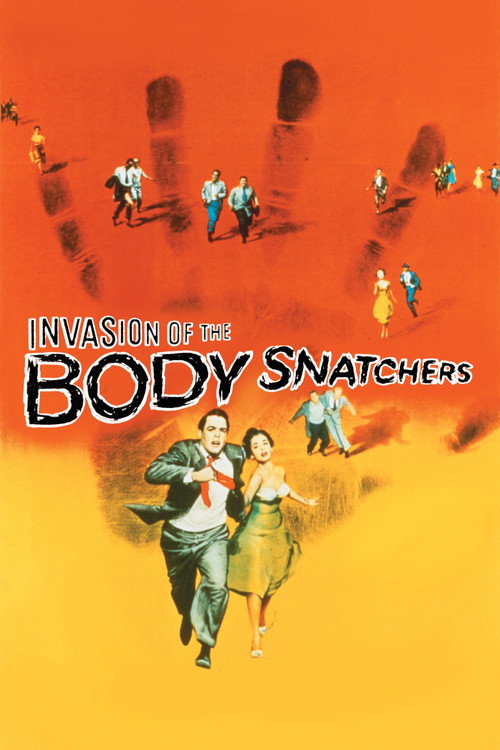
Invasion of the Body Snatchers1956
Both dramatize the loss of agency under ideological pressure. In Pier 13 it's Soviet blackmail; in Body Snatchers it's pod replacement. Same claustrophobic terror of being forced to act against your nature.
It's dressed as science fiction, but it's really about Cold War paranoia and conformity under duress. The same engine as Pier 13: ordinary people forced to betray themselves or each other. A pod person is just a metaphor for someone whose will has been overridden.
But The science fiction wrapper can feel dated or silly if you're not primed for metaphor. Some viewers want the alien invasion to be literal and coherent, not symbolic.
More like this (8)
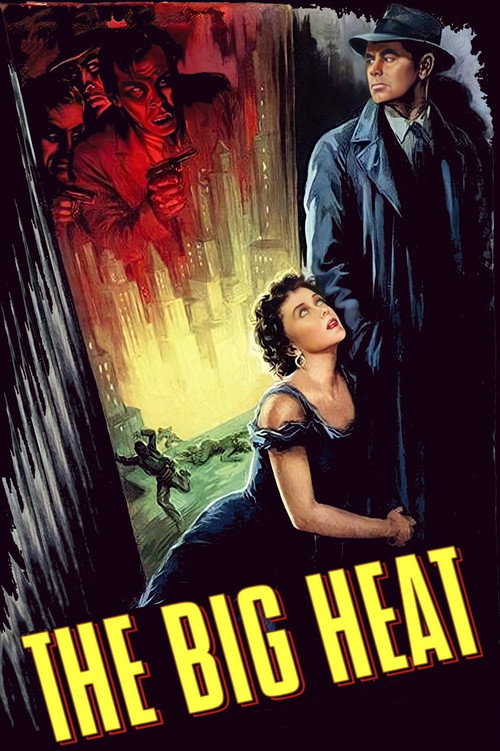
The Big Heat1953
A man's life destroyed by someone else's secret. Like Pier 13, it's about how information weaponized becomes unstoppable—how the past can be excavated and used as a tool of control.
But It's blunt and brutal about human capacity for cruelty. The violence isn't gratuitous, but it's unflinching, and the nihilism can feel unrelenting.
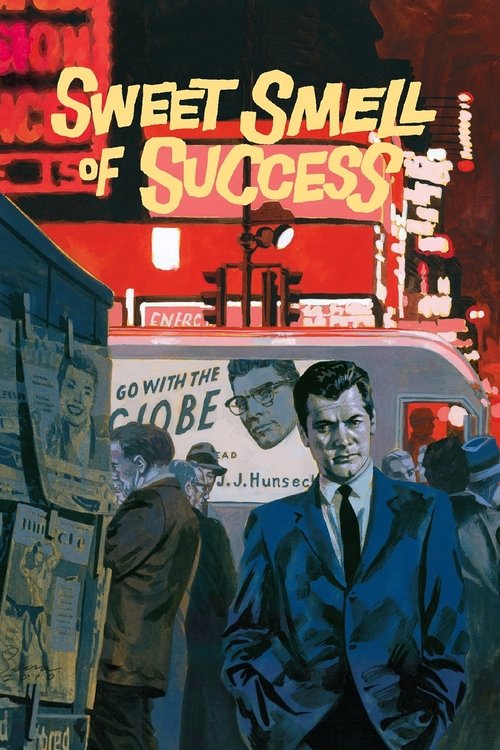
Sweet Smell of Success1957
New York hustlers and the blackmail economy that runs beneath the surface. Acid dialogue, corrupt institutions, moral rot from the inside out. Pier 13's anxieties about complicity and leverage, but nastier and more baroque.
But The dialogue is so densely written it's almost a dialect. The mood is oppressive and the characters are almost uniformly awful. Not comforting.
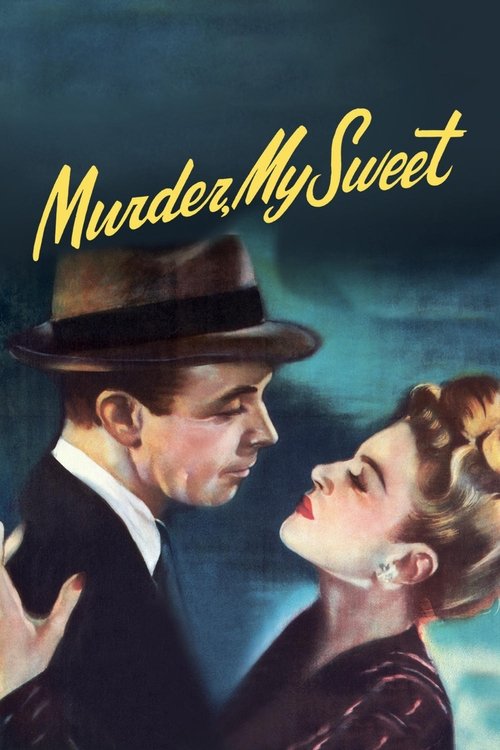
Murder, My Sweet1944
A detective drawn into a web of lies and coercion. The paranoia and misdirection are relentless—you're never sure who's manipulating whom. Political stakes matter less than the sensation of being trapped.
But It's a noir, so the plot tangles deliberately. Some find that clever; others find it exhausting or feel like the film is showing off.
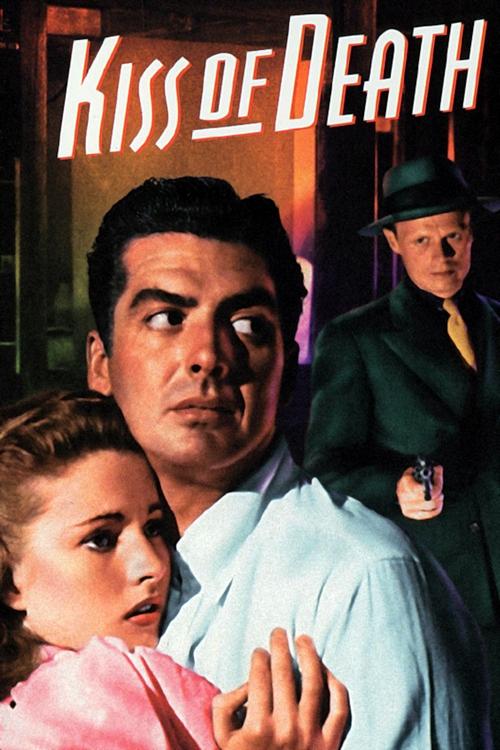
Kiss of Death1947
A man pressed into informing for the authorities, torn between duty and survival. The moral weight of betrayal, the impossible bind of obligation. The machinery of coercion, whether from state or criminal.
But Richard Widmark's villain is genuinely unsettling in ways that can feel gratuitous. The violence is sudden and the tone is grim throughout.
The Killers1946
A man's past catches up with him in ways he can't control or escape. Secrets, leverage, the inescapability of consequence. The machinery of fate that Pier 13 shares, but with more style and fatalism.
But The structure is fragmented and the tone is cool to the point of indifference. If you want emotional catharsis, this isn't it—it's more autopsy than drama.

The Asphalt Jungle1950
A heist film about competent people undone by circumstance and leverage. The machinery of obligation, the way each character is trapped by what they know and what others know about them.
But The pace is methodical and the moral universe is flat—almost no one is sympathetic. It's sociological rather than emotional, which many find cold.

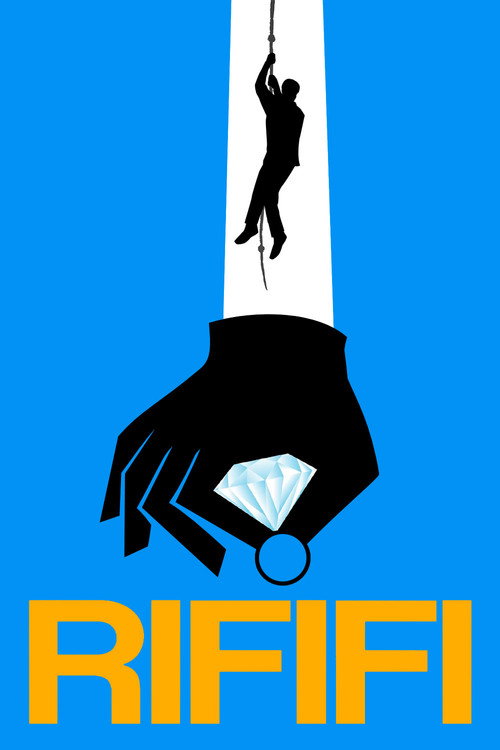
Rififi1955
Both are economical Cold War-era thrillers about men caught in systems larger than themselves. Where Pier 13 is American paranoia, Rififi is European fatalism. Same moral weight, different language.
A French heist film from the same era, built on the same post-war moral calculus. A man trapped by circumstance, forced into complicity, haunted by obligation. The atmosphere of European noir, spare and unsentimentalized.
But It's French, subtitled, and deliberately slow. There's a famous twenty-minute wordless heist sequence that some find mesmerizing and others find self-indulgent.
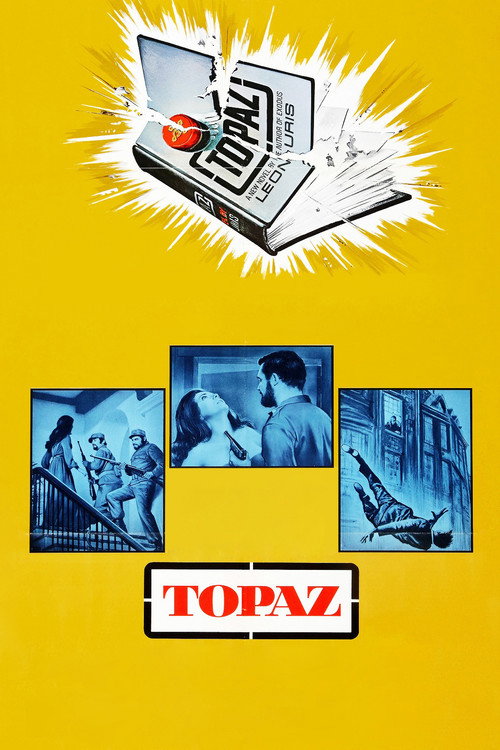
Topaz1969
Both interrogate Cold War spycraft and the leverage systems built around it. Where Pier 13 is blunt and fast, Topaz is baroque and methodical. Same moral questions, opposite styles.
Hitchcock's overlooked spy thriller, made decades later but reaching back to Pier 13's concerns about ideology and betrayal. A man forced to work against his principles. Beautifully composed, genuinely tense, interested in the moral cost of espionage.
But It's 1969 but it feels like 1950s paranoia—some find that elegantly austere, others find it dated. The plot is convoluted and some relationships feel underdeveloped.
People
Cast
 Laraine DayNan Lowry Collins
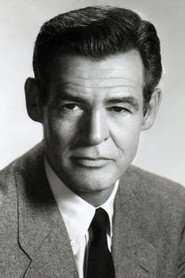 Robert RyanBradley Collins / Frank Johnson
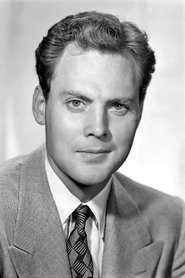 John AgarDon Lowry
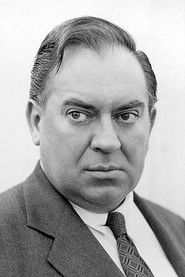 Thomas GomezVanning
 Janis CarterChristine Norman
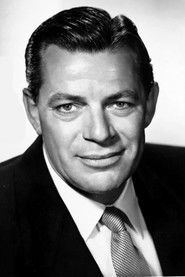 Richard RoberJim Travers
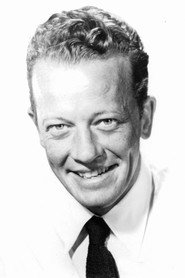 William TalmanBailey, younger henchman
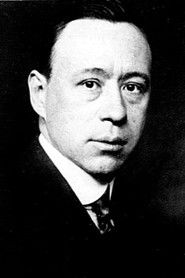 Paul E. BurnsJ.T. Arnold
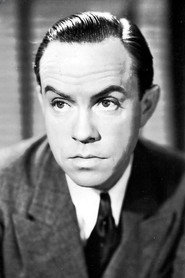 Paul GuilfoyleRalston
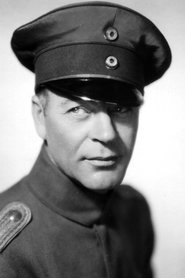 G. Pat CollinsCharlie Dover
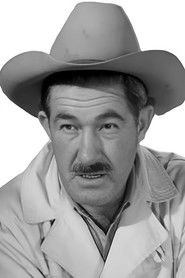 Fred GrahamGrip Wilson
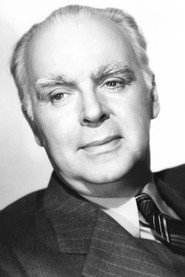 Harry CheshireJ. Francis Cornwall
Directing
- Robert StevensonDirector
Writing
- Charles GraysonScreenplay
- Robert Hardy AndrewsScreenplay
- George F. SlavinStory
- George W. GeorgeStory
Production
- Sid RogellExecutive Producer
- Jack J. GrossProducer