
Film
Ice Station Zebra
A 1968 Cold War thriller where a U.S. nuclear submarine races to the Arctic to reach a mysteriously silent British research station before the Soviets do. It's a tense, methodical game of espionage and survival with a stellar cast, built on paranoia and secrets within secrets. Glossy, intelligent, made for an audience that wanted their thrills thoughtful.
Should you watch it?
Watch it if you love a cold-war chess match told through hardware, shadowy dealings and men who say little, where the tension comes from procedure and mistrust rather than explosions.
Skip it if you want a brisk, constantly moving picture; this is a long, deliberate film at nearly two and a half hours, and its build-up of suspicion can feel slow before it pays off.
What it asks of you: Settle in for close to two and a half hours of patient plotting, with the pressure rising steadily in quiet rooms and under the ice rather than in sudden bursts of action.
Not sure? Find tonight's pick in a minute.
If you liked this
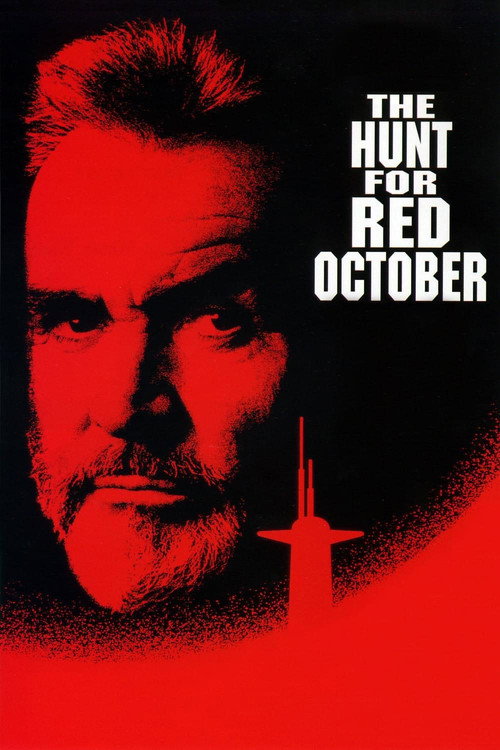
The Hunt for Red October1990
Submarine cat-and-mouse between superpowers, same high-stakes tension and technical detail. Sean Connery brings gravitas to a Soviet commander you're not sure you can trust—the moral ambiguity that makes Ice Station Zebra sing.
But Alec Baldwin's American accent is genuinely distracting, and it's been culturally superseded. The film feels safer and more conventional than its predecessor.
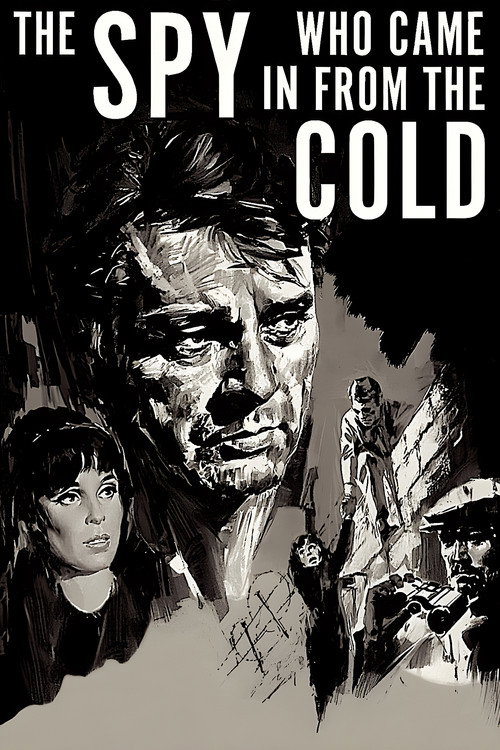
The Spy Who Came In from the Cold1965
John le Carré's bitter, unglamorous Cold War espionage. Gray, tired characters doing gray, tired work in a world where nobody wins. Shares that paranoia-and-secrets DNA with Zebra but strips away the adventure gloss.
But It's slow and bleak. No submarine heroics, no action sequences—just bureaucratic betrayal and moral exhaustion. Some will find it punishing.
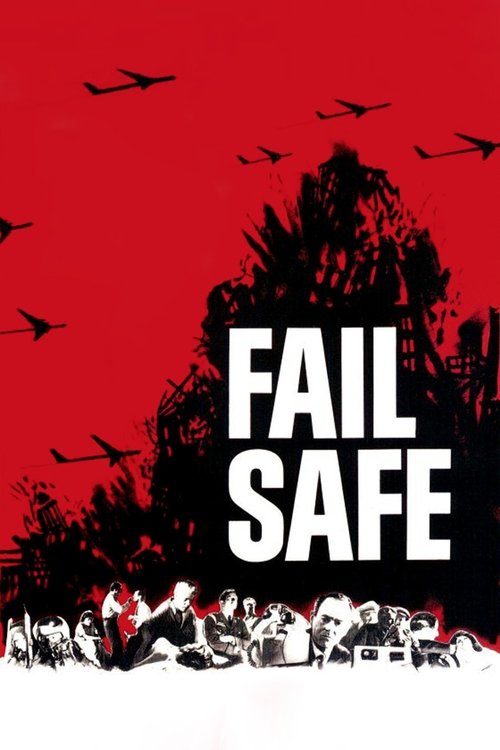
Fail Safe1964
Another methodical Cold War thriller about systems failing and time running out. Black-and-white intensity, excellent ensemble cast, genuine stakes. Focuses on the machinery and the men trying to control it.
But It's entirely humorless and genuinely bleak. The ending doesn't offer catharsis. Some find it too grim to revisit.
Not sure tonight? Get a pick in a minute, starting from Ice Station Zebra
The wildcard
Something you would not have found on your own.
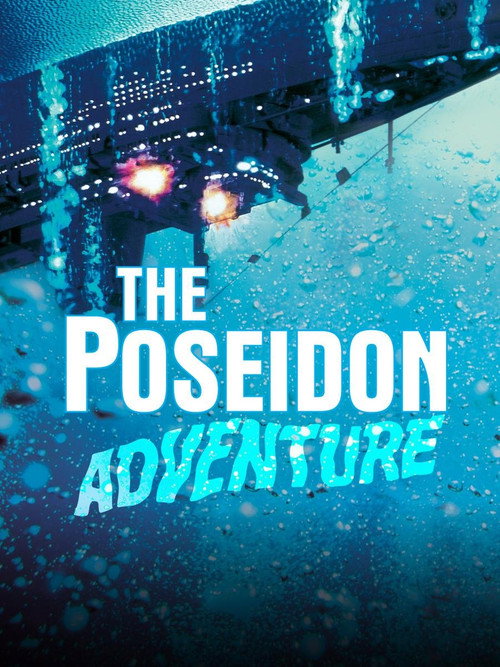
The Poseidon Adventure1972
Both films are structured as methodical race-against-time stories set in enclosed environments, with ensemble casts where everyone has a role and not everyone survives. The machinery (submarine, ship) is almost a character itself.
A capsized ocean liner becomes a race against time in a claustrophobic, flooding space—same structure and tension as Zebra, same era of disaster filmmaking. Excellent ensemble, real suspense, and that fatalism about who makes it out alive.
But It's a disaster film, not a spy thriller, so the ideological weight is gone. Some find the episodic deaths tedious rather than affecting.
More like this (8)
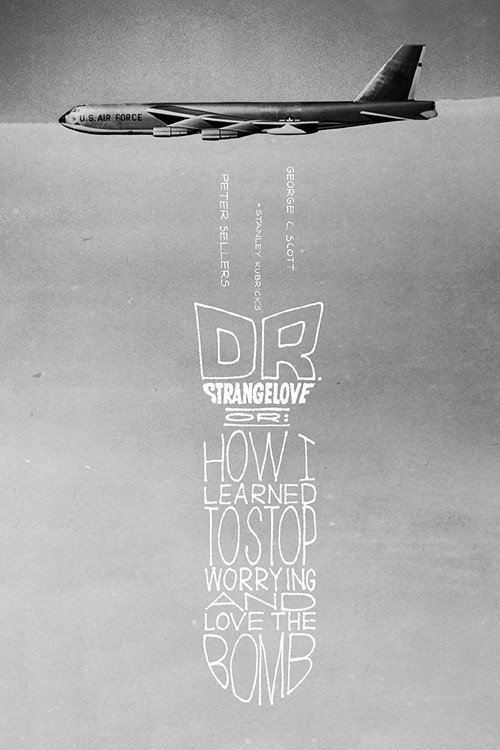
Dr. Strangelove or: How I Learned to Stop Worrying and Love the Bomb1964
Kubrick's savage satire of Cold War paranoia and military bureaucracy. Same era, same ideological anxiety as Ice Station Zebra, but told as pitch-black comedy. Brilliant and hypnotic.
But The humor is extremely dark and the film's absurdism will alienate anyone who wants their Cold War drama played straight.
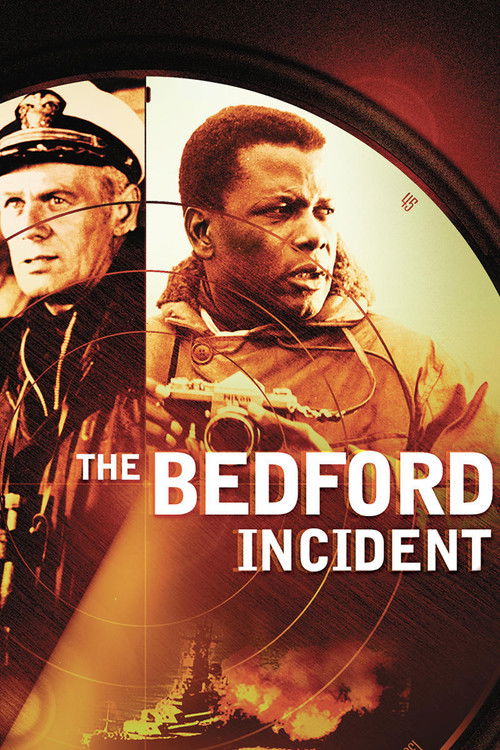
The Bedford Incident1965
Another submarine thriller, taut and claustrophobic, with Richard Widmark as an obsessive captain. Paranoia and pride lead toward disaster. Excellent ensemble cast and genuine suspense that builds methodically.
But It's slow-burn and naval-procedural focused. If you want action, this will feel like watching men talk in corridors for two hours.
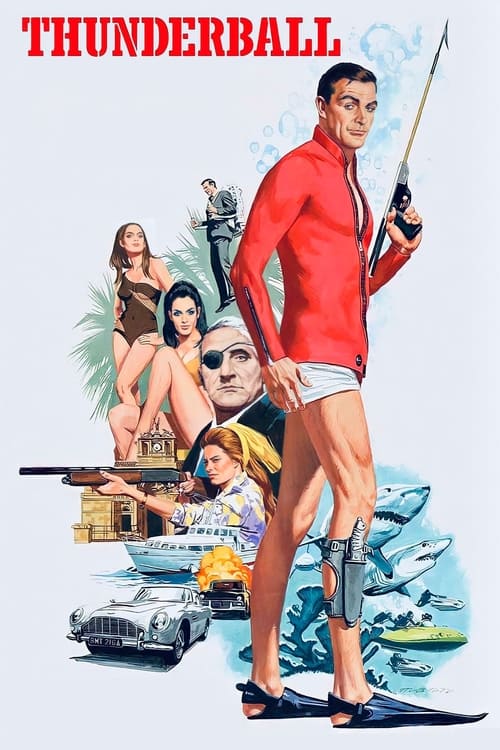
Thunderball1965
Connery-era Bond at its most elaborate, with underwater sequences and nuclear weapons at stake. Glossy and exciting, the spy thriller as pure spectacle. Some of the best practical effects work of the era.
But It's long, episodic, and relies heavily on the charm of its star. The politics are simple compared to a serious Cold War film.
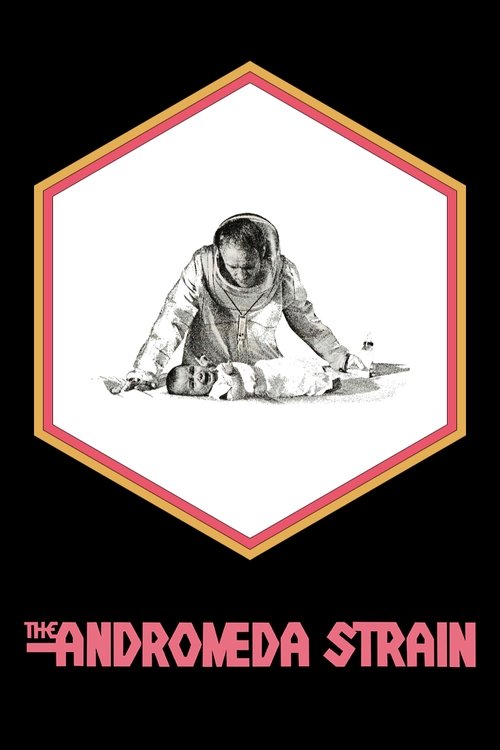
The Andromeda Strain1971
Microscale and macroscale tension: scientists racing to contain a deadly organism. Robert Wise (who directed Zebra) brings the same cool professionalism. Paranoia, isolation, time pressure, high stakes.
But It's more science fiction than spy thriller, and the pacing can feel dated. Some sequences are slow even by 70s standards.
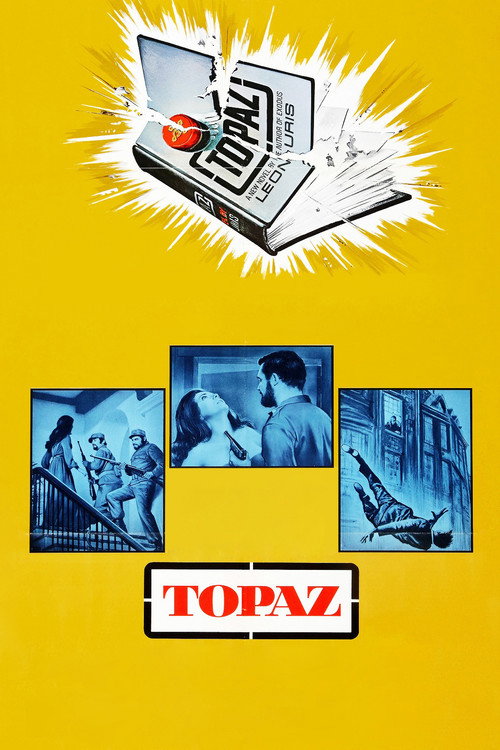
Topaz1969
Hitchcock's Cuba-crisis espionage film, made right after Zebra. Complex, elegant, with that same Cold War paranoia and the question of who's really the enemy.
But Hitchcock himself disowned it. It's genuinely flawed—the plot is convoluted and some sequences don't land. Worth seeing, but he made it during a creative trough.
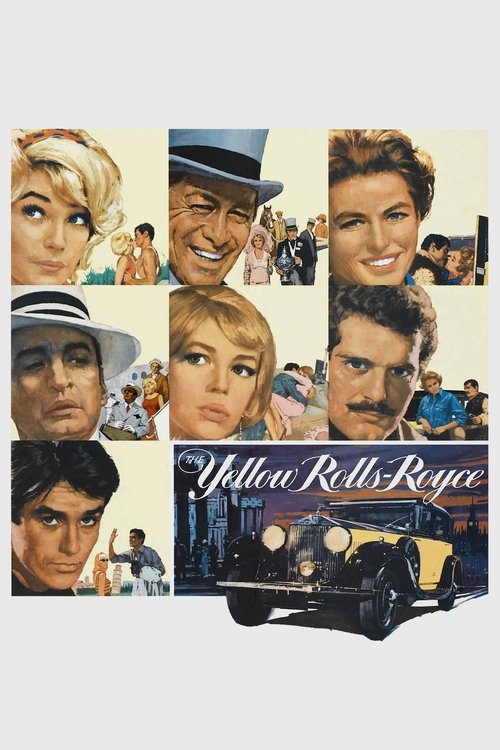
The Yellow Rolls-Royce1964
Episodic Cold War spy adventure across Europe with a stellar ensemble cast. Light on its feet compared to Zebra, more concerned with glamour and wit. If you want the era and the cast but less tension.
But It's scattered and unfocused. Without a central narrative engine, it can feel like a series of vignettes rather than a film. Some segments work better than others.
The Killing1956
Both are about careful planning meeting human deception. Both feature casts of men trying to control a situation where one wrong move by one person unravels everything. The paranoia is structural, not ideological.
Kubrick's early masterpiece: a tight, clever heist with paranoia and double-crosses at its core. Black-and-white, lean, told with fractured chronology. Shows you what's possible when you trust your audience's intelligence.
But It's a crime film, not Cold War espionage, and the criminal morality is very different. Also: it's short and tightly wound, so if you came to Zebra for spectacle, this is the opposite.

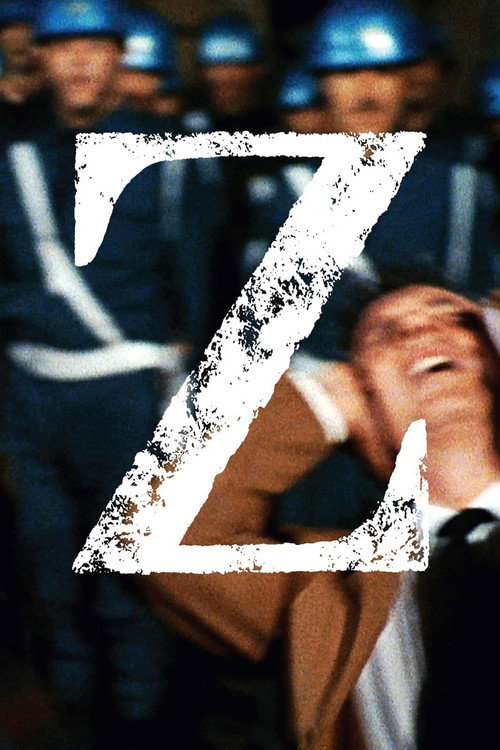
Z1969
Both investigate truth hidden beneath official narratives, with authorities not to be trusted. Both are made with the assumption that their audience is intelligent and that entertainment and substance are not opposed. But where Zebra is cool and procedural, Z is hot and accusatory.
Costa-Gavras's political thriller about the investigation into a political assassination. Contemporary to Zebra, but made from the left and far angrier. Narrative energy and moral conviction that's almost overwhelming. A masterpiece.
But It's a film about political murder and state violence, made with fury. It's not entertainment in the way Zebra is—it's an argument. Some will find it heavy-handed; others will find it necessary.
People
Cast
 Rock HudsonCdr. James Ferraday
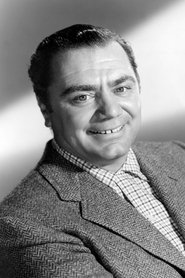 Ernest BorgnineBoris Vaslov
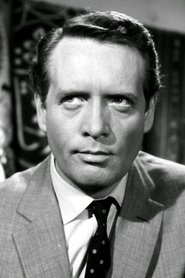 Patrick McGoohanDavid Jones
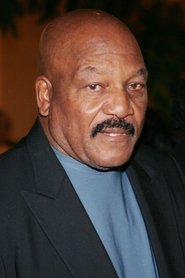 Jim BrownCapt. Leslie Anders
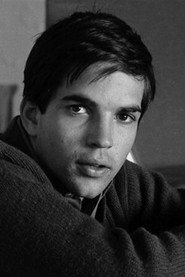 Tony BillLt. Russell Walker
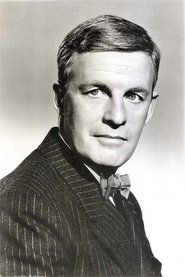 Alf KjellinCol. Ostrovsky
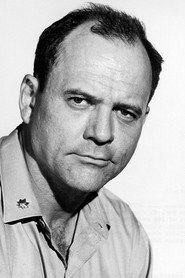 Gerald S. O'LoughlinLt. Cdr. Bob Raeburn
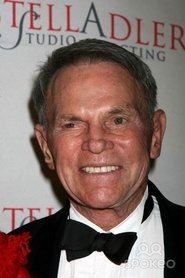 Ted HartleyLt. Jonathan Hansen
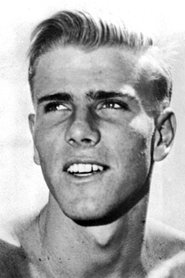 Murray RoseLt. George Mills
- Michael T. MiklerLt. Courtney Cartwright
- Joseph BernardDr. Jack Benning
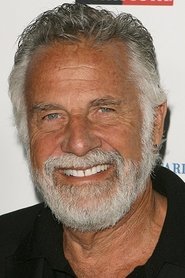 Jonathan GoldsmithRussian Aide
Directing
- Thomas J. SchmidtAssistant Director
- John SturgesDirector
- Art LevinsonSecond Assistant Director
- Lynn GuthrieSecond Assistant Director
Writing
- Alistair MacLeanNovel
- Douglas HeyesScreenplay
- W.R. BurnettScreenplay
- Harry Julian FinkScreenstory
Production
- James C. PrattAssociate Producer
- John CalleyProducer
- Martin RansohoffProducer
- Ralph W. NelsonUnit Production Manager
Recommended by
Where Eagles Dare, The Damned United, 49th Parallel, Caveman, Force 10 from Navarone, The Cutting Edge, Above Us the Waves, The Ascent, The Flight of the Phoenix, The Desperate Ones, The Desert Rats, The Wooden Horse, Seven Into Hell, North Sea Hijack, Depth Charge, Race for the Yankee Zephyr, Nobody Runs Forever