
Film
Depth Charge
A submarine thriller where a rogue captain threatens Washington with nuclear blackmail, and a military doctor must stop him. It's a claustrophobic, earnest action film made for cable TV in 2008, all ticking clocks and contained peril. For viewers who want their thrillers straightforward, their stakes clear, and their runtime mercifully brief.
Should you watch it?
Watch it if you enjoy lean, low-budget submarine thrillers where a rogue commander and a stubborn doctor trade pressure in cramped steel corridors, and a plain, earnest tone suits the ride.
Skip it if you need polished spectacle or a tight, modern thriller pace, since the production feels modest and the plotting leans on familiar genre beats rather than surprise.
What it asks of you: It runs about 84 minutes and keeps its eyes on a few confined rooms, so it asks for patience with talk and tension rather than constant motion.
Not sure? Find tonight's pick in a minute.
If you liked this
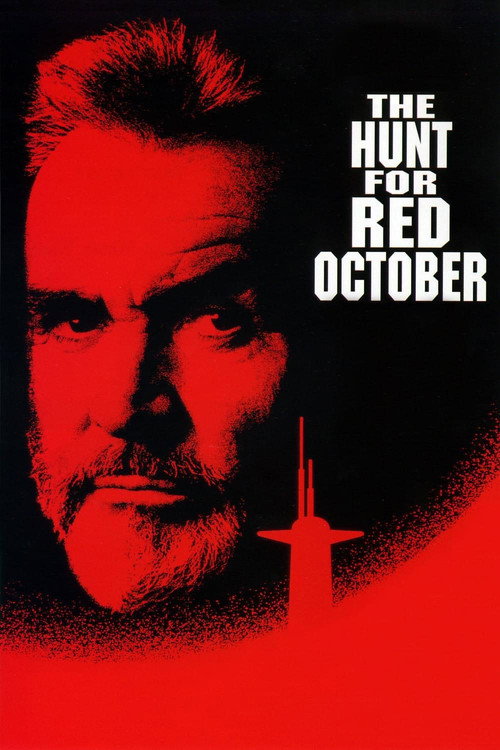
The Hunt for Red October1990
The definitive submarine thriller: a Soviet captain defects while commanding a nuclear sub, creating a tense game of cat-and-mouse across the Atlantic. Alec Baldwin and Sean Connery anchor it with intelligence and charisma.
But It's deliberately paced, even methodical—more about tactics and character than action spectacle. The technology-heavy dialogue can feel dated.
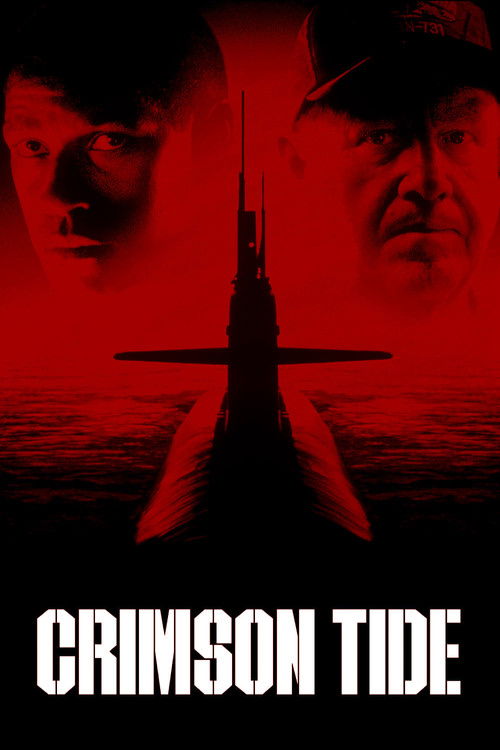
Crimson Tide1995
Denzel Washington and Gene Hackman as a captain and XO who clash over whether to launch nuclear missiles during a fragmented communication crisis. The submarine becomes a pressure cooker for moral ambiguity and personality conflict.
But Very '90s in its dialogue and politics. The climax has been criticized as anticlimactic given everything that precedes it.
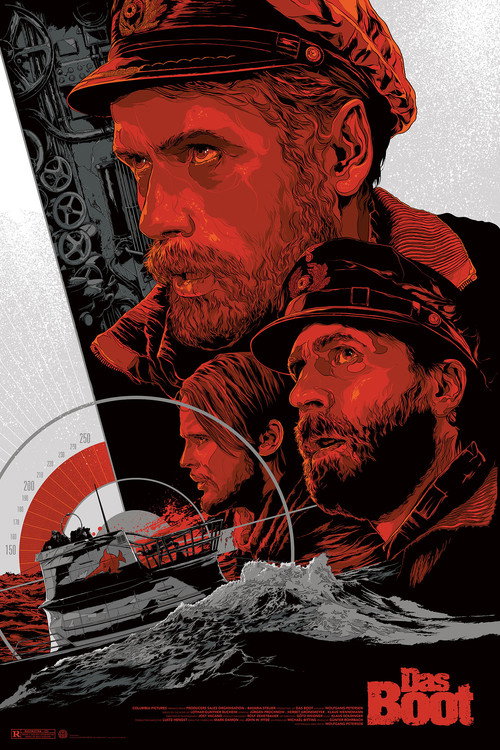
Das Boot1981
A German U-boat crew faces depth charges and dwindling hope during WWII. It's the submarine film: tension built through confined spaces, expertise, and the weight of inevitable defeat.
But Nearly three hours and German-language (subtitled). Deliberately unglamorous—despair and routine matter more than heroics.
Not sure tonight? Get a pick in a minute, starting from Depth Charge
The wildcard
Something you would not have found on your own.
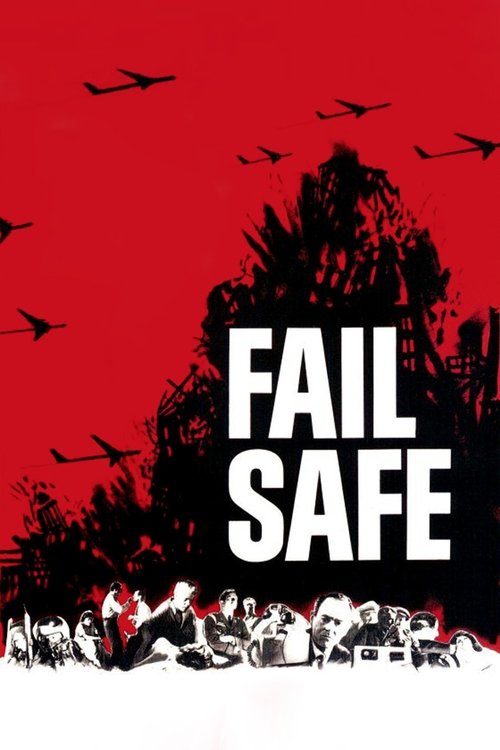
Fail Safe1964
Both use a locked-down crisis scenario to explore how institutions and individuals behave under maximum pressure, with nuclear stakes that force impossible moral choices.
A nuclear bomber accidentally receives a go-code and heads toward Moscow. Unlike most thrillers, this one unfolds in stark black-and-white, with politicians and generals trying to avert apocalypse through bureaucracy and communication. No easy solutions, no heroic escapes—just smart people solving the unsolvable.
But Deeply pessimistic ending. Slow-burn intellectual drama, not action. Heavy, sometimes didactic Cold War anxiety.
More like this (6)
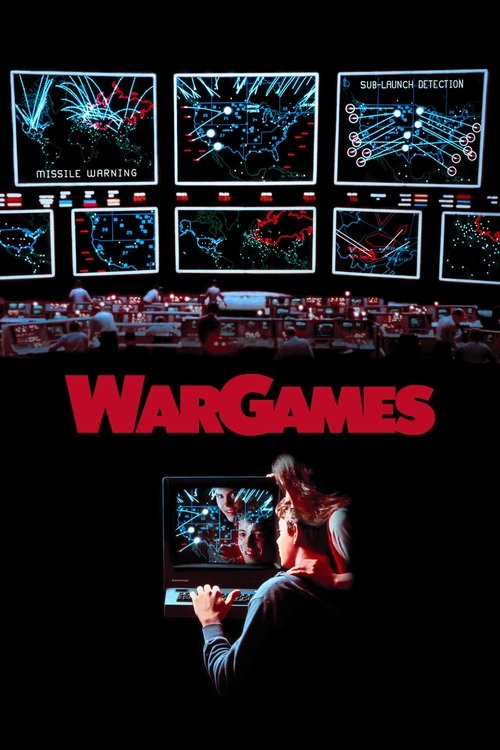
WarGames1983
A teenager hacks into NORAD's war computer and accidentally triggers a real nuclear crisis. It has that same high-concept hostage-the-capital energy, but filtered through '80s paranoia and youthful earnestness.
But The hacking scenes look archaic now. Preachy in its final act about nuclear deterrence.
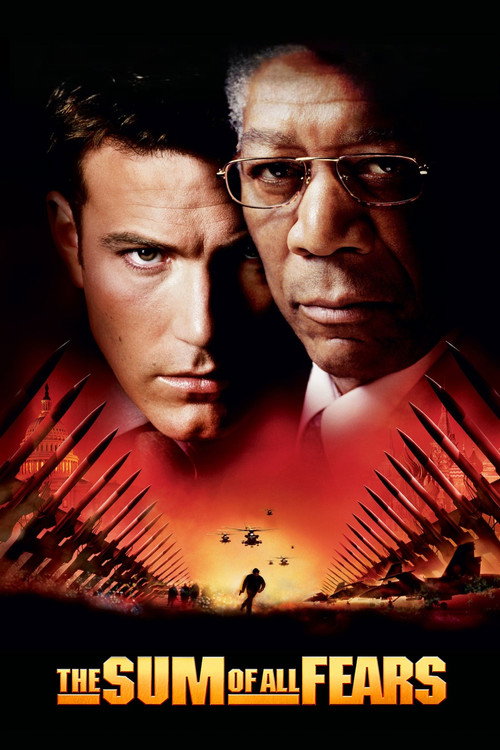
The Sum of All Fears2002
Ben Affleck as Jack Ryan responding to a nuclear threat. Action-thriller plotting with real-world stakes, government agencies trying to prevent catastrophe, and one compelling antagonist.
But Post-9/11 geopolitics can feel overwrought. The CGI and action beats age poorly compared to more grounded spy thrillers.
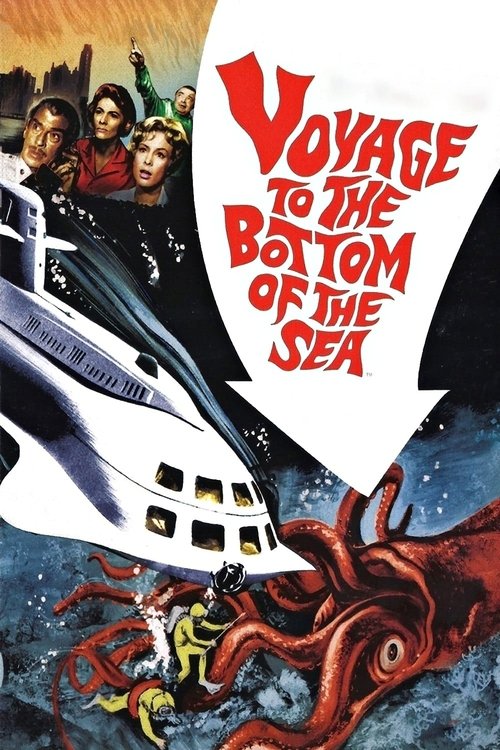
Voyage to the Bottom of the Sea1961
A submarine must race to prevent nuclear war triggered by natural disaster. It's earnest, optimistic sci-fi action with a great ensemble and some genuinely clever problem-solving.
But A product of its era—campy at times, dated special effects, the pacing feels slack to modern audiences.
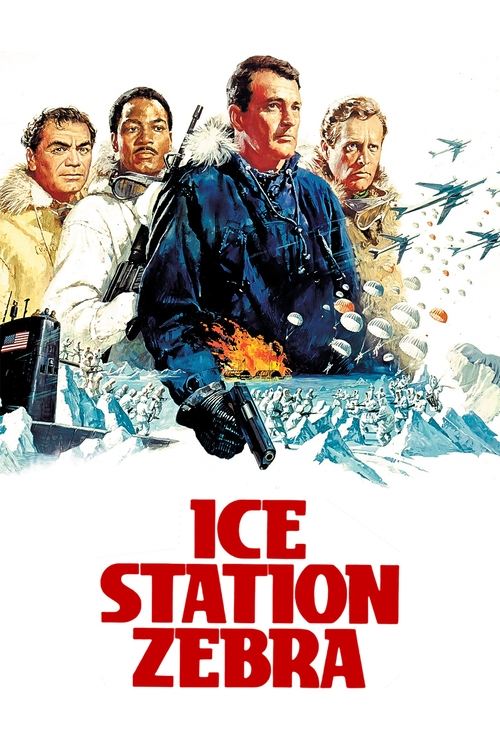
Ice Station Zebra1968
A submarine races to a drifting Arctic base in a Cold War espionage yarn. Rock Hudson, Ernest Borgnine, and a premise that knows exactly what it is: fun, uncomplicated adventure.
But Very slow by today's standards. Feels more like a '60s spy procedural than a thriller; some will find it tedious.
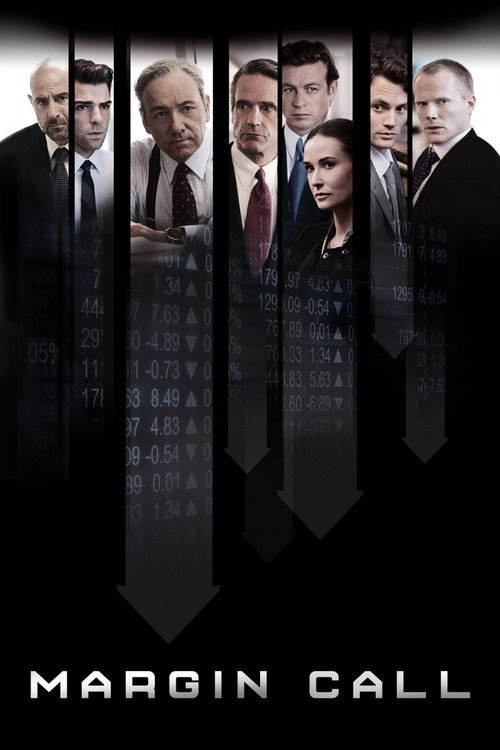
Margin Call2011
Both are procedural thrillers where expertise and fast thinking matter more than heroics, and where institutions reveal themselves under sudden catastrophic pressure.
A financial thriller about a brokerage firm's 24-hour descent into crisis on the eve of the 2008 collapse. Same structure as Depth Charge—a hidden threat is discovered, the clock starts, powerful people must decide what to do—but the weapon is economics, not a submarine.
But Dialogue-heavy and cerebral. No explosions or action sequences. If you don't understand derivatives, some scenes will baffle you.
Threads1984
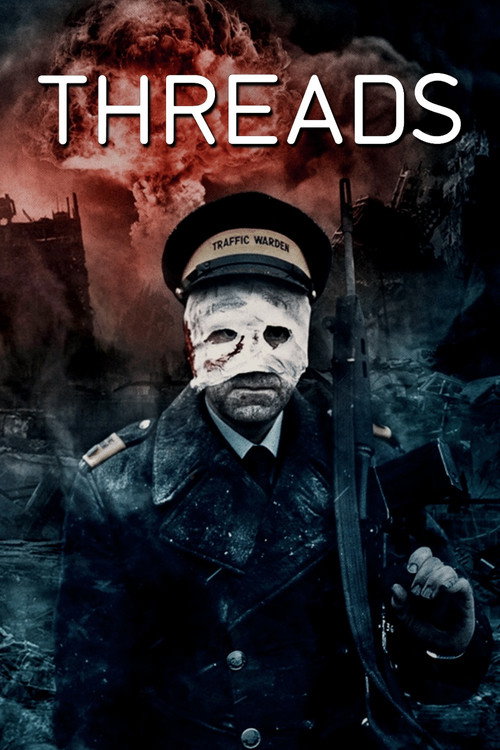
Where Depth Charge asks 'what if a bad actor threatened us with nuclear weapons?', Threads asks 'what if the worst actually happened?' It's the answer the thriller fears to give.
A British nuclear war drama so bleak and realistic that it makes every other nuclear-threat story feel like a children's cartoon. Follows ordinary people through the hours before, during, and after. Not a thriller—a documentary horror film made on a TV budget.
But Genuinely traumatizing. Not entertainment in any conventional sense. Black-and-white, 1980s BBC production values, grim beyond mercy.
People
Cast
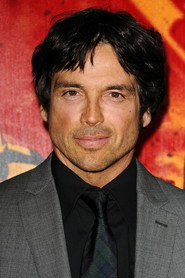 Jason GedrickRaymond 'Doc' Ellers
 Eric RobertsCommander Krieg


 Chris SpinelliCrew Member Damon
 Chris WarrenJames Piersall





Directing
- Ryan KrayserAdditional Second Assistant Director
- Terrence O'HaraDirector
- A. Brooks MedoffFirst Assistant Director
- Eva ZelderScript Supervisor
- Ryan TigheSecond Assistant Director
- Jeff RosenbergSecond Second Assistant Director
Writing
- Dennis A. PrattWriter
- Stephen NiverWriter
Production
- Zach BradshawAssistant Production Coordinator
- Amy ReeceCasting
- Brooke DavisCasting
- Jesse LaffertyCasting Assistant
- Lindsey WeissmuellerCasting Assistant
- Christine BabayansCasting Associate
- H. Daniel GrossCo-Executive Producer
- Michael MoranCo-Executive Producer
- Nick LombardoCo-Executive Producer
- Larry LevinsonExecutive Producer
- Robert Halmi Jr.Executive Producer
- Heather SirotaExtras Casting
- Lina WongLocation Manager
- Frank SharpPost Production Coordinator
- Kyle A. ClarkProducer
- Stephen NiverProducer
- Robert KrywickiProduction Accountant
- Lina WongProduction Coordinator
- H. Daniel GrossProduction Executive
- Matt FitzsimonsProduction Executive
- Amy ChanceProduction Supervisor
- Kyle A. ClarkUnit Production Manager