
Film
Voyage to the Bottom of the Sea
A 1961 submarine adventure where an atomic sub races to prevent planetary catastrophe. It's earnest, colorful mid-century sci-fi—all miniature models, practical effects, and genuine stakes. Made by Irwin Allen before his TV empire took over, it moves like a heist film and looks like a comic book. For anyone who loves the aesthetic of Space Age optimism and adventure that doesn't wink at itself.
Should you watch it?
Watch it if you relish vintage studio adventure, with gleaming retro gadgetry, earnest uniformed heroes and a boyish faith that the deep sea is one more frontier worth bravely crossing.
Skip it if you want modern pacing or grounded peril, since the drama is stiff, the science is pure pulp, and the mood stays cheerful even when the stakes are apocalyptic.
What it asks of you: It asks for an easy hour and forty-five minutes, a tolerance for slow, talky corridors between set-piece rescues, and no fuss over how improbable the machinery is.
Not sure? Find tonight's pick in a minute.
If you liked this
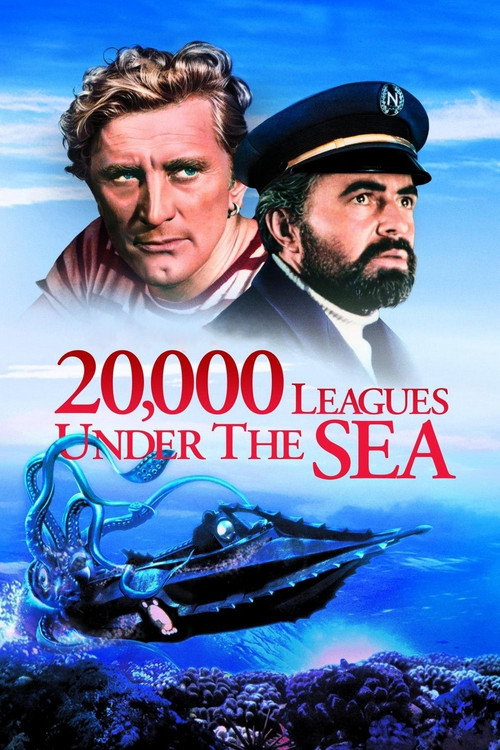
20,000 Leagues Under the Sea1954
The template: a submarine command structure, an impossible mission, a charismatic captain, and the ocean itself as character. Disney's version is beautifully mounted and stars James Mason as Nemo. You'll see where Voyage learned its vocabulary.
But Slower pacing and more theatrical acting than modern audiences expect. At 116 minutes, it meanders in the middle.
Forbidden Planet1956
Same DNA: a deep-space crew confronting existential danger with 1950s ingenuity and very real tension. The design is stunning, the idea is better than the execution, and it shares Voyage's commitment to taking itself seriously.
But The sexual politics are period-locked and uncomfortable. Some effects have dated harder than others.

The Bedford Incident1965
A submarine thriller where the tension comes from within—a paranoid captain, a claustrophobic setting, Cold War dread. No monsters, no magic. Taut, intelligent, and genuinely nerve-wracking.
But Bleak and humorless. If you want adventure and spectacle, this strips both away for pure psychological pressure.

Not sure tonight? Get a pick in a minute, starting from Voyage to the Bottom of the Sea
The wildcard
Something you would not have found on your own.
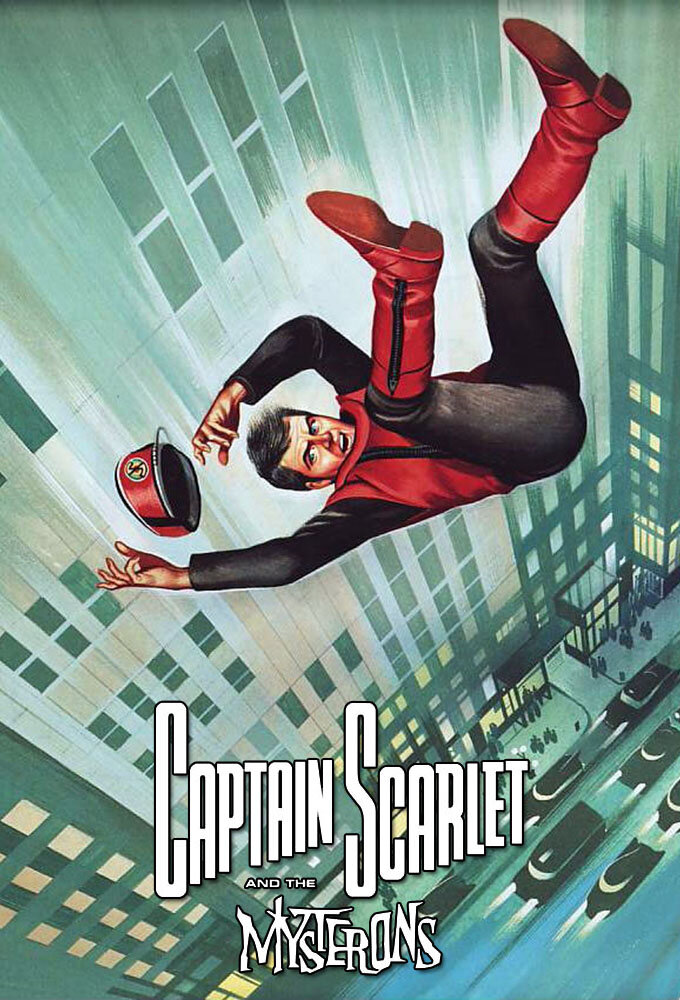
Captain Scarlet and the Mysterons1967
Shared belief in practical model-work and miniatures as superior to cartoons; same decade, same aesthetic ambition, same conviction that adventure spectacle serves serious stories.
A British puppet series with the same earnest space-age optimism, Cold War paranoia, and miniature effects that make Voyage so visually distinctive. The production design rivals live-action, and the plotting is sharper than anyone expects from marionettes.
But It's puppets—not everyone can get past that, and the episodes that don't click really fall flat. Some are genuinely slow.
More like this (8)
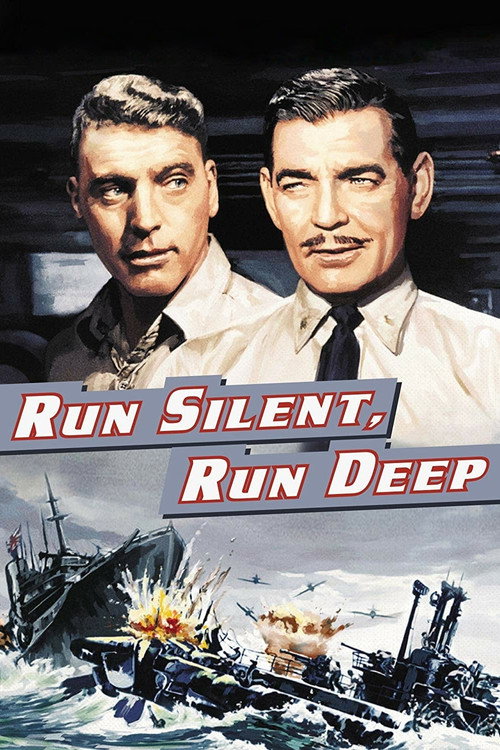
Run Silent, Run Deep1958
A submarine war film with real naval procedure, command dynamics, and crew chemistry. Clark Gable and Burt Lancaster trade authority beautifully. The action is credible and the submarine feels like a real workspace.
But It's a WWII picture first, adventure second. The pacing is deliberate, almost documentary in stretches.
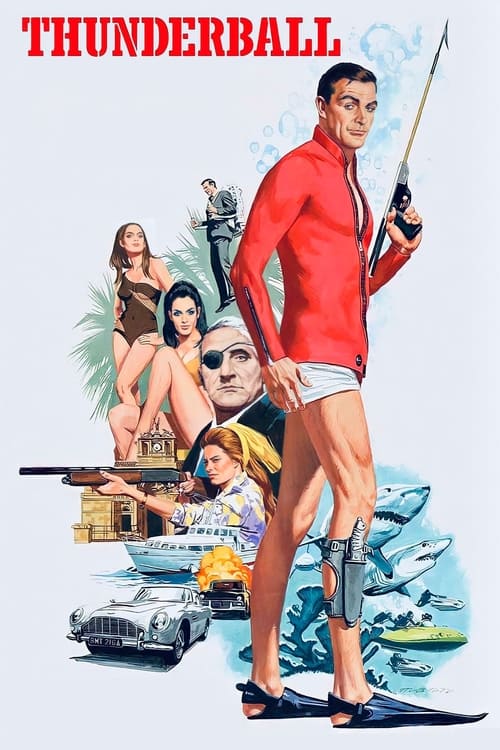
Thunderball1965
Underwater sequences that still impress, a ticking-clock plot about nuclear weapons, and the full Bond spectacle in its physical prime. The stunt work and miniature work put it in Voyage's family.
But Nearly two hours and a lot of it treads water—pun intended. The plot is thinner than you'd think for the runtime.
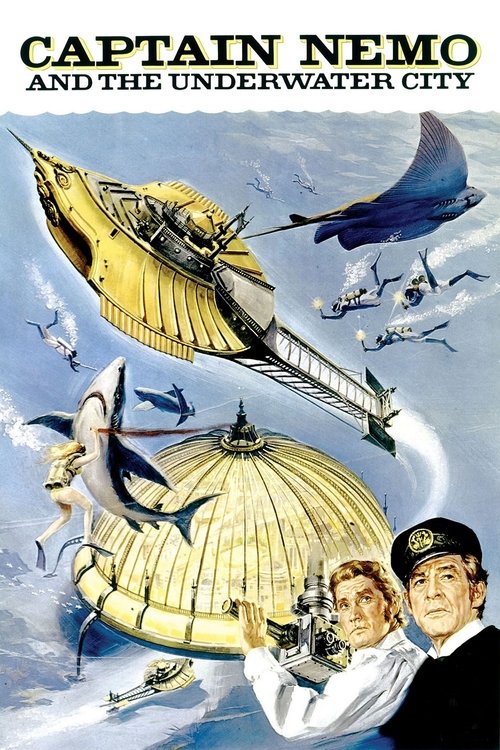
Captain Nemo and the Underwater City1969
Built in the same spirit: Irwin Allen production values, an undersea utopia, colorful sets, earnest performances. It's like Voyage's younger, weirder sibling. Agreeably strange.
But Stranger also means less focused. The story meanders and the dialogue can be wooden. Very much a product of its specific time.
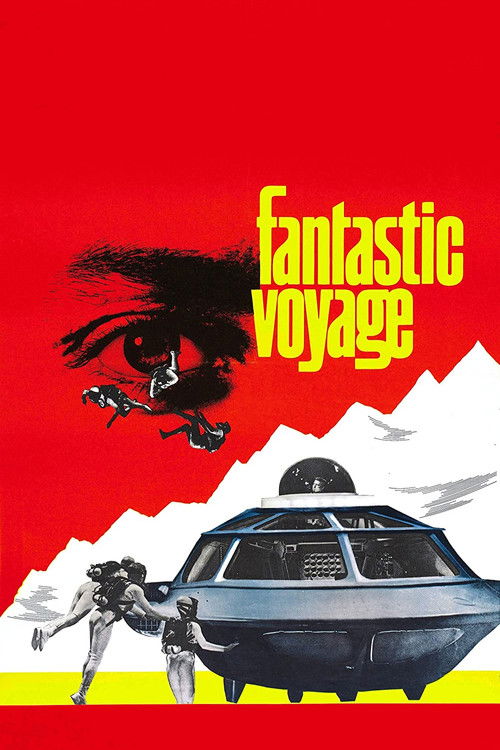
Fantastic Voyage1966
A team mission in an impossible setting—a miniaturized submarine inside a human body. It has Voyage's sense of wonder, compartment-by-compartment tension, and real production craft. Delightful problem-solving.
But The body-horror concept doesn't sit right with some viewers. The science is complete nonsense, which is the point but might bother you.
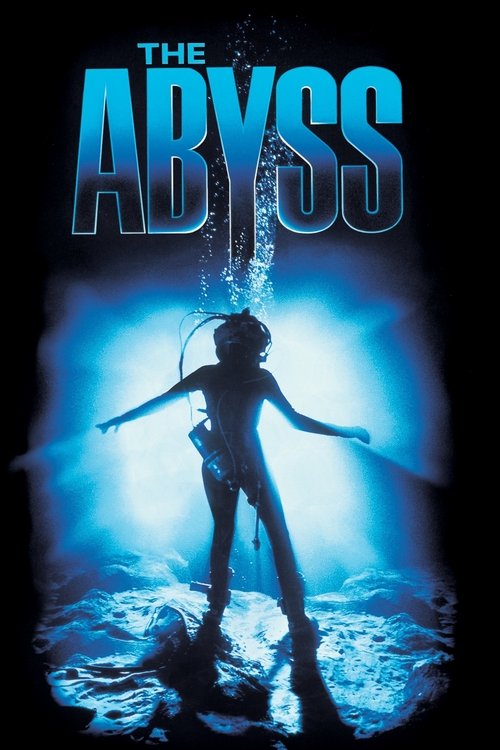
The Abyss1989
An underwater research platform under siege, with Cold War tension, crew dynamics, and real submarine claustrophobia. James Cameron takes the DNA from films like Voyage and modernizes it with practical effects and emotional weight.
But Nearly three hours. The third act veers into mystical territory that can feel unearned. Divorce drama mixed into high-stakes action.
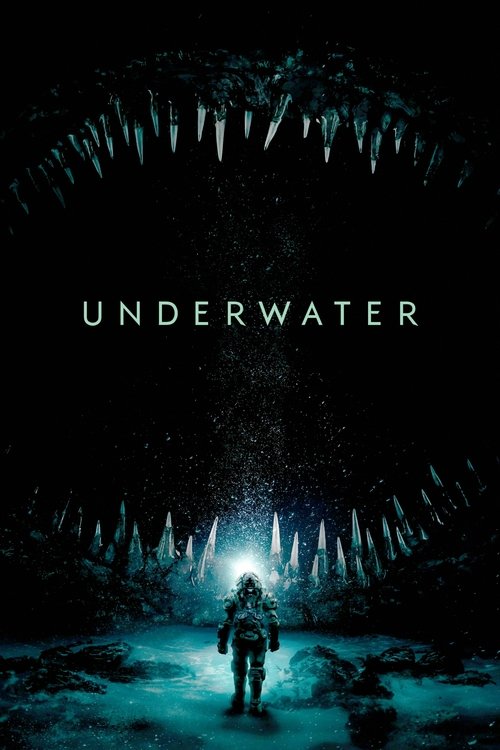
Underwater2020
A survival thriller set on a deep-sea research facility where things go catastrophically wrong. Fast-paced, genuinely tense, and committed to the claustrophobia. Lean and efficient where others ramble.
But Paper-thin characters and a thin plot. The monster design is less interesting than the premise. Forgettable despite being well-made.
La Jetée1962
Both made in early 1960s; both use sci-fi premise to explore human vulnerability rather than triumphalism; both trust their audiences to sit with strangeness.
A time-travel film told almost entirely through still photographs and narration. Hypnotic, haunting, and narratively brilliant. It proves science fiction doesn't need action or movement to generate momentum.
But It's avant-garde and experimental. No dialogue, only voiceover. Some find it precious or deliberately obscure rather than genuinely moving.

Dr. Strangelove or: How I Learned to Stop Worrying and Love the Bomb1964
Both obsess over nuclear catastrophe and submarines as apocalyptic symbols; both made during peak Cold War paranoia; Strangelove is the dark mirror to Voyage's hopeful heroism—same fears, opposite register.
Nuclear doomsday as dark comedy—a war room and a B-52 bomber converge on apocalypse. Brilliant, merciless satire that shares Voyage's Cold War anxieties but treats them as material for genius-level dark farce instead of earnest adventure.
But The humor is pitch-black and the ending is genuinely nihilistic. If you watch Voyage for reassuring heroism, this will feel like betrayal. Kubrick wants you uncomfortable.

People
Cast
 Walter PidgeonAdmiral Harriman Nelson
 Robert SterlingCaptain Lee Crane
 Barbara EdenLieutenant Cathy Conners
 Peter LorreComm. Lucius Emery
 Joan FontaineDr. Susan Hiller
 Michael AnsaraDr. Miguel Alvares
 Frankie AvalonLieutenant Chip Romano
 Regis ToomeyDr. Jamieson
 John LitelVice Admiral B.J. Crawford
 Howard McNearCongressman Llewellyn Parker
 Henry DaniellDr. Zucco
 Robert EastonSparks
Directing
- Ad SchaumerAssistant Director
- Irwin AllenDirector
Writing
- Charles BennettScreenplay
- Irwin AllenScreenplay
- Irwin AllenStory
Production
- Irwin AllenProducer
- Al GailProducer's Assistant
Recommended by
20,000 Leagues Under the Sea, Captain Nemo and the Underwater City, The Voyage of the Mimi, Depth Charge