
Film
Nobody Runs Forever
A Australian detective is dispatched to London to arrest a high-ranking official implicated in murder, only to discover his target is caught between diplomatic intrigue and assassination plots. This is a slick spy-thriller hybrid that trades in international intrigue and double-crosses, made with the polish of late-60s espionage cinema. It's for anyone who misses when thrillers moved at a brisk clip and didn't apologize for their twists.
If you liked this
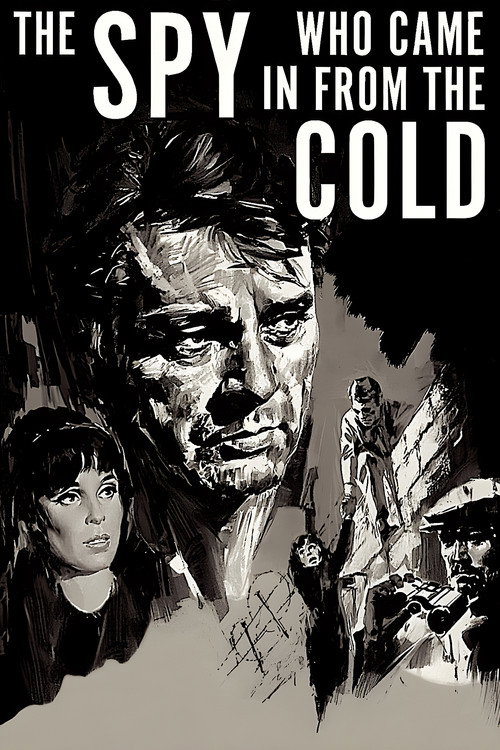
The Spy Who Came In from the Cold1965
A similarly grounded espionage thriller built on moral ambiguity rather than gadgetry. The cat-and-mouse dance between agents feels lived-in and unglamorous, with Cold War paranoia doing the heavy lifting instead of elaborate set pieces.
But Deliberately bleak and talky by design—there's no wish-fulfilment here, and the ending refuses satisfaction. If you need your spy stories to feel like a win, this won't provide it.
Three Days of the Condor1975
An ordinary man pulled into espionage machinery beyond his comprehension, forced to navigate bureaucratic treachery and find allies among enemies. It captures the same paranoid energy and moral fog as Nobody Runs Forever, with Robert Redford's unease grounding everything.
But Slower than its premise suggests, and the romantic subplot feels at odds with the paranoid tone. Modern audiences often find the pacing a test of patience.

Topkapi1964
A heist thriller with a similarly cosmopolitan setting and ensemble of charming rogues. It's playful without being silly, suspenseful without being grim, and treats its international locations as actual characters rather than backdrops.
But The tone is lighter and more fun than Nobody Runs Forever—if you want something grittier and more morally complicated, this might feel too breezy.

Not sure tonight? Get a pick in a minute, starting from Nobody Runs Forever
The wildcard
Something you would not have found on your own.
Scorpio1973
Both explore the moral cost of state loyalty and the corruption of institutional power. Neither offers easy answers about whether the mission justifies the men who serve it.
A retired intelligence operative hunted by his former employer: a meditation on loyalty, betrayal, and the cost of service dressed as a thriller. It's morally exhausted and philosophically serious in ways spy films rarely achieve, with Burt Lancaster as a man made obsolete by the system he served.
But Bleak, slow, and more interested in atmosphere than plot momentum. The lack of conventional catharsis will feel punishing if you want heroism or justice.

More like this (8)
The Split1968
Released the same year, this heist-thriller carries similar weight and sophistication. It's built on meticulous plotting and ensemble dynamics, with a non-linear structure that keeps you off-balance in the best way.
But The heist framework might feel less urgent than Nobody Runs Forever's diplomatic hostage situation. Some viewers find heist films more mechanical than dramatically satisfying.

Funeral in Berlin1966
Michael Caine's second Harry Palmer film trades in Cold War intrigue and double-dealing. It has the same international sophistication and the same willingness to let moral clarity dissolve in favour of pragmatism and survival.
But Harry Palmer films move at their own tempo, which can feel languid to modern eyes. The plot requires patience and multiple viewings to fully appreciate.

The Italian Job1969
A caper thriller with genuine style and a game ensemble cast doing complicated things across European locations. The tone balances fun and stakes in a way that feels effortless, and the mechanics of the plot are genuinely clever.
But It's fundamentally lighter than Nobody Runs Forever, and some moments veer into broad comedy. The famous ending will frustrate anyone who needs closure.

Arabesque1966
Gregory Peck and Sophia Loren in an international thriller that plays games with mistaken identity and double-crosses. Visually gorgeous, with a plot that tangles and untangles with genuine wit and style.
But The plot is deliberately baroque and sometimes nonsensical—if you need rigorous logic in your spy stories, you'll find it bewildering rather than entertaining.

The Liquidator1965
Rod Taylor—your lead—in a different spy-thriller that's less grim than Nobody Runs Forever but equally entertaining. It's brisk, witty, and shows what Taylor could do with a lighter touch without losing genuine tension.
But Lighter in tone overall, and more in love with its own playfulness. If you want gravitas and consequences, this sacrifices both for entertainment.

Ice Station Zebra1968
Cold War paranoia and espionage mechanics deployed in a genuinely unusual setting: a nuclear submarine racing to the Arctic. The ensemble cast and methodical pacing create genuine suspense from procedural detail.
But It's long, talky, and more interested in logistics than character. The Arctic setting, while unusual, can feel monotonous to modern viewers used to quicker cuts and editing.

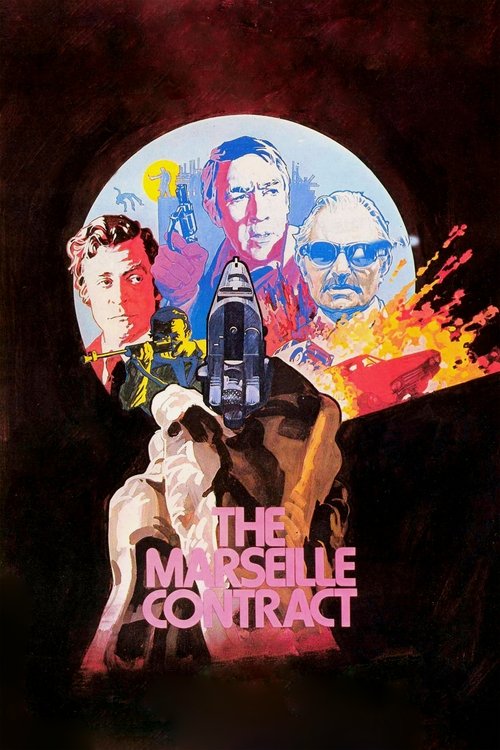
The Marseille Contract1974
Both strand their protagonists in foreign locales where nothing is certain and everyone lies. Both understand that the best spy stories are really about the impossibility of trust.
A contract killer in the South of France becomes the hunted as well as the hunter—a refinement of the double-cross thriller into something closer to existential noir. It has Nobody Runs Forever's international sophistication but trades thriller mechanics for mood and moral decay.
But Deliberately unglamorous and fatalistic. If you need your characters to deserve their fates or your villains to face justice, this will feel morally slippery and unsatisfying.
Masala2013
Both are fundamentally about performance and deception—characters playing roles to survive in systems larger than themselves. Both understand that identity is negotiable and survival is a better goal than truth.
A Bollywood thriller that deconstructs spy narratives and international intrigue using melodrama as its primary tool. It's visually extravagant, genuinely clever about narrative structure, and proves that Nobody Runs Forever's DNA—mystery, misdirection, global scope—translates into wildly different registers and cultures.
But If you're not attuned to Bollywood's emotional vocabulary and visual language, it will read as chaotic and overwrought. The tonal shifts and song sequences will feel dissonant if you expect Western thriller conventions.

People
Cast
 Rod TaylorScobie Malone
 Christopher PlummerSir James Quentin
 Lilli PalmerSheila Quentin
 Camilla SparvLisa Pretorius
 Daliah LaviMaria Cholon
 Clive RevillJoseph
 Lee MontagueDenzil
 Calvin LockhartJamaica
 Derren NesbittPallain
 Edric ConnorJulius
 Burt KwoukPham Chimh
 Russell NapierLeeds
Directing
- Simon RelphAssistant Director
- Gladys GoldsmithContinuity
- Ralph ThomasDirector
- Nicolas Hippisley-CoxeThird Assistant Director
Writing
- Jon ClearyNovel
- Wilfred GreatorexScreenplay
Production
- James H. WareAssociate Producer
- Selig J. SeligmanExecutive Producer
- Betty E. BoxProducer
- Donald TomsProduction Manager