
Film
The Liquidator
A cheerfully irreverent 1965 spy caper where Rod Taylor's hapless Boysie Oakes discovers his cushy Secret Service job actually requires him to be an assassin. It's lightweight fun—all gadgets, girls, and comic chaos—for anyone who likes their espionage silly and their heroes charmingly incompetent. Think James Bond if Bond were an idiot who'd rather flirt.
Should you watch it?
Watch it if you like spy spoofs that send up the bureaucracy of a secret service for dry, slightly sheepish laughs, with an affable lead who looks more bewildered than dashing.
Skip it if you want taut, modern action and sharp jokes on every beat, since this one ambles and its treatment of women feels dated.
What it asks of you: About an hour and three-quarters of easygoing scenes, the comedy unhurried and the danger arriving in brief, sudden bursts; it rewards patience with stiff, period manners.
Not sure? Find tonight's pick in a minute.
If you liked this
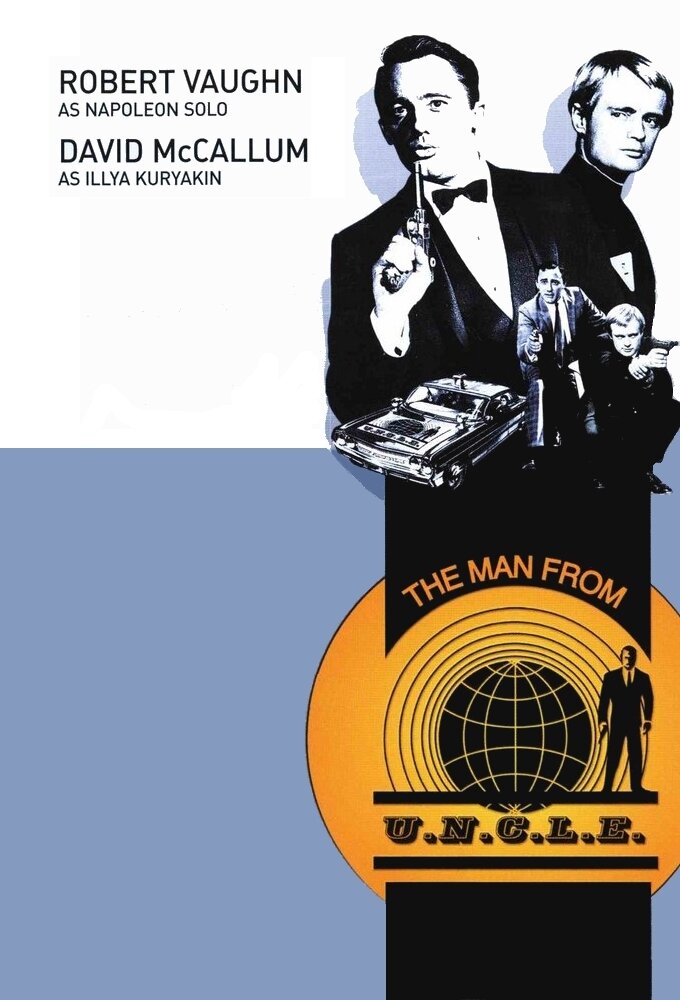
The Man from U.N.C.L.E.1964
Suave spycraft meets absurdist humour with Napoleon Solo and Illya Kuryakin. If you liked Boysie's bumbling approach to impossible situations, this has the same playful tone and wildly inventive gadgetry wrapped in gorgeous '60s style.
But It's very much a product of its era—some episodes are camp in ways that haven't aged brilliantly, and the serialized format means inconsistent quality across seasons.
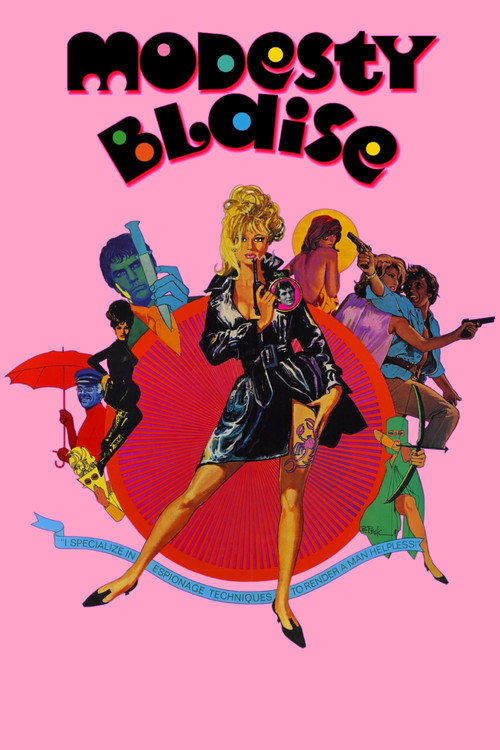
Modesty Blaise1966
A groovy, tongue-in-cheek spy romp with Monica Vitti as a reformed thief. Same anarchic energy, same love of style over sense, same willingness to treat espionage as an excuse for colourful mayhem and witty improvisation.
But The script is deliberately scattered and the plot barely holds together. If you need things to make logical sense or characters to behave consistently, this will frustrate you.
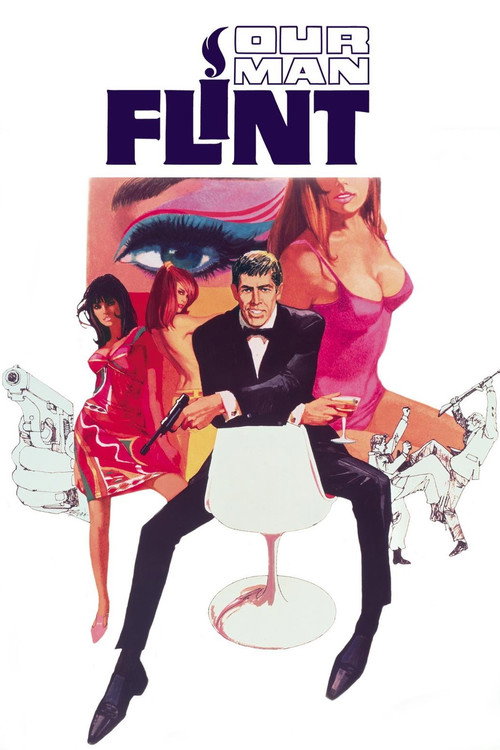
Our Man Flint1966
James Coburn as a suave secret agent who's somehow even more ridiculous than Boysie—flying cars, absurd gadgets, villains with world-domination schemes. Pure escapist spy comedy with a wink at every frame.
But It leans hard into the silly without any dramatic weight. If you want your action to matter or stakes to feel real, this is wall-to-wall fluff.
Not sure tonight? Get a pick in a minute, starting from The Liquidator
The wildcard
Something you would not have found on your own.
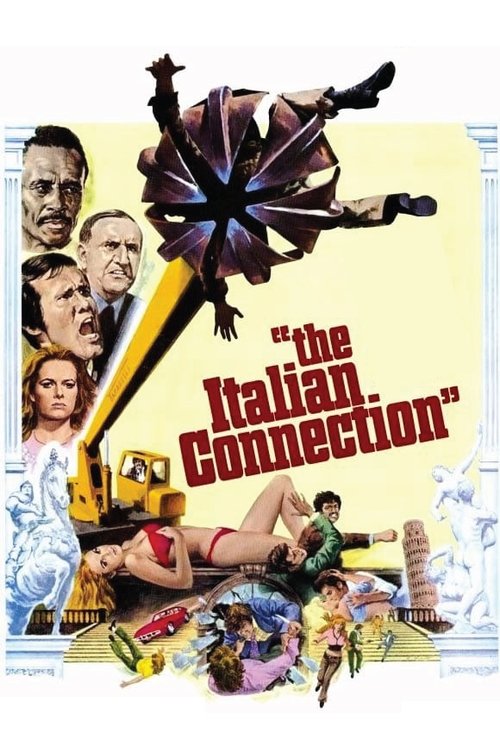
The Italian Connection1972
Both feature ordinary men stumbling through criminal underworld chaos with more charm than competence, using comedy to offset danger. Same DNA, different national cinema and decade.
A poliziotteschi crime film where a hapless courier gets caught between criminals and cops in Milan. It has Boysie's lovable ineptitude and comic-action tone, but filtered through Italian genre cinema—grittier, more violent, with a completely different visual language and sensibility.
But It's violent in ways '65 British spy comedies weren't, and the tone whips between slapstick and brutal without warning. The dubbing is thick and occasionally bizarre. It requires patience with '70s Italian exploitation conventions.
More like this (8)
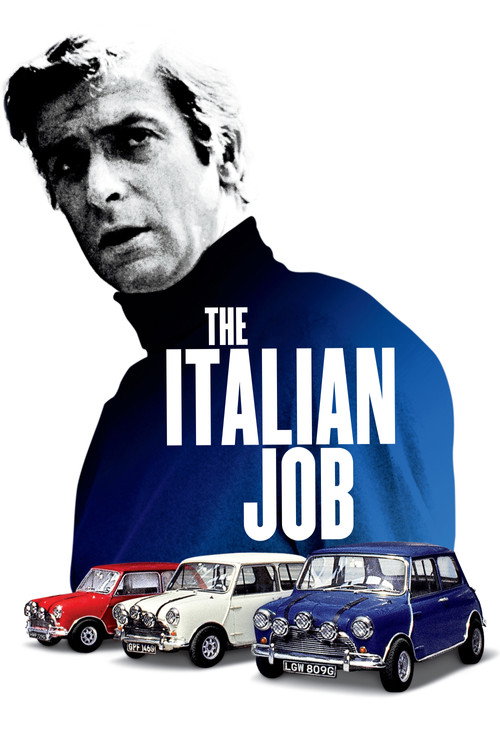
The Italian Job1969
Michael Caine leading a caper team through an impossible heist. Same spirit as Boysie—ordinary men (well, stylish men) in over their heads, improvising their way through with charm and cockiness rather than competence.
But It's a heist film, not a spy film, so the tone shifts. Also, the ending is famously unresolved, which some find clever and others find merely annoying.
Arabesque1966
Gregory Peck and Sophia Loren stumbling through a convoluted spy plot they barely understand. That bumbling-through-danger quality Boysie perfects, but with movie stars and Dario Moroder's lush score.
But The plot is genuinely incomprehensible—intentionally, but it doesn't always feel intentional. You have to be okay with not knowing what's happening and enjoying it anyway.

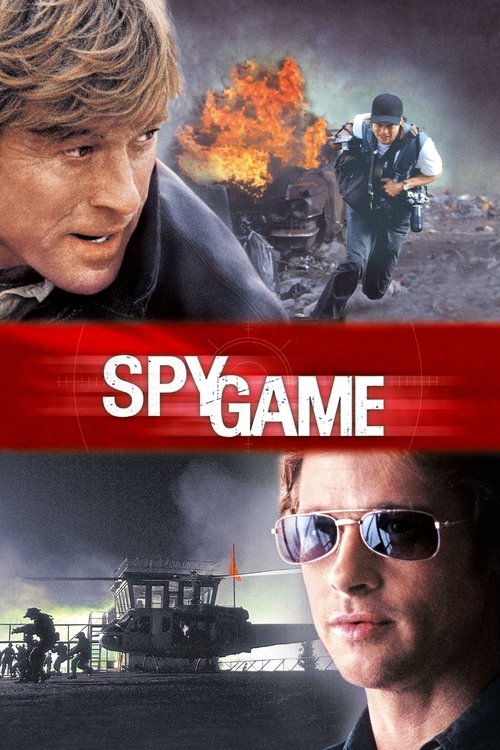
Spy Game2001
Brad Pitt and Robert Redford in a modern take on the amateur-sleuth-in-over-his-head formula. Fast-paced, stylish, and comfortable with laughing at itself while delivering genuine thrills.
But It's slicker and more Americanized than the '60s original. If you're watching for period flavour and eccentric Britishness, this leans too hard into Hollywood polish.
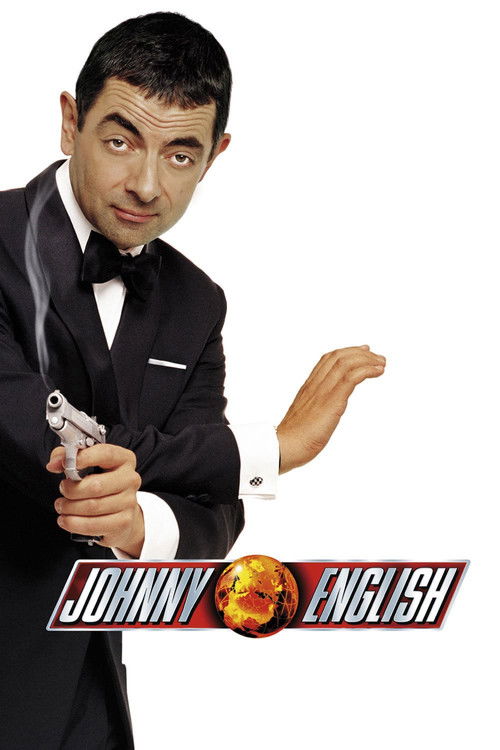
Johnny English2003
Rowan Atkinson as a bumbling MI7 agent who somehow muddles through. It's Boysie's direct spiritual successor—the inept spy who wins despite himself, played with physical comedy and genuine heart beneath the silliness.
But The humour is broadly physical and sometimes juvenile. If you prefer wit to slapstick, you'll find stretches of this painfully obvious.
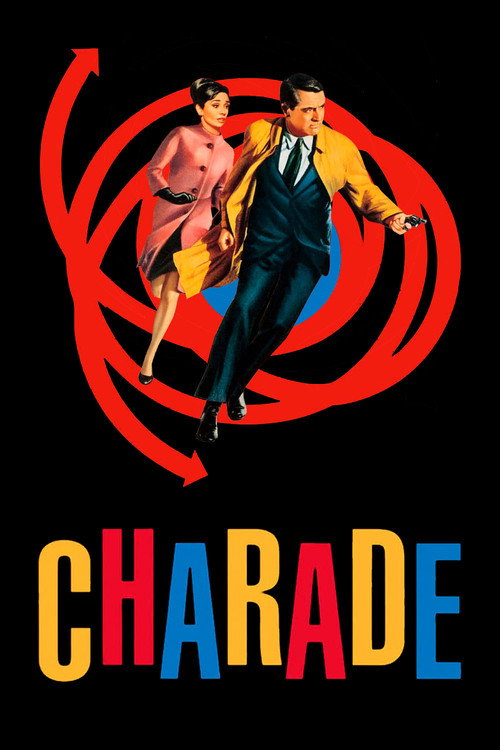
Charade1963
Audrey Hepburn and Cary Grant in a spy thriller that's funny, romantic, and genuinely clever. It has Boysie's lightness and romantic entanglement, but with real stakes and better plotting underneath.
But It's more romantic thriller than comedy, so if you came for the laughs and chaos, you might find it too elegant and controlled.
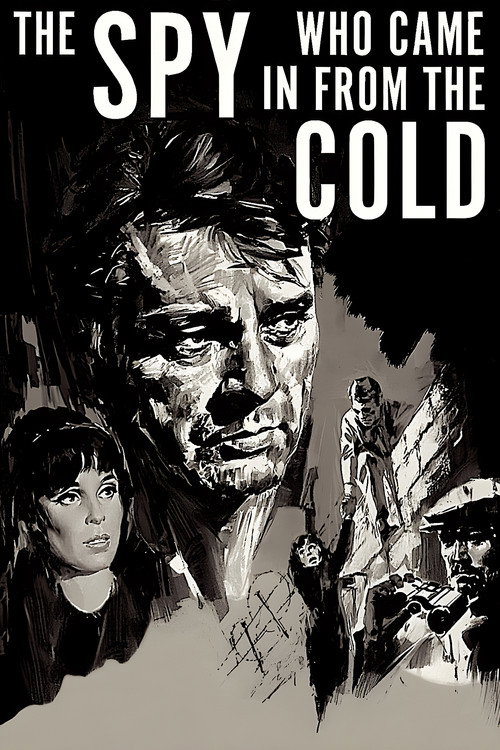
The Spy Who Came In from the Cold1965
Released the same year, this le Carré adaptation shows what spy cinema could be when it chose realism. Richard Burton's weary agent is the dark mirror to Boysie—same era, completely different register, both worth seeing.
But It's grey, bleak, and slow. You'll be watching the Cold War in shades of concrete and betrayal. If you need fun, this is the opposite medicine.
Peeping Tom1960
Both films are deeply interested in cameras, surveillance, and the act of watching. Where Boysie uses gadgets for comic adventure, Powell uses them to dissect male desire and obsession. Same tool, opposite moral direction.
Michael Powell's avant-garde psychological thriller about a man who films murders. It shares Boysie's obsession with the camera as weapon, but inverts every comic instinct—it's about voyeurism, guilt, and the male gaze turned predatory and sick.
But It's genuinely unsettling and extremely dark. There's no lightness here, no jokes. You're watching something beautiful and morally poisoned, which is the opposite of Boysie's breezy tone.

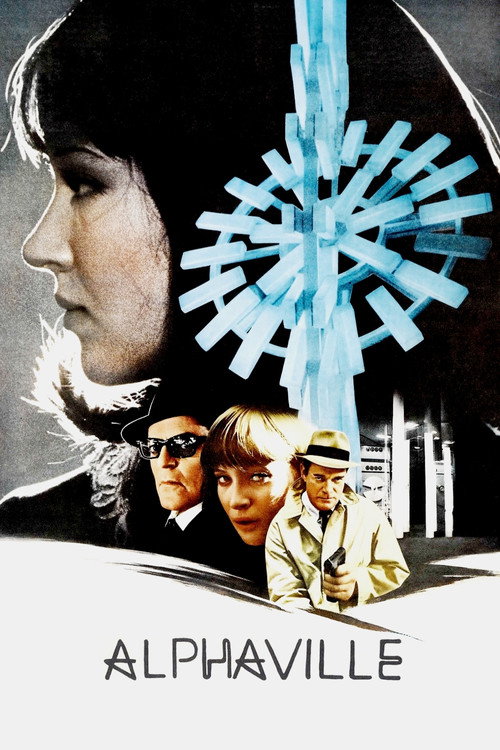
Alphaville1965
Both are radical '65 spy films that refuse to take the genre seriously. One dismantles it through absurdist comedy; the other through philosophical abstraction. Same year, same refusal of convention, completely opposite methods.
Jean-Luc Godard's science-fiction noir where Eddie Constantine plays a spy navigating a dystopian city of pure logic. Released the same year as Boysie, it's also playful and visually audacious, but it's experimental cinema—fractured, philosophical, shot in black-and-white on location.
But It's deliberately difficult. Dialogue is cryptic, plot is secondary to mood and idea, and the whole thing feels like you're watching someone else's dream. If you want story clarity and entertainment over artistic challenge, you'll hate it.
People
Cast
 Rod TaylorBrian Ian "Boysie" Oakes
 Trevor HowardMostyn
 Jill St. JohnIris MacIntosh
 Wilfrid Hyde-WhiteChief
 Eric SykesGriffen
 John Le MesurierChekhov
 Derek NimmoFly
 David TomlinsonQuadrant
 Akim TamiroffSheriek
 Gabriella LicudiCorale
 Jennifer JayneJanice Benedict
 Suzy KendallJudith
Directing
- David TomblinAssistant Director
- Jack CardiffDirector
Writing
- John GardnerNovel
- Peter YeldhamWriter
Production
- Leslie ElliotExecutive Producer
- Jon PeningtonProducer
Recommended by
Our Man Flint, Arabesque, Amazon Women on the Moon, A Man Could Get Killed, Nobody Runs Forever