
Film
A Man Could Get Killed
- Spy action
- Comedy
- Crime
- Light-hearted
A 1966 spy caper where an American businessman in Lisbon accidentally becomes everyone's target when he's mistaken for a jewel-thieving secret agent. James Garner carries this breezy, colorful romp with charm and timing—it's built for pure entertainment, not deep thrills. Perfect if you want style, humor, and Continental glamour without stakes that actually matter.
Should you watch it?
Watch it if you enjoy breezy 1960s caper comedies where a case of mistaken identity snowballs into chaos, with a light touch and a sunny European backdrop doing much of the work.
Skip it if you want sharp, tightly plotted suspense; this one is more farce than thriller, and its comic momentum can feel loose and repetitive across its brisk ninety-seven minutes.
What it asks of you: Ninety-seven minutes of easygoing escalation: you follow a running gag of confusion rather than a dense mystery, so just let it roll and enjoy the scenery.
Not sure? Find tonight's pick in a minute.
If you liked this
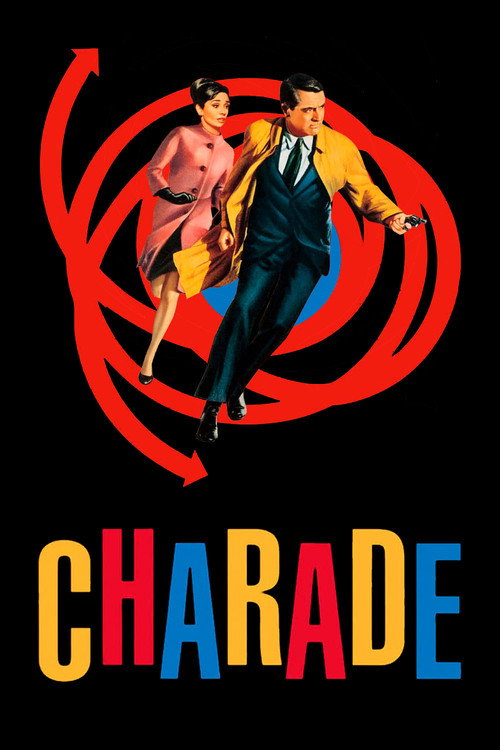
Charade1963
Audrey Hepburn and Cary Grant navigate a Paris-set web of international intrigue that's funny, romantic, and visually gorgeous. It has the same breezy tone masking real danger, with dialogue that sparkles.
But It's from 1963 and takes its romance subplot seriously—some modern viewers find the pacing genteel compared to today's thrillers.
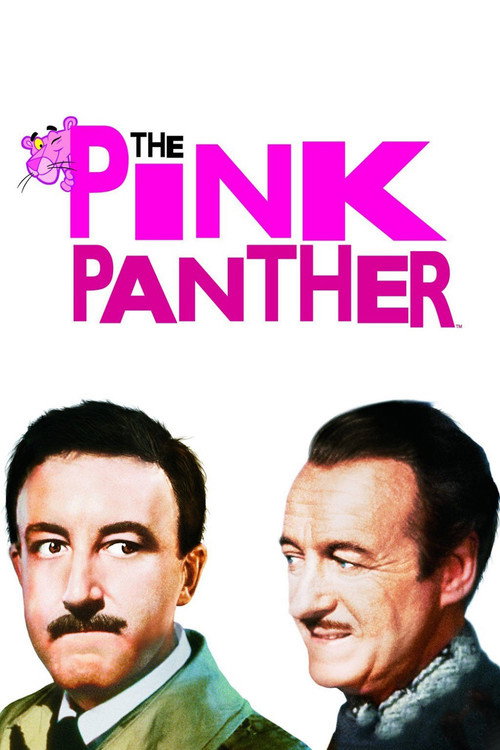
The Pink Panther1963
Peter Sellers as an incompetent inspector chasing a diamond thief across European locations. Same era, same brand of comedy-mystery collision, and genuinely hilarious physical humor that's aged beautifully.
But The comedy is broad and heavily reliant on slapstick—if you want subtle, this isn't your film.
Breakfast at Tiffany's1961
Audrey Hepburn and George Peppard in a romantic New York caper that shares the same sophisticated, effortless charm and mid-century glamour. It's more romance than thriller, but the style is intoxicating.
But It moves slowly by modern standards, and some of the racial stereotyping hasn't aged well—watching requires accepting its era.

Not sure tonight? Get a pick in a minute, starting from A Man Could Get Killed
The wildcard
Something you would not have found on your own.
The Spy in Black1939
Both turn espionage into romantic farce powered by mistaken identity, but this is the ancestor that invented the form when spies were still dangerous.
Michael Powell and Emeric Pressburger's first collaboration: a German U-boat commander and British naval officer become a spy couple in wartime Scotland. Same mistaken-identity engine, but invented 27 years earlier, and built on genuine suspense rather than comedy. You get to see the DNA.
But It's in black-and-white, moves at 1939 pace, and takes its stakes seriously—there are no jokes to lighten the wartime dread.
More like this (8)
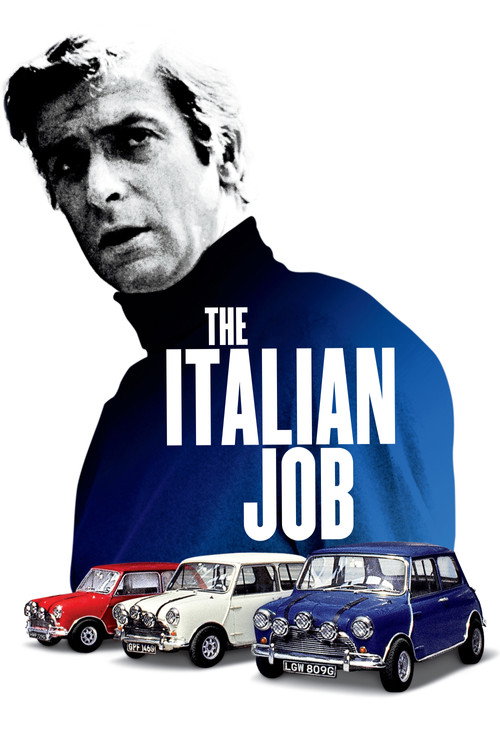
The Italian Job1969
A heist film with a multicultural crew pulling off a gold robbery across Italy. It has the same lightweight charm, colorful locations, and ensemble fun without pretending to be serious.
But The plot is essentially an excuse for spectacle and humor—there's not much emotional weight if you need character depth.
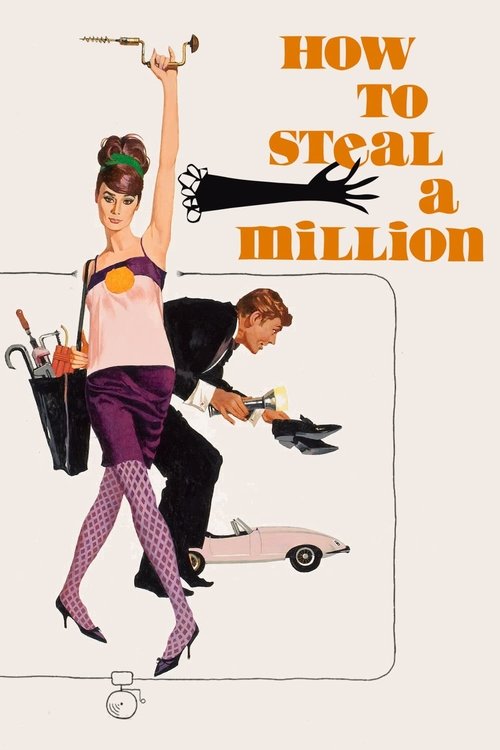
How to Steal a Million1966
Audrey Hepburn and Peter O'Toole pulling off an art heist in Paris. Released the same year, it has identical DNA: glamorous locations, elegant con artistry, and sparkling dialogue that doesn't take itself seriously.
But The romance subplot dominates over the heist plot—if you came for the con, you'll get a love story instead.
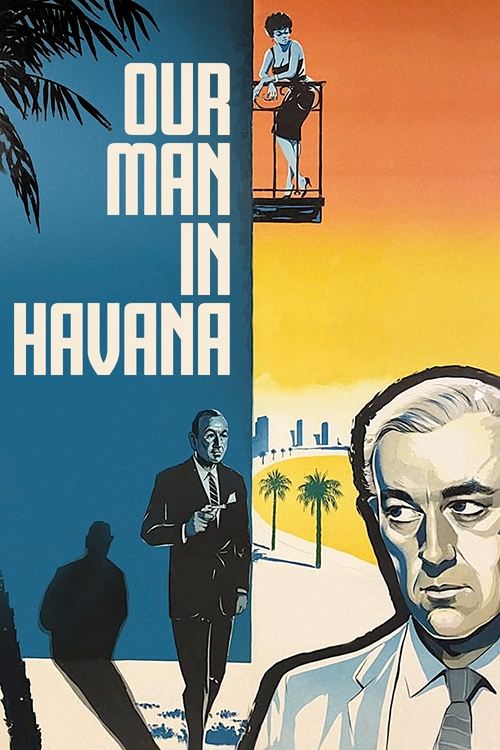
Our Man in Havana1960
Alec Guinness as a vacuum cleaner salesman mistaken for a spy in Cuba. Written by Graham Greene, it's a sharper, more literary take on the 'ordinary man caught in espionage' premise.
But It's grayer in tone and more cynical than *A Man Could Get Killed*—less fun, more irony about Cold War paranoia.
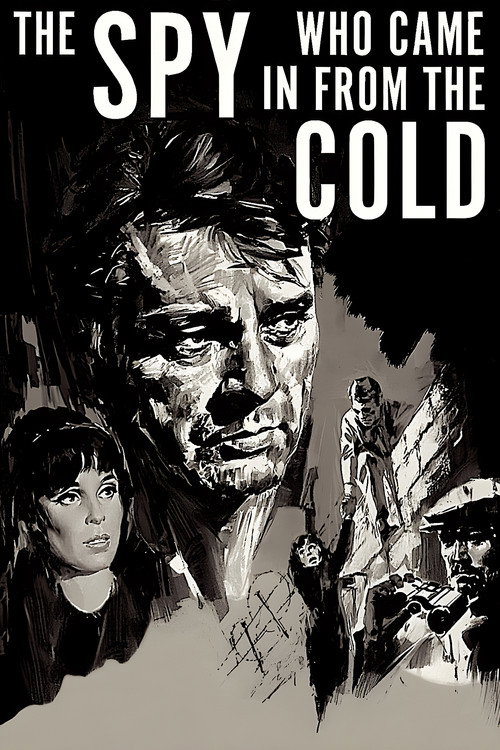
The Spy Who Came In from the Cold1965
Richard Burton in John le Carré's Cold War thriller. It's spy fiction from the same era, set in Prague and Berlin, with the grit and moral weight that distinguishes realistic espionage from romantic fantasy.
But It's genuinely bleak and slow—if you want escapism and jokes, this will feel like homework.
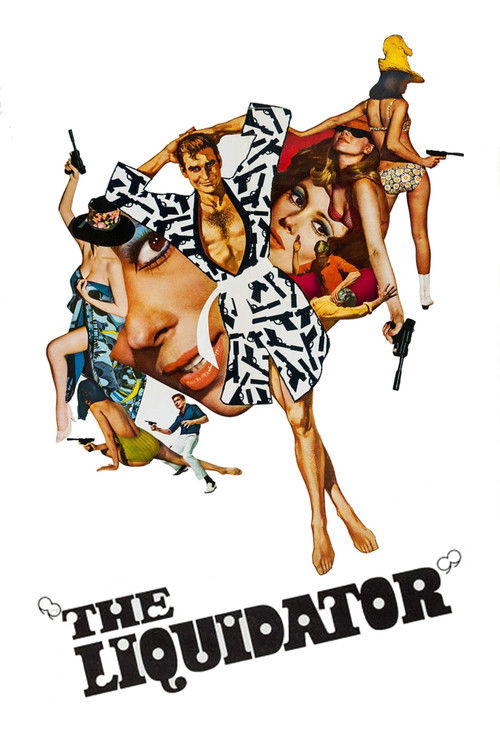
The Liquidator1965
Rod Taylor as a con artist turned secret agent. It's the same comedic spy formula—mistaken identity, international locations, breezy tone—just with different leads and a slightly harder comedic edge.
But It's obscure for a reason—the humor is dated, and the plot is thinner than its more famous cousins.
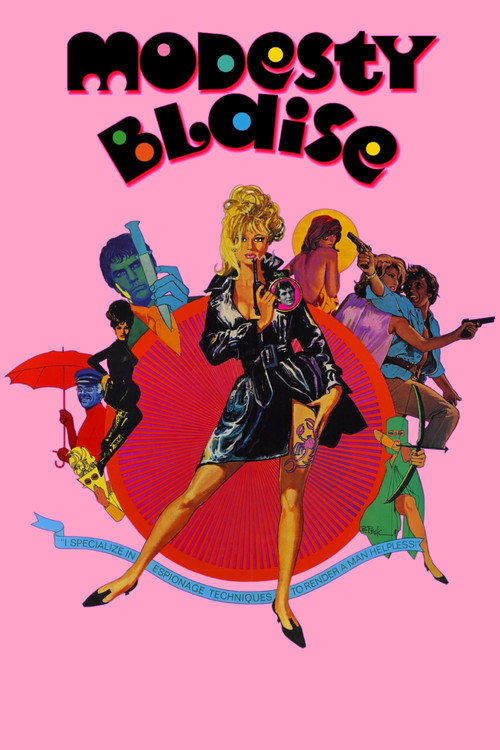
Modesty Blaise1966
Monica Vitti as a retired thief pulled into one last heist, with Dirk Bogarde as her partner. Wildly stylized '60s mod design, camp sensibility, and action-comedy DNA from the same moment in cinema history.
But The humor is so relentlessly campy and the plot so slight that it feels like watching a high-fashion advertisement for two hours.
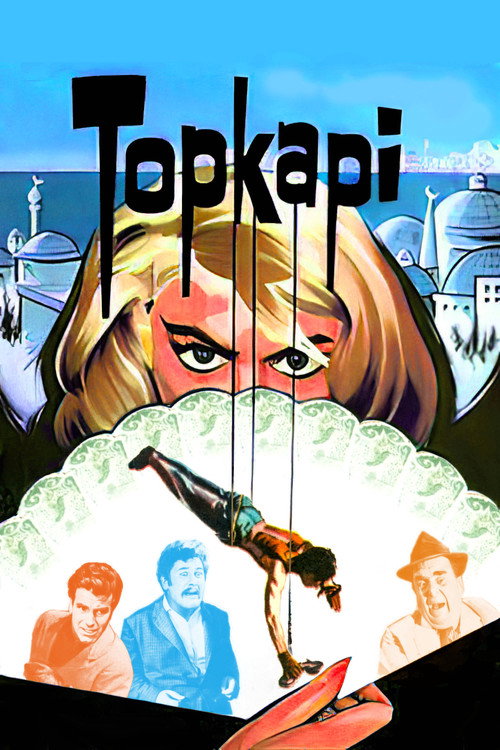
Topkapi1964
Both are jewel-theft comedies where a naive outsider becomes central to elaborate international schemes, but this one makes the heist the actual plot instead of a backdrop.
Peter Ustinov leads a caper to steal a jeweled dagger from Istanbul's palace. Ustinov is a bumbling tourist caught in a heist, shot across Turkey in glorious Technicolor. Comedy, exoticism, and a MacGuffin diamond—same DNA, different continents.
But Ustinov's performance is theatrical and sometimes precious—his brand of comedy doesn't land for everyone, and the heist takes a back seat to his charm.
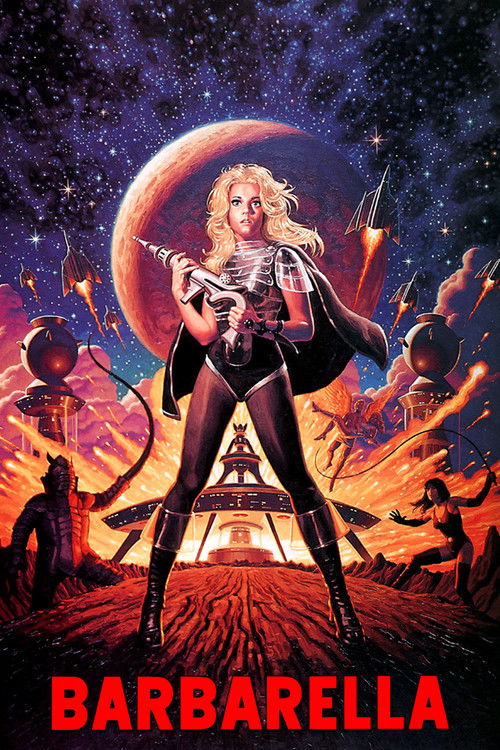
Barbarella1968
Both represent a moment when movies decided plot was less important than having fun on expensive sets with beautiful people in exotic places.
Jane Fonda in the most visually insane space-opera comedy ever made. Not a spy film at all, but it has the same '60s confidence in being utterly frivolous, the same Technicolor excess and continental glamour, the same 'plot is an excuse for spectacle' energy.
But It's campy and deliberately absurd to the point of incoherence—if you need narrative logic or narrative to make sense, this will frustrate you.
People
Cast
 James GarnerWilliam Beddoes
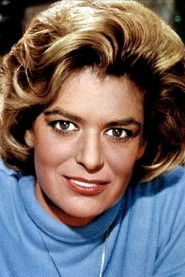 Melina MercouriAurora / Celeste da Costa
 Sandra DeeAmy Franklin
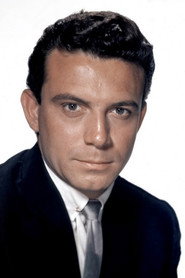 Anthony FranciosaSteve / Antonio
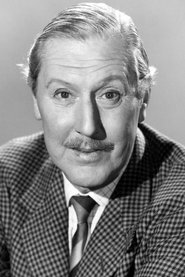 Robert CooteHatton / Jones
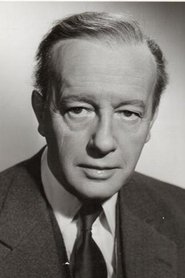 Roland CulverDoctor Mathieson
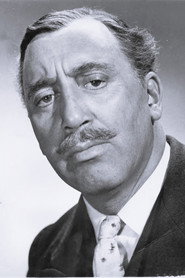 Grégoire AslanFlorian
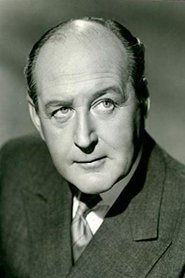 Cecil ParkerSir Huntley Frazier
 Dulcie GrayMrs. Mathieson
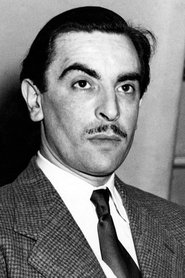 Martin BensonPolitanu
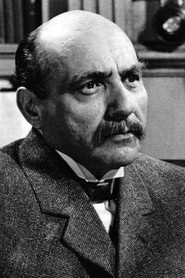 Peter IllingZarik
 Niall MacGinnisShip's Captain
Directing
- Douglas GreenAssistant Director
- Mauro SacripantiAssistant Director
- Roberto FizzAssistant Director
- Cliff OwenDirector
- Ronald NeameDirector
Writing
- David E. WalkerNovel
- Richard L. BreenScreenplay
- T. E. B. ClarkeScreenplay
Production
- Ernest B. WehmeyerAssociate Producer
- Edward MuhlExecutive In Charge Of Production
- James GarnerExecutive Producer
- Robert ArthurProducer
- Gilbert KurlandUnit Production Manager