
Film
Carnival
A 1946 British melodrama about a ballet dancer who abandons the stage to marry a Cornish farmer, only to find herself torn between duty and desire. It's intimate and emotionally raw, with excellent performances anchoring what could have been soap opera into genuine tragedy. For anyone who wants post-war British cinema to hurt a little.
If you liked this
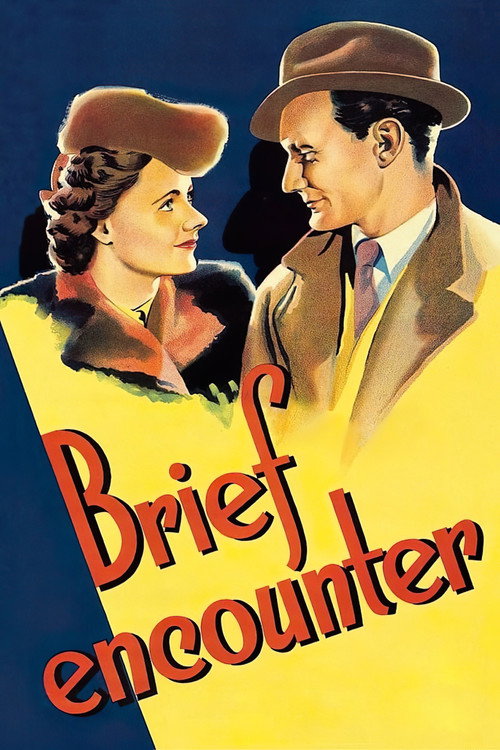
Brief Encounter1945
Two married strangers fall in love across teacups and stolen moments. Coward's script is devastating, and the restraint makes every glance matter. A masterclass in what British cinema could do with feeling.
But The pacing is glacial by modern standards, and if you need plot momentum over character anguish, it will feel like watching paint dry.
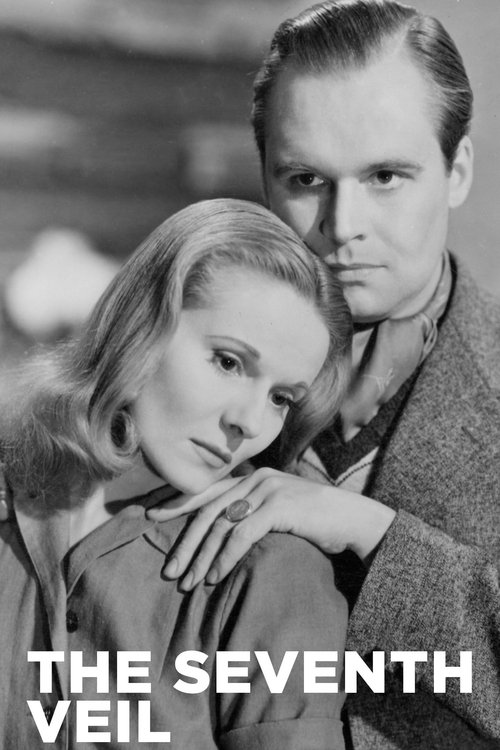
The Seventh Veil1945
A pianist caught between a controlling guardian and romantic escape, wrestling with what freedom actually means. It's Freudian melodrama executed with real psychological insight and superb playing by Ann Todd.
But The psychoanalysis angle feels dated, and the ending divides people sharply on whether it's earned or convenient.
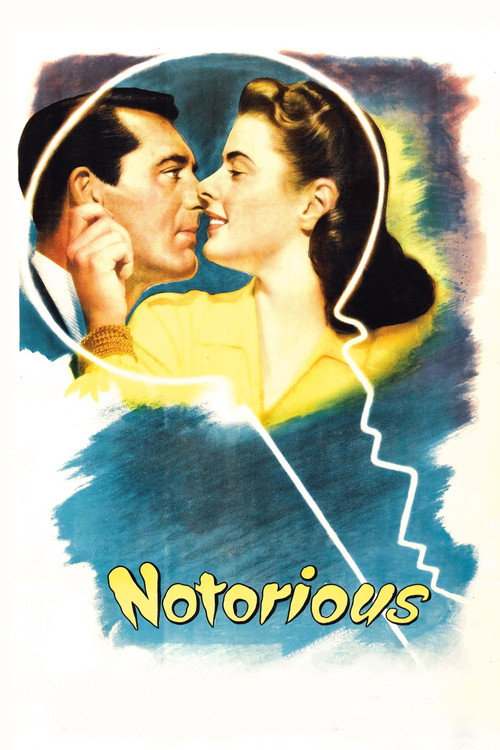
Notorious1946
Hitchcock's spy thriller is also a love story between two people using each other and slowly meaning it. Cary Grant and Ingrid Bergman smoulder across moral ambiguity. The real engine is desire and doubt.
But If you want straightforward espionage, the emotional complexity can feel like it's getting in the way of the plot.
Not sure tonight? Get a pick in a minute, starting from Carnival
The wildcard
Something you would not have found on your own.
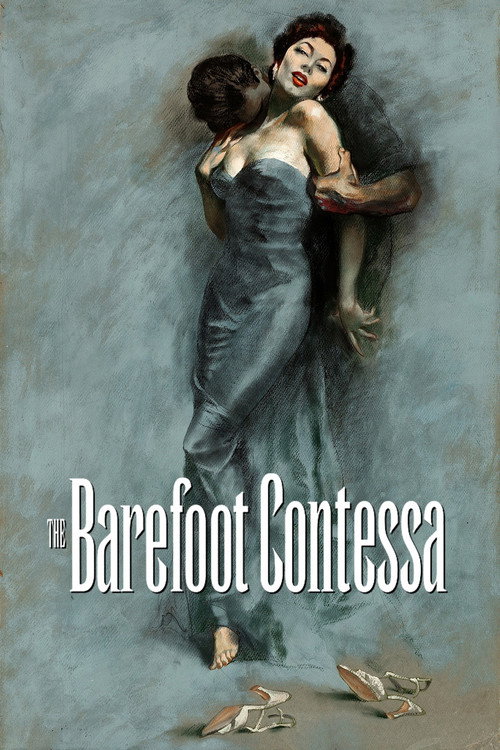
The Barefoot Contessa1954
Both centre on a woman performer married to someone unsuited to her world, but where Carnival traps her, Contessa lets her choose—and shows us why the choice might be wrong anyway. One is British anguish; the other is American tragedy.
An aging director and a fiery dancer meet at a Spanish nightclub and orbit each other across a Mediterranean romance that's as much about disillusionment as desire. Ava Gardner is a force, and the film moves between passion and resignation with real sophistication.
But It's shot in vivid colour and scored lushly—if you want restraint, this is American spectacle, not British understatement. Also genuinely bleak about what glamour costs.
More like this (8)
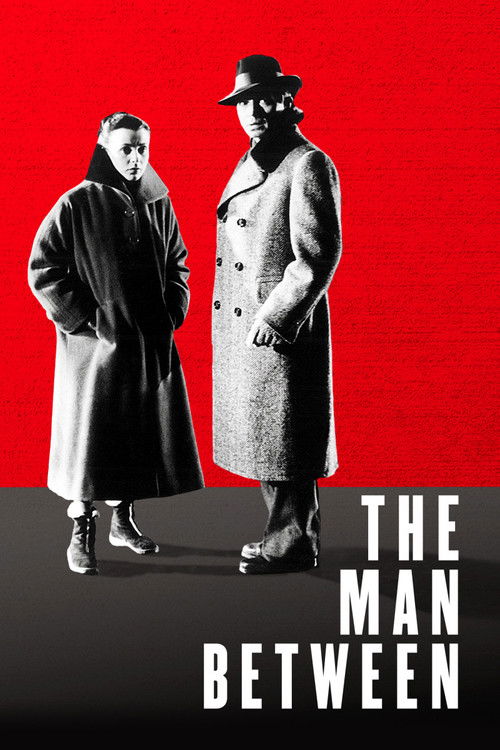
The Man Between1953
Carol Reed's cold-war romance in Berlin, where a woman torn between safety and passion discovers neither lover is quite what he seems. Beautifully shot, morally slippery, and genuinely tense.
But It's slow-burn in an era when slow-burn meant patience; some will find it self-indulgent rather than atmospheric.
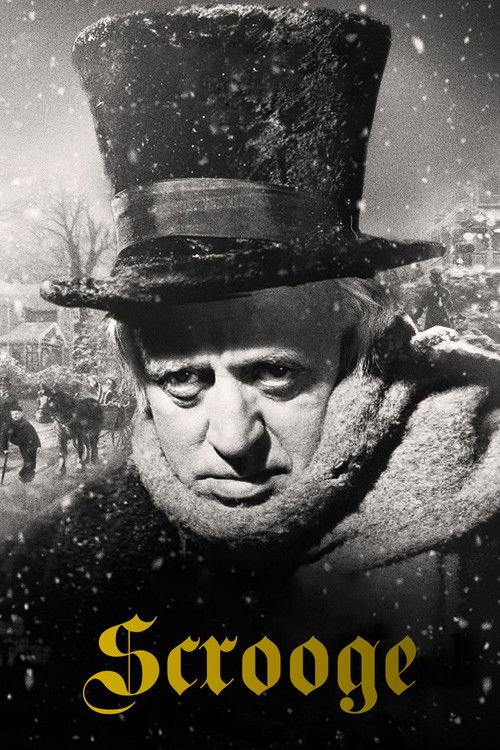
Scrooge1951
Alastair Sim's Dickens adaptation proves British cinema's range. It's funny, haunting, and genuinely moves from cynicism to redemption without treacle. Sim gives a career-best performance.
But If you've never connected with Dickens, this reverent faithfulness won't change your mind. It assumes you already care about the material.
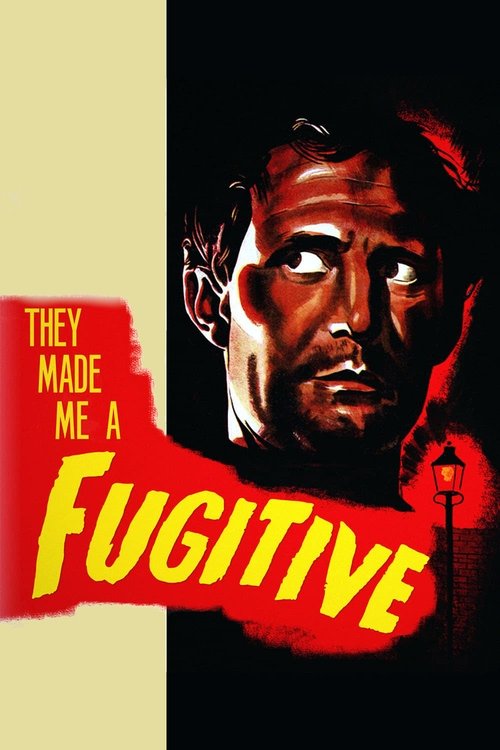
They Made Me a Fugitive1947
A noir-tinged British thriller where a returning soldier is framed by his own gang. Raw, bitter, and visually stunning in its shadows. Trevor Howard delivers one of cinema's great wronged-man performances.
But The plot mechanics strain sometimes, and the moral universe is so bleak it can feel like style over substance.
The Red Shoes1948
Powell and Pressburger's masterpiece about a dancer caught between love and art. The ballet sequences are transcendent, and the film understands the hunger that drives artists. Visually intoxicating throughout.
But It's theatrical and operatic rather than naturalistic; if you prefer understatement, the melodrama might overwhelm you.

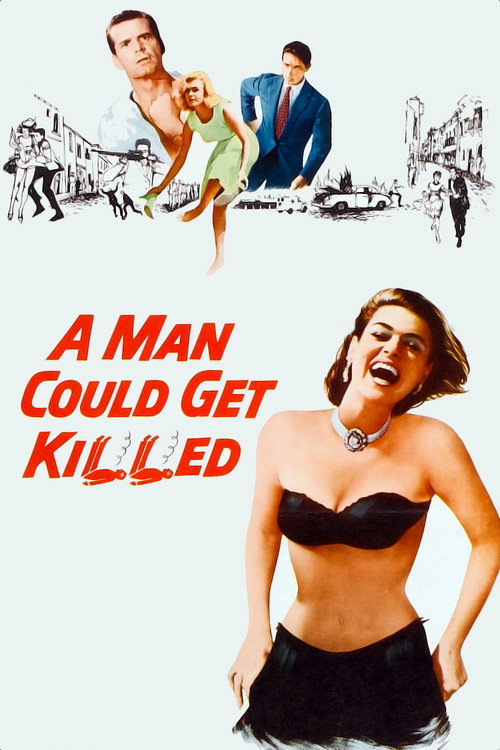
A Man Could Get Killed1966
James Garner and Melina Mercouri in a lightweight caper that's genuinely funny and romantic without trying too hard. It's a palate-cleanser with real charm and zippy dialogue.
But It's frothy by design. If you want substance over entertainment, it's honestly just not interested in your objections.
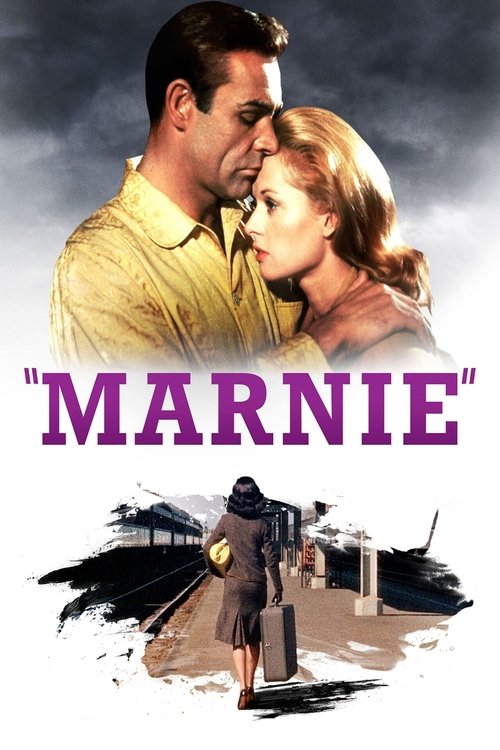
Marnie1964
Hitchcock's psychological thriller about a woman stealing from employers and the man who loves her despite it. Tippi Hedren's performance is extraordinary, caught between need and self-protection.
But Hitchcock's direction can feel mannered, and the psychoanalytic explanations for Marnie's behaviour strike some as reductive and dated.
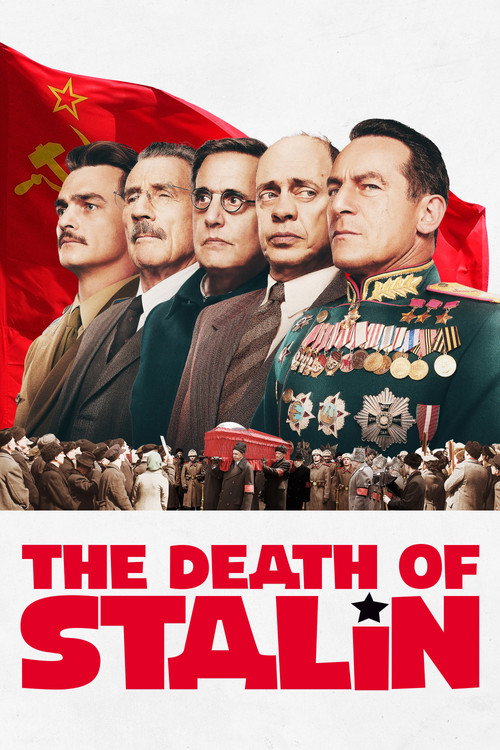
The Death of Stalin2017
Both are intensely melodramatic about power and desire, but while Carnival is intimate romance betrayed, Death of Stalin is vast history made farcical. Same emotional temperature—longing, regret, the gap between what we want and what we're allowed—but one whispers and one shouts.
Iannucci's satirical film about Soviet bureaucrats manoeuvring in the power vacuum. Shot in black and white, brutally funny, and structured like a dark melodrama where ideology collapses under the weight of human petty desire.
But It's a period political satire in monochrome with overlapping dialogue and a distinctly British comic sensibility. If you want spectacle or contemporary relevance, you'll feel you're working too hard.
Stalker1979
Both films are about the distance between desire and its object—the gap between what we imagine happiness to be and what we actually need. Carnival shows us this through passion and betrayal; Stalker through metaphysical longing. One breaks your heart with romance; the other transcends emotion altogether by suggesting wanting itself might be the trap.
Tarkovsky's sci-fi meditation about desire and the things we think we want versus what might actually save us. A man guides two others toward a room that grants wishes, but the real journey is inward. Shot with glacial beauty and genuine mystery.
But It's 163 minutes of deliberately paced Russian cinema in which almost nothing happens and the dialogue is philosophical rather than dramatic. Most people will find it too slow to sit through, even if they respect it.

People
Cast
 Sally GrayJenny Pearl
 Michael WildingMaurice Avery
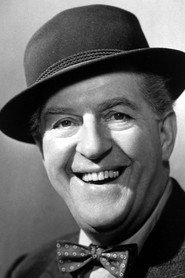 Stanley HollowayCharlie Raeburn
 Bernard MilesTrewhella
 Jean KentIrene Dale
 Catherine LaceyFlorry Raeburn
 Nancy PriceMrs. Trewhella
 Hazel CourtMae Raeburn
- Michael ClarkeFuzz