
Film
Kismet
Other titles called Kismet: the 1930 film, the 1943 film.
- Comedy
- Light-hearted
A lavish 1955 musical fantasy set in a cartoonish Baghdad, where a scheming poet spins elaborate cons to marry off his daughter to a caliph. Think *Arabian Nights* as a stage production that film couldn't quite contain—all bright colours, big songs, and actors winking at the absurdity. It's escapism pure, for anyone who wants to feel transported without thinking too hard.
Should you watch it?
Watch it if you love lavish, stagey 1950s studio musicals where the songs, rich colour and playful swagger carry the whole thing, and you don't mind a plot that's mostly an excuse for glorious nonsense.
Skip it if you find old-fashioned Hollywood comedy wearing thin, or want fantasy grounded; the jokes run broad, the romance is thin, and songs arrive so often the pace can feel overheated.
What it asks of you: a leisurely, ornate ride of just under two hours, stuffed with songs; it rewards sitting back and letting the spectacle wash over you rather than tracking a tight plot.
Not sure? Find tonight's pick in a minute.
If you liked this
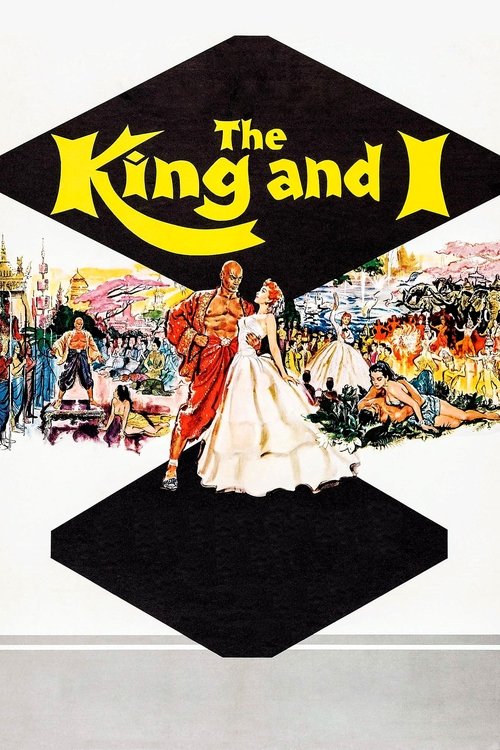
The King and I1956
A later Rodgers and Hammerstein adaptation with similar opulence, romance, and production spectacle. Yul Brynner and Deborah Kerr anchor a film that feels genuinely grand without sacrificing emotional warmth.
But The colonial attitudes embedded in the story are harder to ignore now, and some viewers find the pacing languid compared to modern musicals.
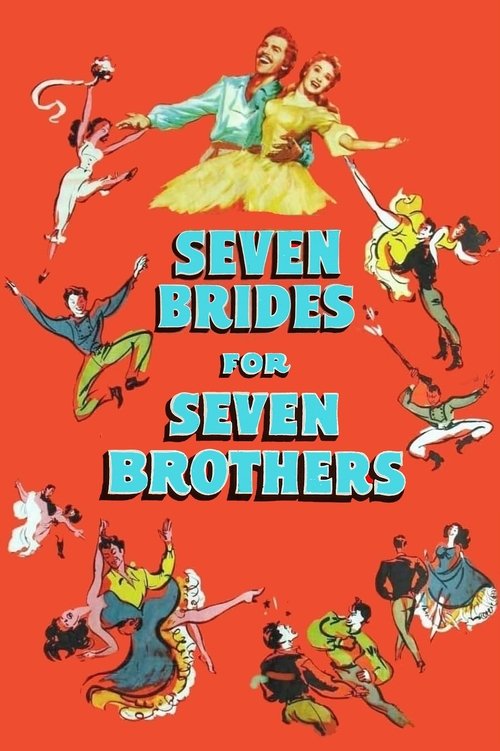
Seven Brides for Seven Brothers1954
A musical with genuine verve and charm, built on a preposterous premise that it commits to completely. The dancing is alive in a way that makes you believe in the whole enterprise.
But The gender politics are very much of their time, and the tone can feel uneven when it lurches between romance and rough humour.
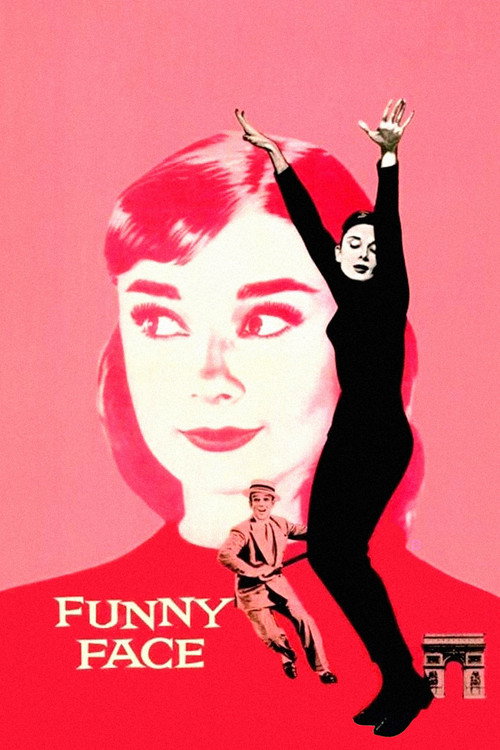
Funny Face1957
Audrey Hepburn and Fred Astaire in a colour musical that understands style as storytelling. It's lighter on plot and heavier on sheer visual pleasure than *Kismet*, but equally committed to the spectacle.
But The romantic dynamic between the leads feels dated, and the Paris sequence, while gorgeous, goes on long enough to test patience.
Not sure tonight? Get a pick in a minute, starting from Kismet
The wildcard
Something you would not have found on your own.
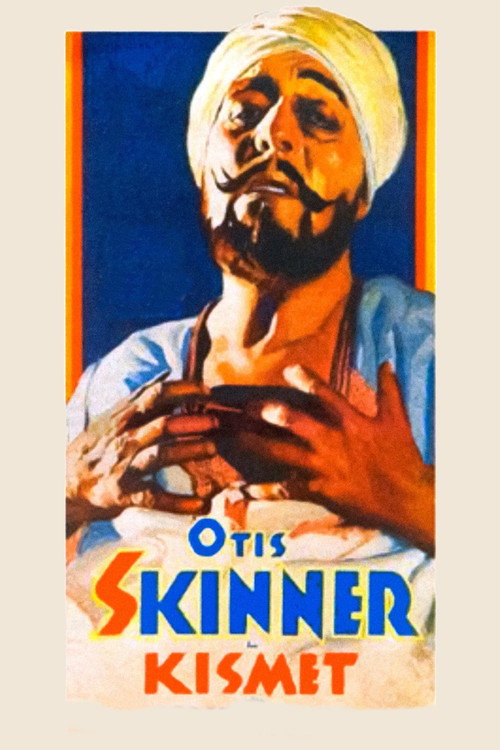
Kismet1930
Same story, radically different film. Shows how production code restrictions and changing tastes transformed the same material into something almost unrecognizable.
The original pre-Code adaptation of the same Edward Knoblock play—edgier, faster, and genuinely interested in corruption and vice in ways the 1955 version has to skirt around. It's the proof that the same story can be completely different.
But Pre-Code doesn't mean it's aged well; some of the casual bigotry lands hard, and the print quality is often poor. It's more historical artifact than easy watch.
More like this (7)
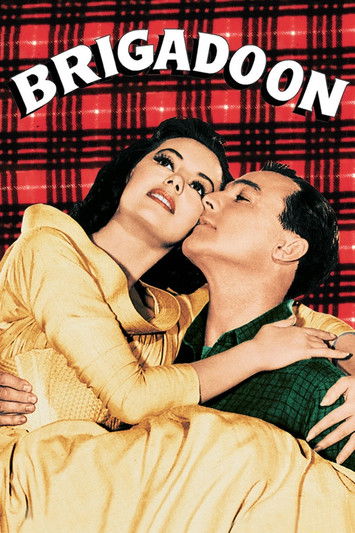
Brigadoon1954
A fantasy musical about a hidden Scottish village that appears once every hundred years. Gene Kelly and Cyd Charisse dance through impossible scenarios with grace, and the whole film has a dreamlike quality that forgives its narrative looseness.
But The story barely holds up under scrutiny, and there's an uncomfortable amount of coercion in the central romance.
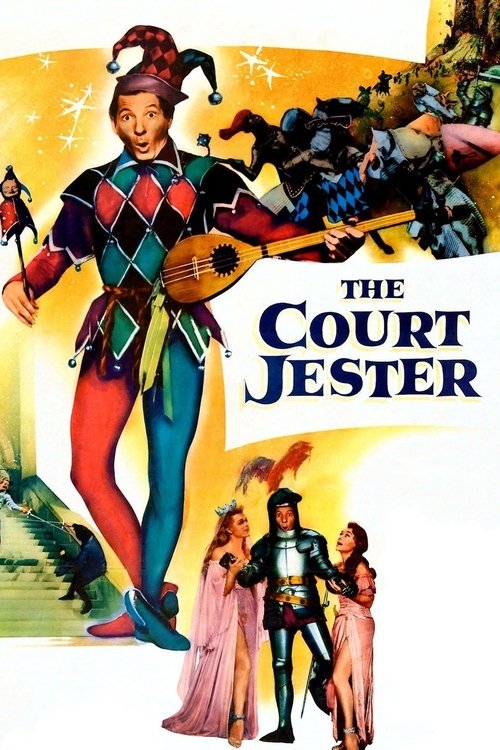
The Court Jester1955
Danny Kaye doing what he does best—verbal fireworks and physical comedy wrapped around a fantasy adventure. It's *Kismet*'s chaos cousin, far more interested in the immediate gag than plot coherence.
But Kaye's manic energy won't appeal to everyone, and the supporting cast is there mostly to facilitate his bit. It can feel exhausting.
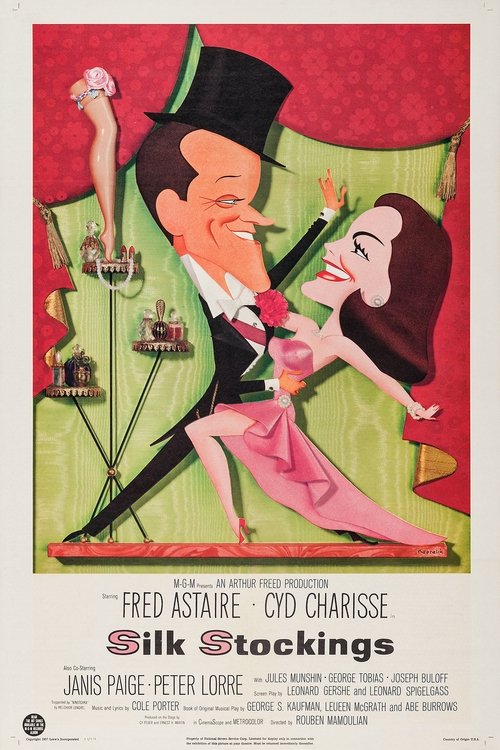
Silk Stockings1957
Fred Astaire and Cyd Charisse in Cole Porter's answer to Cold War romance. The songs are sharper than *Kismet*'s, the dancing is in a different class, and the whole film has a knowing wit underneath.
But The satirical edge demands more engagement than pure spectacle, and some of the Americana vs. Communism stuff feels quaint now.
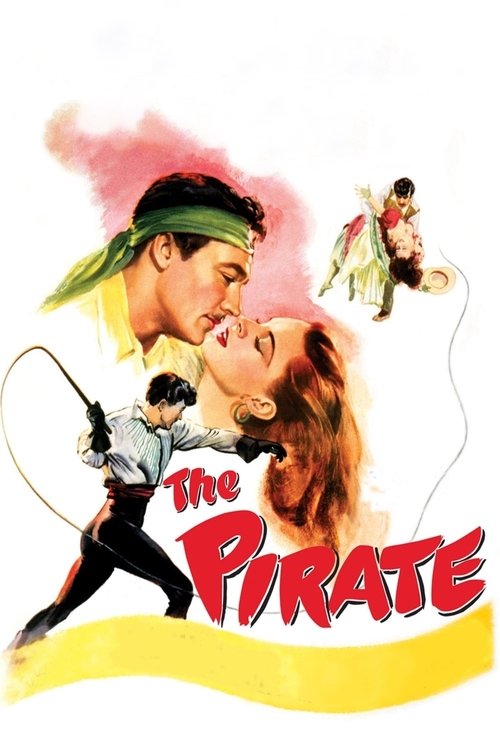
The Pirate1948
Gene Kelly and Judy Garland in Vincente Minnelli's deliberately artificial fantasy. It's theatrical, playful, and unafraid to be camp—closer in spirit to *Kismet* than most MGM musicals of the era.
But Its deliberate theatricality can read as precious rather than charming, and Garland's talent sometimes seems wasted on the script.
Carnival1946
A lesser-known Technicolor musical with genuine sweetness and a European setting that evokes the kind of old-world romance *Kismet* is reaching for. It knows not to take itself seriously.
But The plot is thin even by the standards of 1946, and the film's obscurity means no star power to anchor it.

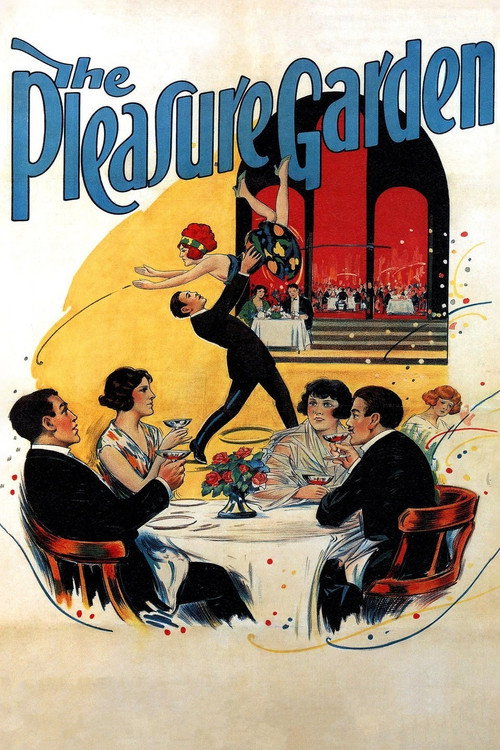
The Pleasure Garden1925
An early Hitchcock picture about backstage romance and theft, with all the artifice and studio magic of silent cinema. It shows how *Kismet*'s theatrical approach descends from an earlier idea of what cinema could be.
But It's in black and white, silent, and moves at a pace that feels glacial now. The plot barely registers compared to the atmosphere.
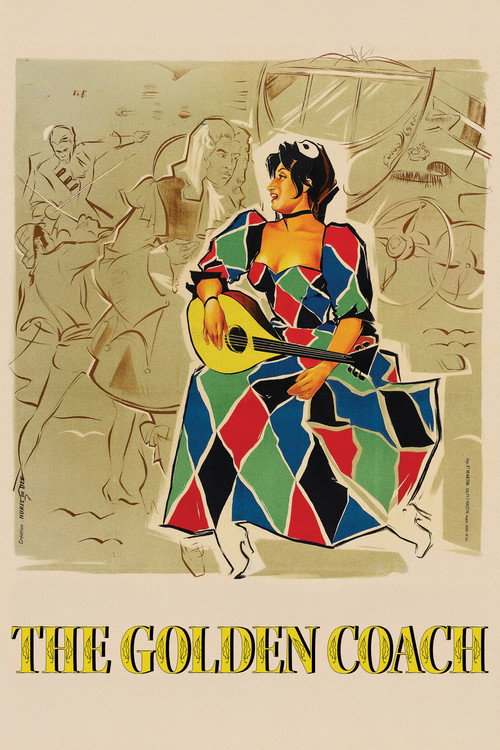
The Golden Coach1952
Both films about con artists and performance in exotic settings, both understand that the artifice is the point, both shot in ravishing colour. But Renoir's asking different questions beneath the spectacle.
Renoir's film about a commedia dell'arte troupe in colonial Peru, shot in Technicolor with a theatricality that matches *Kismet*'s. It's about performance and illusion in a way that cuts deeper, yet never loses its pleasure in surfaces.
But It's in Italian, subtitled, and moves at a pace that feels operatic. Renoir's interested in themes; if you want plot, keep moving. Some find it slow and precious.
People
Cast
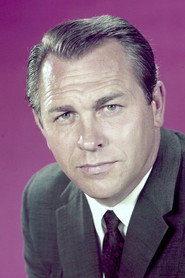 Howard KeelThe Poet
 Ann BlythMarsinah
 Dolores GrayLalume
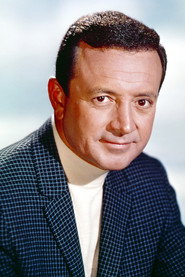 Vic DamoneCaliph
 Monty WoolleyOmar
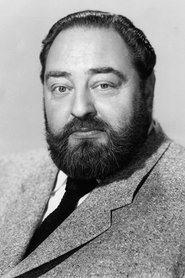 Sebastian CabotWazir
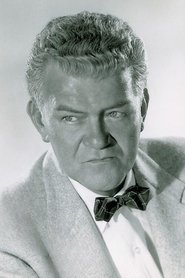 Jay C. FlippenJawan
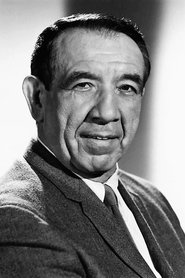 Mike MazurkiChief Policeman
 Jack ElamHasan-Ben
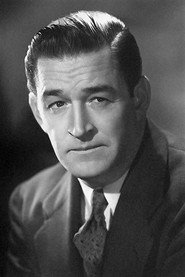 Ted de CorsiaPolice Sub-altern
 Pat SheehanHarem Girl (uncredited)
 Reiko Sato1st Princess of Ababu (uncredited)
Directing
- Hank MoonjeanAssistant Director
- William ShanksAssistant Director
- Vincente MinnelliDirector
- Mollie KentScript Supervisor
Writing
- George ForrestLyricist
- Robert WrightLyricist
- Charles LedererScreenplay
- Luther DavisScreenplay
Production
- Bobby WebbCasting
- Arthur FreedProducer
- Walter StrohmProduction Manager
- Hugh BoswellUnit Manager