
Film
The Golden Coach
Renoir's luminous 1952 confection about an actress in a travelling commedia dell'arte troupe who captivates three powerful men in colonial Peru. It's a film that moves between comedy and melancholy with balletic grace, painted in colour so vivid it feels like stepping into a baroque canvas. A love letter to theatre and performance itself.
If you liked this
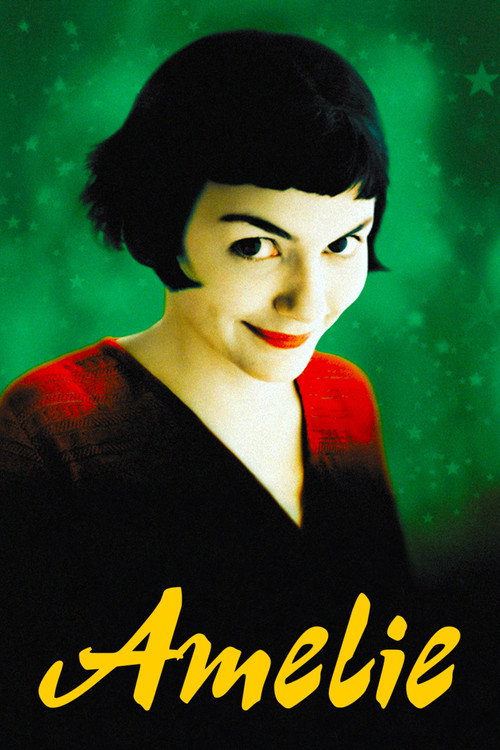
Amélie2001
Like The Golden Coach, it's a whimsical romance that finds magic in small gestures and performance. Audrey Tautou embodies the same theatrical charm Magnani brings, and both films luxuriate in colour and quirky secondary characters.
But The twee factor is real. If you find whimsy cloying or prefer naturalism, this will feel like eating spun sugar for two hours.
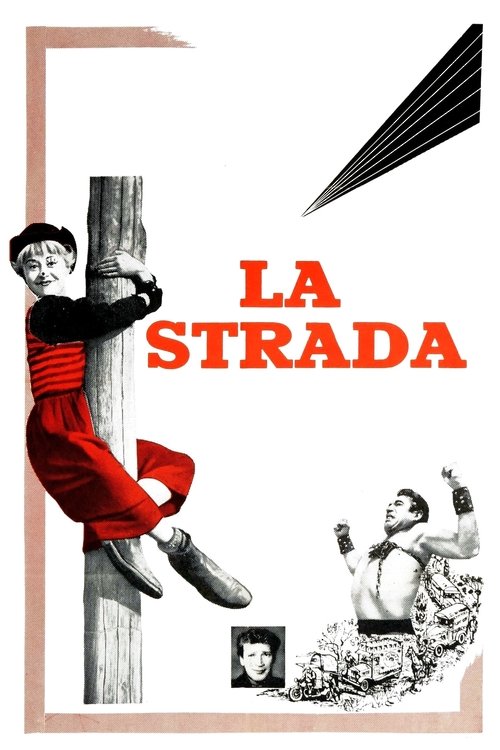
La Strada1954
Fellini's film shares Renoir's fascination with travelling performers and the collision between the theatrical and the real. Magnani herself appears, and the emotional depth rivals The Golden Coach's tonal shifts.
But It's much darker and more tragic. The melancholy doesn't lift the way it does in Renoir—expect heartbreak alongside beauty.
Singin' in the Rain1952
Released the same year, it's another film intoxicated by theatre and performance, with similar visual exuberance. Both love the architecture of entertainment and the people who live inside it.
But The tone is sunnier and the emotion lighter. If you want The Golden Coach's bittersweet current, this remains almost unblemished joy.

Not sure tonight? Get a pick in a minute, starting from The Golden Coach
The wildcard
Something you would not have found on your own.
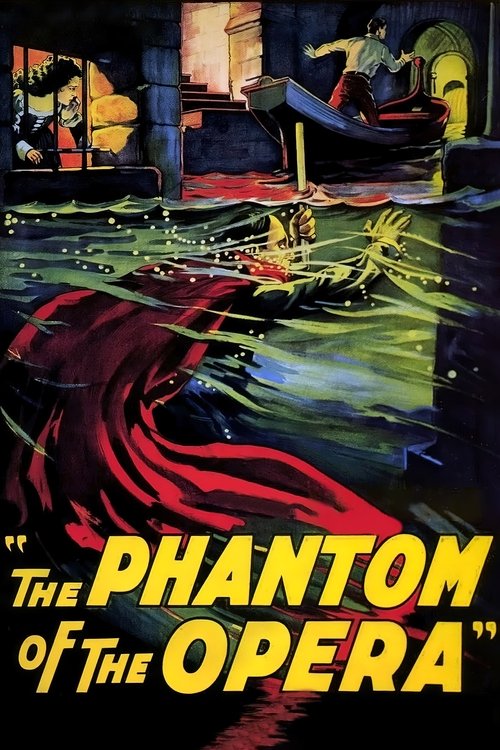
The Phantom of the Opera1925
Both treat performance as a form of identity more real than reality. The theatre is not escape—it's truth.
Lon Chaney's silent masterpiece shares The Golden Coach's obsession with theatrical performance as the truest expression of self. Both films argue that the mask reveals more than the face beneath it.
But It's silent and relies entirely on visual storytelling, physical acting, and intertitles. If you need dialogue and conventional narrative clarity, the experience will feel remote.
More like this (7)
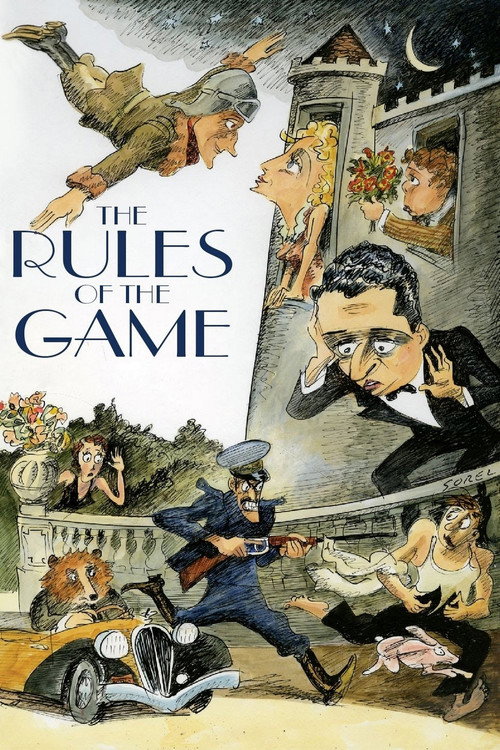
The Rules of the Game1939
Renoir's masterpiece uses a similar ensemble structure and painterly approach. It's the deeper dive into how performance shapes human relationships—more ambitious and less decorative than The Golden Coach.
But It's nearly four hours and far more morally complex. The beauty here emerges from tragedy, not whimsy, and the ending lingers like a bruise.
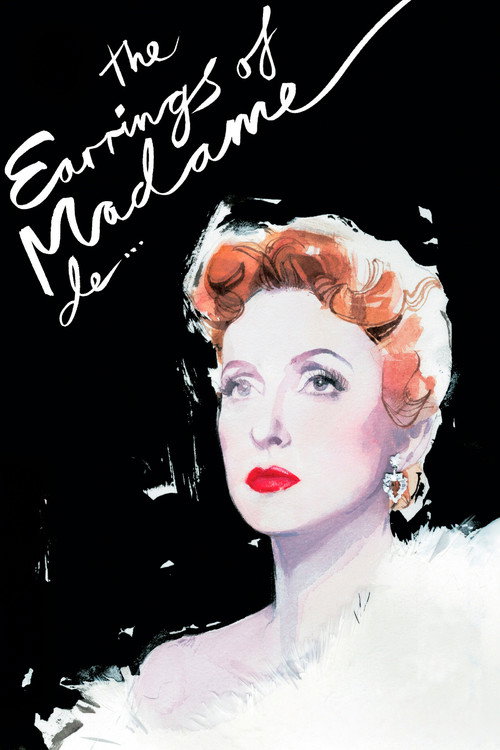
The Earrings of Madame de...1953
Ophüls' baroque romance uses similar visual richness and explores love across social hierarchies with adult nuance. The camera moves the way Renoir's colours move—always conscious of beauty.
But The style verges on stifling; some viewers find it precious. The plot mechanics occasionally creak beneath the visual refinement.
The Leopard1963
Visconti's epic about an aging aristocrat navigating changing society shares The Golden Coach's interest in performance and surface as gateway to feeling. Both films believe style and substance are inseparable.
But It's nearly three hours, primarily in Italian with subtitles, and deeply wedded to historical specificity. The pace is stately rather than playful.

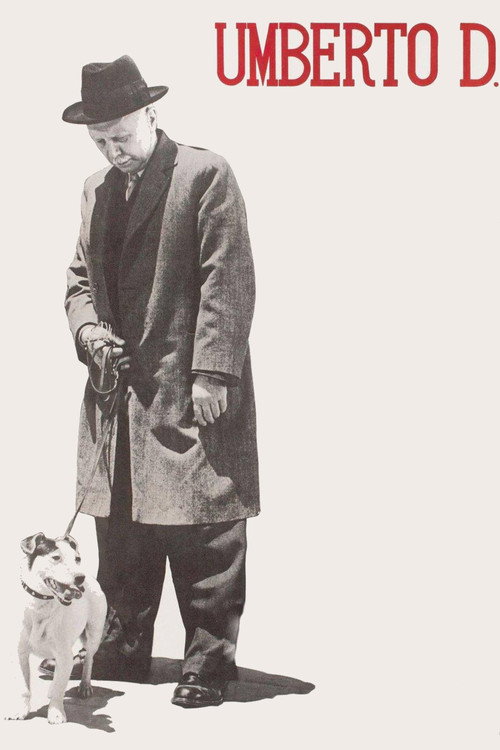
Umberto D.1952
De Sica's neorealist gem was made the same year, also exploring how people perform their way through life. It shares The Golden Coach's compassion for human dignity amid constraint, though in starker terms.
But It's the opposite of decorative—grey, austere, and almost unbearably sad. Neorealism requires a very different emotional temperature.
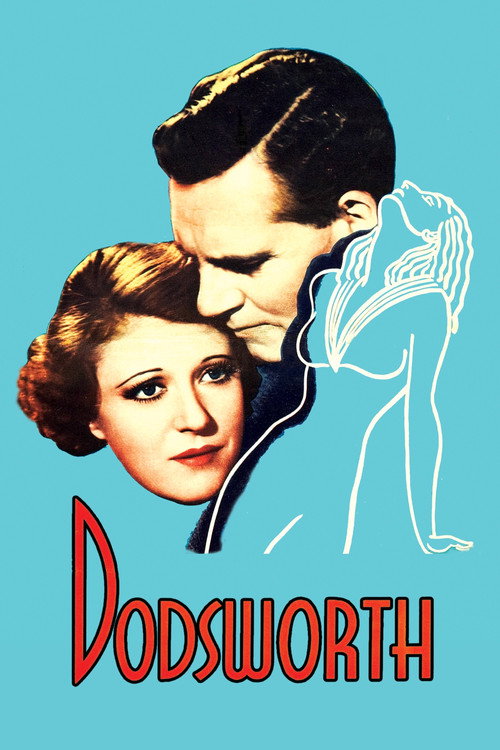
Dodsworth1936
William Wyler's smart romantic drama uses ensemble casts and continental settings to explore how people misread each other's performances of love. Mature and wry in ways The Golden Coach approaches lightly.
But The satire is heavy-handed by modern standards, and the colour cinematography lacks Renoir's delicacy. It feels like a craft film rather than art.
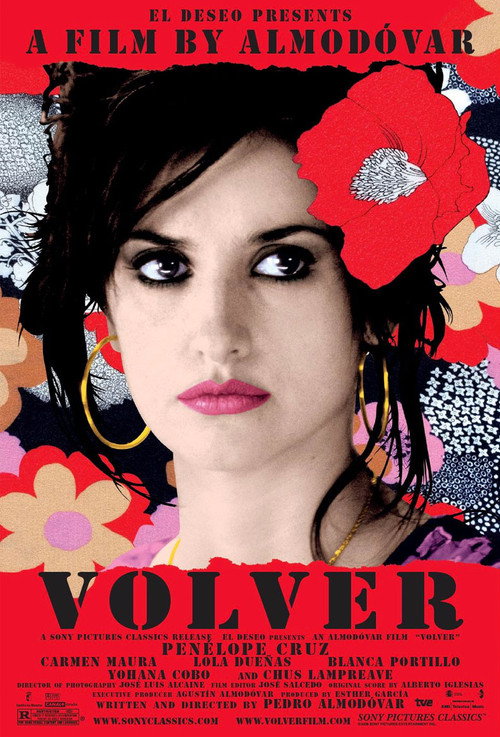
Volver2006
Both films use colour and theatrical staging to explore how women navigate love across rigid social hierarchies. Artifice as survival and resistance.
Almodóvar's colour-saturated melodrama about a Spanish woman juggling truth and performance across generations. Like Renoir, it understands that life imitates theatre, and that artifice is sometimes the kindest honesty.
But It's in Spanish with subtitles. It also deals with serious themes—infidelity, death, guilt—beneath the bright surface, which can jar if you expect lightness throughout.
Mulholland Drive2001
Both interrogate the boundary between the performer and the performance, and whether that boundary means anything at all.
Lynch's fractured narrative about Hollywood and performance deconstructs what The Golden Coach celebrates—but with the same conviction that performance is both lie and essential truth. It's The Golden Coach viewed through a funhouse mirror.
But It's deliberately disorienting, three hours long, and witholds narrative coherence. You may finish it more confused than enlightened, and some viewers resent the withholding.

People
Cast
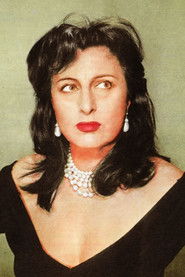 Anna MagnaniCamilla
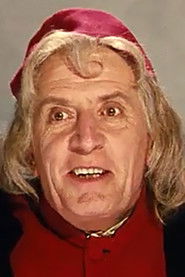 Odoardo SpadaroDon Antonio
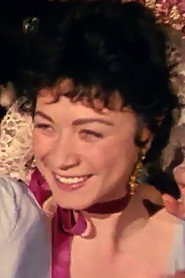 Nada FiorelliIsabella
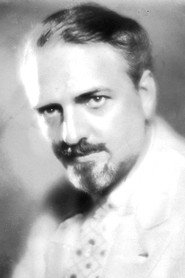 DanteArlequin
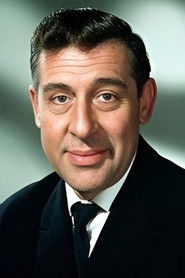 Duncan LamontFerdinand, Le Viceroy
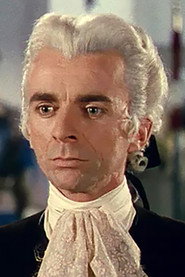 George HigginsMartinez
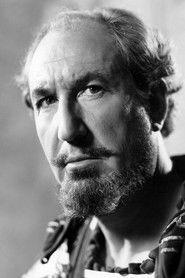 Ralph TrumanDuc de Castro
- Gisella MathewsMarquise Irene Altamirano
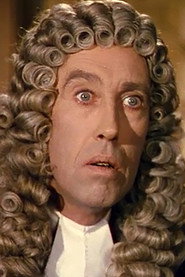 Raf De La TorreLe Procureur
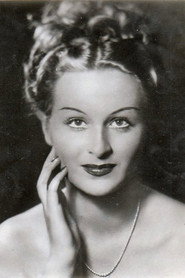 Elena AltieriDuchesse de Castro
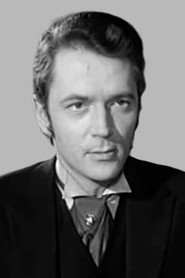 Paul CampbellFelipe
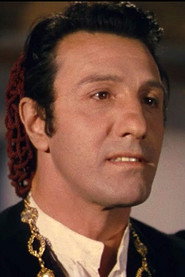 Riccardo RioliRamon, le Toreador
Directing
- Jean RenoirDirector
Writing
- Ginette DoynelScreenplay
- Giulio MacchiScreenplay
- Jack KirklandScreenplay
- Jean RenoirScreenplay
- Renzo AvanzoScreenplay
Production
- Francesco AlliataProducer