
Film
The Skin Game
Hitchcock's first sound film traps two families in an escalating property war that peels back the gentility of English village life. What begins as a boundary dispute becomes a bitter, mutually assured destruction where both sides abandon their principles for pride. It's a chamber play about how proximity breeds contempt, shot with theatrical efficiency and a growing sense of dread.
If you liked this
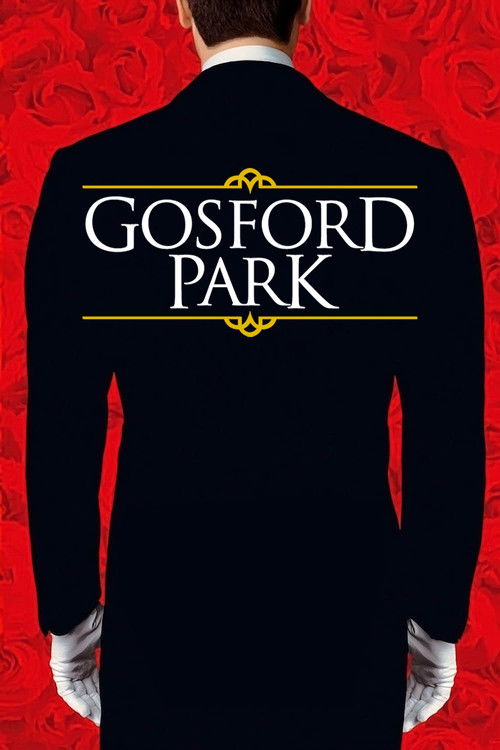
Gosford Park2001
A country-house murder mystery that dissects class performance with surgical precision, revealing how servants and gentry are locked in a choreography of power. Shares The Skin Game's interest in how propriety masks viciousness.
But Nearly three hours long, and the plot mechanics matter less than the social observation. If you want a brisk whodunit, look elsewhere.
Kes1970
A raw, unsentimental film about a working-class boy finding grace in a bird. Like Hitchcock, Ken Loach finds cruelty and kindness coexisting in ordinary life, and neither character nor audience gets easy comfort.
But Brutal in its depiction of childhood disappointment. The ending is deliberately bleak, which some find punishing rather than moving.

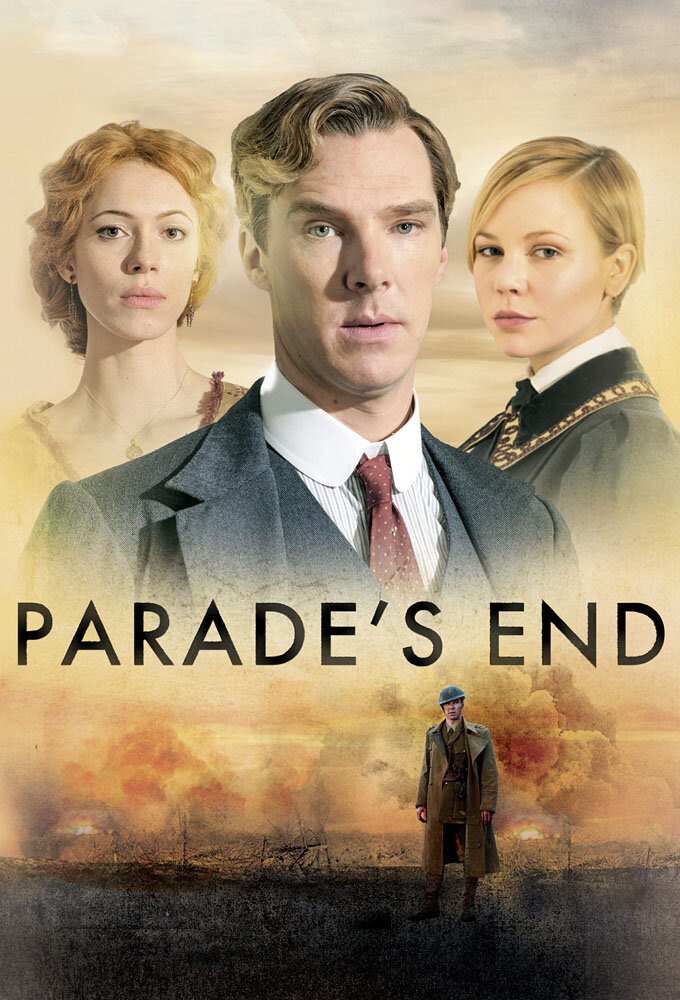
Parade's End2012
A five-part Ford Madox Ford adaptation about a marriage destroyed by pride and misunderstanding. The formal restraint—what characters don't say to each other—builds unbearable tension, much like The Skin Game.
But It's glacially paced and the emotional stakes are domestic rather than dramatic. If you need plot momentum, this will feel like watching paint dry.
Not sure tonight? Get a pick in a minute, starting from The Skin Game
The wildcard
Something you would not have found on your own.
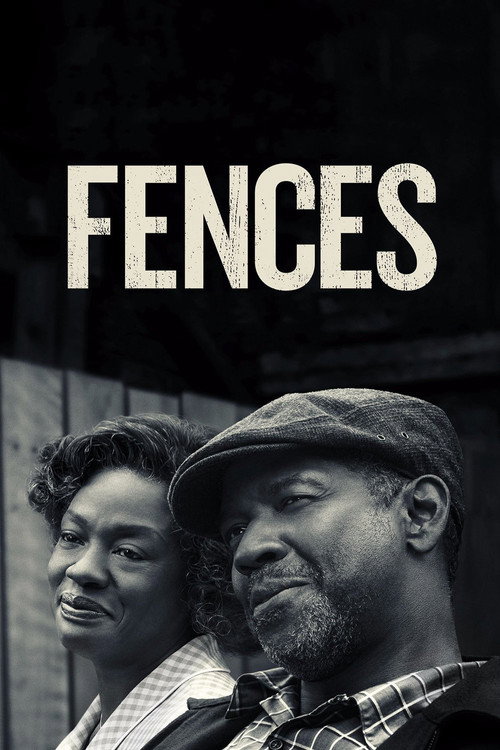
Fences2016
Both films trap characters in a closed domestic space where a material dispute (land, a garden, inheritance) becomes a vehicle for exposing deeper moral fractures between people bound by law if not by love.
August Wilson's play about a Black family's internal warfare, set in 1950s Pittsburgh. The structure is pure The Skin Game—a property dispute that becomes a proxy for resentment, disappointment, and the violence of thwarted dreams. Both films understand that intimacy makes cruelty possible.
But Denzel Washington's performance is operatic and exhausting. If you find theatrical acting off-putting, the intensity may feel histrionic rather than tragic.
More like this (7)
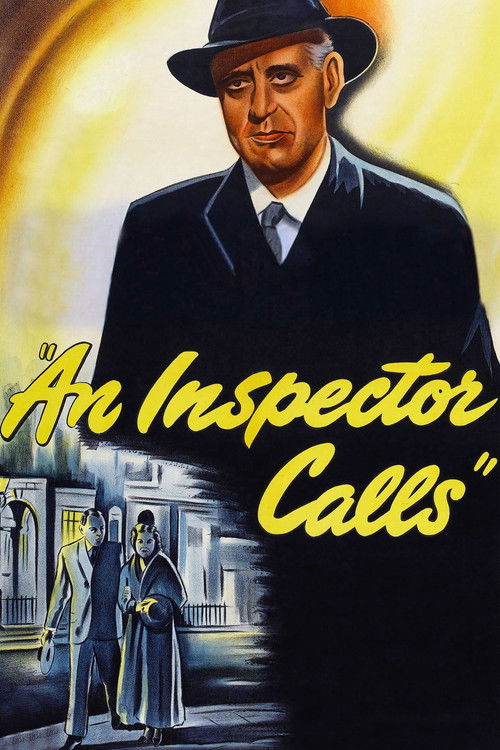
An Inspector Calls1954
A locked-room mystery where a family's complicity in a girl's death forces uncomfortable self-examination. Priestly's play shares Hitchcock's interest in how the respectable conceal moral rot.
But The message is blunt, even preachy by modern standards. It wears its social criticism on its sleeve rather than letting it emerge naturally.
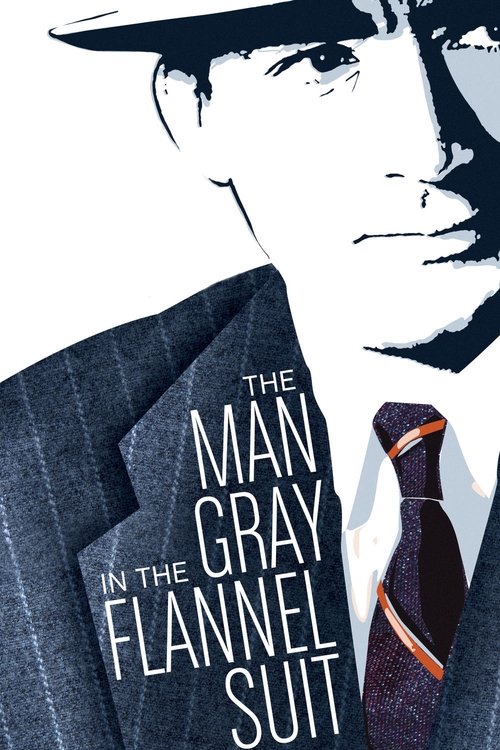
The Man in the Gray Flannel Suit1956
American conformity and corporate ambition replace English class anxiety, but the structure is identical: a man compromises his principles for material gain and finds himself trapped. A Skin Game transplanted to Madison Avenue.
But The 1950s advertising-world setting feels dated, and the moral confidence now reads as naïve about how power actually works.
The Remains of the Day1993
A butler's lifelong service to a Nazi sympathizer becomes a meditation on how deference enables evil. Quiet, precise, and devastatingly about how we rationalize our own complicity.
But Emotionally distant and restrained to the point where some find it cold. The emotional payoff requires patience and willingness to read subtext.

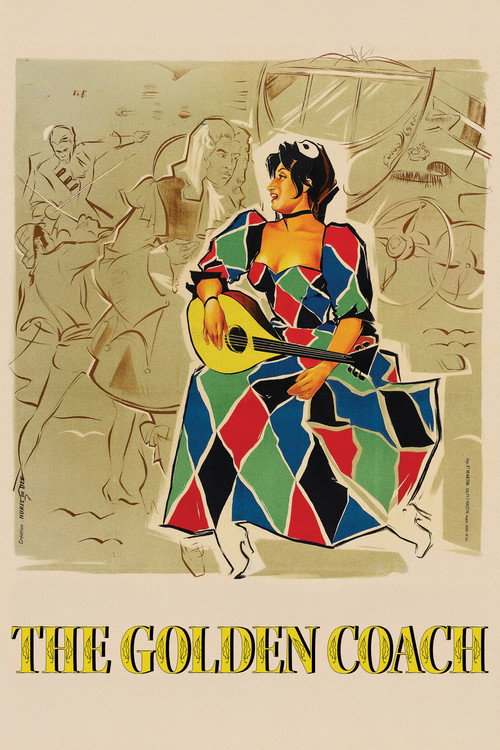
The Golden Coach1952
Rossellini's film about a traveling theater troupe in Peru uses a coach as a prize that exposes the venality beneath performance. It shares The Skin Game's theme of how possession destroys.
But It's baroque and elliptical; the narrative wanders. If you expect direct storytelling, the baroque style will seem like evasion.
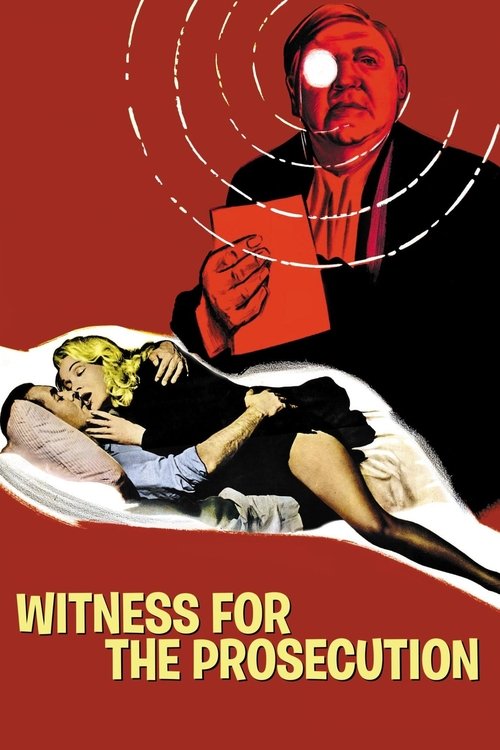
Witness for the Prosecution1957
Wilder's courtroom drama about a marriage that becomes evidence, where loyalty and truth collide. The twist hinges on the same understanding of human nature that drives The Skin Game—we are not what we appear.
But The final revelation can feel like a trick played on the audience, which some resent. The second half pivots away from the psychological tension that makes the first half work.
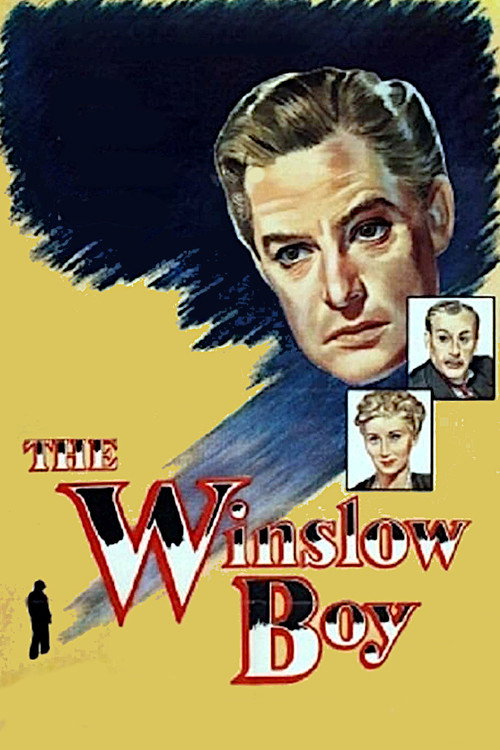
The Winslow Boy1948
A family's fight to clear a boy's name becomes an examination of honor, sacrifice, and whether the battle is worth the cost. Formal, Terence Rattigan—modest but unsparing about human stubbornness.
But Very British, very theatrical, and plotted on a small scale. The stakes are social rather than visceral, which can feel quaint now.
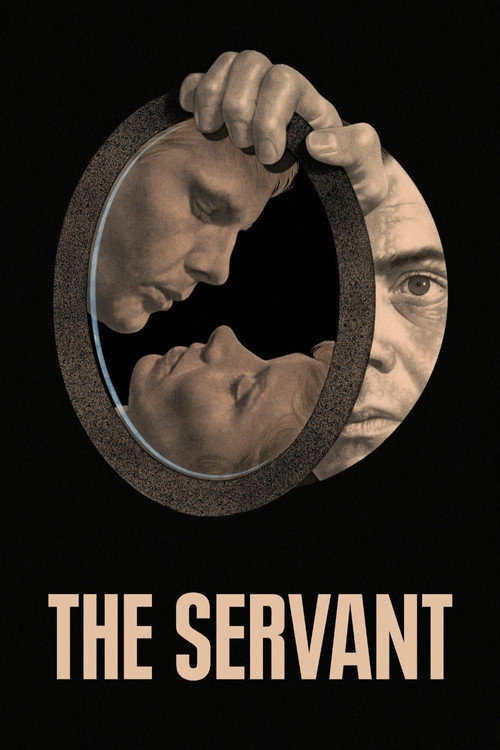
The Servant1963
Both films understand that ownership—of land, of houses, of people—is theater, and that the performance of social hierarchy is what maintains it. When the performance breaks, chaos follows.
Joseph Losey's film about a valet who inverts the power structure of the household he works in. Like The Skin Game, it's about property as a battlefield and how proximity enables the powerful and powerless to destroy each other. Baroque, sexually charged, morally vertiginous.
But The film's sexuality is coded and the power dynamics deliberately queasy. It rewards close reading; casual viewing will feel obscure and pretentious.
People
Cast
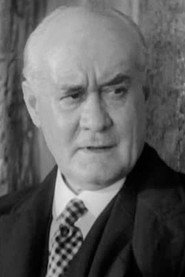 C. V. FranceMr. Hillcrist
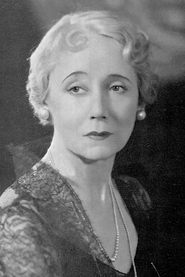 Helen HayeMrs. Hillcrist
 Jill EsmondJill Hillcrist
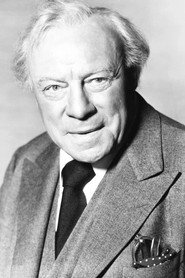 Edmund GwennMr. Hornblower
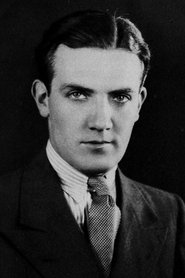 John LongdenCharles Hornblower
 Phyllis KonstamChloe Hornblower
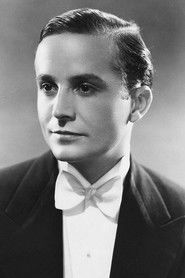 Frank LawtonRolf Hornblower
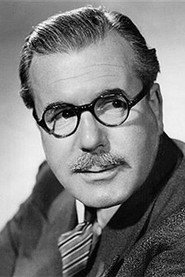 Edward ChapmanDawker
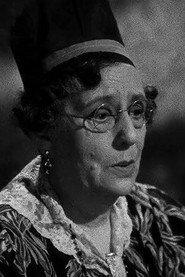 Dora GregoryMrs. Jackman
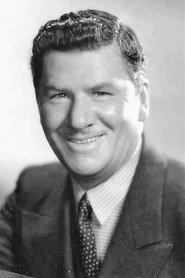 George BancroftSecond Stranger
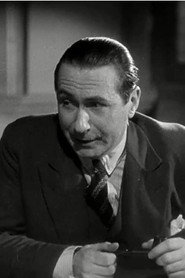 R.E. JeffreyFirst Stranger
- Herbert RossMr. Jackman
Directing
- Frank MillsAssistant Director
- Alfred HitchcockDirector
Writing
- Alfred HitchcockAdaptation
- Alma RevilleScenario Writer
- John GalsworthyTheatre Play
Production
- John MaxwellProducer