
Film
The Seventh Sin
A post-war melodrama set in Hong Kong where a restless woman must choose between scandal and exile. It's a film caught between genres—part romance, part moral reckoning—that trades in the emotional turbulence of people trapped by circumstance and their own desires. A showcase for Eleanor Parker's ability to convey quiet desperation.
Should you watch it?
Watch it if you love melodramas of moral pressure, where a wife's private betrayal turns into a slow, rain-soaked trap and the costume-drama lushness of 1950s Technicolor makes every compromise feel grander than it is.
Skip it if you want brisk plotting or modern pacing, since it lingers on glances, stiff dialogue and long stretches of travel, and its sudden tonal swings can feel more stagey than gripping.
What it asks of you: It settles in for about ninety-four minutes of talky, deliberate scenes, asking patience with restrained performances and a mood that builds through tension rather than action.
Not sure? Find tonight's pick in a minute.
If you liked this
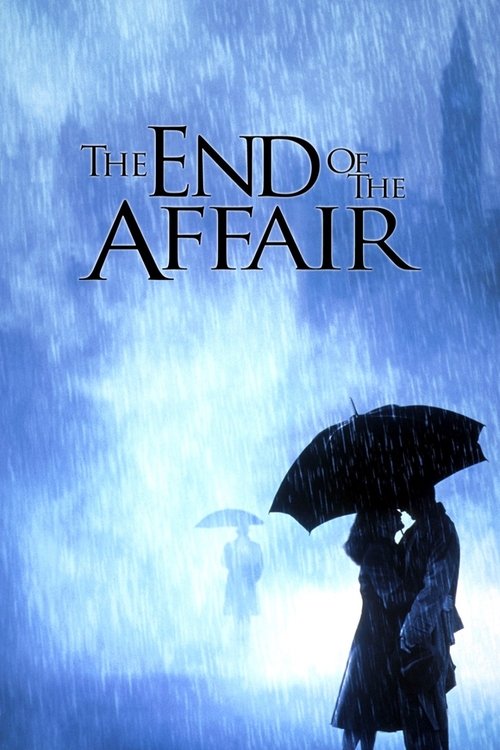
The End of the Affair1999
Passionate, guilt-stricken adultery in a beautifully shot period setting. Like *The Seventh Sin*, it's interested in how infidelity fractures not just marriages but souls, with an elegant fatalism about what people owe each other.
But Very interior and talk-heavy. If you want plot momentum rather than emotional archaeology, this will feel slow and circling.
Letter from an Unknown Woman1948
A woman's entire life shaped by one man she loves from afar. Max Ophüls directs with such visual grace that despair becomes beautiful. That same sense of being caught by circumstance and desire.
But It's melodrama from a different era; if you're allergic to big feelings expressed through mise-en-scène, you'll find it overwrought.

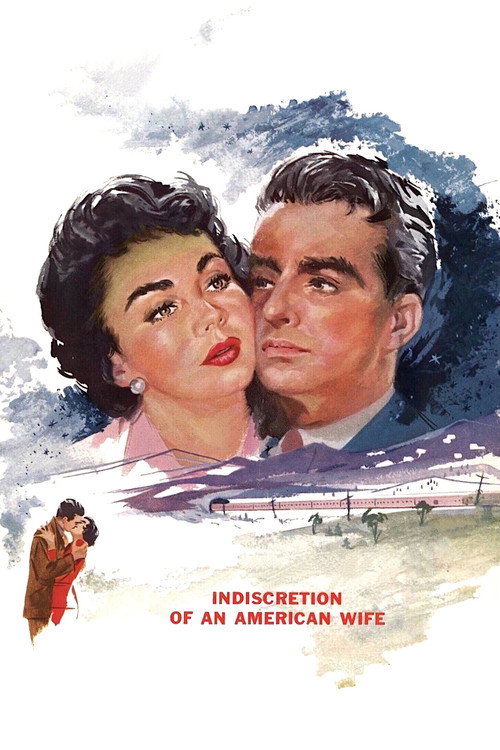
Indiscretion of an American Wife1953
An American woman having an affair in Rome, forced to choose between her marriage and desire. Similar era, similar moral weight, similar use of an exotic location as both escape and inescapable problem.
But It's a David Lean film in miniature, and some find his emotional manipulation heavy-handed. The pacing is deliberately measured, which reads as draggy if you're not with it.
Not sure tonight? Get a pick in a minute, starting from The Seventh Sin
The wildcard
Something you would not have found on your own.
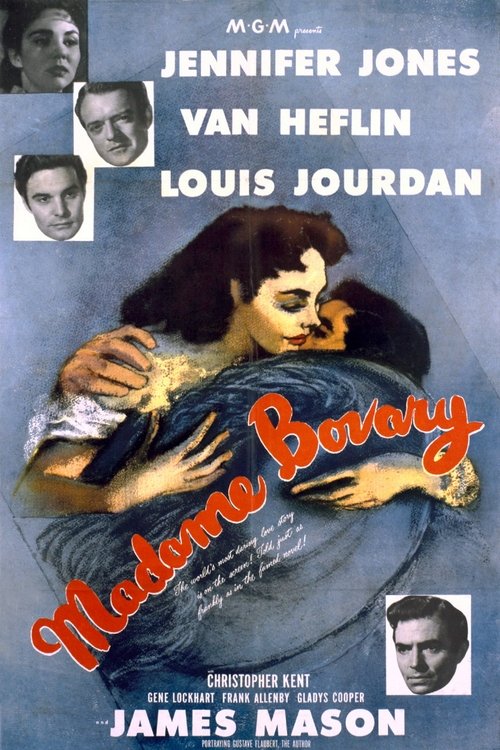
Madame Bovary1949
Both are about women whose desire for something beyond their lives leads to a moral and social reckoning they cannot escape. Both understand that desire is not a moral failing, but its consequences are real.
The mother text for restless women trapped by their circumstances and their own longings. This French adaptation captures the novel's sadness without sentimentality—a woman destroying herself because the world is too small for her appetite.
But It's in French, and Flaubert's prose is famously difficult to translate to the screen. You need patience with literary adaptation and period detail.
More like this (7)
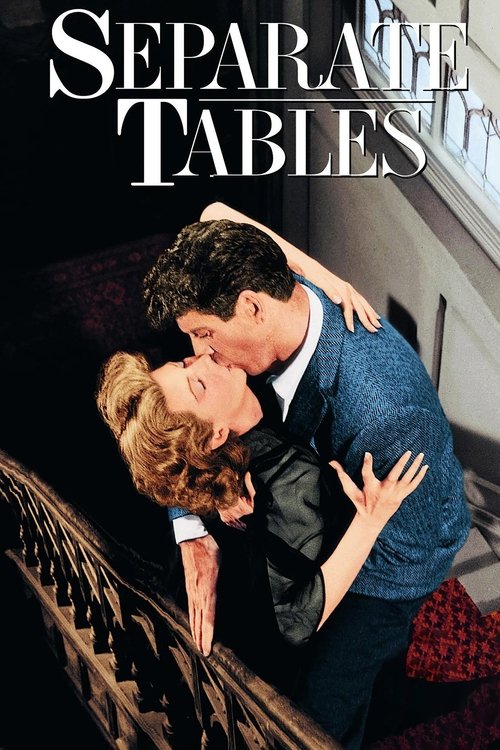
Separate Tables1958
Interlocking stories of failure and quiet desperation at a British seaside hotel. Like *The Seventh Sin*, it's interested in the gap between what people appear to be and what they actually are, without judgment.
But Ensemble cast means no one gets the focus you might want. It can feel like eavesdropping on conversations you don't care about.
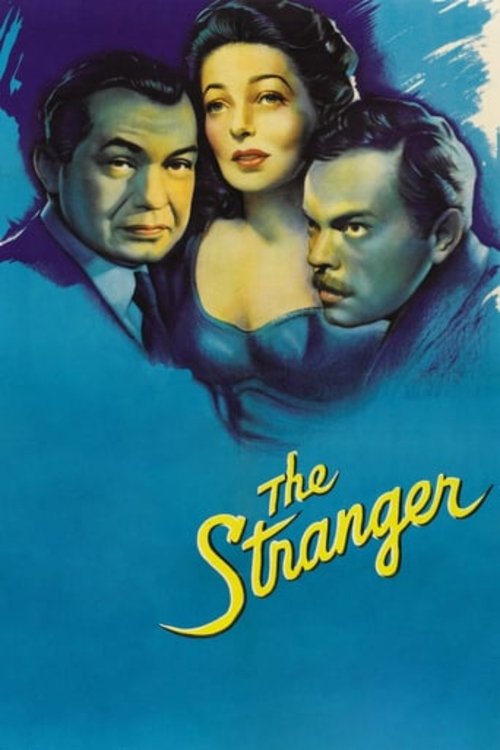
The Stranger1946
A war criminal hiding as a respectable man in small-town America. It shares the premise of a carefully constructed lie—a marriage, a reputation—that will inevitably collapse, and the damage done in the fallout.
But Orson Welles stretches a modest script very thin. The psychological interest outpaces the actual drama, and some scenes feel padded.
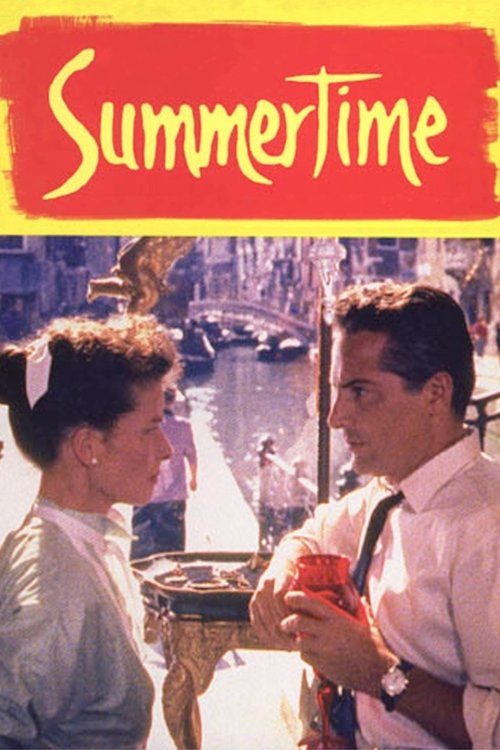
Summertime1955
A lonely American woman finds romance and meaning in Venice, then must choose between it and her real life. That same bittersweet acknowledgement that sometimes you can't have what you want, and you have to live with it.
But It's very of-its-moment in how it treats the woman's choice. Some will find the ending consoling; others will find it a capitulation.
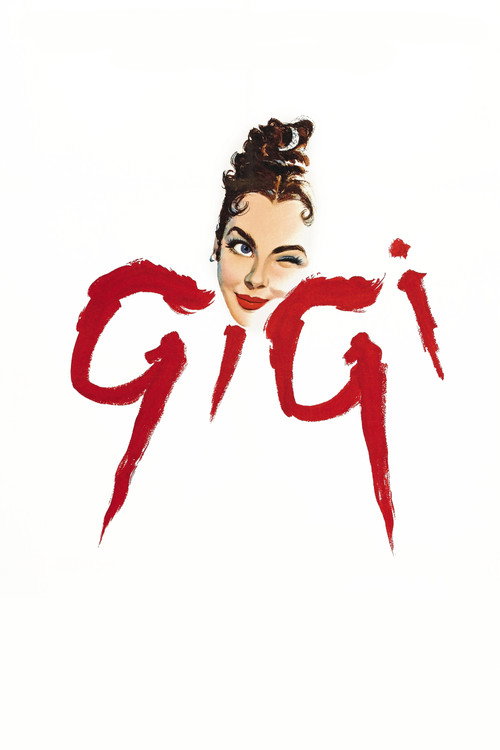
Gigi1958
Post-war Paris, relationships tangled by circumstance and expectation, a woman negotiating what she owes and what she'll accept. The musical numbers are brilliant, but so is the underlying moral complexity about choice.
But It's a musical. If that's not your language, the emotional core can feel lost in the spectacle and charm.
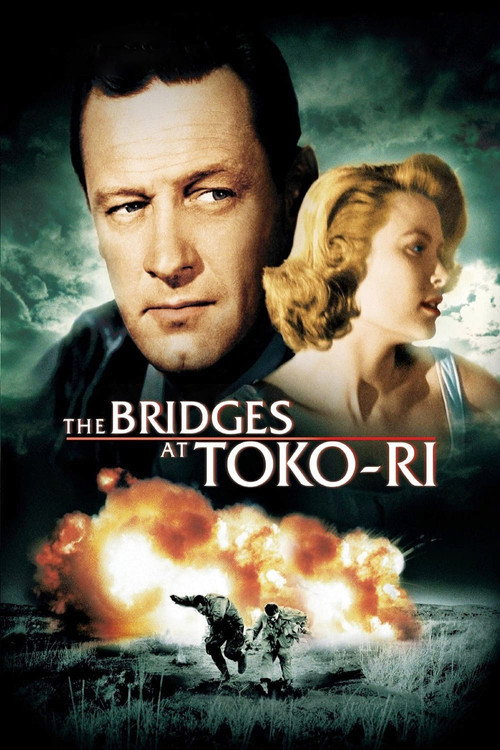
The Bridges at Toko-Ri1954
A married man called back to war must choose between duty and his life with his wife. Like *The Seventh Sin*, it's about people caught between impossible options, with no good answer available.
But It's a war film first, which means action sequences and military righteousness that can overwhelm the domestic despair that gives it weight.
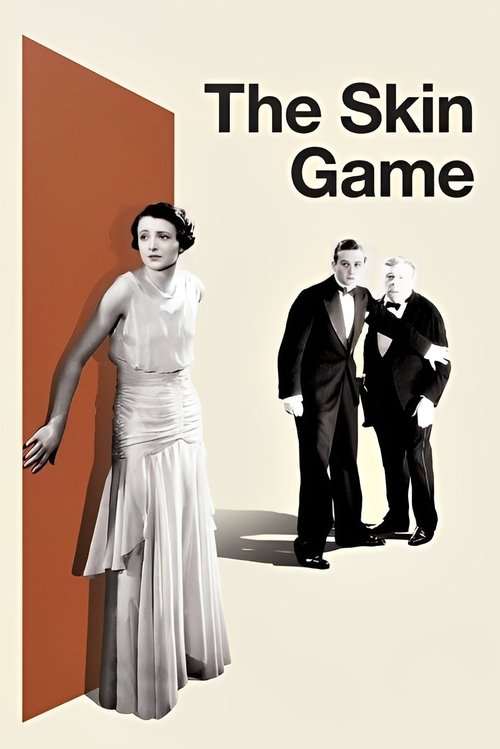
The Skin Game1931
Both films are interested in how a single act of transgression—infidelity, moral blackmail—sets off a cascade of choices that ultimately has no satisfying resolution. Both understand that shame is a currency more powerful than love or law.
Hitchcock's only stage adaptation, about a property dispute that becomes a moral crisis. Two families, one unspeakable secret, and the question of what you'd actually do if you held someone's shame in your hands. Spare and vicious.
But It's early Hitchcock, with all the theatrical staging that entails. It moves slowly by modern standards, and the mystery it builds to feels almost anticlimactic.
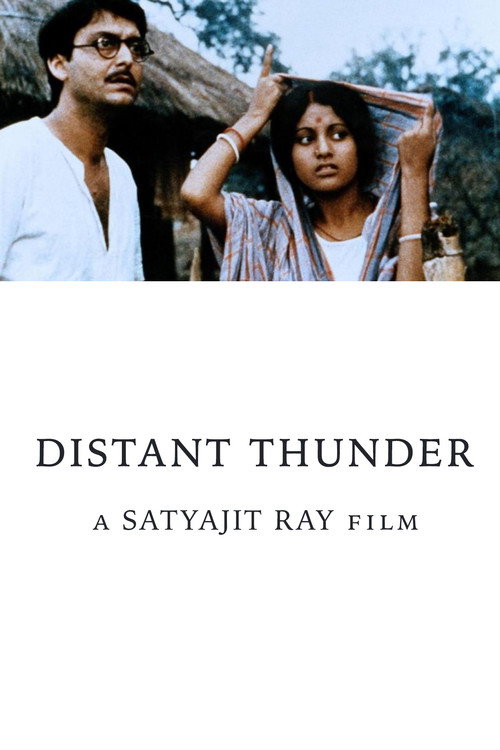
Distant Thunder1973
Both films center a woman whose circumstances offer her no good choices, only varying degrees of loss. Both refuse to judge her for what she does in that situation, and both understand that survival often means becoming someone you didn't want to be.
A Bengali film about a woman during the Bengal famine, forced by circumstance into compromise and degradation. It's about survival, yes, but also about how desperation strips away the life you built and forces terrible choices. Heartbreaking and unflinching.
But It's in Bengali with subtitles, set during a historical disaster, and offers no comfort. It's a film that *hurts*, and not in the cathartic way some expect from melodrama.
People
Cast
 Eleanor ParkerCarol Carwin
 Bill TraversWalter Carwin
 George SandersTim Waddington
 Jean-Pierre AumontPaul Duvelle
 Ellen CorbySister Saint Joseph
 James HongChinese Officer
 Françoise RosayMother Superior
Directing
- William McGarryAssistant Director
- Vincente MinnelliCo-Director
- Ronald NeameDirector
Writing
- W. Somerset MaughamNovel
- Karl TunbergScreenplay
Production
- David LewisProducer