
Film
The End of the Affair
Other titles called The End of the Affair: the 1955 film.
A 1999 adaptation of Greene's anguished novel about a writer consumed by jealousy and obsession after his lover ends their affair without explanation. It's a film about the nature of love itself—romantic, physical, spiritual—and how little we truly know the people we think we possess. Deliberately paced, richly sad, for those who prefer their romance complicated and their endings ambiguous.
Should you watch it?
Watch it if you like romances that are really about jealousy and obsession, where the lover telling the story is his own worst witness and postwar London feels heavy with rain and regret.
Skip it if you want a love story that keeps things moving, since this one is slow, talky and built on brooding silences rather than action.
What it asks of you: Give it a slow, unhurried 102 minutes and close attention to what characters leave unsaid, in a tone that stays mournful rather than light.
Not sure? Find tonight's pick in a minute.
If you liked this
In the Mood for Love2000
Wong Kar-wai's supreme meditation on desire and restraint, two people circling each other across a Hong Kong apartment building. Every frame is exquisite agony; the film moves at the speed of longing itself.
But Deliberately slow. Almost nothing happens. If you want plot momentum or clear resolution, this will frustrate you.

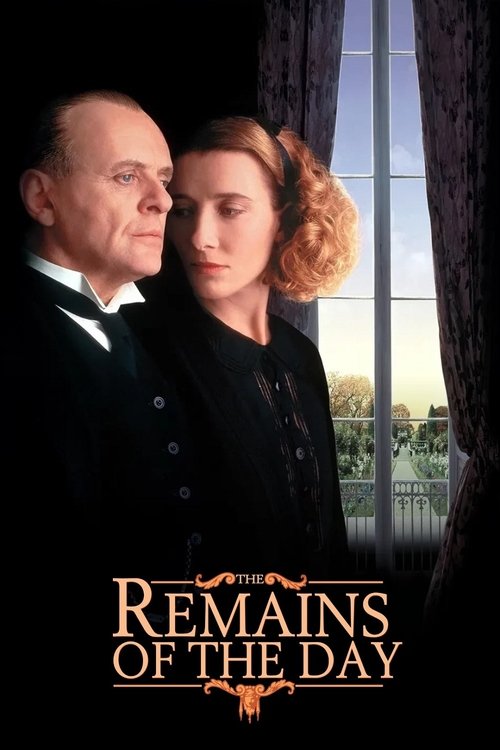
The Remains of the Day1993
Hopkins as a butler haunted by roads not taken, chances missed. Another Greene adaptation about men who mistake duty for passion and live with the consequences. Restrained and devastating.
But The emotional devastation is quiet and cumulative. It doesn't announce itself; you have to be paying attention to feel it.
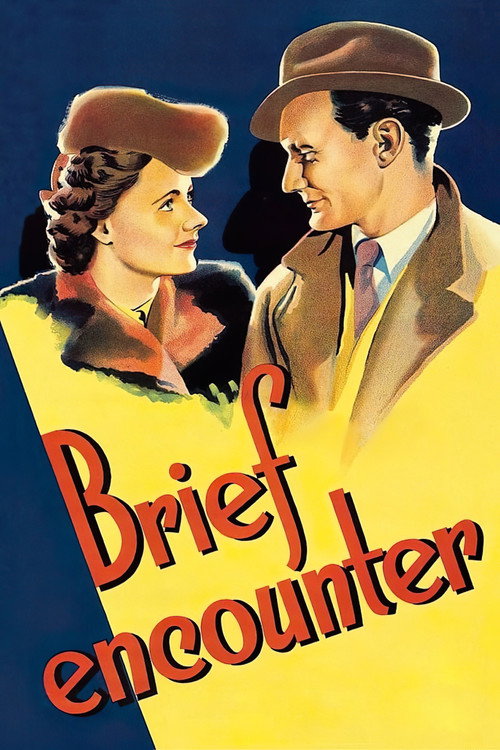
Brief Encounter1945
Coward and Johnson's masterpiece about two people meeting for stolen moments over tea and train schedules. The English genius for suggesting volcanic feeling beneath perfect manners. Pure cinema about the weight of ordinary restraint.
But The pace is deliberate and the world it depicts—1940s middle-class propriety—might feel distant. Noir this is not.
Not sure tonight? Get a pick in a minute, starting from The End of the Affair
The wildcard
Something you would not have found on your own.
Stalker1979
Both films equate obsession with spirituality: the desire to possess another becomes the desire to access something beyond the self. Both suggest that what we call love might be something stranger and sadder.
Tarkovsky's mirror: a guide leads two men through a mysterious zone toward a room that will grant wishes. Like Bendrix's obsession with Sarah, it's about the human need to possess the unmappable, to make the infinite finite. Visually hypnotic; morally profound.
But 163 minutes. Russian. Very slow. About interior states more than events. Demands active, patient watching. Some find it revelatory; others find it punishing.

More like this (8)
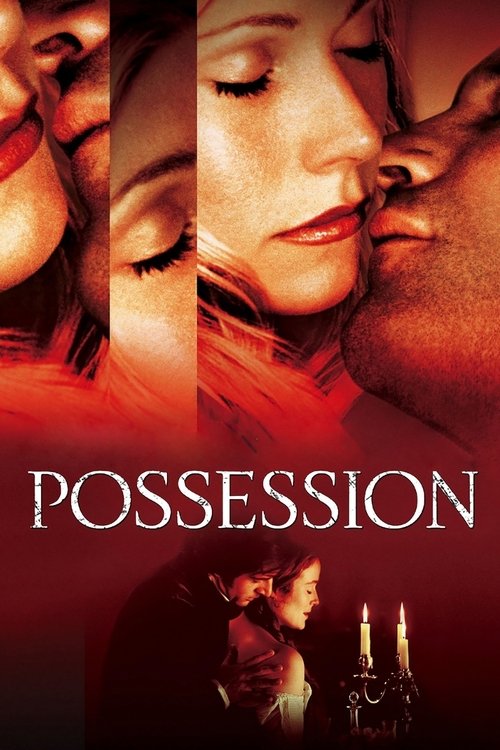
Possession2002
A woman obsessed with a dead poet's secrets. Like The End of the Affair, it's about people trying to own the dead through knowledge, and how that ownership corrupts love into something else entirely.
But Cuts between past and present in ways that can feel fragmented. Some viewers find it pretentious rather than profound.
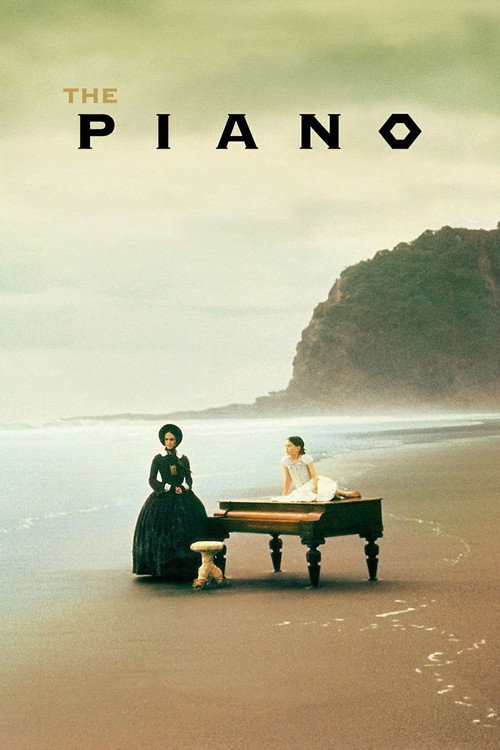
The Piano1993
Campion's visceral study of desire, silence, and possession. A woman unable to speak finds a voice through physical passion. The film pulses with longing and consequence.
But Genuinely disturbing at points. The sexuality is complicated by power dynamics in ways designed to make you uncomfortable, not aroused.
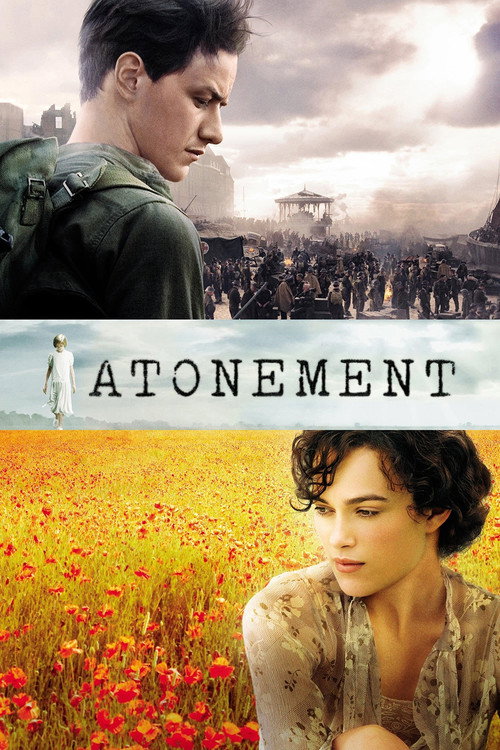
Atonement2007
A young girl's misunderstanding shatters two lives. Like Greene, Wright shows how love can be destroyed not by infidelity but by narrative itself—the stories we tell about desire.
But The final act recalibrates everything you've invested emotionally. Some find it brilliant; others feel betrayed.
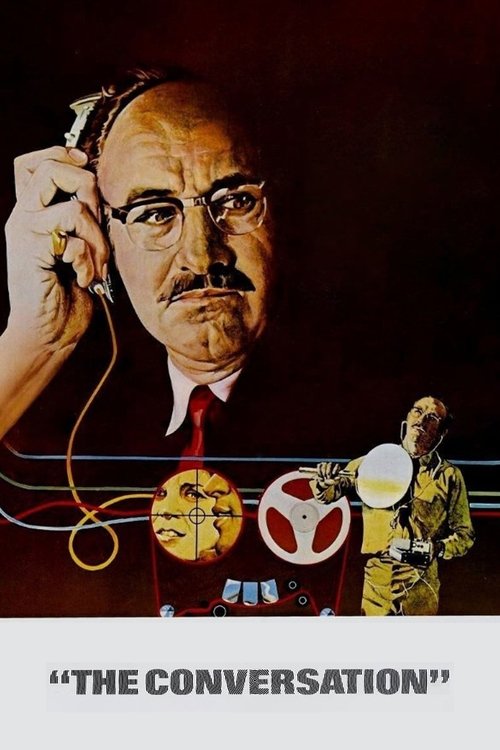
The Conversation1974
Coppola's paranoid masterpiece about a surveillance expert who becomes obsessed with protecting a couple he's eavesdropping on. Obsession as the central note, jealousy as fuel. Slow-burn devastating.
But A 1970s film about 1970s anxiety. If you're looking for reassurance or clear answers, you're in the wrong place.
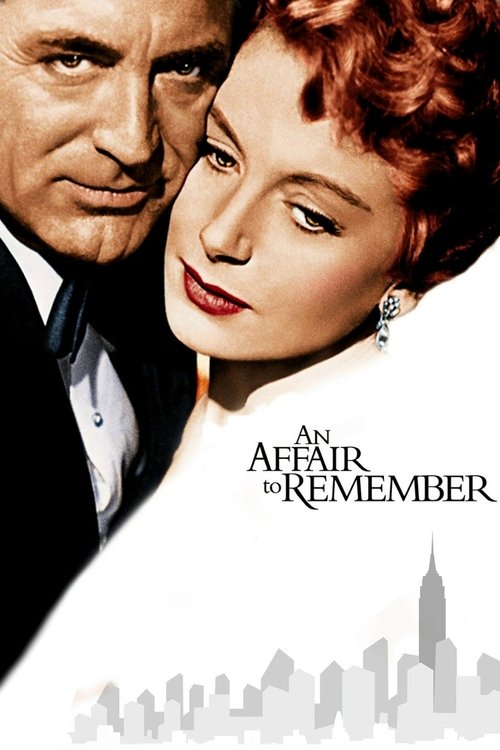
An Affair to Remember1957
McCarey's opposite number: the romantic fantasy of reunion and transcendence. Watch it after The End of the Affair to feel what Bendrix thought he wanted versus what love actually is.
But Sentimentality that some will find cloying. It's a film that requires you to believe in destiny, not damage.
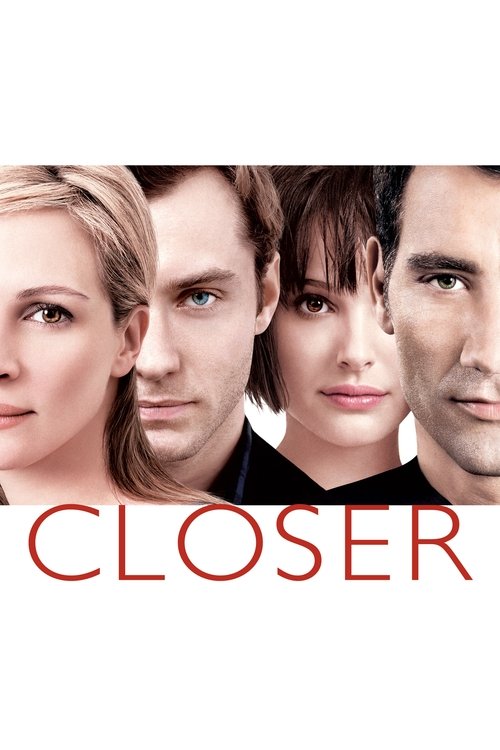
Closer2004
Nichols' adaptation of Marber's play: four people wounded, lying, obsessing, trying to own each other. Obsession as the throughline of modern romance, where knowledge is a weapon.
But Cynical and bleak. Everyone is selfish and dishonest. If you watch this hoping for hope, you will not find it.
A Prophet2009
Both are about men who think they can read and control others through obsessive knowledge. Both suggest that obsession blinds rather than illuminates.
Audiard's prison film where a young man learns to manipulate and survive through careful observation of hidden truths. Obsession as a path to power. Gripping, brutal, utterly alive—a completely different idiom that hits the same nerve.
But Set in a French prison. Graphic violence. Lengthy. French language. Some scenes of sexual assault. This is not middlebrow cinema; it's harder and stranger.

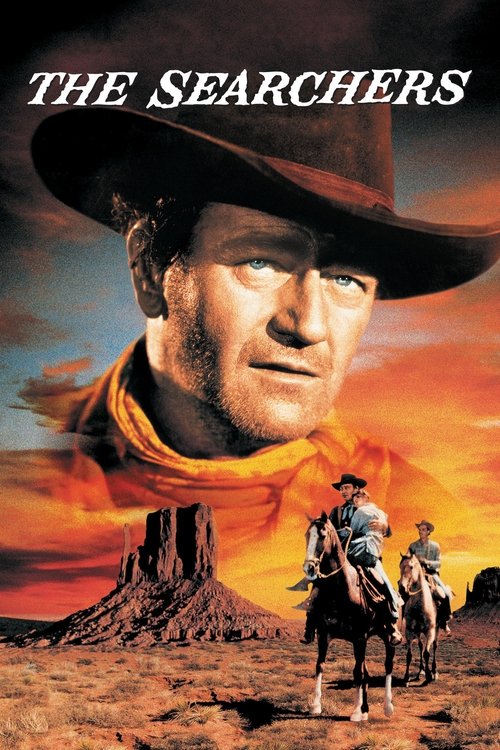
The Searchers1956
Both films are about men whose obsessive love for a woman becomes destructive possession, and both suggest that some obsessions, once started, cannot be uncompleted.
Ford's masterpiece: Wayne as a man consumed by a search that becomes a kind of madness, a quest that corrupts the questor. Visually ravishing Westerns epic about obsession eating a man alive. Endures because the obsession is real—jealousy and racism and love twisted together.
But A Western from 1956. Some will find Wayne's persona difficult. The racial politics are complex and unflinching, which some experience as troubling rather than honest.
People
Cast
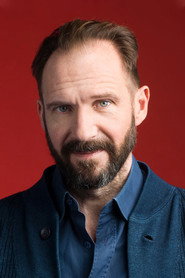 Ralph FiennesMaurice Bendrix
 Julianne MooreSarah Miles
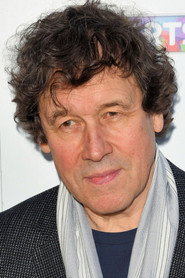 Stephen ReaHenry Miles
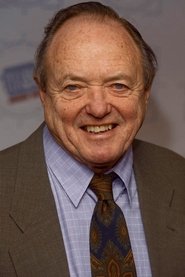 James BolamMr. Savage
 Ian HartMr. Parkis
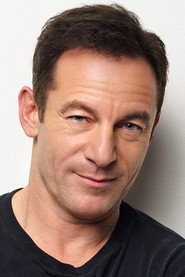 Jason IsaacsFather Richard Smythe
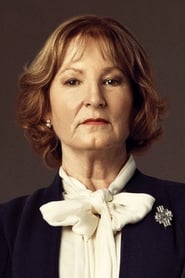 Deborah FindlayMiss Smythe
 Sam BouldLance Parkis
 Cyril ShapsWaiter
- Simon TurnerDr Gilbert
- Heather-Jay JonesHenry's Maid
- Nicholas HewetsonChief Warden
Directing
- Neil JordanDirector
- Patrick ClaytonFirst Assistant Director
- Diana DillScript Supervisor
- Michael StevensonSecond Assistant Director
- Ian StoneSecond Second Assistant Director
- Sean ClaytonSecond Second Assistant Director
Writing
- Graham GreeneNovel
- Neil JordanScreenplay
Production
- Susie FiggisCasting
- Kathy SykesCo-Producer
- David PinningtonLocation Manager
- Neil JordanProducer
- Stephen WoolleyProducer
- Maggie PhelanProduction Accountant
- Deryn StaffordProduction Coordinator
- Phil HounamUnit Manager
Recommended by
Interlude, The Seventh Sin, A Question of Adultery, The Cherry Orchard, The Deep Blue Sea