
Film
The End of the Affair
Other titles called The End of the Affair: the 1999 film.
A 1955 Graham Greene adaptation about a writer's obsessive love for a married woman in wartime London. Visually austere, emotionally wracked—less a romance than a portrait of desire as torment. For anyone who understands that passion can be as much anguish as joy, and who trusts cinema that trusts silence.
Should you watch it?
Watch it if you are drawn to adult romances where desire is tangled up with guilt, jealousy and a stubborn faith, and you don't need the lovers to be likeable to care what happens to them.
Skip it if you want romance that feels breezy or escapist, since this one is talky, rueful and more interested in confession and doubt than in swooning moments.
What it asks of you: Expect a patient, unhurried watch: long stretches of talk and private brooding, building slowly across about 105 minutes rather than releasing its emotion in bursts.
Not sure? Find tonight's pick in a minute.
If you liked this
Brief Encounter1945
Coward's exquisite study of thwarted middle-class love, with the same wistful fatalism and restraint. Both films argue that the memory of love often matters more than love itself.
But It moves at a deliberate pace that modern viewers sometimes mistake for slowness. The emotional crescendos are internal.

The Third Man1949
Same era, same Greene, same postwar European cynicism—but the spy-thriller shell makes the moral desperation sing differently. Orson Welles as a corrupted ideal.
But It's a mystery first and an emotional portrait second. If plot mechanics bore you, the genius of the setup won't save it.

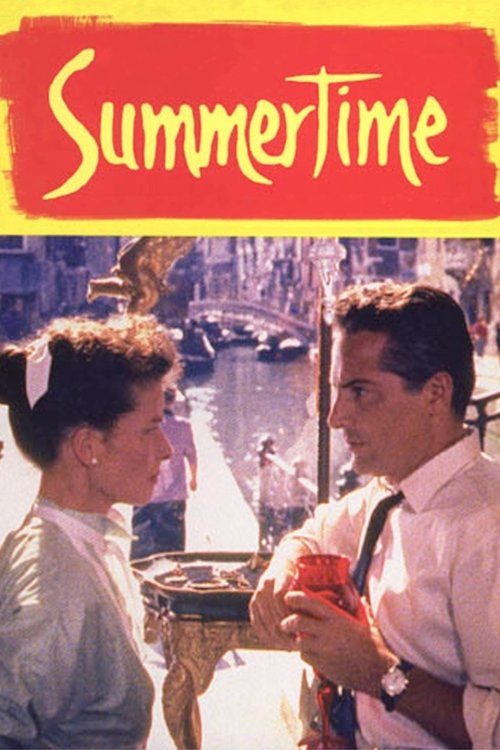
Summertime1955
Lean's film about a lonely American woman and an impossible Italian affair. The same year, similar structure, but Venice itself becomes a character—beauty as both solace and cruelty.
But The romance is painfully one-sided and the ending is resignation dressed as wisdom. Not for anyone wanting catharsis.
Not sure tonight? Get a pick in a minute, starting from The End of the Affair
The wildcard
Something you would not have found on your own.
The Night of the Hunter1955
Both are 1955 films about desire as a kind of haunting; both use style to externalize internal anguish; both end with the protagonist undone by what they cannot stop wanting.
Released the same year, also about obsession and the gap between what someone pretends and what they are. Charles Laughton's only directorial effort, a nightmare fairy tale shot like a German Expressionist painting. Utterly unlike The End of the Affair in tone—grotesque where it's austere—but spiritually adjacent: both films about the hunger that devours you.
But It's dark and strange and the violence is shocking for 1955. The visual language is so stylized it can feel remote. Some will find it overwrought.

More like this (7)
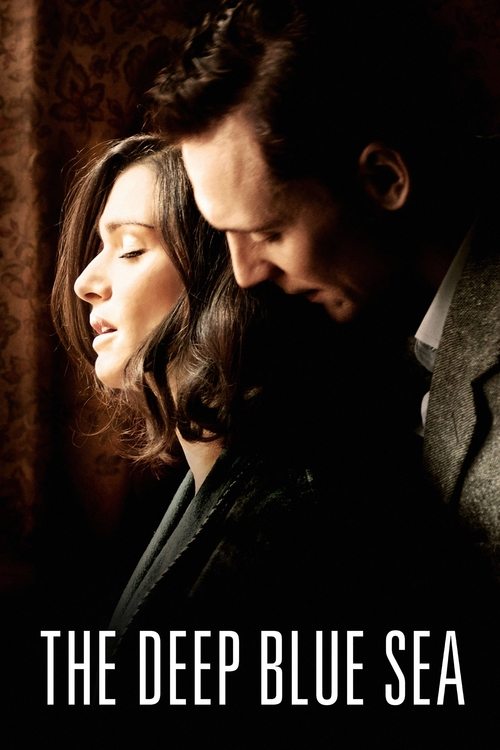
The Deep Blue Sea2011
Terence Davies's Rattigan adaptation about a woman undone by love for a man beneath her station. Handheld, intimate, devastated—what happens when passion collides with class and duty.
But The central relationship is toxic and the film doesn't soften that. It's punishing to watch someone love someone so wrong.
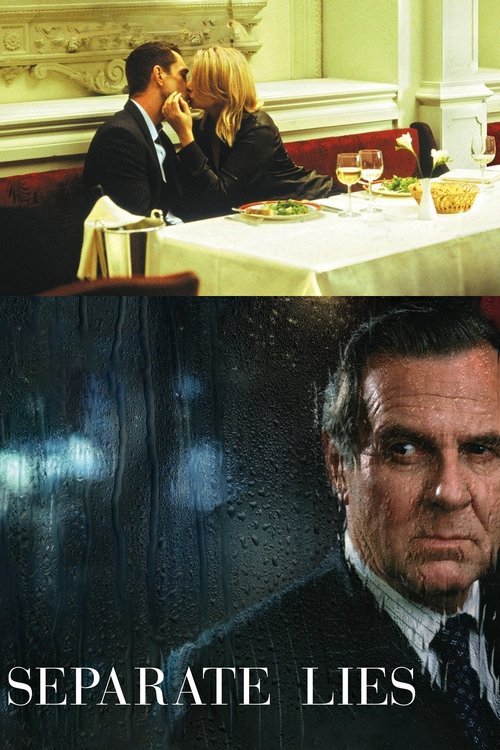
Separate Lies2005
Todd Field's quiet masterpiece about a secret affair that fractures a marriage. Slow-burn suspense told almost without plot; the real story is what nobody says.
But Glacial pacing and a worldview so bleak it makes the affair seem like the only honest thing in the room. Not uplifting.
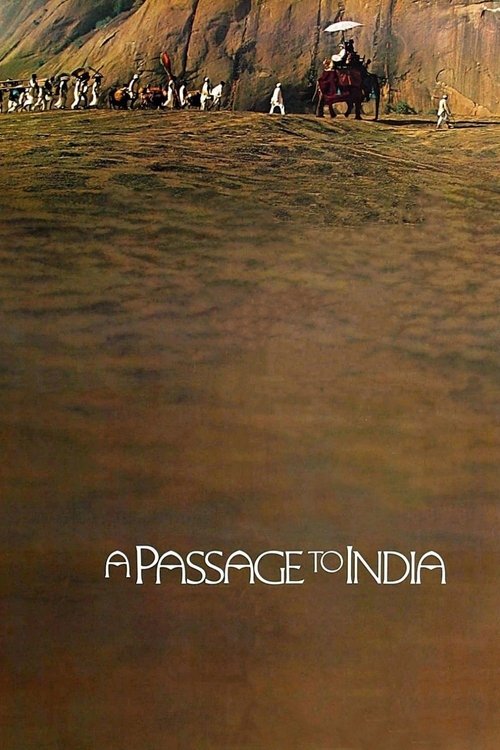
A Passage to India1984
Lean's final film, another Greene-adjacent exploration of desire and colonial guilt. The affair here is between cultures, the passion is for justice. Epic in scope but intimate in feeling.
But Three-and-a-half hours, and the payoff is ambiguity rather than resolution. Some find that profound, others find it evasive.
The Remains of the Day1993
A lifetime of emotional repression viewed in late middle age. Like Greene, it argues that duty and love are often irreconcilable, and that silence can be a kind of death.
But Nothing happens. Stevens serves dinner and speaks carefully and the film trusts you to hear what's unsaid. Patience required.

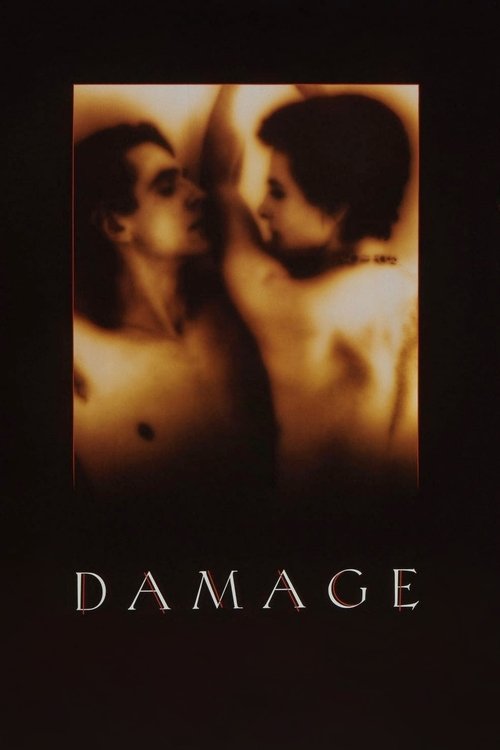
Damage1992
Merchant Ivory's most poisonous film—a middle-aged man's affair with his son's fiancée, shot in cool greys. Desire as a kind of moral sickness, beautifully framed.
But The woman is largely a cipher and the film doesn't interrogate the man's entitlement. It's his fantasy, not his reckoning.
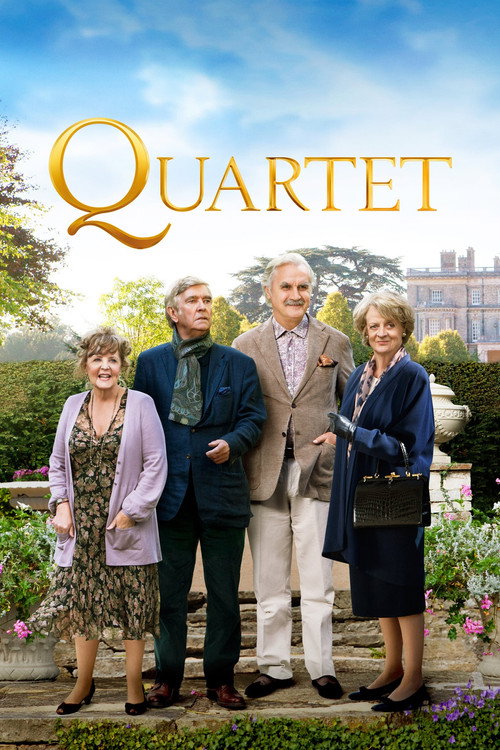
Quartet2012
Ivory's return to form, about aging artists in a music home. Not about affair at all, but the same theme: how love haunts you across decades, how it shapes who you become.
But Gentle and small-scale. After the intensity of the others, it might feel like a postcard rather than a wound.
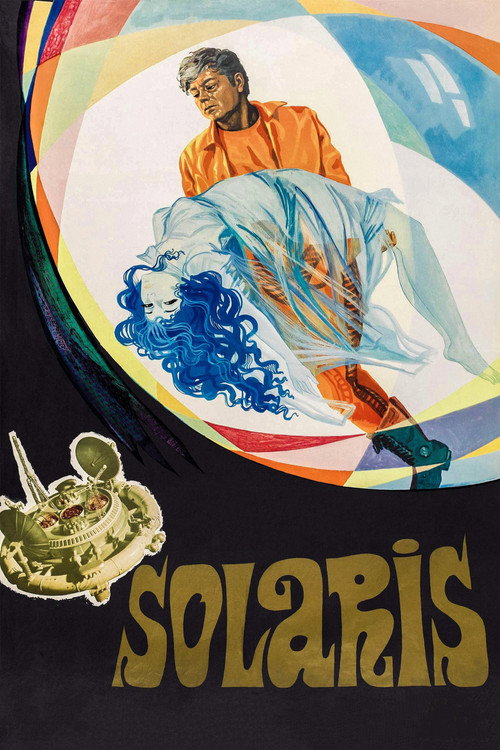
Solaris1972
Both films argue that desire persists beyond reason, logic, and the beloved's actual nature. Both suggest that love is a form of haunting that survives death, distance, and the impossibility of reciprocation. Both use cinema to explore the interior life.
Tarkovsky's three-hour science-fiction film about a man haunted by his dead wife on an alien station. Like The End of the Affair, it argues that love is inseparable from guilt and impossibility; here, the beloved literally cannot exist, yet he cannot stop wanting her. Shot in slow time, with a spiritual gravity that makes Hollywood romance look like greeting cards.
But It's glacially slow, in Russian, meditative rather than dramatic. Nothing is explained. If you need plot to move you, you will hate it. Requires patience bordering on faith.
People
Cast
 Deborah KerrSarah Miles
 Van JohnsonMaurice Bendrix
 John MillsAlbert Parkis
 Peter CushingHenry Miles
 Michael GoodliffeSmythe
 Stephen MurrayFather Crompton
- Charles GoldnerSavage
 Nora SwinburneMrs Bertram
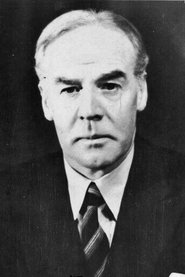 Frederick LeisterDr Collingwood
- Mary WilliamsMaid
 Elsie WagstaffBendrix Landlady
 Joyce CareyMiss Palmer
Directing
- Chris NobleAssistant Director
- Betty ForsterContinuity
- Edward DmytrykDirector
Writing
- Graham GreeneNovel
- Lenore J. CoffeeScreenplay
Production
- Paul SheridanCasting
- David E. RoseExecutive Producer
- David LewisProducer
- Ernest HoldingProduction Manager