
Film
Solaris
Tarkovsky's Solaris is less science fiction than a slow, aching meditation on memory and guilt wearing a spaceship for a costume. Long takes, near-silence, a station that feels more like a mausoleum than a machine. It rewards patience rather than curiosity about plot — closer to a dream you can't shake than a story you follow, and it lingers for days afterward.
If you liked this
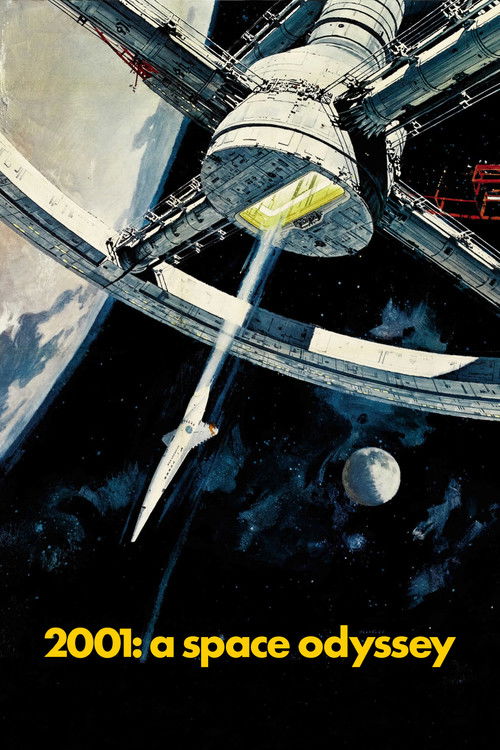
2001: A Space Odyssey1968
Kubrick's cosmic silence and cold machinery started this lineage — the same conviction that image and stillness can carry philosophical weight, and that technology can feel like mystery rather than mere gadgetry.
But Even slower and colder, with almost no interior life to hold onto — myth over character, patience tested harder than Solaris ever asks.
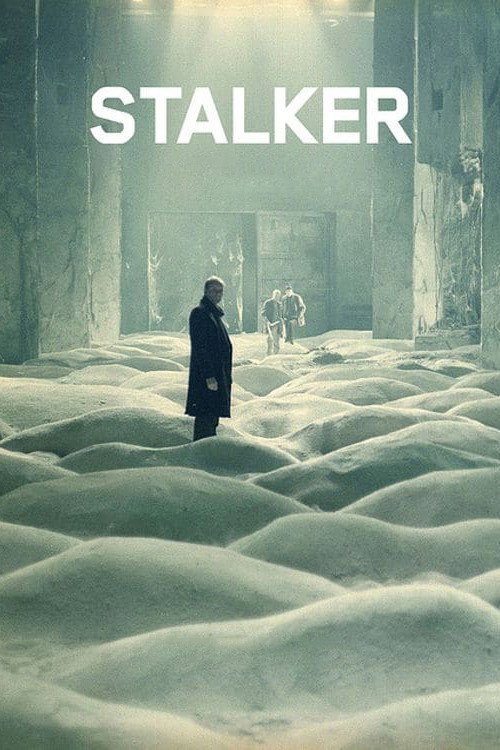
Stalker1979
Tarkovsky again, this time using a poisoned landscape instead of a space station — same hypnotic pacing, same dread of a world that seems to think and judge.
But Even more oblique and plotless than Solaris; if that film tested your patience, this one will press harder.
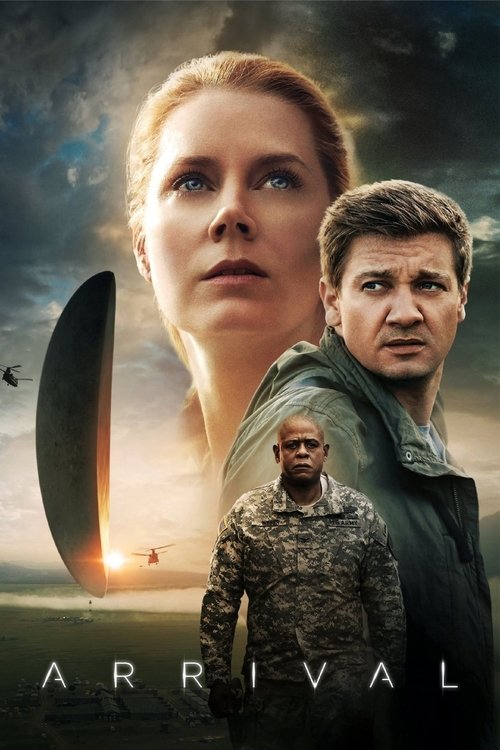
Arrival2016
Grief, language and memory braided into a first-contact story, visually restrained and emotionally devastating, with a structure built around loss rather than spectacle.
But More linear and polished, with a tidier emotional payoff — some of Solaris's ambiguity gets smoothed away here.
The wildcard
Something you would not have found on your own.
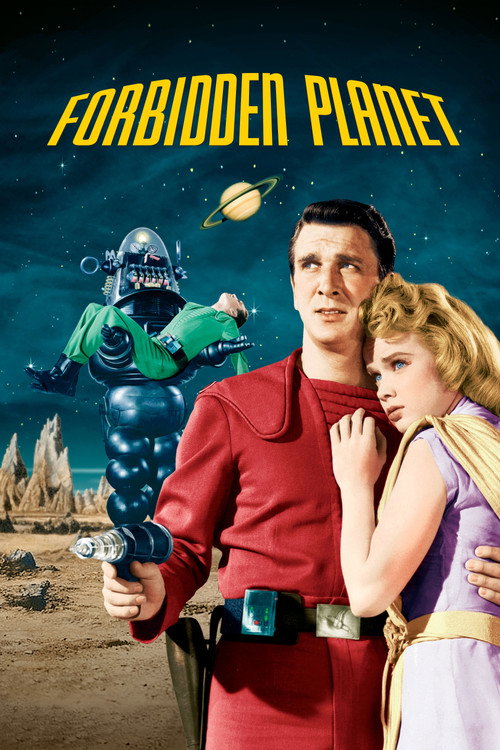
Forbidden Planet1956
Both stage the mind's buried terrors as something that can physically manifest and destroy — Solaris's Hari and Forbidden Planet's 'monster from the id' are the same idea, decades and a genre apart.
This 1950s B-picture beat Tarkovsky to the idea by sixteen years, showing guilt and desire unleashed by an alien world taking monstrous, unstoppable shape — theremin score, Shakespeare bones, and all.
But Rubber-suit effects and matinee pacing; it's pulp where Solaris is poetry, and the tonal gap can be jarring.
More like this (8)
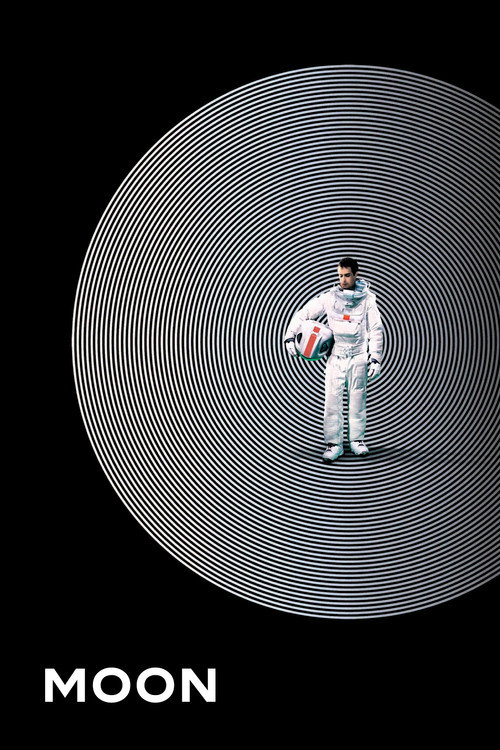
Moon2009
A solitary astronaut unravels inside a lonely lunar station, confronting identity and memory in a chamber piece that shares Solaris's claustrophobic isolation on a fraction of the budget.
But Its twist-driven plot pulls it toward conventional thriller territory rather than open-ended metaphysics.
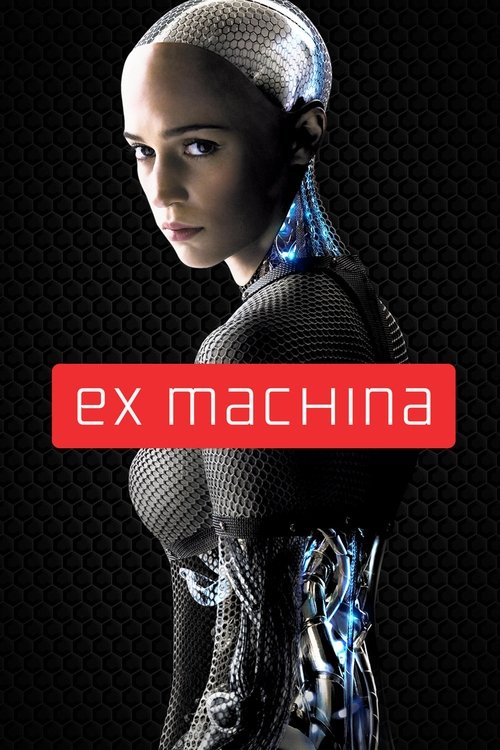
Ex Machina2015
A three-hander about consciousness and manufactured desire, tense and intimate, asking what happens when something built to mirror us starts asking its own questions.
But Colder and more thriller-shaped, with less of the metaphysical grief that runs through Solaris.
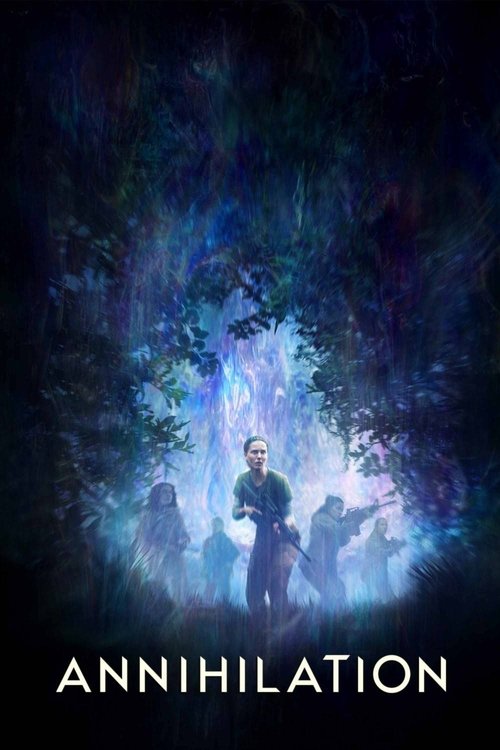
Annihilation2018
An alien zone reshapes matter and mind alike, wrapping body horror around melancholy themes of self-destruction, grief, and the impossibility of returning unchanged.
But Leans harder into overt horror imagery, sacrificing some of the contemplative stillness Tarkovsky insists on.
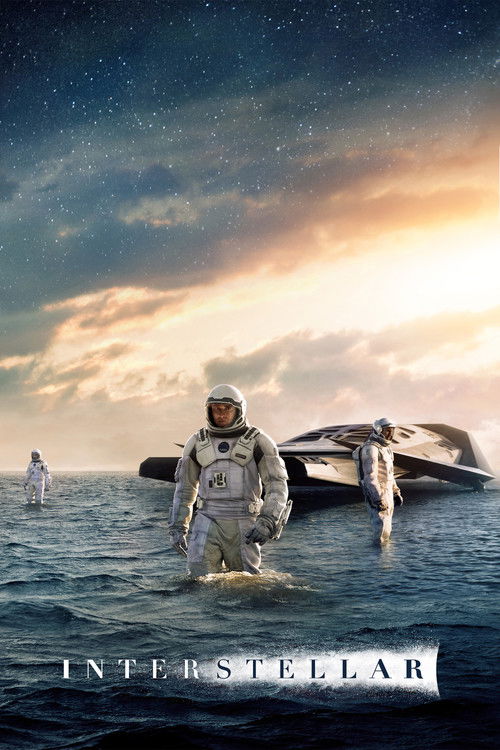
Interstellar2014
Father-daughter grief stretched across galaxies and time itself, sharing Solaris's ambition to make the cosmos feel unbearably personal and specific.
But Much louder and more sentimental, with a swelling score that's the opposite of Tarkovsky's restraint.
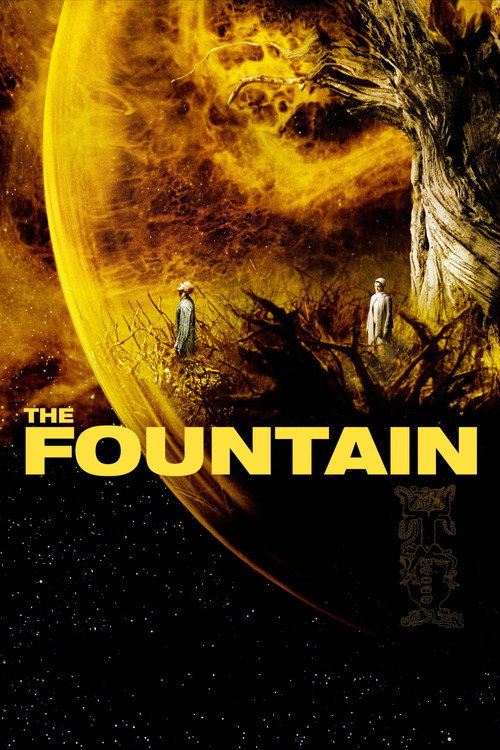
The Fountain2006
Love and mortality cycling across centuries, unabashedly romantic and visually hypnotic, built like a fever dream rather than a conventional narrative.
But Tips further into melodrama; some viewers find it overwrought where Solaris stays austere.
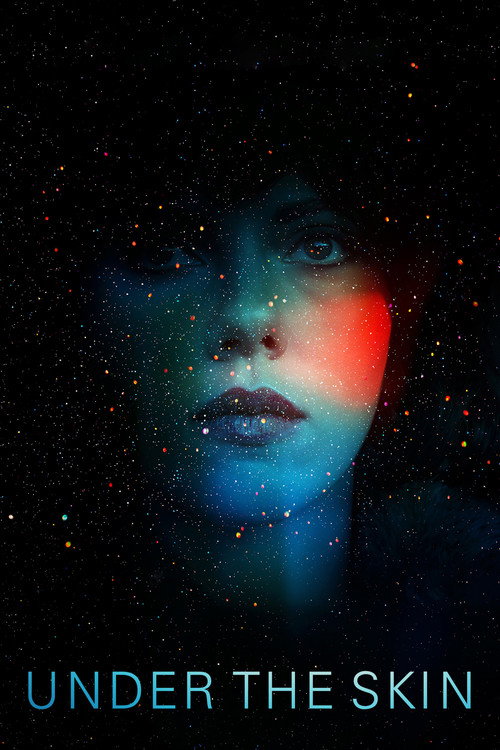
Under the Skin2014
An alien consciousness drifts through human bodies and cities, mesmerizing in its sound design and willing to let silence and image carry entire scenes.
But Even more elliptical than Solaris, with almost no dialogue to hold onto at all.
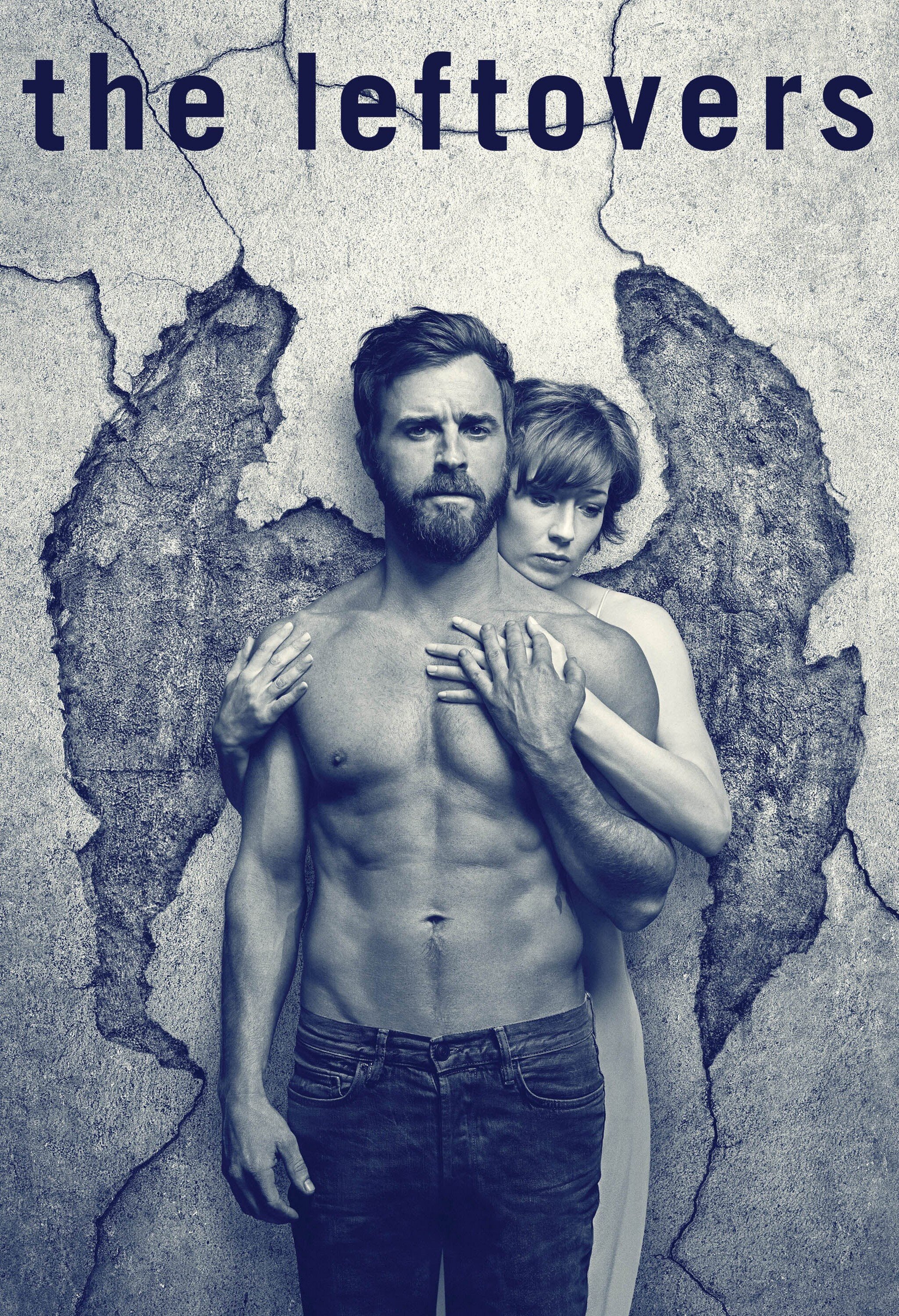
The Leftovers2014
Same ache as Solaris — the vanished or dead returning in forms that force the living to relive what they buried — stretched into television instead of compressed into one long night.
A masterclass in using genre mystery as cover for grief, patient and strange and devastating, comfortable leaving questions unanswered exactly the way Solaris does.
But Three seasons is a real commitment, and its tonal whiplash between sincerity and absurdity won't suit everyone.
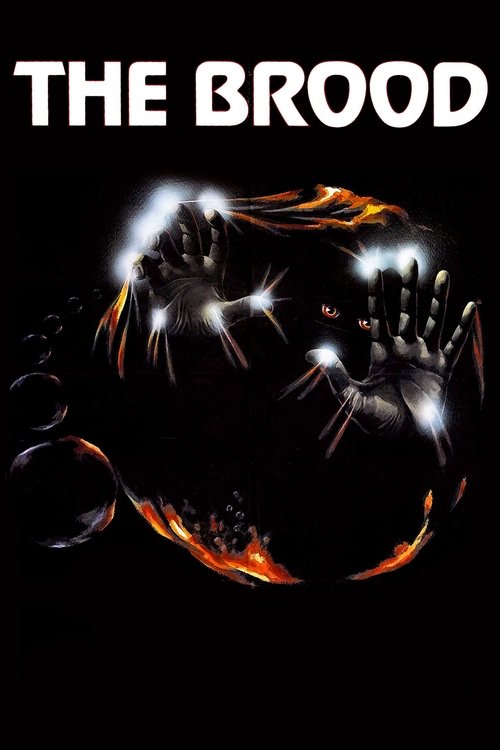
The Brood1979
Cronenberg takes the exact same premise — repressed trauma given physical, monstrous form — and drags it out of contemplative sci-fi into gruesome body horror.
If Solaris made you think 'what if this idea, but nastier,' here's the answer: rage and trauma literalized as flesh, visceral and genuinely horrifying rather than contemplative.
But Cheap, ugly, and deliberately upsetting — the opposite of Tarkovsky's serenity, and not everyone wants that whiplash.
People
Cast
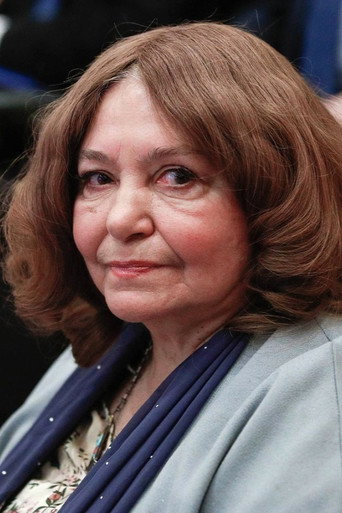
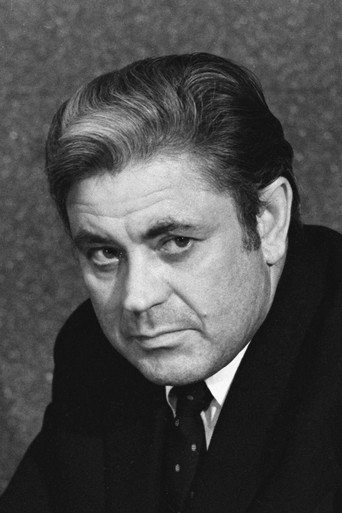 Donatas BanionisKris Kelvin
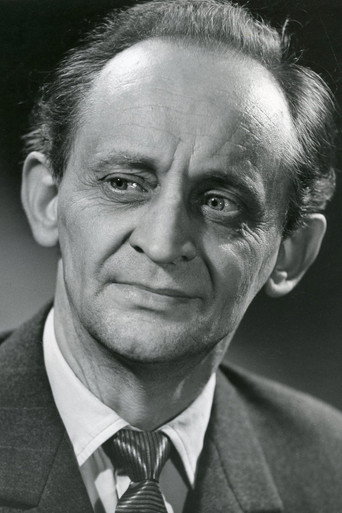 Jüri JärvetDr. Snaut
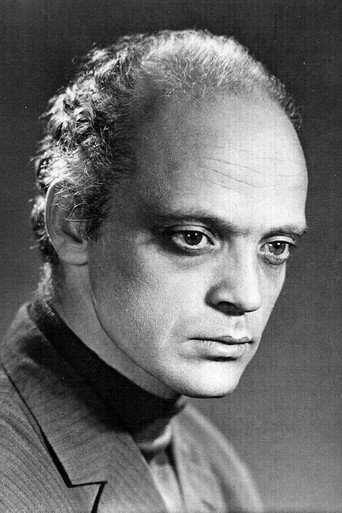 Vladislav DvorzhetskyHenri Berton
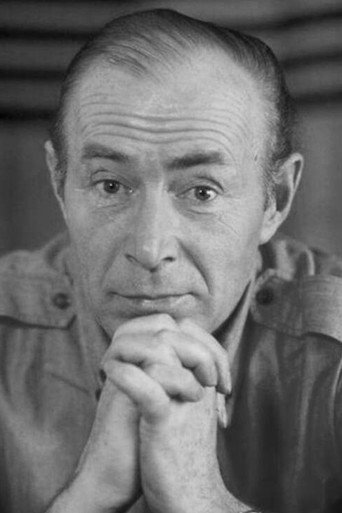 Mykola HrynkoKelvin's Father
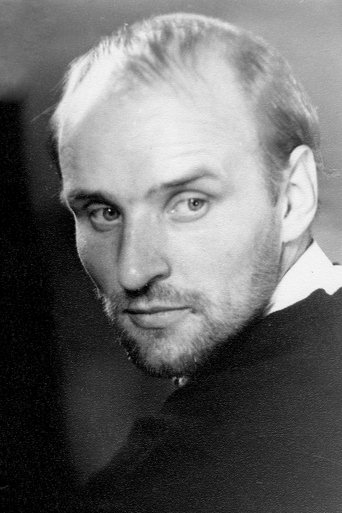 Anatoliy SolonitsynDr. Sartorius
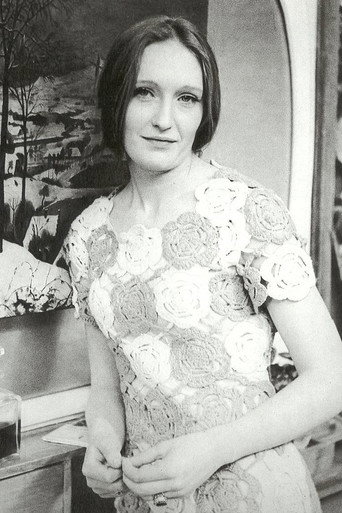 Olga BarnetKelvin's Mother
- Vitalik KerdimunHenri Berton's Son
- Olga KizilovaGuest of Dr. Gibarian
- Tatyana MalykhKris Kelvin's Niece
 Aleksandr MisharinShanahan, Chairman of the Anri Berton Commission
- Bagrat OganesyanProfessor Tarkhe
Directing
- Arnold IdesAssistant Director
- Larisa TarkovskayaAssistant Director
- Mariya ChugunovaAssistant Director
- Andrei TarkovskyDirector
- Yuriy KushneryovFirst Assistant Director
- N. MannFirst Assistant Director Trainee
Writing
- Stanisław LemNovel
- Andrei TarkovskyScreenplay
- Fridrikh GorenshteynScreenplay
- Iosif ShklovskiyScript Consultant
- Lev LupichevScript Consultant
- L. LazarevScript Editor
- Ninel BoyarovaScript Editor
Production
- Viacheslav TarasovExecutive Producer
Recommended by
Jacob's Ladder, Arrival, Blade Runner 2049, Alphaville, Annihilation, Moon, Silent Running, Forbidden Planet, 2001: A Space Odyssey, The Man Who Fell to Earth, Ad Astra, For All Mankind, Stalker, Event Horizon, Star Trek: Strange New Worlds, Starman