
Film
Solaris
Other titles called Solaris: the 1972 film.
- Science fiction
- Drama
- Mystery
- Slow-burning
Andrei Tarkovsky's 1972 philosophical epic gets a lean, mournful American remake. Clooney plays a psychologist arriving at a space station haunted by manifestations from the crew's pasts—grief made flesh. It's a slow meditation on love, loss, and whether connection survives when one party isn't quite real. Quietly devastating.
If you liked this
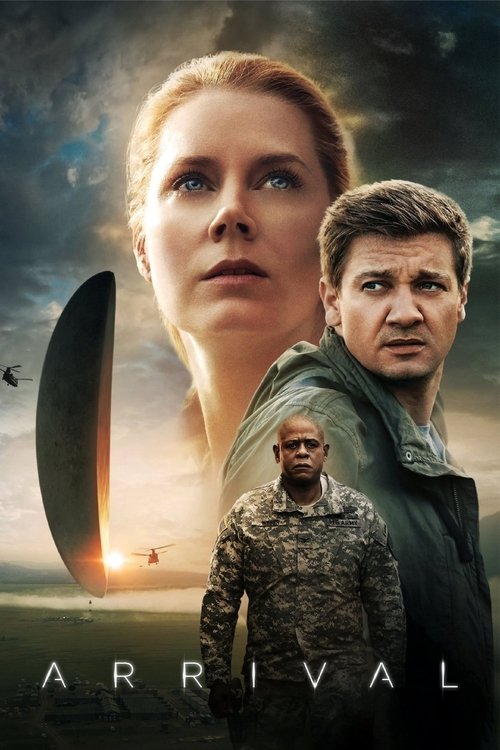
Arrival2016
A linguist contacts an alien species and discovers language reshapes how we experience time itself. Thoughtful, tender science fiction about communication and sacrifice, with the same philosophical weight as Solaris but earthbound and more urgent.
But The central revelation feels designed to devastate on a personal level. If you're looking for spectacle or plot momentum, the quiet pacing will test your patience.
Stalker1979
Tarkovsky's own masterpiece about a guide leading two men through a mysterious zone toward a room that grants wishes. Hypnotic, meditative, obsessed with desire and what we truly want. If Solaris intrigued you, here's the original vision undiluted.
But 163 minutes of slow tracking shots and philosophical monologue. No action, no plot mechanics. The patience required is genuine; boredom is a real possibility.

Ex Machina2015
A programmer is invited to test an AI in human form at a remote facility, only to realize he's part of something far more complex. Sharp, unsettling, and structurally brilliant—science fiction about consciousness and desire that actually pays off its premise.
But Increasingly cruel. The final act asks you to sit with the consequences of profound moral failure without offering comfort or redemption.

Not sure tonight? Get a pick in a minute, starting from Solaris
The wildcard
Something you would not have found on your own.
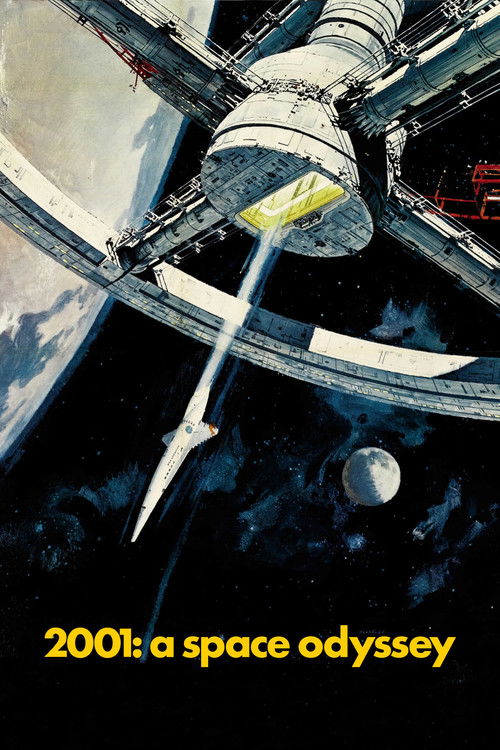
2001: A Space Odyssey1968
Both films use the coldness of space as a backdrop for intimate human questioning. Neither will tell you what to think; both treat the encounter with the truly alien as spiritual rather than hostile. Solaris is Tarkovsky answering Kubrick.
Kubrick's monument to the unknowable: astronauts on a mission to Jupiter encounter evidence of cosmic intelligence. A vision of space exploration as encounter with the alien and the divine. This is the ancestor of everything Solaris is trying to do.
But Over three hours. Deliberately cryptic. The final twenty minutes abandon narrative entirely. Patience is not enough; you need genuine openness to incomprehensibility.
More like this (8)
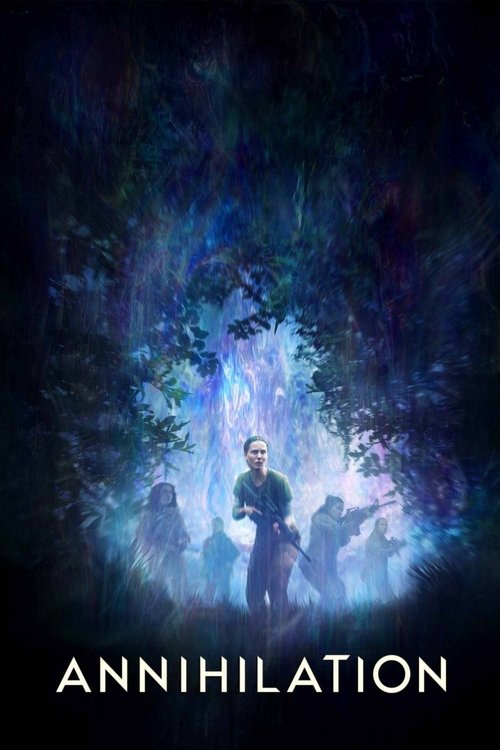
Annihilation2018
A team enters a shimmering, reality-warping zone and discovers that the rules of nature no longer apply. Visually stunning and genuinely strange, with the same sense of encountering something beyond human understanding that haunts Solaris.
But The third act leans into abstraction and spectacle that some find more impressive than emotionally resonant. Demands patience with ambiguity.
Under the Skin2014
Scarlett Johansson drives through Scotland in a van, hunting human prey for unknowable purposes. Hypnotic and alien—a film about otherness and predation that uses silence and mood instead of exposition. Haunting in an entirely different register.
But Narrative is minimal and intentionally obscure. Long, static shots. A mood piece that could feel frustratingly opaque or boringly slow depending on your tolerance.

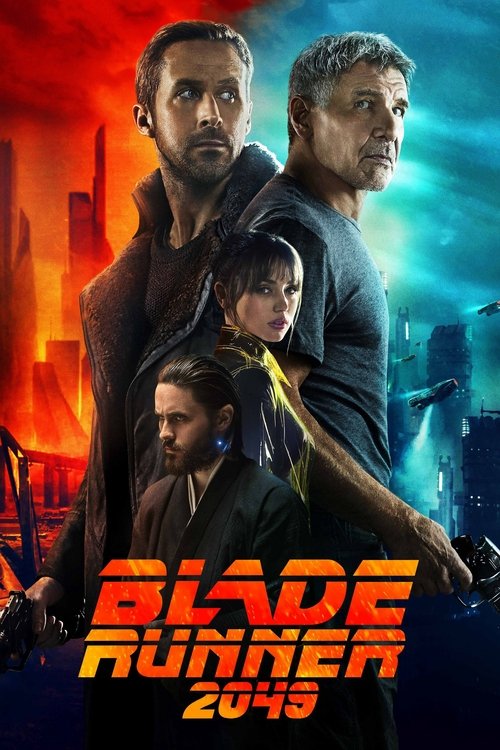
Blade Runner 20492017
A detective searching for a missing replicant uncovers secrets about identity and existence in a gorgeous, desolate future. Visually breathtaking and surprisingly philosophical—science fiction that takes its metaphysical questions seriously.
But Glacially paced and narratively thin. If you don't connect with the mood and cinematography, there's not much plot to carry you through 164 minutes.
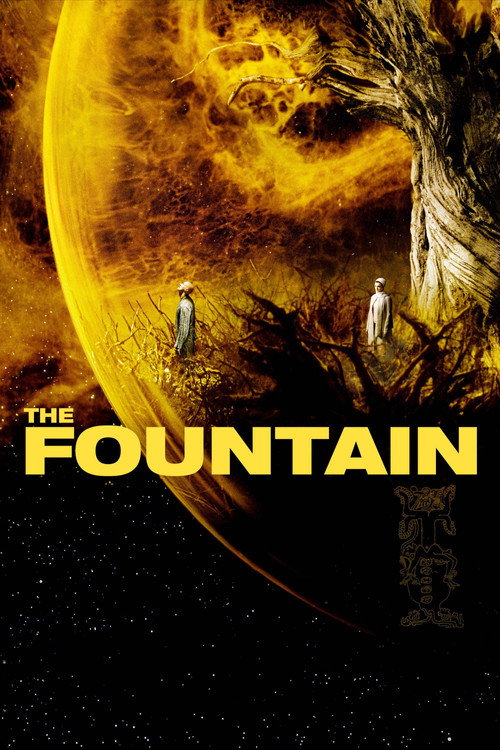
The Fountain2006
Three timelines, three versions of love and death, one obsessive meditation on mortality and connection. Wildly ambitious, visually daring, and genuinely moving. A film that swings for the fences about love persisting across time.
But Densely symbolic and deliberately obscure. The narrative structure frustrates some viewers. Others find it pretentious or sentimental depending on the moment.
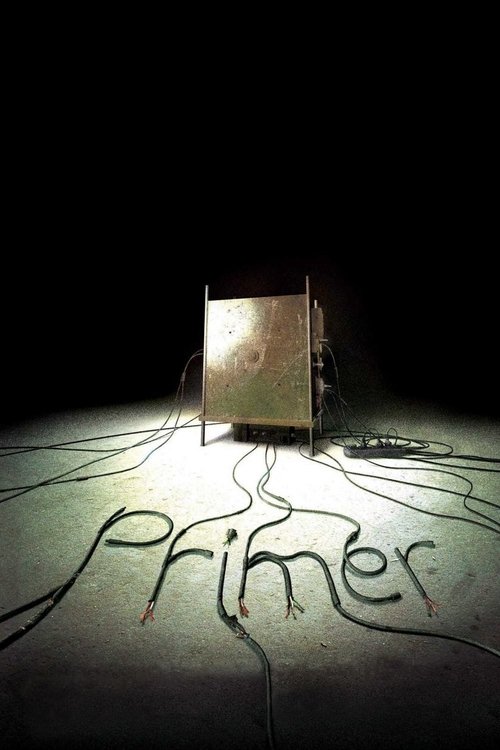
Primer2004
Two engineers accidentally discover time travel and immediately begin exploiting it with murky consequences. A legitimately baffling puzzle of a film—intellectually demanding science fiction that respects your intelligence and offers no hand-holding.
But Nearly impenetrable on first viewing. Overlapping dialogue, jargon, and a plot that requires serious attention. A film that actively resists enjoyment in service of ideas.
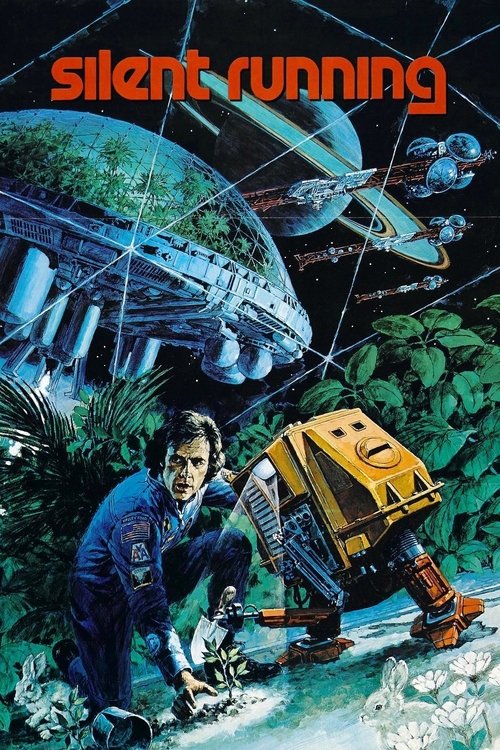
Silent Running1972
A cargo ship's botanist must defend Earth's last forests in space from those who want to destroy them. Earnest, melancholic, and surprisingly moving—a quieter sci-fi film about obsession and isolation that shares Solaris's DNA.
But The special effects are dated and the emotional beats occasionally veer into sentimentality. Some of the acting feels thin by contemporary standards.
Come and See1985
Both films are about how consciousness grapples with loss and trauma. Solaris externalizes grief as apparition; Come and See shows how real atrocity colonizes the mind. One is intimate and philosophical; the other is visceral and historical. Together they ask: how do we survive knowing what we know?
A Soviet anti-war film following a boy through the horrors of Nazi occupation. Devastatingly realistic, morally uncompromising, and profoundly human. If you want cinema that locates profound grief in physical reality rather than abstraction, this finds it.
But One of the most difficult films ever made. Graphic violence, child suffering, nihilism without relief. Not a film you watch; it's something you survive. The intensity is not metaphorical.

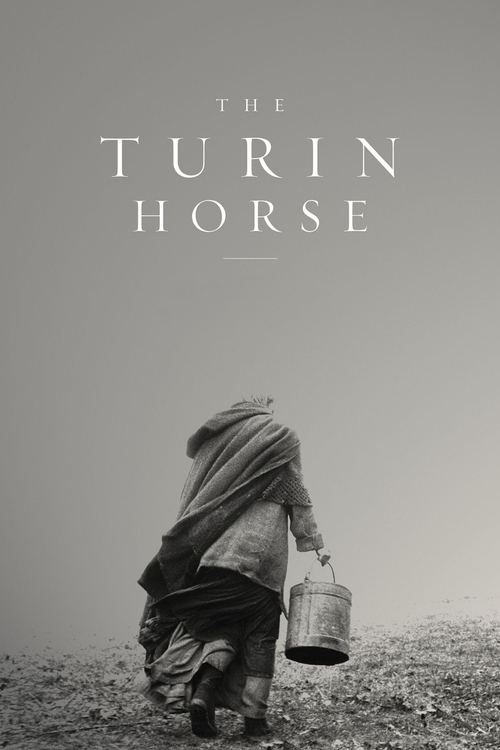
The Turin Horse2011
Both films use isolation and constraint to force metaphysical reckoning. Solaris traps the psychologist with his ghosts; The Turin Horse traps its characters in philosophical entropy. Both believe cinema can be a space where human consciousness meets its limits, and that watching this collision is worthwhile.
Béla Tarr's final film: a man, a woman, and a horse in a cottage as the world visibly breaks down. Apocalyptic, poetic, shot in black and white with long static takes. A meditation on endings that's bleak, repetitive, and somehow beautiful.
But 155 minutes with minimal dialogue and even less plot. The aesthetic is deliberately oppressive—gray, cold, unchanging. If you need narrative momentum or visual variety, this will feel like punishment.
People
Cast
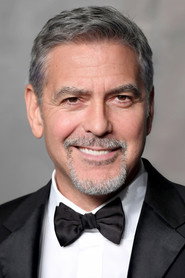 George ClooneyChris Kelvin
 Natascha McElhoneRheya
 Viola DavisGordon
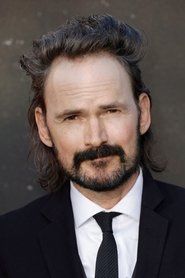 Jeremy DaviesSnow
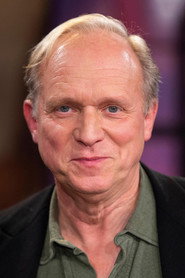 Ulrich TukurGibarian
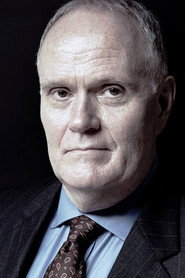 Michael EnsignFriend
 John ChoDBA Emissary
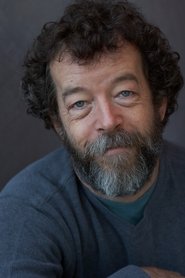 Morgan RuslerDBA Emissary
 Shane SkeltonGibarian's Son
 Donna KimballMrs. Gibarian
 Elpidia CarrilloFriend
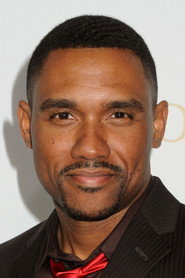 Kent FaulconPatient
Directing
- Steven SoderberghDirector
- Gregory JacobsFirst Assistant Director
- Basti Van Der WoudeSecond Assistant Director
- Trey BatchelorSecond Unit First Assistant Director
Writing
- Stanisław LemNovel
- Steven SoderberghScreenplay
Production
- Edward V. PannozzoAccountant
- Alex AppleAssistant Location Manager
- Christian KriegerAssistant Location Manager
- Greg KappyAssistant Location Manager
- Debra ZaneCasting
- Erin TonerCasting Assistant
- Terri TaylorCasting Associate
- Gregory JacobsExecutive Producer
- Rich KingExtras Casting
- James R. MaceoLocation Manager
- James CameronProducer
- Jon LandauProducer
- Rae SanchiniProducer
- Julie M. AndersonProduction Supervisor
- Michael PolaireUnit Production Manager