
Film
Electroma
Electroma is a wordless sci-fi parable about two robots journeying across a barren landscape, desperate to become human. Shot in gorgeous high-definition, it's meditative and strange—long stretches of silence broken by synthesizer drones. Daft Punk made it, and it feels like a very earnest, very patient music video stretched into a feature. For patient viewers who want to feel something peculiar.
Should you watch it?
Watch it if you love films that trust silence and slow, deliberate images to carry a feeling, and you're happy to drift with a story rather than follow it.
Skip it if you need dialogue, plot momentum or a clear sense of direction, since this one gives little of either and can feel like an extended mood piece.
What it asks of you: A short seventy-two minutes, but it moves at a glacial pace, with long wordless stretches that want you to sit with the images and wait patiently.
Not sure? Find tonight's pick in a minute.
If you liked this
Under the Skin2014
A silent-heavy film about an alien's lonely journey through humanity, shot with painterly precision and genuine mystery. Unfolds like Electroma's more unsettling cousin, trading robots for something stranger.
But Long stretches with minimal dialogue or plot momentum can feel punishing rather than meditative. Some find it glacially slow.

Stalker1979
Tarkovsky's sci-fi masterpiece about men journeying toward an unknowable goal, built on silence and philosophical dread. Same patient, poetic register—asking what it means to desire something.
But Over three hours, mostly conversations and walking. Demands surrender to its rhythm; resists plot momentum entirely.

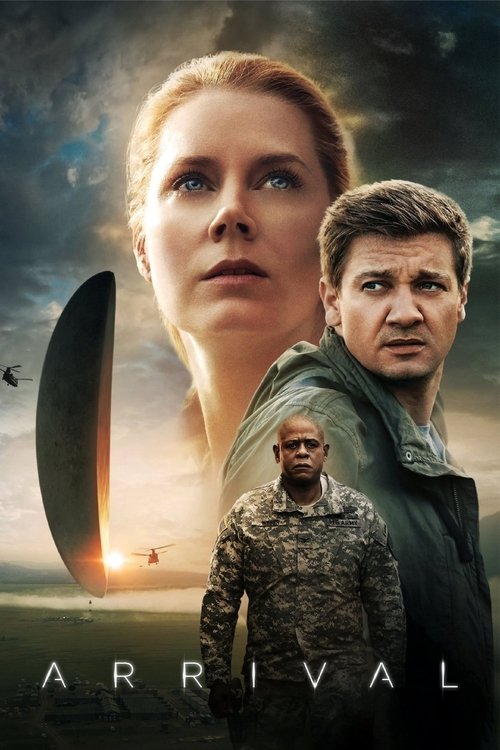
Arrival2016
A film about communication and understanding between incomprehensible beings. Visually striking, emotionally sophisticated. Shares Electroma's fascination with what separates us from the alien.
But More conventionally structured than Electroma—dialogue, narrative drive. If you want Electroma's strangeness, this is more accessible but less strange.
Not sure tonight? Get a pick in a minute, starting from Electroma
The wildcard
Something you would not have found on your own.
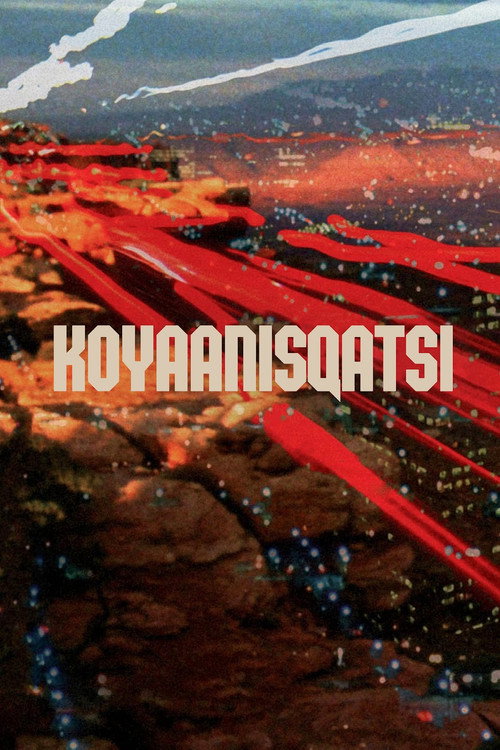
Koyaanisqatsi1983
Both are nearly wordless films where the score and visual composition carry all meaning. Both treat landscape as character. Both ask you to feel rather than think, and trust that's enough.
No dialogue, no narrative. Just time-lapse sequences of Earth and human systems with a hypnotic Philip Glass score. Like Electroma but the robots are us, and the landscape is now. Pure cinema as mood.
But Not a film in the conventional sense—more an experience or visual essay. 87 minutes of image and sound with no character, no story, no arc. Demands surrender.
More like this (8)
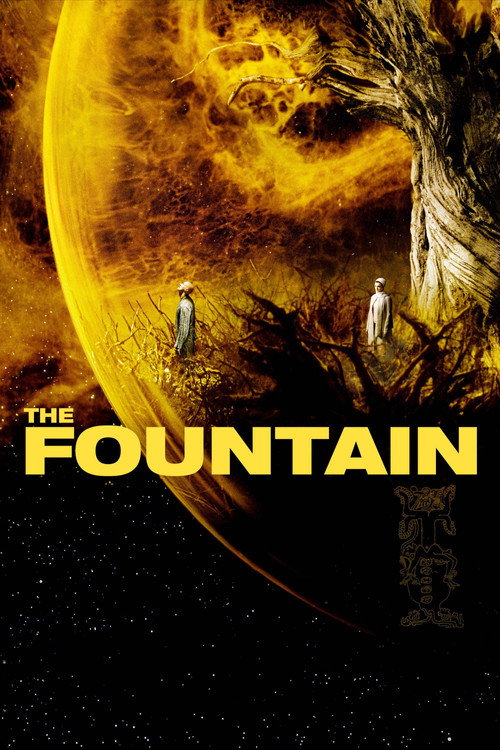
The Fountain2006
Three eras, one love story, told through images as much as words. Like Electroma, it reaches for something transcendent through visual poetry rather than explanation.
But Darren Aronofsky's ambition can overwhelm sense. Dense, ornate, open to dismissal as self-indulgent.
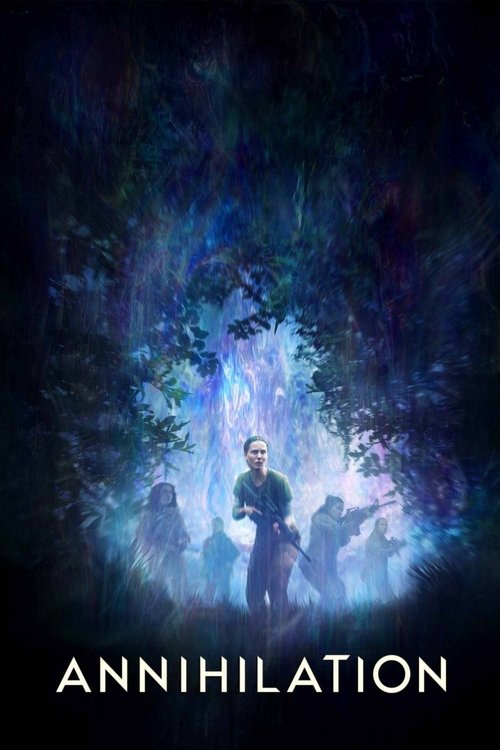
Annihilation2018
A journey into a shimmering, hostile unknown that defies easy meaning. Unsettling, beautiful, genuinely strange in ways most sci-fi isn't. Asks what transformation really costs.
But Deliberately oblique; doesn't explain itself. Refuses catharsis. Ends on genuine uncertainty that frustrates plot-hungry viewers.
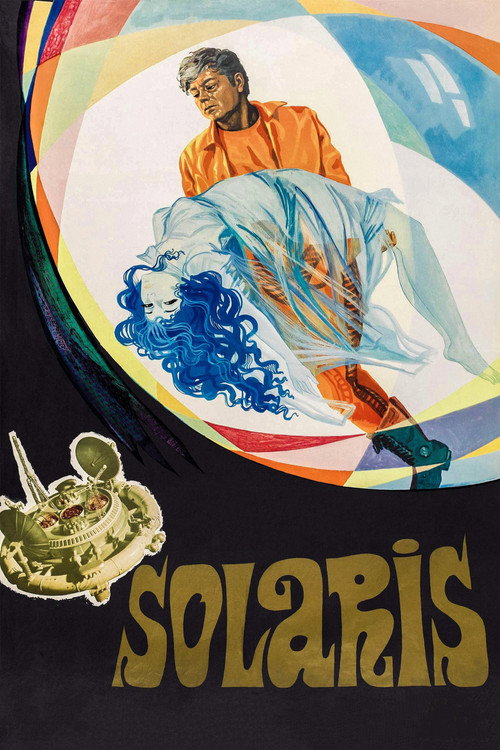
Solaris1972
Another Tarkovsky—a space film about loneliness and what we seek from connection. Slow, meditative, structured around long sequences of contemplation rather than action.
But Nearly three hours of men walking through corridors talking about philosophy. The pacing is the point, but that point doesn't land for everyone.
Synecdoche, New York2008
Charlie Kaufman's maximalist nightmare about creating and reality-warping. Chaotic where Electroma is still, but shares that obsession with transformation and identity.
But Deliberately confusing, deliberately exhausting. Some find it brilliant; many find it exhausting in ways that don't feel earned.

A Ghost Story2017
A ghost in a sheet watching time pass, grief distilled into image. Wordless stretches, profound melancholy, humanity examined from the outside looking in.
But Nearly silent, almost plotless. A single recurring image. Some viewers find it pretentious or self-regarding rather than moving.

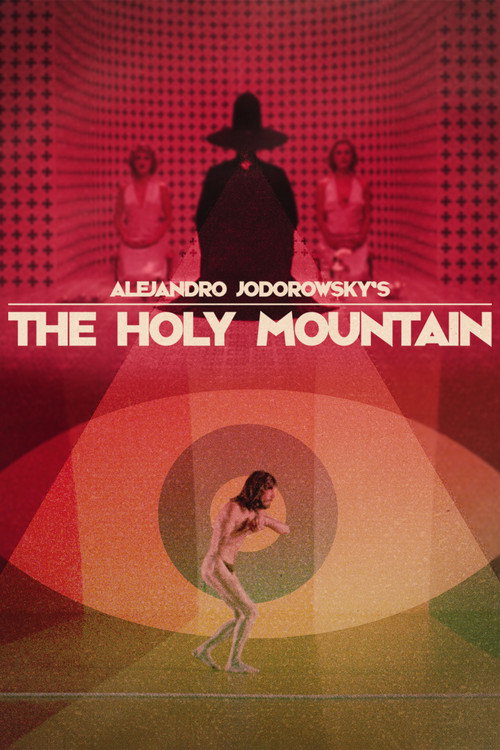
The Holy Mountain1973
Jodorowsky's surrealist journey-film with no regard for narrative logic, all symbol and sensation. Fearlessly weird, visually astonishing, shares Electroma's refusal to explain itself.
But Genuinely disturbing imagery throughout. Deliberately offensive. Not strange for strangeness's sake—strange in ways designed to provoke discomfort.
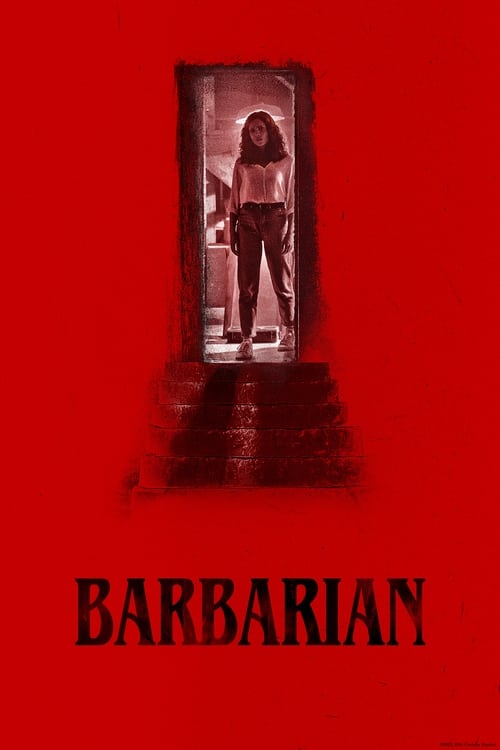
Barbarian2022
Both films are obsessed with transformation and what happens when something crosses a threshold into a new state of being. Both ask the question: is becoming human better than remaining something else?
Electroma is about robots wanting humanity; Barbarian is about humans regressing to become monstrous. A genre horror film that quietly philosophizes about what civilization means, what we've lost and escaped.
But Tonal whiplash—starts as comedy, becomes survival horror, ends as something else entirely. If you want genre coherence, you won't find it.
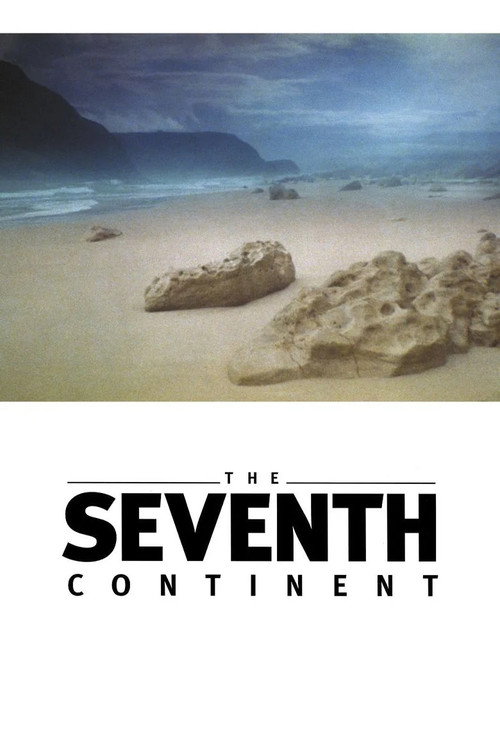
The Seventh Continent1989
Where Electroma's robots dream of humanity, Haneke's humans enact a quiet rebellion against it. Both films treat the question of what it means to be human not as inspiration but as genuine crisis.
An Austrian family's methodical, quiet erasure of their own existence. Black-and-white, almost documentarian. A slow reckoning with why people might want to stop being human—the inverse of Electroma's longing.
But Genuinely dark and disturbing, building toward something unbearable. Not pessimistic—worse, it's resigned. Watching it is a difficult gift.
People
Cast
- Peter HurteauHero Robot #1
- Michael ReichHero Robot #2
- Helena StoddardWoman
- Vance HartwellWhite Room Technician #1
- Lilo TauvaoWhite Room Technician #2
- Ken BanksWhite Room Technician #3
- Howie AdamsWhite Room Technician #4
Directing
- Guy-Manuel de Homem-ChristoDirector
- Thomas BangalterDirector
Writing
- Cédric HervetWriter
- Guy-Manuel de Homem-ChristoWriter
- Paul HahnWriter
- Thomas BangalterWriter
Production
- Paul HahnProducer