
Film
The Seventh Continent
- Family drama
- Very dark
- Slow-burning
Haneke's debut follows an ordinary Austrian family through three years of mundane routines—work, shopping, television—until their quiet despair reveals itself as something darker. It's detached, hypnotic, and genuinely unsettling; a film that makes normalcy itself feel sinister. For viewers ready to sit with dread rather than spectacle.
Should you watch it?
Watch it if you are drawn to cold, deliberate films that build dread from tiny repeated details and trust you to watch closely, the way Haneke's later work does.
Skip it if you need some narrative momentum or warmth from the people on screen, since the film moves at a deliberately flat pace through long static takes of ordinary domestic life.
What it asks of you: Settle in for a full hundred and seven minutes of unhurried, still observation, where the repetition is the point and small disturbances must be noticed rather than explained.
Not sure? Find tonight's pick in a minute.
If you liked this
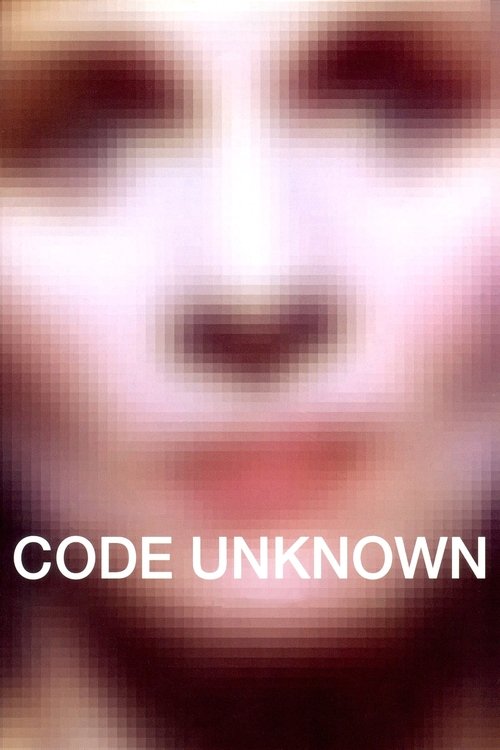
Code Unknown2000
Another Haneke study of modern alienation, this time urban and fragmented across overlapping stories. The same unflinching eye turned on disconnection, class, and the casual cruelties we ignore.
But Deliberately difficult pacing and no clear protagonist. Some find it punishing rather than illuminating.
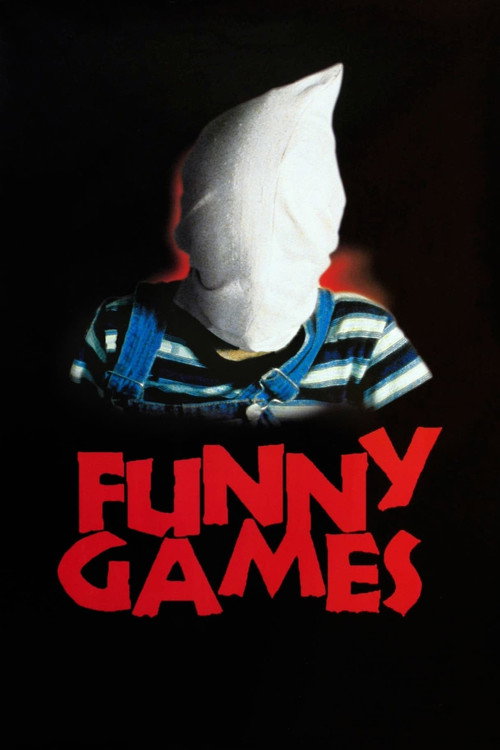
Funny Games1997
Haneke's most direct assault on viewer complicity and media violence. Two intruders, a family, and a film that knows exactly what you came to see—and makes you hate yourself for wanting it.
But It's a provocation first, a story second. The violence is real enough to be unwatchable; the philosophy can feel hectoring.
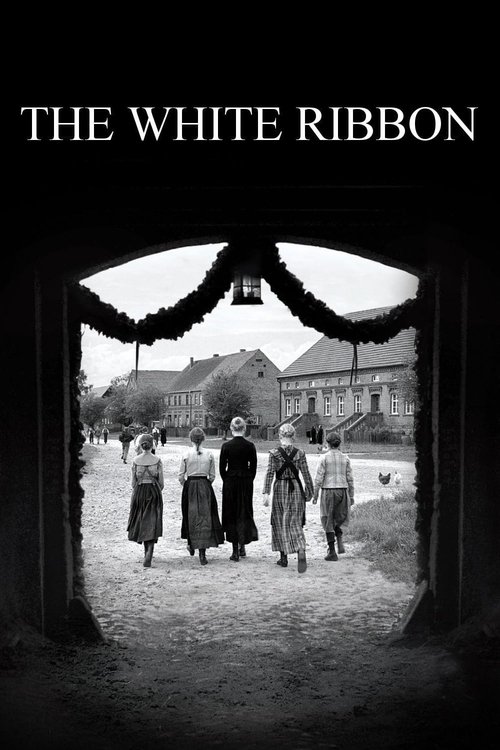
The White Ribbon2009
A village on the edge of madness, pre-Nazi Germany, children at the center of inexplicable cruelty. Haneke at his most grandly austere, shooting in black-and-white like a ghost story.
But Three hours of mounting dread with no catharsis. Some see it as brilliant; others as glacial and ultimately hollow.
Not sure tonight? Get a pick in a minute, starting from The Seventh Continent
The wildcard
Something you would not have found on your own.
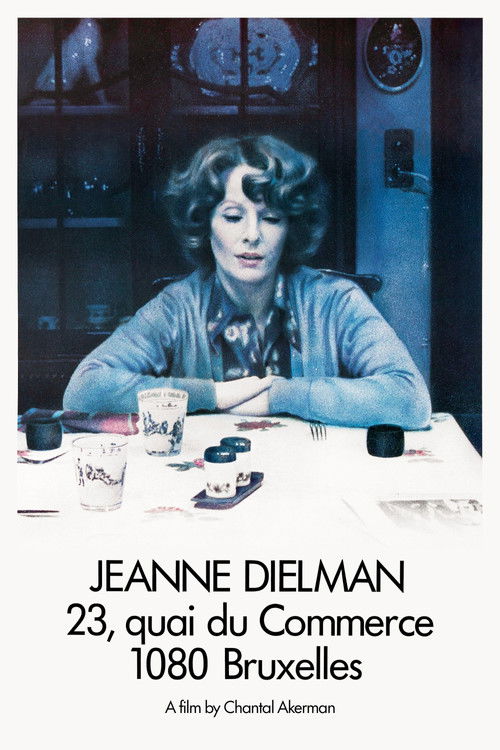
Jeanne Dielman, 23, quai du Commerce, 1080 Bruxelles1976
Both films weaponize routine itself, using the everyday as a form of slow-burn horror. Haneke learned the language from Akerman.
Chantal Akerman's three-hour portrait of a widow's daily rituals: cooking, cleaning, sex work, routine. It's the Platonic ideal of *The Seventh Continent*—Haneke's spiritual ancestor, showing how to make the mundane unbearable.
But Three hours, stationary camera, real time. It looks like nothing happens. Most viewers find it unwatchable before thirty minutes in.
More like this (8)
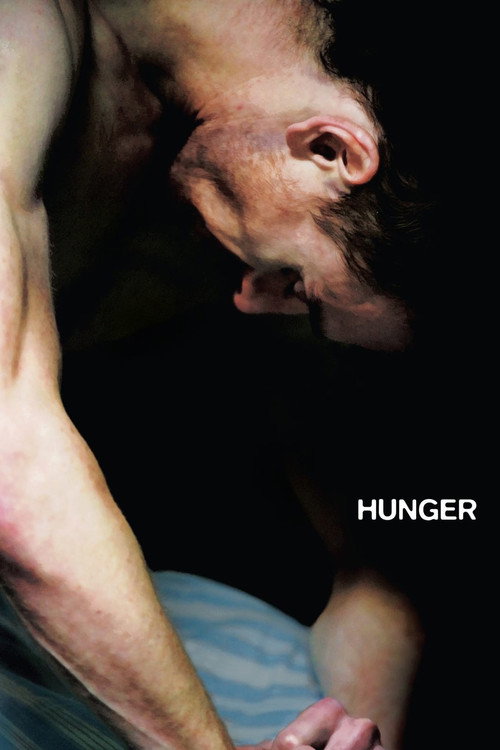
Hunger2008
Steve McQueen's debut mirrors Haneke's cold eye applied to IRA prisoner Bobby Sands. Brutalist cinema about the body as protest, shot with an artist's precision that refuses mercy.
But Viscerally difficult to watch, especially the final extended sequence. Not a film that rewards comfort-seeking.
Come and See1985
Soviet cinema's most harrowing war film. A boy conscripted, then exposed to the horror of occupied territory. It shares Haneke's refusal to look away, and it's devastating.
But The first real masterpiece of psychological destruction on screen. Some viewers find it too much, too soon, too real.

In the Mood for Love2000
Wong Kar-wai's meditation on desire, restraint, and the spaces between people. Like *The Seventh Continent*, it finds tragedy in routine—but gorgeously, rather than clinically.
But Deliberately paced, visually precious. If you're impatient with style, it will feel mannered and slow.

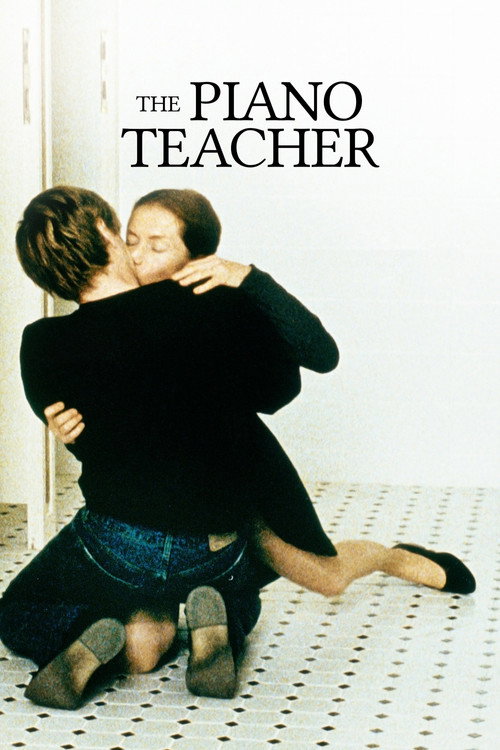
The Piano Teacher2001
Isabelle Huppert's masterclass in repression and eruption. Another Austrian film about the chasm between appearance and reality, with baroque psychological depth.
But Contains explicit sexual content that's meant to be unsettling, not arousing. Not viewing-with-family material.
Stalker1979
Tarkovsky's Russian sci-fi about desire, meaning, and the void beneath ordinary life. Like Haneke but transcendent—slow, hypnotic, almost religious in its refusal to explain.
But 160 minutes of people walking through spaces. Even admirers admit it demands patience most viewers don't have.

The Act of Killing2012
Documentary that puts perpetrators of Indonesian genocide in front of the camera, asking them to reenact. It's about evil normalized, performance as truth—thematically siblings to *The Seventh Continent*.
But The premise is ethically queasy and the violence is real history, not fiction. Some feel complicit just watching.

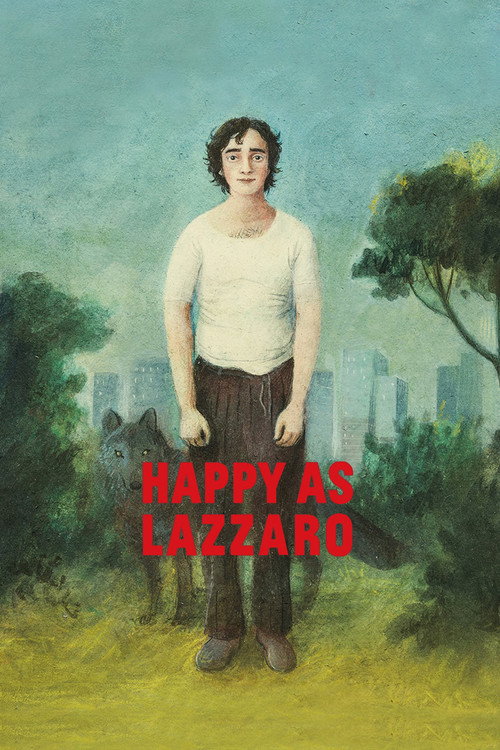
Happy as Lazzaro2018
Both examine complicity in systems we're born into, but *Lazarro* asks if innocence is possible; Haneke asks if it's even a good excuse.
Alice Rohrwacher's Italian fable about a feudal community undisturbed by modernity, and what happens when one innocent enters the real world. Surreal, tender, and deeply strange—nothing like *The Seventh Continent* in tone.
But It's a fairy tale masquerading as realism. The magical realism will feel precious to those wanting social critique delivered straight.
A Ghost Story2017
Both argue that repetition and domesticity contain a kind of death, but *A Ghost Story* literalizes it—the ghost becomes the viewer of *The Seventh Continent*.
David Lowery's chamber piece about a man (under a sheet) haunting his home after death, watching time erode everything. Formally wild, emotionally crushing, and obsessed with routine as a kind of haunting.
But The sheet-ghost design is visually awkward. Some find the conceited symbolism precious rather than moving.

People
Cast
 Birgit DollAnna Schober
 Dieter BernerGeorg Schober
 Leni TanzerEva Schober
 Silvia FenzOptician Customer
 Robert DietlGeorg's Superior
 Georg FriedrichFault Service of the Post Office
 Udo SamelAlexander
- Elisabeth RathEva's Teacher
- Georges KernBank Clerk
 Meat LoafSelf(archive footage) (uncredited)
 Jennifer RushSelf(archive footage) (uncredited)
Directing
- Hanuš Polak jr.Assistant Director
- Michael HanekeDirector
Writing
- Johanna TeichtScreenplay
- Michael HanekeScreenplay
Production
- Veit HeiduschkaProducer
- Gebhard ZupanProduction Manager
Recommended by
Day of the Dead, Electroma, When Evening Falls on Bucharest or Metabolism, Godzilla vs. Biollante, The Story of Piera, Benny's Video, Family Viewing