
Film
Family Viewing
Atom Egoyan's debut feature is a deliberately difficult meditation on how video technology colonizes intimacy and memory. A young man watches his father erase family recordings with pornography while his grandmother languishes in a nursing home. It's formally austere, emotionally glacial, and built on ideas rather than plot—for viewers willing to sit with alienation and abstraction.
If you liked this
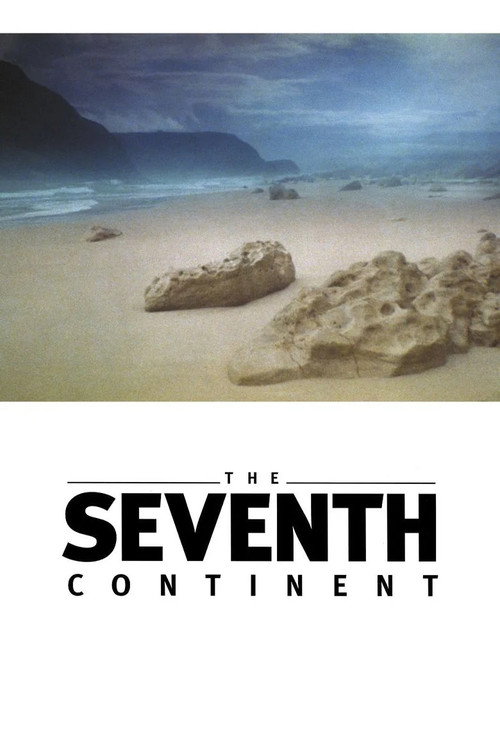
The Seventh Continent1989
Haneke's Austrian masterpiece uses deadpan precision to show a family's descent into self-annihilation. Like Egoyan, he treats emotional collapse as a formal problem, making numbness visible through rigorous composition and repetition.
But Haneke's detachment can feel punitive. The film offers no catharsis, insight, or release—just cold documentation of decline.
Mulholland Drive2001
Lynch's labyrinth of Hollywood dreams and nightmares shares Egoyan's fascination with how media distorts reality and identity. Both filmmakers trust audience discomfort as an aesthetic principle rather than a bug.
But It's nearly three hours of narrative fragmentation. Coherence is not the point, which some find exhilarating and others find exhausting.

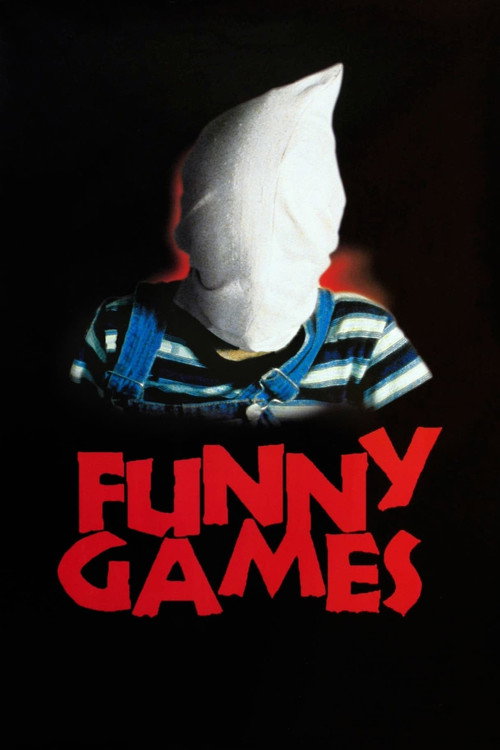
Funny Games1997
Haneke again, this time directly assaulting the viewer's complicity in violence and spectacle. Like Family Viewing, it makes the medium itself the subject—how cinema manipulates us, what we accept in the dark.
But It's brutally confrontational by design. Haneke despises comfortable viewership, and some will resent being treated as the problem.
Not sure tonight? Get a pick in a minute, starting from Family Viewing
The wildcard
Something you would not have found on your own.
Hiroshima Mon Amour1959
Both use fragmented form and voice-over to explore how media (film/video) both document and distort memory and intimacy. Both are about what cannot be erased or recovered.
Resnais and Duras built an aching meditation on memory, trauma, and the impossibility of fully knowing another person—all through fragmented imagery, voice-over, and the idea that video (film) is how we preserve what destroys us. A direct ancestor of Egoyan's project.
But It's avant-garde and allusive. Plot is skeletal. The film trusts you to feel rather than follow, which can feel pretentious or inaccessible.
More like this (7)
Code Unknown2000
Haneke's fragmented, multithread narrative about disconnection in Paris echoes Egoyan's interest in how people fail to reach each other despite proximity. Formally restless, thematically precise about modern isolation.
But The elliptical structure demands patience and rereading. Plot does not drive it; mood and thematic resonance do.
A Ghost Story2017
Lowery's haunting film about memory, time, and what we leave behind shares Egoyan's sense that the past is never past. It uses a simple setup to explore how we're trapped by what we cannot erase.
But It moves at a glacial pace. The famous long scene of eating pie is not a scene—it's a duration you have to endure.

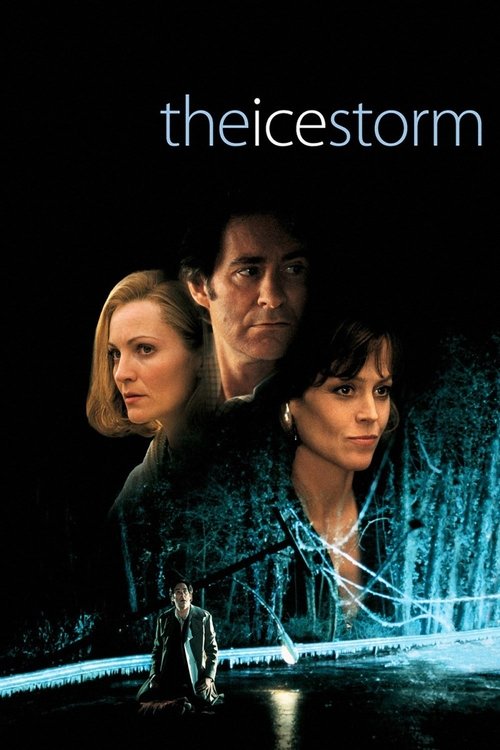
The Ice Storm1997
Ang Lee's dissection of suburban repression and failed communication in the 1970s uses ensemble structure to show how families atomize under pressure. Like Egoyan, Lee finds horror in emotional paralysis.
But The ensemble approach means no single character anchors you. Some find that diffusion elegant; others find it distant.
Synecdoche, New York2008
Kaufman's baroque, self-devouring film about art, mortality, and the impossibility of authentic representation runs on Egoyan's same anxiety: that reality has already been replaced by its representations.
But It's deliberately overwhelming and solipsistic. Kaufman piles idea on idea until collapse. Many will find it indulgent rather than profound.

Speaking Parts1990no page yet
Another Egoyan, but different: it's warmer, more romantic, still fixed on video's replacement of presence. A ghost and a screenwriter and a hotel actor form a triangle mediated entirely by screens.
But It's still formally cold and narratively opaque. Egoyan's romance is not swooning; it's textured and strange.
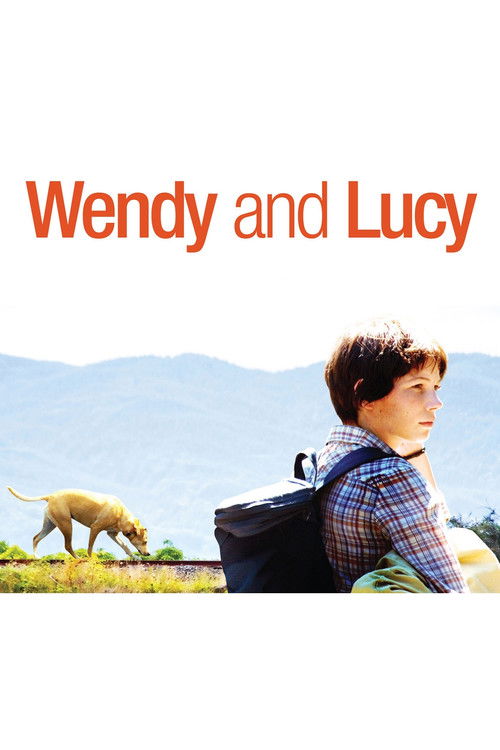
Wendy and Lucy2008
Both filmmakers find existential horror in ordinary failure—how systems and circumstances hollow people out. Both refuse sentimentality and close observation as sufficient witness.
Kelly Reichardt's quietly devastating film about a woman and her dog in economic free fall is economical, observant, and about the slow erosion of human connection. It shares Egoyan's cold precision but channels it into heartbreak about real material failure.
But Almost nothing happens. It's a portrait of exhaustion and diminishment. If you need narrative momentum or hope, this will frustrate you.
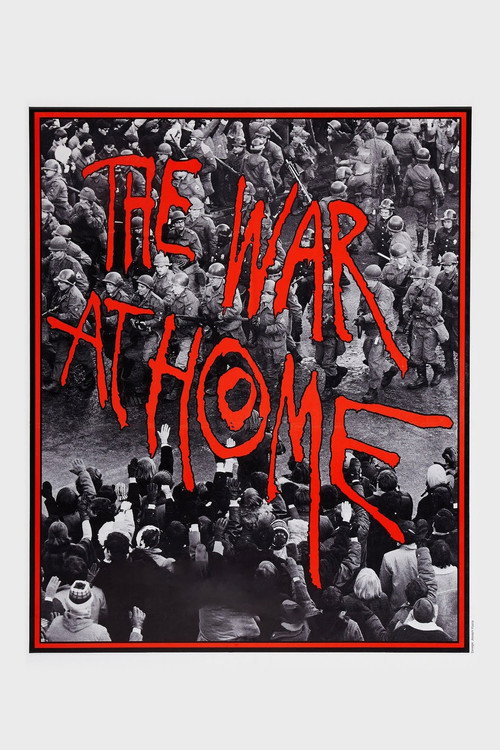
The War at Home1979
Both use real and fictional family footage to interrogate how technology—especially home video—replaces presence and emotion. Both implicate the filmmaker and viewer in that replacement.
Lear's experimental documentary about his own family's trauma interweaves found footage, family film, and newly shot material to ask what family documentation means. Like Egoyan, Lear makes the medium itself the subject—how filming substitutes for feeling.
But It's genuinely avant-garde and difficult. Lear's a performance artist first; the film is radical and sometimes hermetic, resistant to comfort or closure.
People
Cast
 David HemblenStan
 Gabrielle RoseSandra
 Arsinée KhanjianAline
- Selma KeklikianArmen
- Jeanne SabourinAline's Mother
- Rose SarkisyanVan's Mother
- Vasag BaghboudarianYoung Van
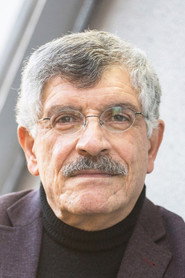 Hrant AlianakAdministrator
- Aino PirskanenMistaken Woman
Directing
- Atom EgoyanDirector
- Camelia FriebergFirst Assistant Director
Writing
- Allen BellScript Editor
- Atom EgoyanWriter
Production
- Atom EgoyanProducer
- Camelia FriebergProduction Manager