
Film
Godzilla vs. Biollante
A 1989 creature feature that fuses hard sci-fi concepts—genetic engineering, bioweapons, nuclear anxiety—with kaiju spectacle. Godzilla returns, but now he's fighting a rose-monster hybrid born from military overreach. It's genuinely strange, takes itself seriously, and moves with kinetic purpose. For fans who want their monster movies to feel dangerous and weird.
If you liked this
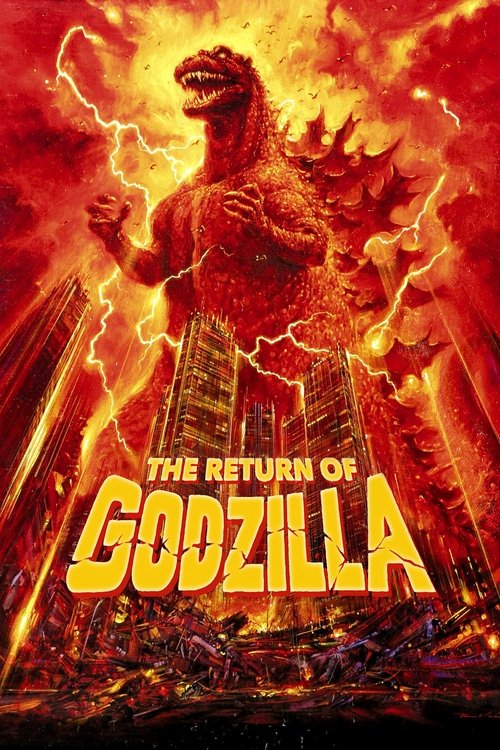
The Return of Godzilla1984
The direct predecessor that kicks off this continuity, stripping away camp to rebuild Godzilla as an unstoppable force of nature. Essential context, electrifying on its own terms.
But Slower-paced than its successor, with long stretches devoted to military strategy rather than creature action.
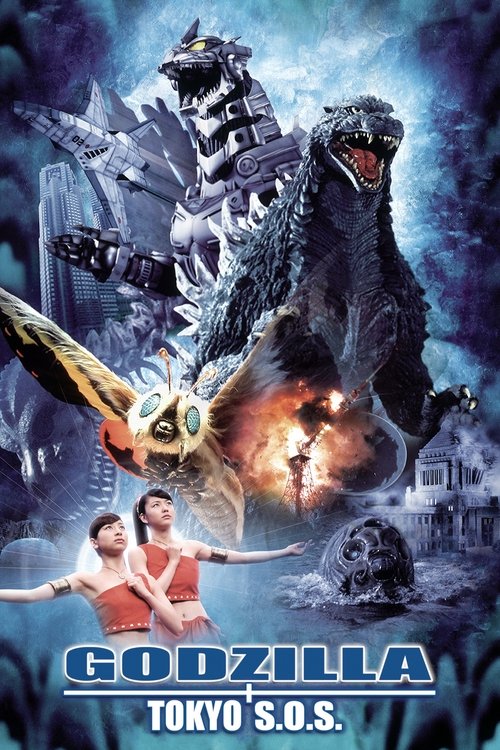
Godzilla: Tokyo S.O.S.2003
Another film that mines genuine dread from Japan's relationship with its own monster, then pivots into spectacular set-pieces. Sharp creature design, real stakes woven through the spectacle.
But Part of a trilogy; watching its immediate predecessor first helps, though you can follow the emotional core without it.
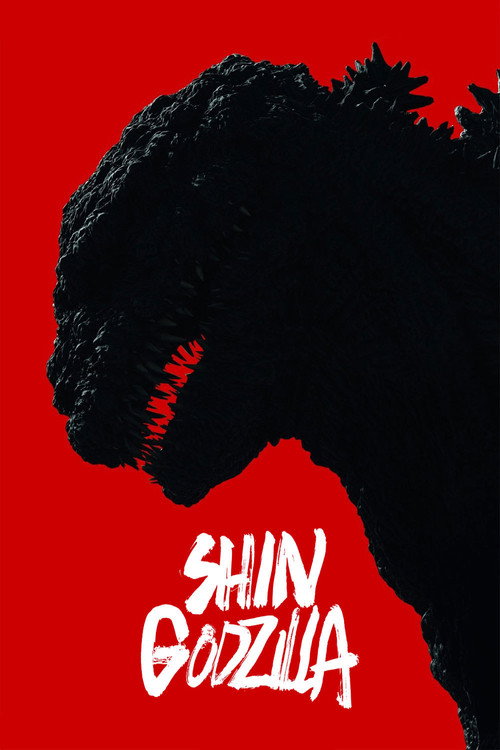
Shin Godzilla2016
Modern rebuild that treats Godzilla as a manifestation of bureaucratic failure and ecological catastrophe. Formally inventive, brutal, darkly funny. Elevates the formula.
But Deliberately ugly in places, with long sequences of talking-head crisis management instead of action.
Not sure tonight? Get a pick in a minute, starting from Godzilla vs. Biollante
The wildcard
Something you would not have found on your own.
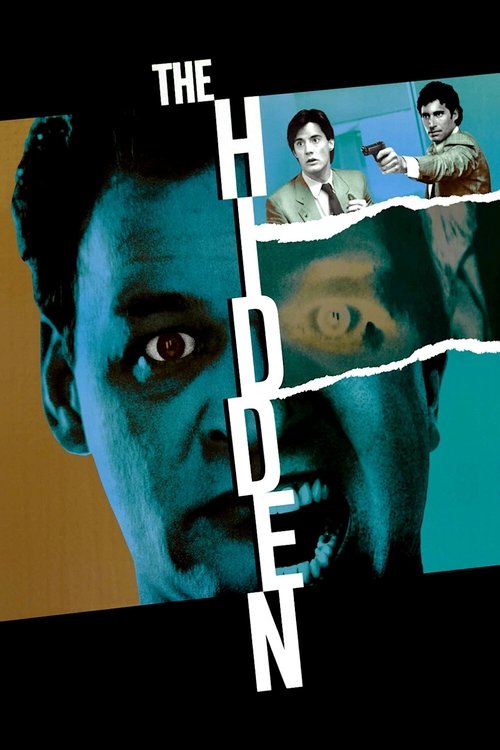
The Hidden1987
Both deploy mutation and genetic nightmare as real threats rather than excuses for spectacle. Both ask: what happens when human ambition makes something unkillable?
Body horror and invasion wrapped in an action thriller about parasitism and control. Shares Biollante's interest in mutation as violation, but told as a chase film. Tense, strange, unsettling in ways that linger.
But Graphic violence and sexual content; the creature design is genuinely grotesque, not heroic. Not a comfortable watch.
More like this (8)
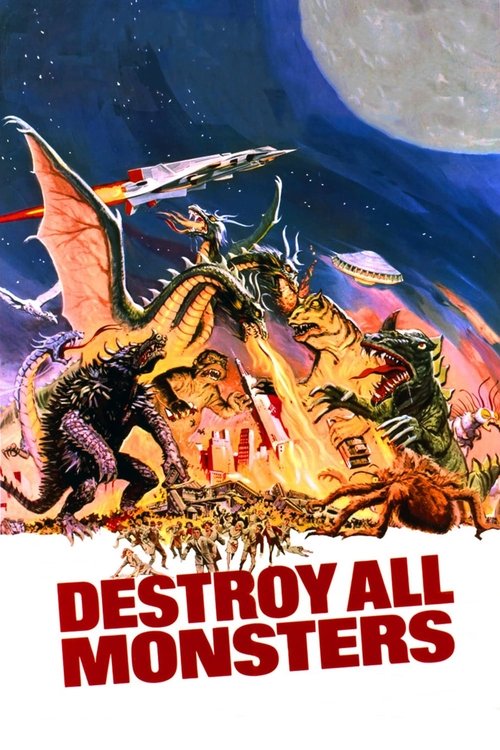
Destroy All Monsters1968
The maximalist answer: every monster in one film, coordinated destruction on a scale that still impresses. Pure joy, unashamed spectacle. Godzilla at his most mythic.
But Campy by design, with dialogue and dubbing that some find distracting rather than charming.
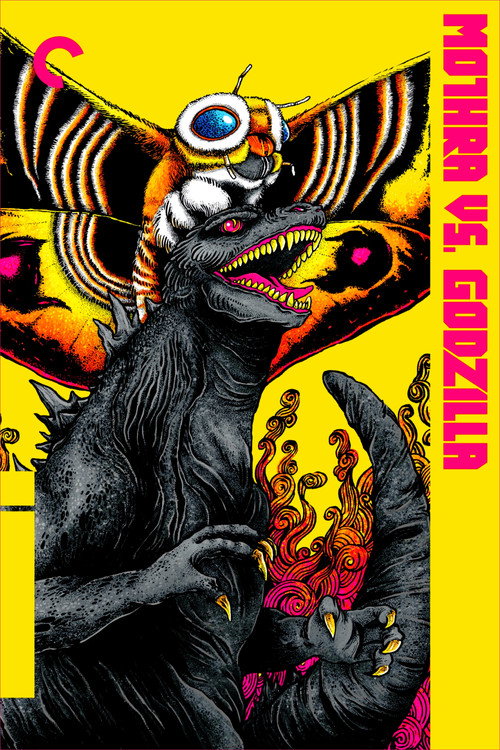
Mothra vs. Godzilla1964
A creature feature that works as genuine drama: grief, sacrifice, the cost of survival. Mothra is brilliant—an adversary that's not just bigger but morally different.
But Much slower than modern action films; the human story is the equal of the monsters, and some want monsters faster.
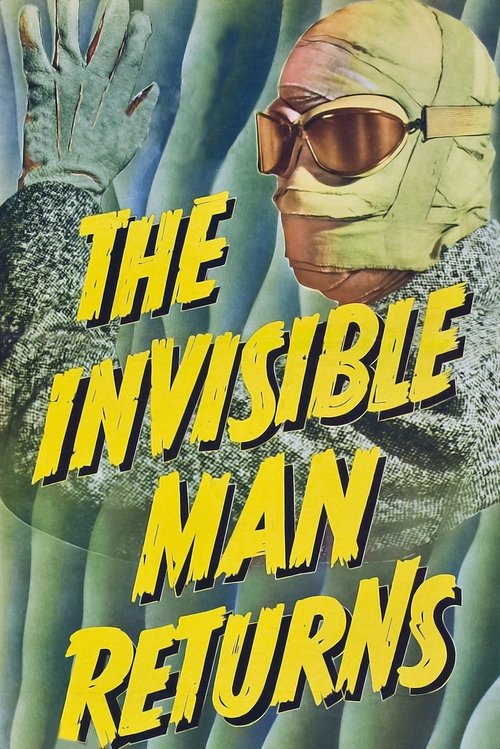
The Invisible Man Returns1940
A different-era creature film that understands dread and invisible threat the way Biollante understands biological horror. Lean, tense, genuinely creepy throughout.
But B-movie pacing; some sequences that read as filler by modern standards.
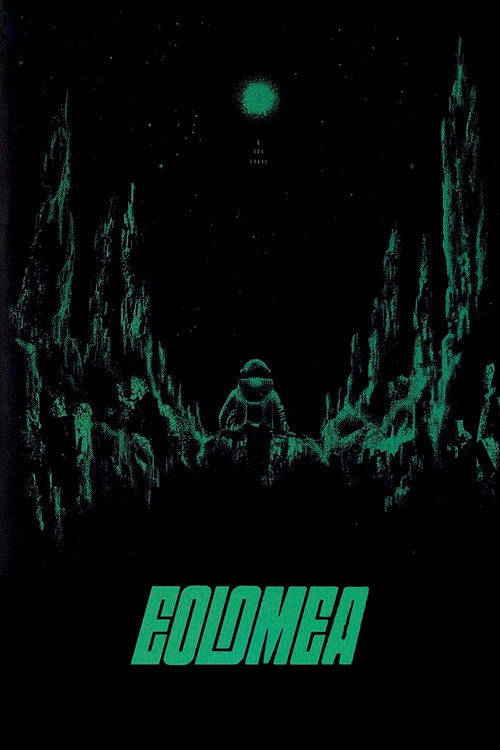
Eolomea1972
Soviet sci-fi that shares Biollante's willingness to be strange and formally unsettling. Mutation, evolution, and paranoia treated as genuine philosophical problems, not plot devices.
But Obscure and difficult; image quality variable, dialogue sparse. Not a film that grabs you—you have to lean toward it.
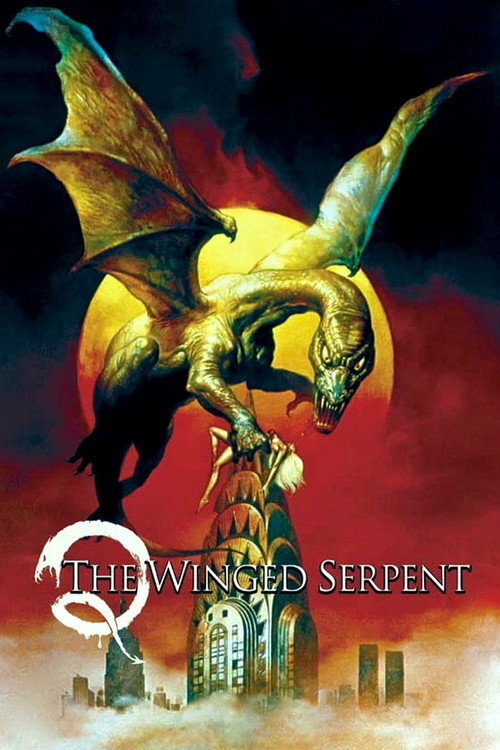
Q1982
1980s creature horror that marries intimate character work to large-scale monster mayhem. A flying dinosaur terrorizes New York, but the film's real interest is in why people matter.
But Low budget shows clearly; some dialogue scenes run long. The creature design is dated by modern standards.
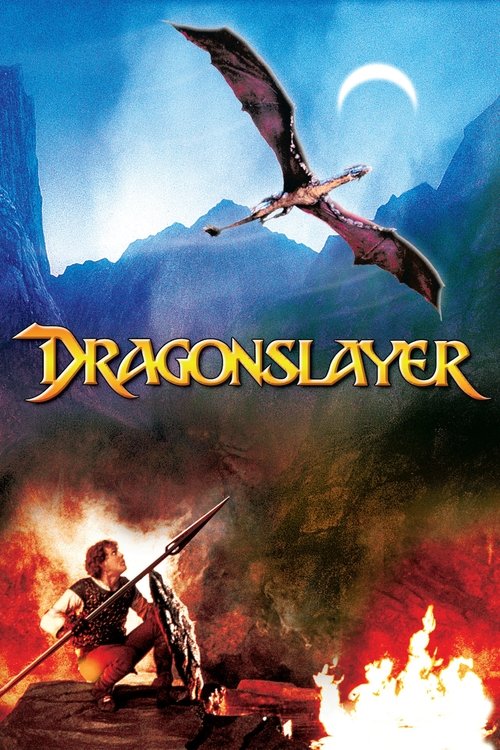
Dragonslayer1981
A creature film that takes its monster as seriously as Biollante does—scarred, intelligent, terrible. Practical effects of stunning craft. A real sense of scale and danger.
But Medieval fantasy rather than sci-fi; very deliberate pacing that some find meditative and others find slow.
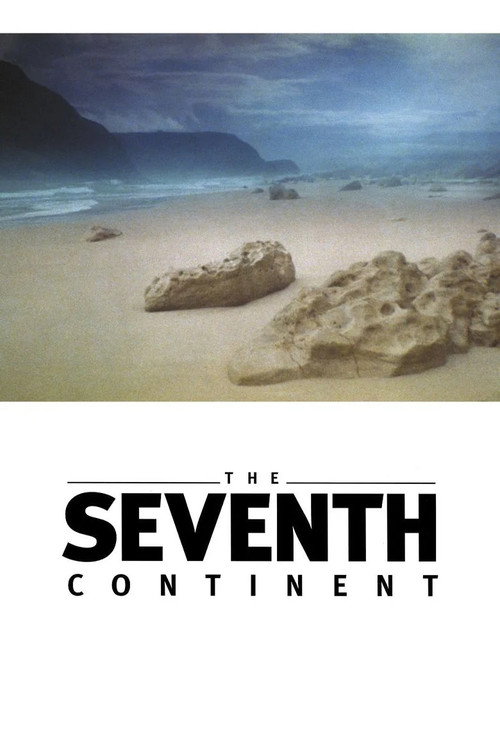
The Seventh Continent1989
Both treat extinction—biological, personal, existential—as inevitable and deserved. Both suggest that human ambition and despair are the real monsters.
Haneke's brutal minimalist film about a family's quiet self-destruction. Released the same year as Biollante, it's the inverse: no monsters, no spectacle, just the slow horror of choosing oblivion.
But Profoundly depressing and formally cold. Long static shots, minimal dialogue. It's an endurance test disguised as a film.
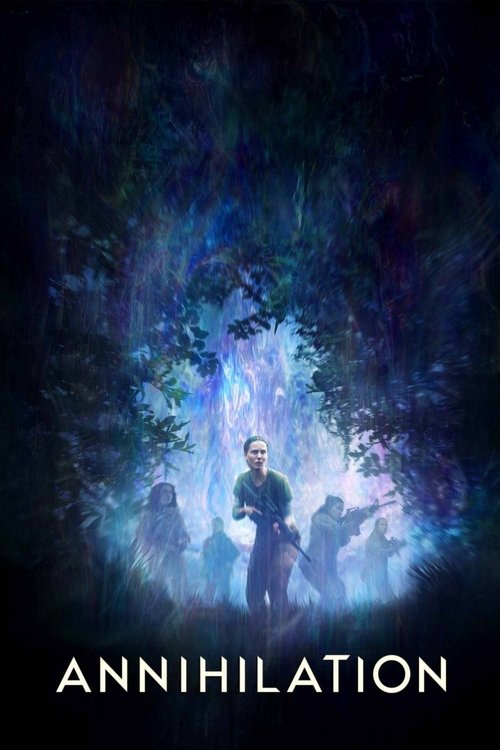
Annihilation2018
Both center on biological transformation as irreversible change. Both ask whether humanity can comprehend, let alone control, what it's unleashed.
Mutation and ecological catastrophe as cosmic mystery rather than military problem. Stunning visuals, genuine terror, an ending that refuses catharsis. A creature film that questions what we're even looking at.
But Quietly sci-fi and formally experimental; no clear heroes or victories. The ending baffles some viewers intentionally.
People
Cast
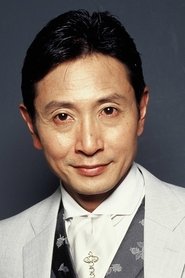 Kunihiko MitamuraKazuhito Kirishima
 Yoshiko TanakaAsuka Okouchi
 Masanobu TakashimaMajor Sho Kuroki
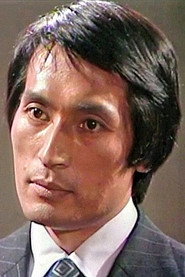 Kōji TakahashiGenshiro Shiragami
 Toru MinegishiLieutenant Goro Gondo
 Megumi OdakaMiki Saegusa
 Toshiyuki NagashimaDirector Seiichi Yamamoto
 Ryūnosuke KanedaAzuka's Father
- Kazuma MatsubaraSelf Defense Forces Officer
- Yasunori YugePrime Minister
 Yoshiko KugaPrime Minister's Wife
 Yasuko SawaguchiErika Shiragami
Directing
- Kazuki ŌmoriDirector
Writing
- Kazuki ŌmoriScreenplay
- Shinichi SekizawaStory
- Shinichiro KobayashiStory
Production
- Tadao TanakaCasting
- Tomoyuki TanakaExecutive Producer
- Shogo TomiyamaProducer
- Takahide MorichiProduction Manager
Recommended by
Godzilla vs. King Ghidorah, Mothra vs. Godzilla, Godzilla vs. Mothra