
Film
Godzilla vs. Mothra
A lean, propulsive kaiju film where Godzilla, Mothra, and the black-winged Battra converge in a three-way battle for Earth's fate. It's 1992 Toho at its most kinetic: bright, economical, seriously fun. For anyone who loves monsters, spectacle, or Japanese genre cinema operating at peak efficiency.
Should you watch it?
Watch it if you love big-screen monster brawls where the rubber suits and stomping matter more than the people, and you enjoy kaiju stories framed as mythic fights over the fate of the planet.
Skip it if you need human characters with real emotional weight, since the people here are functional stand-ins, and the tone wobbles toward goofy whenever the tiny fairies show up.
What it asks of you: A brisk hundred-odd minutes, with long stretches of stomping and a plot that moves in bursts, so settle in for spectacle rather than a slow build.
Not sure? Find tonight's pick in a minute.
If you liked this
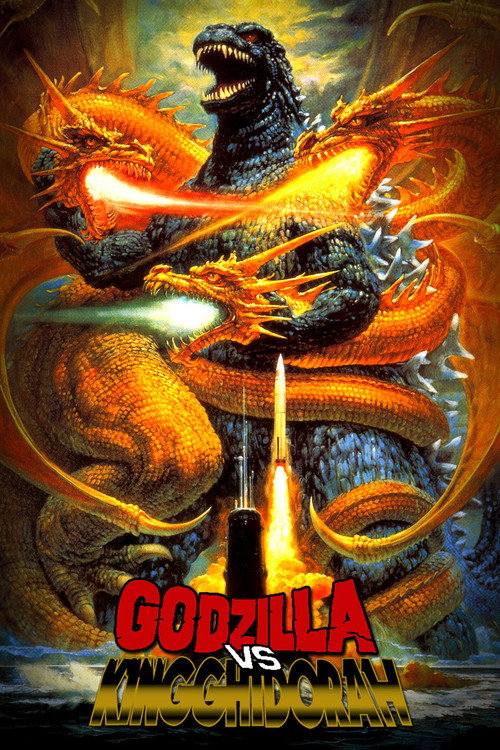
Godzilla vs. King Ghidorah1991
The predecessor that sets the template: time-travel plotting, multiple monsters, genuine stakes, and a Godzilla that feels genuinely formidable. Toho's Heisei series at its most inventive.
But The time-travel subplot can feel contrived, and the pacing occasionally stumbles between exposition and action sequences.
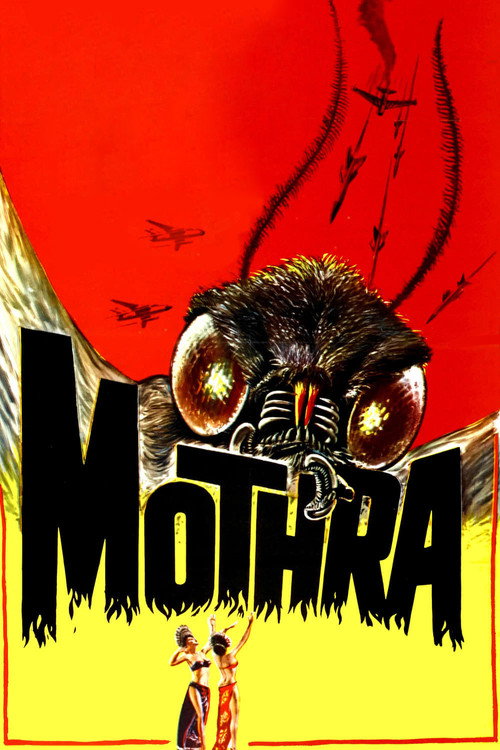
Mothra1961
The original Mothra in glorious black-and-white: operatic, weird, utterly committed to its mythology. Essential context for why Mothra matters, and proof the character has always been something special.
But It's slower and stranger than modern audiences expect, with a very 1960s view of colonialism and exploitation that hasn't aged gracefully.
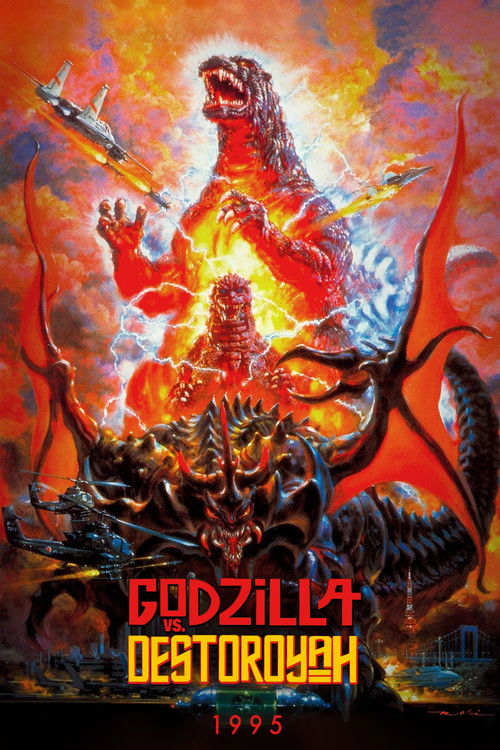
Godzilla vs. Destoroyah1995
The Heisei era's final act: genuine pathos mixed with colossal set-pieces, a genuinely weird and threatening new monster, and a Godzilla that feels ancient and doomed. Unexpectedly moving.
But The tonal shifts between spectacle and elegy can feel jarring. Some scenes lean hard into 90s melodrama that doesn't quite land.
Not sure tonight? Get a pick in a minute, starting from Godzilla vs. Mothra
The wildcard
Something you would not have found on your own.
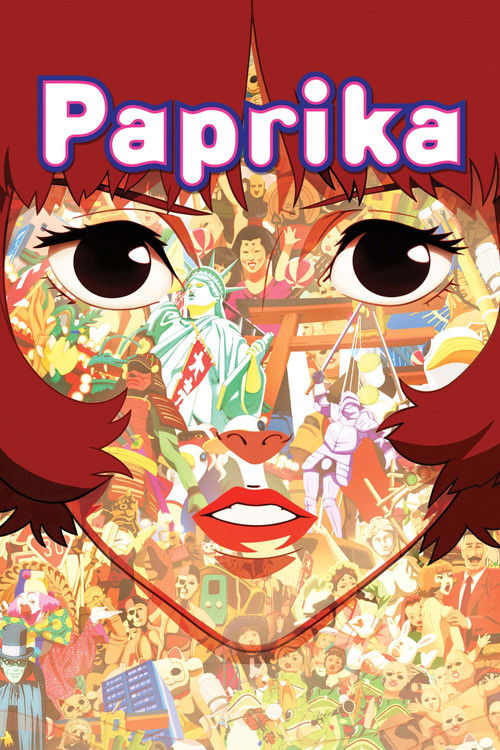
Paprika2006
Both films use spectacle and collision as metaphor: monsters crashing together as externalized internal forces, competing ideologies made visible.
Satoshi Kon's reality-bending fever dream shares Godzilla vs. Mothra's core DNA: multiple forces colliding, visual clarity amid chaos, genuine stakes beneath surreal imagery. It's the same engine in a radically different costume—a psychological thriller wearing kaiju colours.
But The narrative logic is deliberately dreamlike and sometimes impenetrable. If you need plot clarity above all else, this will frustrate you.
More like this (7)
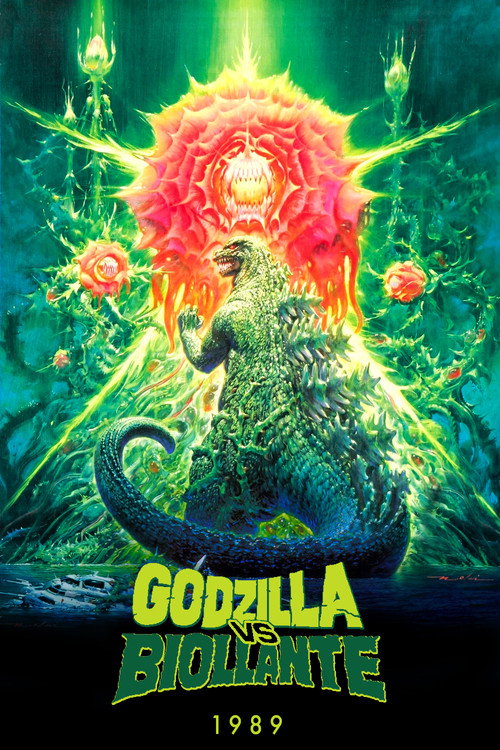
Godzilla vs. Biollante1989
Weird, ambitious, deliberately strange: a genetically engineered rose-monster hybrid that actually feels alien. The Heisei films' statement that Godzilla stories could be science-fiction proper, not just monster punching.
But It's genuinely odd in ways that don't always cohere. The subplot involving a private military corporation feels underdeveloped and sometimes confusing.
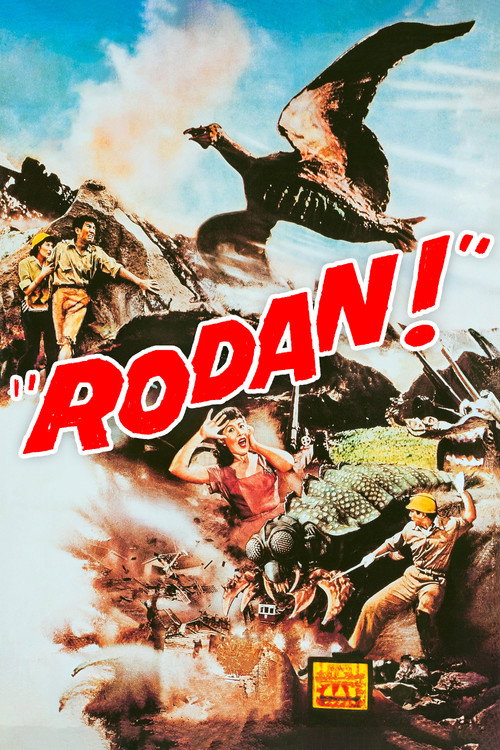
Rodan1956
A flying monster destroying a city in stunning Technicolor: pure Toho spectacle from the golden age. Enormously influential on every giant-monster film that followed, and still thrilling.
But The creature effects, while beautiful, move slowly. Long stretches of 1950s dramatic exposition test modern patience.
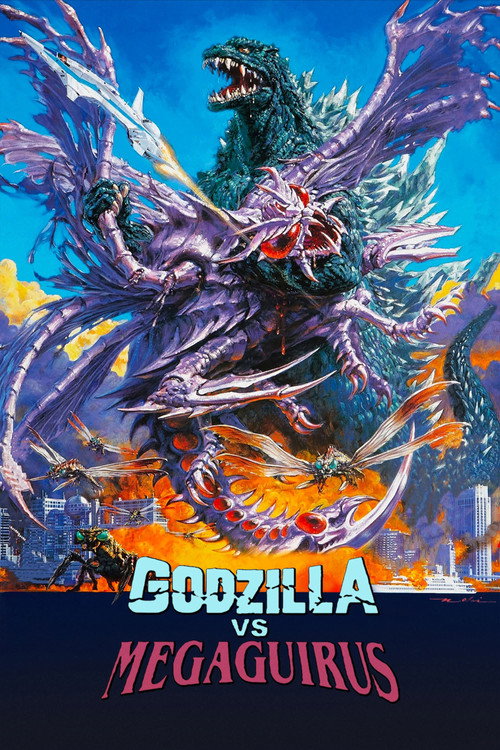
Godzilla vs. Megaguirus2000
A hyperkinetic, colourful reinvention that leans into absurdity and scale. If the 1992 film made you hungry for more three-way monster battles, this delivers with genuine visual invention.
But The tonal whiplash is severe: it can't decide if it's serious or campy, and the time-travel subplot is actively confusing.
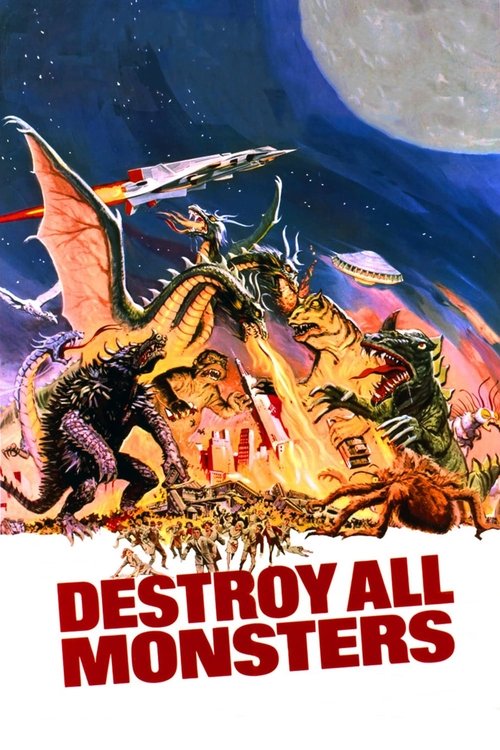
Destroy All Monsters1968
Toho's monster-film apotheosis: eleven creatures in one film, including Godzilla, Mothra, and King Ghidorah. A parade of everything the studio could do, made with absolute confidence and charm.
But It's deliberately pulpy and theatrical by modern standards. The plotting is thin and the pacing is leisurely; spectacle carries the day almost entirely.
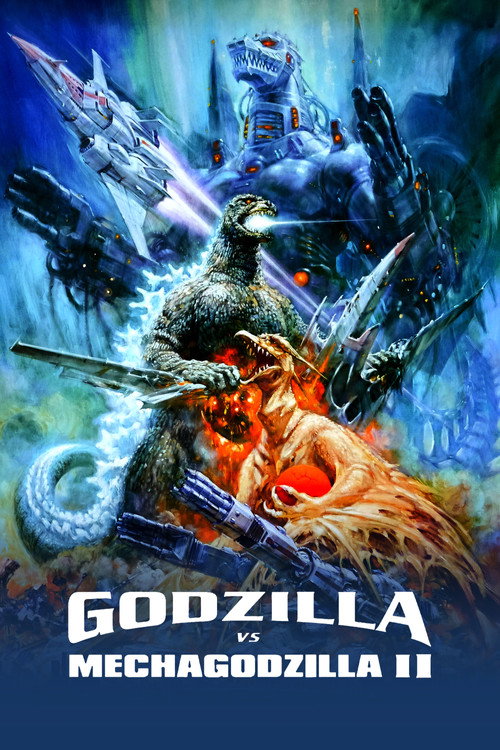
Godzilla vs. Mechagodzilla II1993
The direct sequel to your film: an even sleeker Toho product with a genuinely inspired antagonist and some of the era's best monster choreography. Comfort viewing for Heisei devotees.
But It retreads familiar Heisei ground without quite the invention of its predecessor. The plot involving a mechanical doppelgänger feels safer than it should.
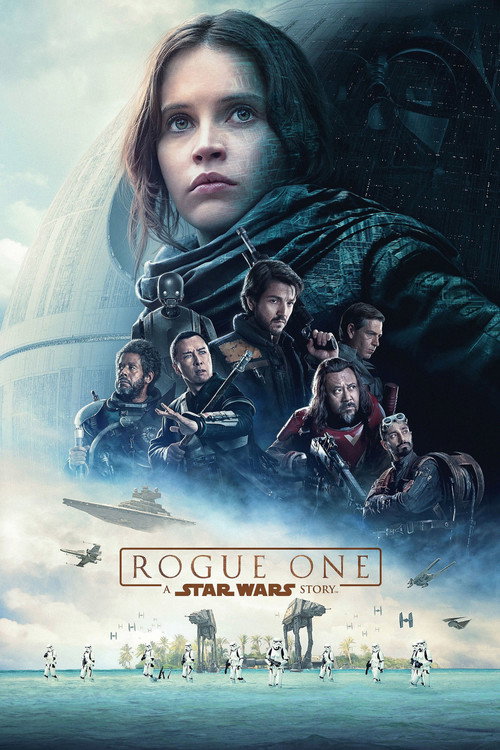
Rogue One: A Star Wars Story2016
Both films share the Heisei Godzilla's economy of storytelling: multiple competing forces, clear stakes, visual action prioritized over exposition. No wasted time.
A war film dressed as sci-fi: economical, propulsive, genuinely serious about its stakes. Like the 1992 Godzilla, it trusts the audience to follow multiple factions and moves with discipline and purpose.
But For Star Wars fans expecting character depth or humour: it's grim and functional, with minimal levity. If you wanted more pathos and less plot, you'll find it cold.
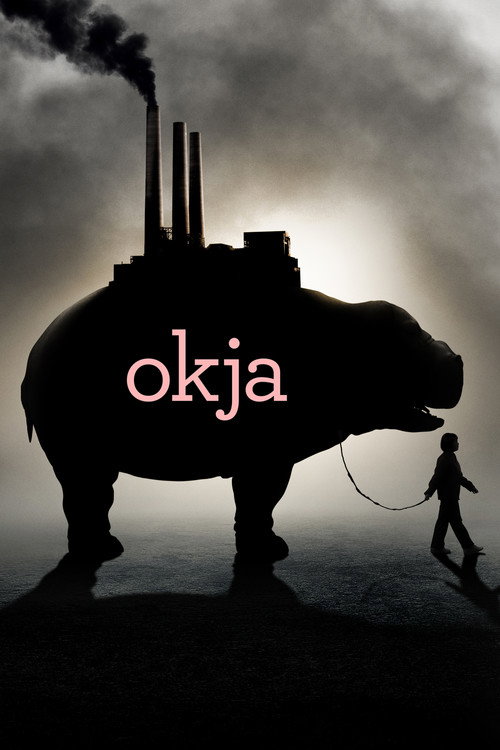
Okja2017
Both centre a protective monster-deity figure (Mothra/Okja) as Earth's agent against human exploitation. Both believe spectacle can serve moral clarity.
Bong Joon-ho's beast-film hybrid layers environmental allegory, corporate villainy, and genuine tenderness into a spectacle that moves like nothing else. Mothra's mythology—protection, sacrifice, the Earth fighting back—becomes the film's entire skeleton.
But It teeters between children's film and nightmare, and some viewers find that tonal instability unbearable. The CGI creature occasionally looks digital in ways that undermine the emotional stakes.
People
Cast
 Tetsuya BesshoTakuya Fujita
 Satomi KobayashiMasako Tezuka
 Takehiro MurataKenji Andoh
 Saburo ShinodaProfessor Fukazawa
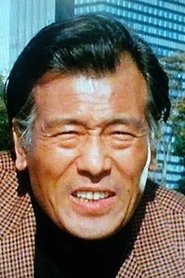 Akiji KobayashiYuzo Tsuchiashi
 Akira TakaradaEnvironmental Planning Board Chief Jyoji Minamino
- Makoto ÔtakeMarutomo Head Takeshi Tomokane
 Keiko ImamuraCosmos #1
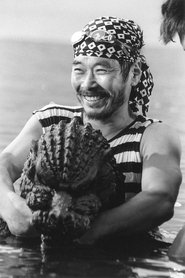 Kenpachirō SatsumaGojira
 Megumi OdakaMiki Saegusa
 Sayaka OsawaCosmos #2
 Koichi UedaMarutomo Employee
Directing
- Takao OkawaraDirector
- Kunio MiyoshiFirst Assistant Director
Writing
- Ishirō HondaLyricist
- Shinichi SekizawaLyricist
- Tomoyuki TanakaLyricist
- Kazuki ŌmoriScreenplay
- Akira MuraoStory
- Minoru YoshidaStory
- Tomoyuki TanakaStory
- Wataru MimuraStory
- Yukiko TakayamaStory
Production
- Tomoyuki TanakaExecutive Producer
- Shogo TomiyamaProducer
- Koji MaedaProduction Manager
- Takahide MorichiProduction Manager
Recommended by
Ghidorah, the Three-Headed Monster, Godzilla vs. King Ghidorah, Ultraman Tiga & Ultraman Dyna & Ultraman Gaia: The Battle in Hyperspace, Godzilla vs. Destoroyah, Ultraman Cosmos 2: The Blue Planet, Godzilla Against MechaGodzilla