
Film
Godzilla vs. Mechagodzilla II
A 1993 kaiju spectacular where humanity deploys Mechagodzilla—a towering mechanical doppelgänger—against Godzilla, while scientists race to understand a mysterious giant egg. It's earnest, inventive, and committed to its premise: watching two skyscraper-sized titans pummel each other with real stakes. Ideal for anyone who loves creature features, practical effects, or Japanese sci-fi adventure from cinema's pre-digital era.
Should you watch it?
Watch it if you love old-school kaiju spectacle, rubber suits, miniature cityscapes and sincere, slightly goofy stakes, the kind of monster brawl that treats every toppled tower as a small tragedy.
Skip it if you need fast pacing and sleek modern effects, since plenty of the runtime goes to talk in government offices and laboratories before the monsters finally collide.
What it asks of you: Patience for a slower, talkier opening, then a long stretch of city-wrecking action; about 108 minutes, and it rewards attention to the human side of the story.
Not sure? Find tonight's pick in a minute.
If you liked this
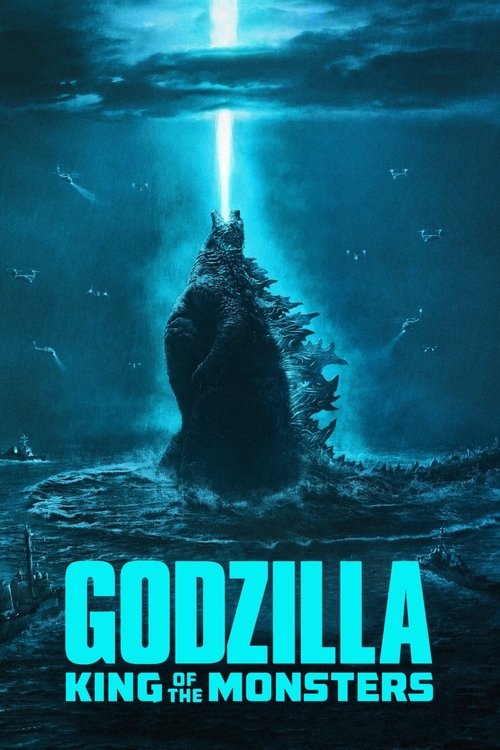
Godzilla: King of the Monsters2019
Modern blockbuster with the same setup—humanity's weapons prove inadequate against titanic monsters—but with contemporary effects and an ensemble cast caught between titans. Raw spectacle.
But Prioritizes destruction and noise over character development or plot coherence. Sometimes exhausting rather than exhilarating.
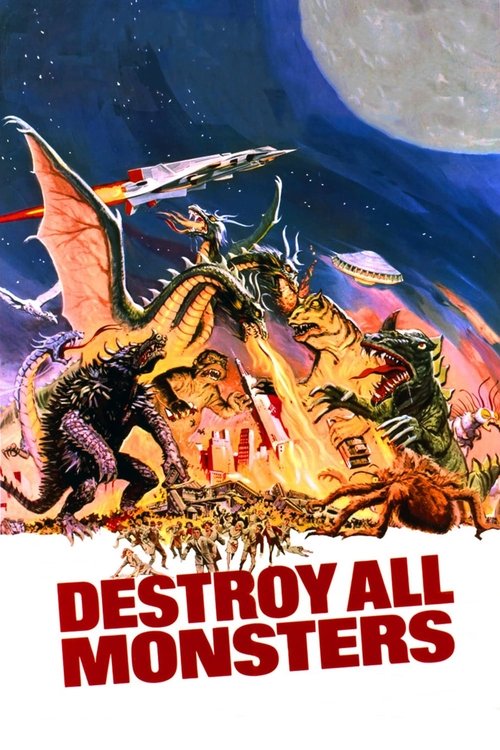
Destroy All Monsters1968
The 1968 predecessor that proved Toho could orchestrate multiple kaiju in one film without losing narrative momentum. A joy: confident, colorful, weird. Inspired everything after.
But Dubbed dialogue and a plot that exists mainly as scaffolding between monster fights. Some find the pacing slack by modern standards.
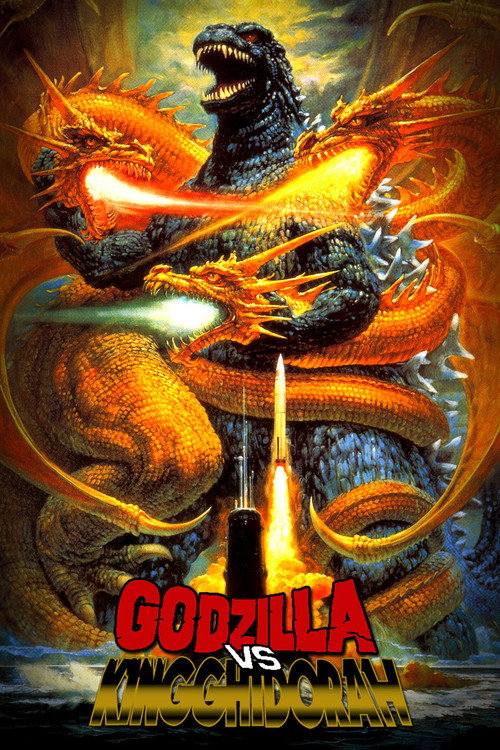
Godzilla vs. King Ghidorah1991
The film immediately before this one, with higher stakes and stranger ideas—time travel, alternate history, a three-headed space dragon. A genuine escalation. Sets up the sequel beautifully.
But Time-travel plotting gets convoluted. The tone lurches between horror and comedy in ways not everyone finds balanced.
Not sure tonight? Get a pick in a minute, starting from Godzilla vs. Mechagodzilla II
The wildcard
Something you would not have found on your own.
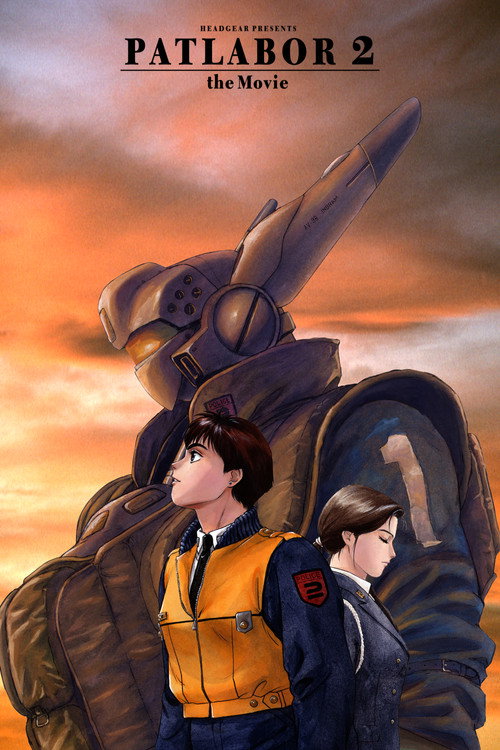
Patlabor 2: The Movie1993
Both are 1993 Japanese films grappling with the same year's technological anxiety—what happens when the weapons designed to save us become threats themselves. Mechagodzilla is the visceral version; Patlabor 2 is the intellectual one.
Released the same year, also a sequel about government mechas gone awry. Where Mechagodzilla leans into action-adventure, this is a philosophical espionage thriller about the weaponization of technology and the state's response to chaos. Utterly cerebral.
But Paced like a thinking person's film noir, not an action movie. Extended sequences of dialogue and political intrigue. The climax is a conversation, not an explosion.
More like this (6)
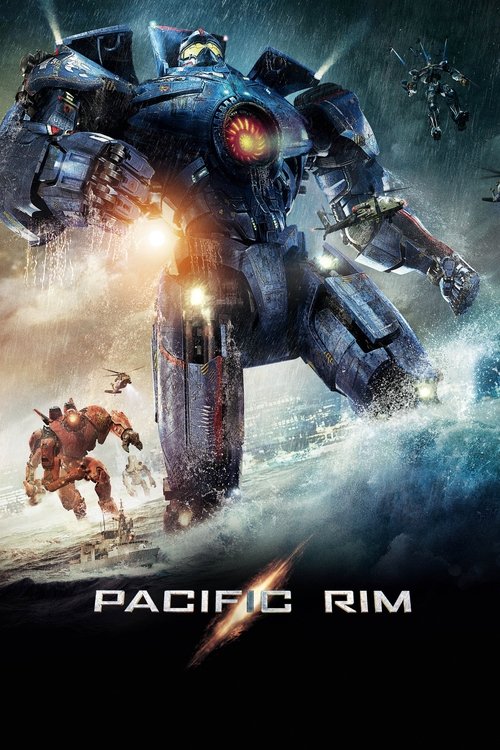
Pacific Rim2013
Giant robots fighting giant monsters—the premise made flesh by someone who understands why that's exhilarating. Guillermo del Toro's affection for the form is infectious. Imaginative design throughout.
But Plot is rote and characters thin. The third act resolves through pure spectacle rather than logic. Some dialogue lands with a thud.
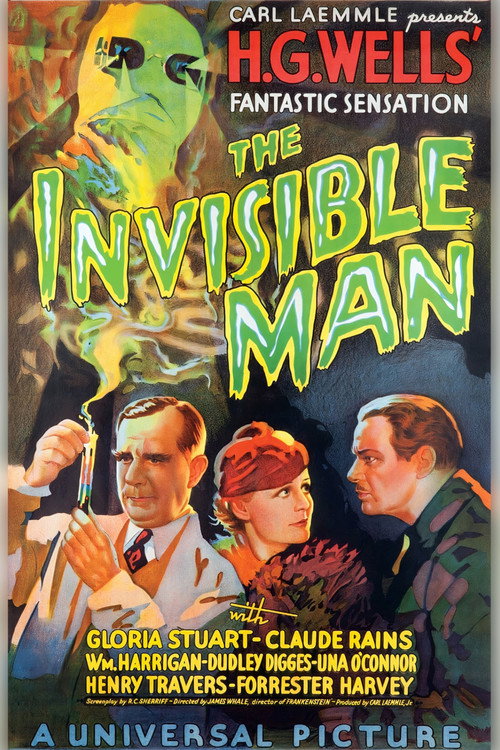
The Invisible Man1933
A scientist weaponizes an invention with catastrophic consequences—the same moral engine as Mechagodzilla. Faster-paced than you'd expect, with a mad performance from Claude Rains. Surprisingly violent.
But Black-and-white and seventy years old; the effects work is quaint now. Some comedy undercuts the horror in ways modern audiences find distracting.
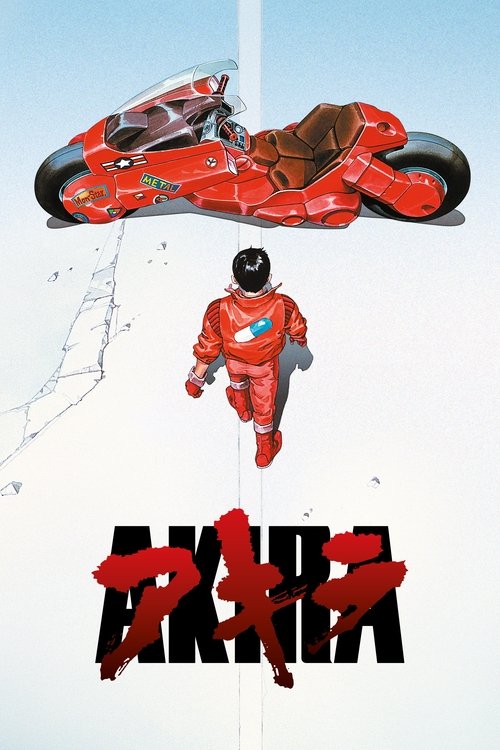
Akira1988
A Japanese sci-fi action film where government weapons cause apocalyptic damage and a teenage protagonist holds the key. Staggering animation, moral ambiguity, a synth score that burrows into your skull.
But Dense with exposition; the plot can feel opaque on first viewing. The ending divides viewers—some find it profound, others muddled.
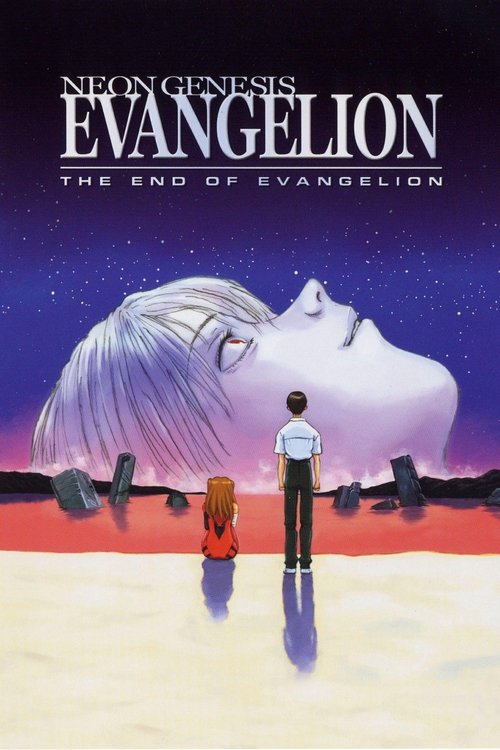
Neon Genesis Evangelion: The End of Evangelion1997
A recalibration of giant-robot-vs-existential-threat into something psychologically devastating. Radical in form and content, genuinely shocking. If you've seen the series, this recontextualizes everything.
But Graphic violence, sexual assault, and psychological anguish as art. Not cathartic; aggressively uncomfortable. Requires the TV series first.
Trespasser
Both pit humans against forces of nature they've tried (and failed) to control. But while Mechagodzilla shows the monster as the victim of our ambition, Trespasser shows nature as indifferent to our plans—no mercy, no story, just predation.
Steven Spielberg's dinosaur-infested nightmare about a group stranded in Jurassic Park's wild kingdom. No plot, no shield—just humans repeatedly failing to survive smarter, larger predators. Raw biological horror disguised as a thriller.
But Nearly devoid of character development and narrative momentum. Shot in a deliberately flat style; some call it boring. Third film in a franchise, but designed to feel like an outlier.
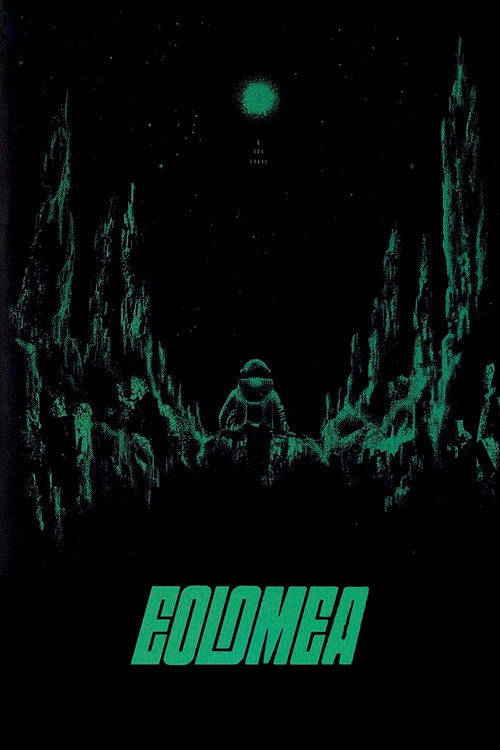
Eolomea1972
Both use a massive, foreign presence as a lens to examine human response and institutional failure. Mechagodzilla shows us building weapons; Eolomea shows us building theories. One is kinetic and visceral; the other is patient and cerebral—opposite temperaments, same nightmare.
A Czechoslovak sci-fi film about a massive, incomprehensible alien sphere entering Earth's orbit. Minimal plot, maximum dread. Constructed almost like a documentary of humanity's response. Hypnotic and uncanny in ways current blockbusters rarely attempt.
But Methodical to the point of stasis. No action. Long, static shots. Dialogue is sparse and philosophical. Most viewers will call it slow; some will call it meditative. You'll know within twenty minutes if you're one of them.
People
Cast
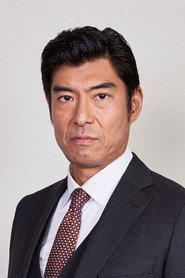 Masahiro TakashimaKazuma Aoki
 Ryoko SanoAzusa Gojo
 Megumi OdakaMiki Saegusa
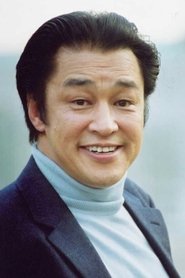
 Yūsuke KawazuProfessor Omae
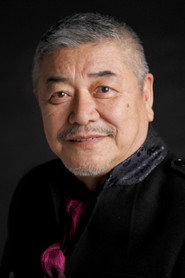 Akira NakaoCommander Takaki Aso
 Koichi UedaGeneral Hyodo
- Leo MeneghettiDr. Asimov
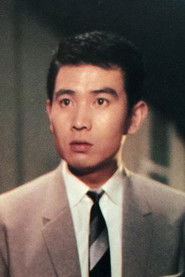 Kenji SaharaMinister Takayuki Segawa
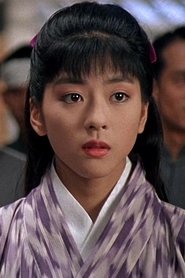 Shinobu NakayamaYuri Katagiri
 Sayaka OsawaPsychic Schoolteacher
Directing
- Kanzo UjinAction Director
- Atsushi KaneshigeAssistant Director
- Kômei KondôAssistant Director
- Masaaki TezukaAssistant Director
- Reji KurogawaAssistant Director
- Tomohiro MatsushitaAssistant Director
- Yosuke NakanoAssistant Director
- Takao OkawaraDirector
- Kenji SuzukiFirst Assistant Director
- Kunio MiyoshiFirst Assistant Director
- Kumiko IshiyamaScript Supervisor
Writing
- Wataru MimuraScreenplay
Production
- Fumio KojimaCasting Coordinator
- Tomoyuki TanakaExecutive Producer
- Shogo TomiyamaProducer
- Kiyomi KanezawaProduction Manager
- Koji MaedaProduction Manager
- Taro KojimaProduction Manager
- Ritsuko SuzukiPublicist