
Film
Neon Genesis Evangelion: The End of Evangelion
- Science fiction
- Drama
- Very dark
- Strange
A brutal, uncompromising finale to Evangelion's TV series. This is a film that concludes with actual consequences, trades giant robots for intimate psychological horror, and commits entirely to its bleak vision. It's for viewers who loved the show's philosophical depths and want to see where that rabbit hole truly ends.
Should you watch it?
Watch it if you love anime that treats a character's inner collapse as the real battlefield, and you don't mind a film that abandons conventional storytelling to get there.
Skip it if you need a self-contained story, since this assumes you know the series and leans hard on experimental imagery and punishing, claustrophobic dread.
What it asks of you: It runs about an hour and a half, but the pacing is uneven, with long stretches of silence, abrupt shifts into surreal stylized sequences, and bleak, relentless emotional pressure.
Not sure? Find tonight's pick in a minute.
If you liked this
Magia Record: Puella Magi Madoka Magica Side Story2020
A magical-girl show that deconstructs its own genre with surgical precision, building toward revelation and devastation. Like Evangelion, it uses spectacular visuals to mask profound despair.
But Only twelve episodes, but emotionally exhausting. The cuteness of the aesthetic masks something genuinely crushing.

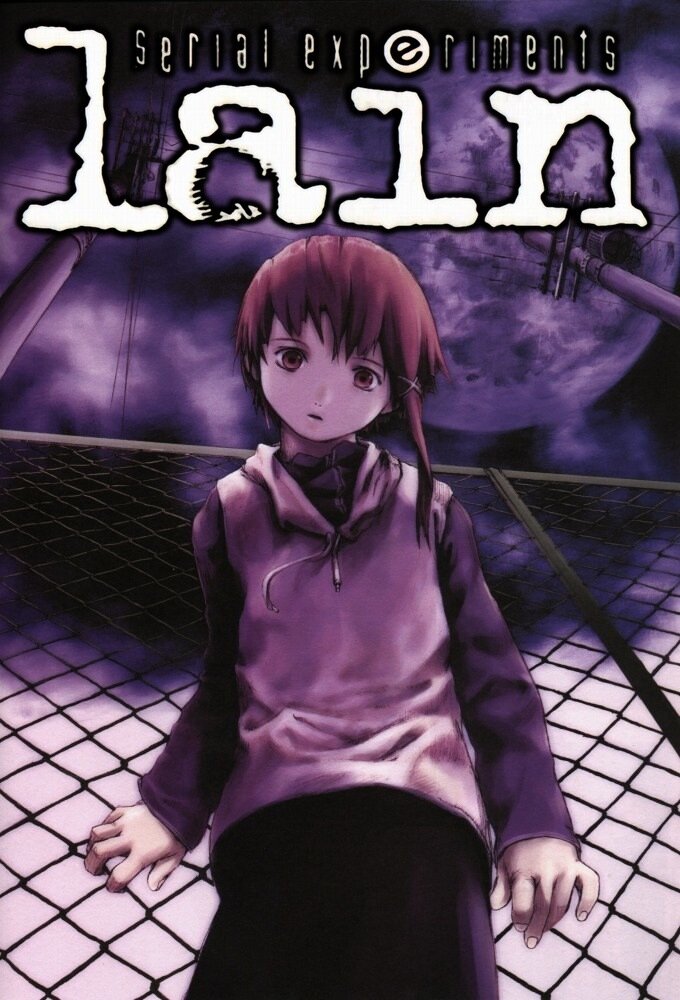
Serial Experiments Lain1998
Fragmented, elliptical, asks what it means to exist in networked consciousness. Prioritizes atmosphere and philosophical vertigo over clarity, just as End of Evangelion does.
But Deliberately opaque and repetitive. No one fully understands it on a first watch, which is intentional but frustrating.
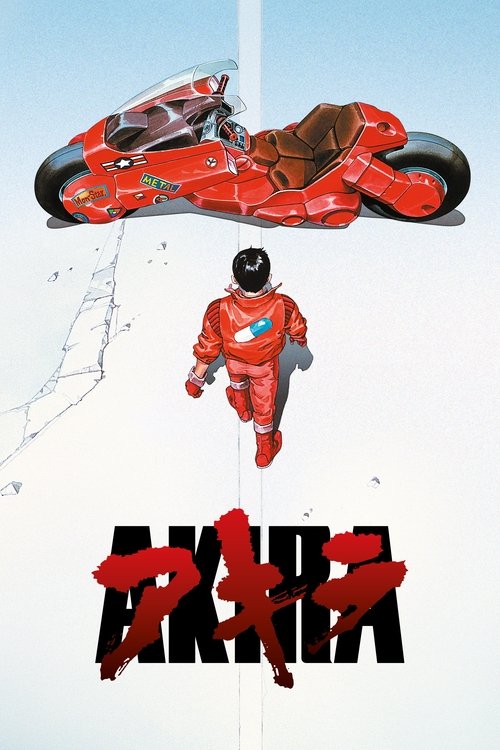
Akira1988
Post-apocalyptic anime that trusts you to piece together meaning from fragmentary images. Same visual ambition as End of Evangelion, same willingness to end ambiguously and coldly.
But The plot is genuinely hard to follow. Some find the deliberate obscurity exhausting rather than intellectually rewarding.
Not sure tonight? Get a pick in a minute, starting from Neon Genesis Evangelion: The End of Evangelion
The wildcard
Something you would not have found on your own.
Synecdoche, New York2008
Both collapse the boundary between subjective trauma and objective reality, using surrealism to literalize psychological states. Both suggest that consciousness itself might be a trap.
Charlie Kaufman's film about a theater director constructing an increasingly elaborate simulation of reality as he constructs a scale model of New York inside a warehouse. Same structural obsession with blending interior and exterior worlds, same willingness to destroy the protagonist's consciousness for metaphorical precision.
But Deliberately confusing and pessimistic about meaning-making. Actively hostile to linear narrative. Kaufman's voice is intensely his, which means it's not for everyone.

More like this (7)
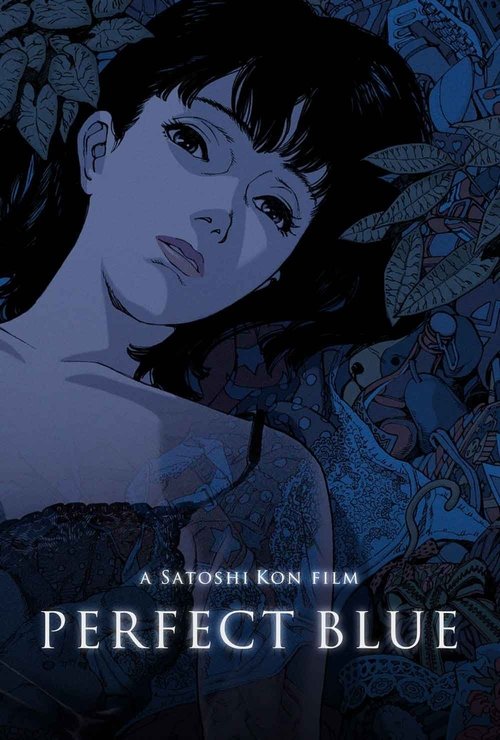
Perfect Blue1998
Satoshi Kon's psychological nightmare about identity fracture and violation. Shares End of Evangelion's willingness to make you deeply uncomfortable for artistic reasons.
But Contains sexual assault. Not gratuitous, but central enough that it's a real barrier for many viewers.
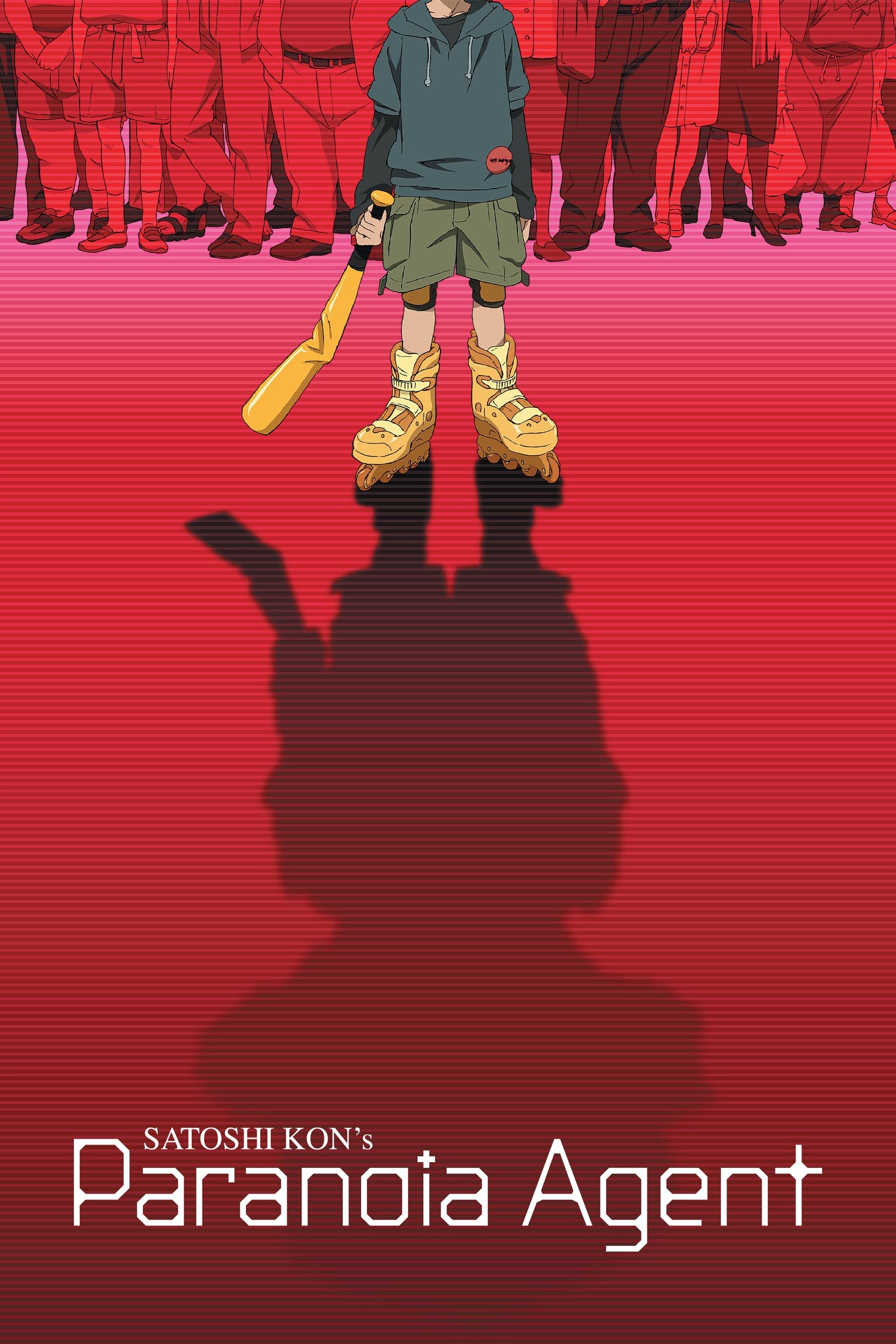
Paranoia Agent2004
Another Kon work: surreal, paranoid, builds toward a meta-narrative breakdown. If End of Eva's fractured final act spoke to you, this series goes further into chaos.
But Thirteen episodes of mounting confusion. Rewarding on reflection, but the first watch can feel deliberately obtuse.
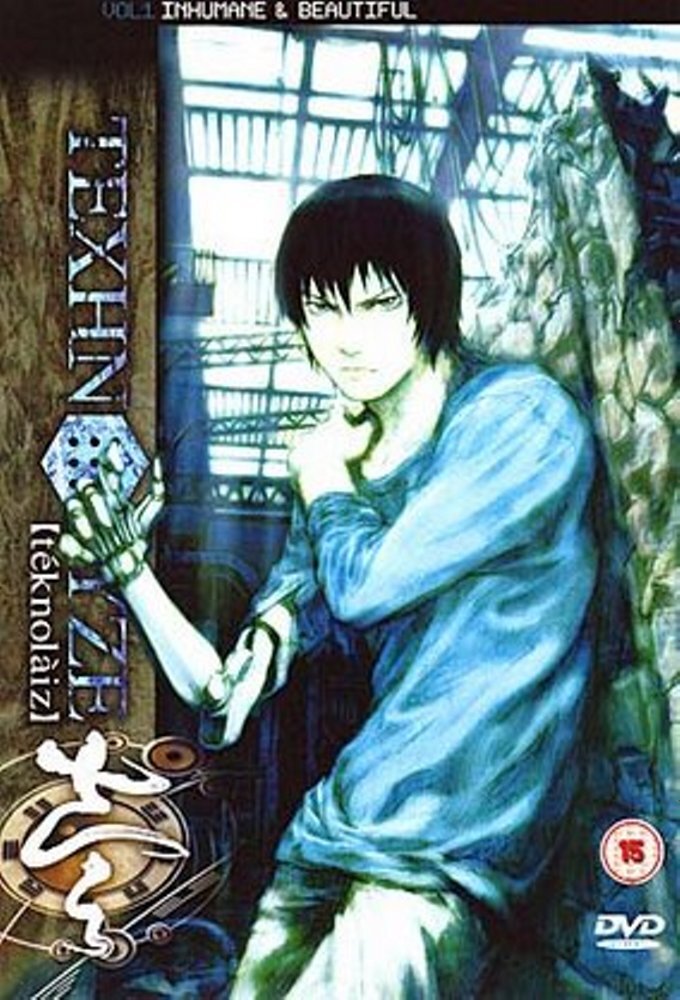
Texhnolyze2003
Bleak cyberpunk that prioritizes mood and silence over exposition. Slow-burn devastation with no heroic payoff, same moral emptiness as End of Evangelion.
But Very slow, very quiet. Episodes can feel like nothing happens. You have to be in the mood for patience and bleakness.
Boogiepop Phantom2000
Fragmented supernatural horror that refuses easy answers. Builds existential dread through dissonance and repetition, trusts the audience to sit with confusion.
But Deliberately cryptic and atmospheric in ways that can read as pretentious. The narrative payoff is minimal.

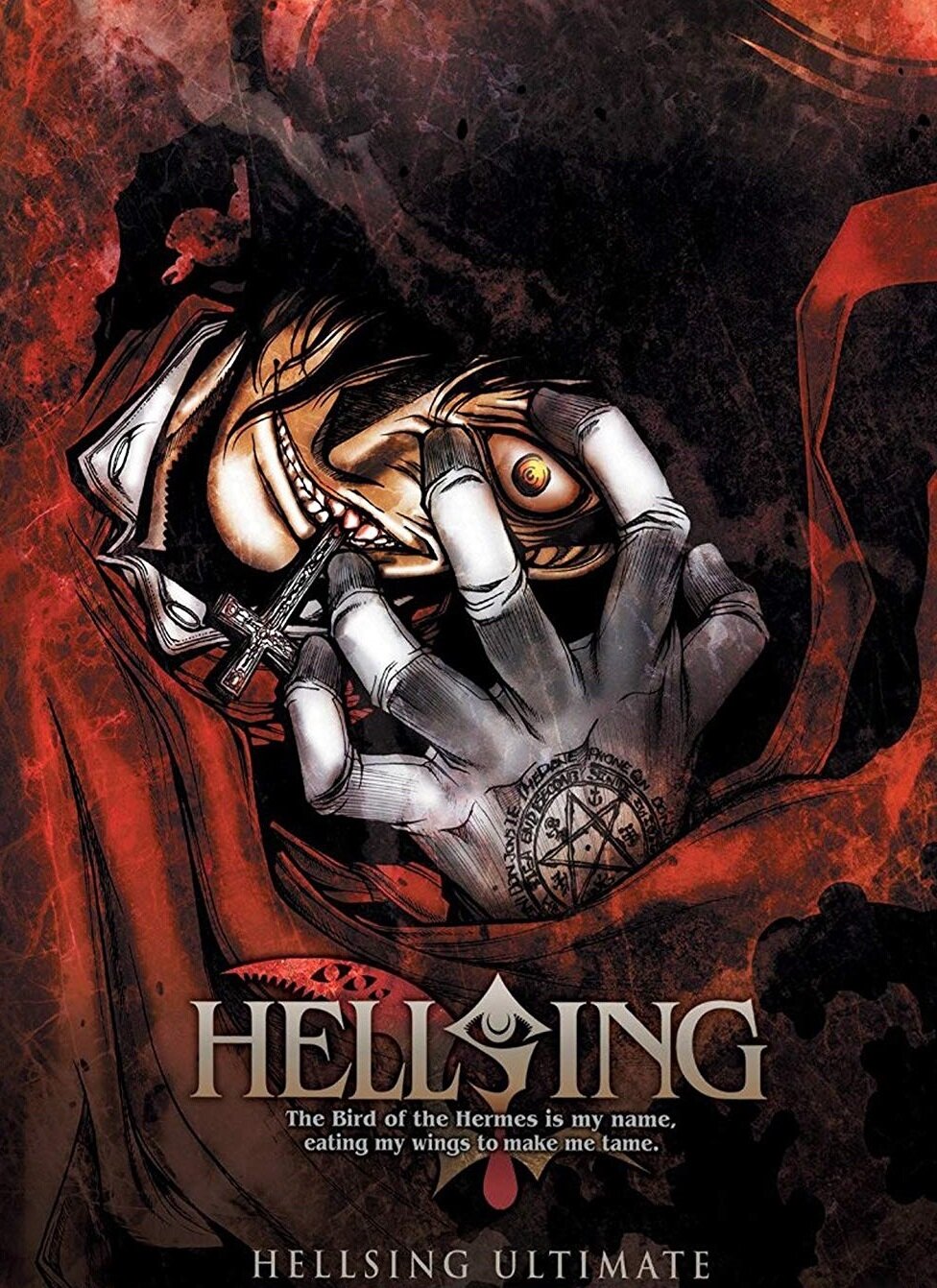
Hellsing Ultimate2006
Gothic action-horror with genuine philosophical stakes underneath the spectacle. Late episodes shift toward thematic density and moral ambiguity rather than resolution.
But The first half is pretty straightforward action-anime. It takes time to earn its complexity, which some find slow.
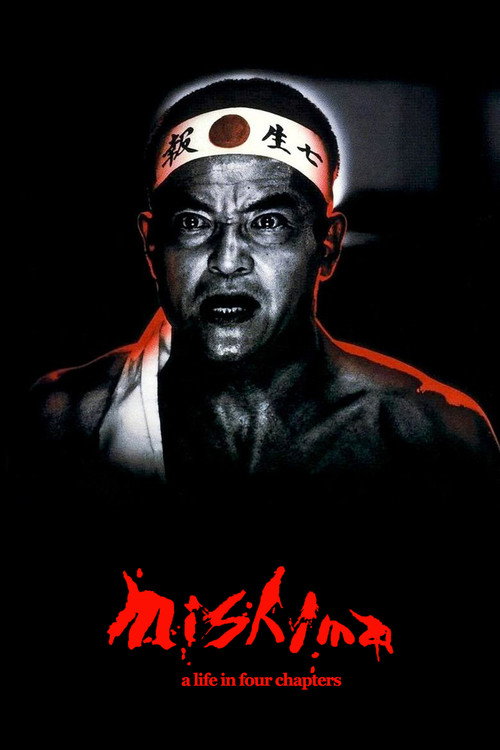
Mishima: A Life in Four Chapters1985
Both use animation/artifice to collapse external reality into psychological space. Both treat self-destruction as the only honest aesthetic choice available. Both refuse sentimentality about despair.
Paul Schrader's essay-film about obsession, beauty, and self-annihilation. Uses stylized theatrical sequences to inhabit Yukio Mishima's interior world rather than tell his story chronologically. Visually and thematically committed to the idea that aesthetics and death are inseparable.
But Challenging formally, meditative in pacing. Not a plot. You're required to feel comfortable with ambiguity and symbolic density.
The Holy Mountain1973
Both are apocalyptic visions that treat the body as a site of rupture and transformation. Both reject conventional narrative as inadequate to their spiritual vision. Both are experiences rather than stories to be consumed.
Jodorowsky's surrealist odyssey: dense, symbolic, stomach-turning, and completely committed to spiritual/psychological disintegration as artistic material. Doesn't explain itself. Trusts you to inhabit its logic rather than decode it.
But Graphic imagery including animal death, explicit sexuality, and scatological content. Genuinely difficult to watch. The philosophical ambitions don't cushion the visceral assault.

People
Cast
 Megumi OgataShinji Ikari (voice)
 Megumi HayashibaraRei Ayanami / Yui Ikari (voice)
 Kotono MitsuishiMisato Katsuragi (voice)
 Yuko MiyamuraAsuka Langley Soryu (voice)
 Fumihiko TachikiGendo Ikari (voice)
 Miki NagasawaMaya Ibuki (voice)
 Takehito KoyasuShigeru Aoba (voice)
 Hiro YuukiMakoto Hyouga (voice)
 Yuriko YamaguchiRitsuko Akagi (voice)
 Motomu KiyokawaKozo Fuyutsuki (voice)
 Akira IshidaKaworu Nagisa (voice)
 MugihitoKeel Lorenz (voice)
Directing
- Ken AndoAssistant Director
- Masahiko OtsukaAssistant Director
- MasayukiAssistant Director
- Hideaki AnnoDirector
- Kazuya TsurumakiDirector
- Hideaki AnnoSecond Unit Director
- Kazuya TsurumakiSecond Unit Director
Writing
- Hideaki AnnoOriginal Story
- Hideaki AnnoScreenplay
Production
- Hiroyuki YamagaExecutive Producer
- Miyuki NanriLine Producer
- Mitsuhisa IshikawaProducer
Recommended by
Evangelion: 3.0+1.0 Thrice Upon a Time, Jujutsu Kaisen 0, The Lovers on the Bridge, Hellbound, Godzilla, Mothra and King Ghidorah: Giant Monsters All-Out Attack, The New Mutants, Ultraman Tiga & Ultraman Dyna: Warriors of the Star of Light, Mega Monster Battle: Ultra Galaxy Legends The Movie, Godzilla vs. Mechagodzilla II, Evangelion: 3.0 You Can (Not) Redo, Six God Combination GodMars: The Movie, Gundam Wing: The Endless Waltz, Gamera 3: Revenge of Iris, Evangelion: 2.0 You Can (Not) Advance, The Suicide Shop