
Film
Evangelion: 3.0+1.0 Thrice Upon a Time
The final chapter of the Evangelion saga wraps a 25-year emotional odyssey in an apocalyptic meditation on trauma, connection, and letting go. After world-ending devastation, three broken teenagers find brief peace before facing what might be the actual end. It's as much therapy session as action film—visually stunning, philosophically dense, sometimes tender, occasionally brutal.
If you liked this
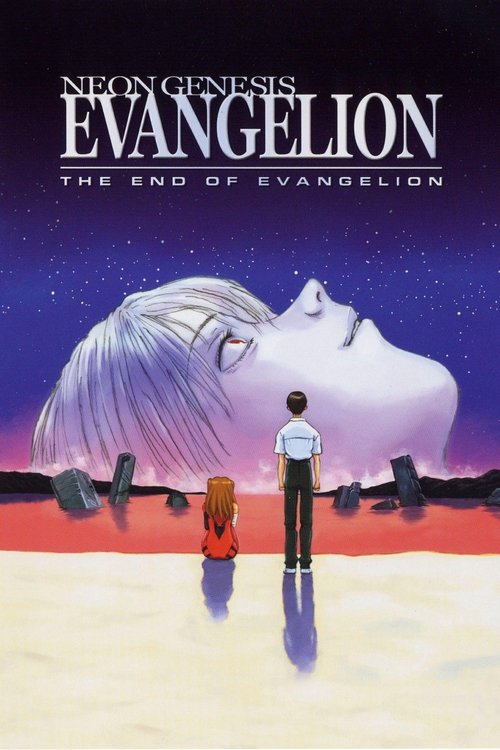
Neon Genesis Evangelion: The End of Evangelion1997
The original film conclusion to the series, equally brutal and cathartic. Completes the story the TV series couldn't finish, with a second-half spiral into surrealism that doesn't look away from despair.
But Graphically disturbing in ways that go beyond philosophical discomfort. More nihilistic than 3.0+1.0, and some will find its bleakness unearned rather than earned.
A Silent Voice: The Movie2016
Another anime feature about profound isolation and the ache of connection. Quieter than Evangelion, but shares its conviction that healing requires facing what you've done and accepting forgiveness.
But The comparison stops at emotional depth. This is warmer, more hopeful, less philosophical—some may find it too conventionally resolved.

Magia Record: Puella Magi Madoka Magica Side Story2020
A deceptively cute magical-girl show that becomes a deconstruction of the form, operating in similar psychological territory. Brilliant exploitation of anime's potential for tonal whiplash.
But Only 12 episodes, so the payoff feels rushed if you're chasing Evangelion's 25-year investment. The show's genius is concentrated in ways that don't suit everyone.

Not sure tonight? Get a pick in a minute, starting from Evangelion: 3.0+1.0 Thrice Upon a Time
The wildcard
Something you would not have found on your own.
Ikiru1952
Both are about people stripped of purpose discovering what actually matters in the wreckage of their lives. The form differs radically, but the spiritual DNA is identical.
Kurosawa's masterpiece about a dying bureaucrat searching for meaning in a meaningless job. Not science fiction or anime, but the emotional core—how to find worth when systems have already decided you have none—is pure Evangelion.
But Black-and-white Japanese cinema from 1952 moves slowly and requires surrender to mood. Modern viewers often find it austere.

More like this (6)
Carole & Tuesday2019
A Watanabe space-opera about two girls finding connection through music on Mars. Lighter than Evangelion's apocalypse, but explores similar themes of finding meaning and belonging in an indifferent universe.
But Tonal whiplash between romance, music, and AI dystopia. Some episodes prioritize spectacle over coherence, which works beautifully when it lands and frustrates when it doesn't.

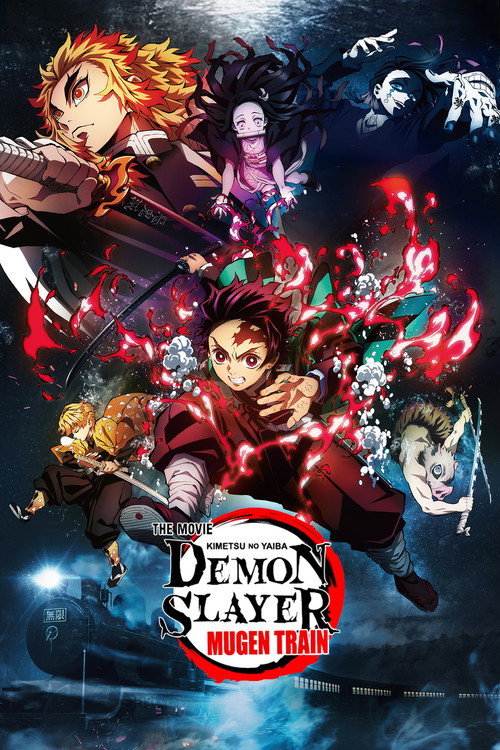
Demon Slayer -Kimetsu no Yaiba- The Movie: Mugen Train2020
If you need a palate cleanser after Evangelion's wreckage. Phenomenal animation, clear narrative stakes, genuine warmth. Proves anime films can be both commercially massive and artistically serious.
But Straightforward action-shonen storytelling offers no philosophical complexity. After Evangelion's ambiguity, this clarity may feel hollow.
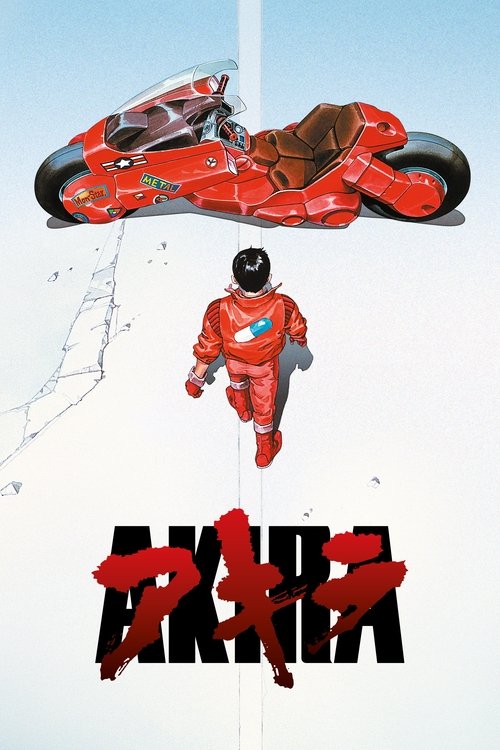
Akira1988
Cyberpunk apocalypse that defined anime's visual language. Shares Evangelion's sense of youth powerless against massive systems and their own abilities. Influence ran deep.
But Famously convoluted plot becomes harder to parse on first viewing. The ending prioritizes spectacle over clarity, which works only if you surrender to mood.
Ghost in the Shell: Stand Alone Complex2002
Philosophical sci-fi about identity and consciousness wrapped in brilliant spy-action. Thoughtful, gorgeous, and feels like spending time with brilliant characters thinking out loud.
But Episodic structure means the first half is procedural before the deeper mythology emerges. Some patience required before it becomes essential.

Revolutionary Girl Utena: The Movie1999
Both are visionary directors using anime as a weapon to destroy the form itself. Both refuse conventional narrative structure as a deliberate artistic choice about how trauma scrambles comprehension.
A surrealist deconstruction of anime itself, made by Kunihiko Ikuhara who was steeped in Evangelion's production. Deliberately nightmarish, deliberately fractured. If you're ready to sit in confusion and let meaning emerge sideways.
But Aggressively weird and opaque. Even fans disagree on what it means. The narrative actively resists clarity, which is the point and also a very high barrier.

A Man Escaped1956
Both understand that apocalypse—personal or global—is survived through small choices and attention. Both believe something sacred hides in patient incremental action and in the bonds formed under extreme pressure.
Robert Bresson's chamber film about a prisoner methodically planning escape. Sounds distant from Evangelion, but it's equally about endurance, the meditation of repetitive action, and the strange grace of perseverance in impossible situations.
But Austere, minimalist, almost no dialogue, hyperfocus on hands and objects. Bresson's spiritual realism feels like the opposite of anime maximalism.

People
Cast
 Megumi OgataShinji Ikari (voice)
 Yuko MiyamuraAsuka Shikinami Langley (voice)
 Maaya SakamotoMari Makinami Illustrious (voice)
 Megumi HayashibaraRei Ayanami / Yui Ikari (voice)
 Kotono MitsuishiMisato Katsuragi (voice)
 Yuriko YamaguchiRitsuko Akagi (voice)
 Tomokazu SekiToji Suzuhara (voice)
 Tetsuya IwanagaKensuke Aida (voice)
 Junko IwaoHikari Horaki (voice)
 Miki NagasawaMaya Ibuki (voice)
 Koki UchiyamaRyōji Kaji (voice)
 Fumihiko TachikiGendo Ikari (voice)
Directing
- Daizen KomatsudaAssistant Director
- Ikki TodorokiAssistant Director
- Linto UedaAssistant Director
- Norichika ObaAssistant Director
- Toko YatabeAssistant Director
- Hideaki AnnoDirector
- Katsuichi NakayamaDirector
- Kazuya TsurumakiDirector
- Mahiro MaedaDirector
Writing
- Hideaki AnnoOriginal Story
- Hideaki AnnoScreenplay
Production
- Hideaki AnnoExecutive Producer
- Tomoyuki OgataExecutive Producer
- Yukiyo YamashiroProduction Assistant
- Takatoshi OkajimaProduction Supervisor
Recommended by
Summer Wars, Gurren Lagann The Movie: Childhood's End, Ultraman Tiga: The Final Odyssey