Television series
Ghost in the Shell: Stand Alone Complex
Before prestige TV took cyberpunk seriously, this did — a procedural about a black-ops cyborg unit hunting hackers and terrorists, told through case-of-the-week mysteries that slowly build into a paranoid, political conspiracy arc. It's cerebral, occasionally very violent, and endlessly curious about what a self even is once memories can be edited.
If you liked this
Psycho-Pass2012no page yet
The clearest heir to Section 9's DNA — a future Tokyo policed by an algorithm that judges your criminal potential before you act, with the same interest in what justice means once machines do the judging.
But More overtly bleak and violent, and the philosophy sometimes arrives as lecture rather than plot.
Cowboy Bebop1998
Same era, same restless genre-blending energy — bounty hunters drifting through a solar system full of noir, westerns and jazz, held together by melancholy rather than mythology.
But Looser and funnier than SAC, with far less interest in hacking or political conspiracy.

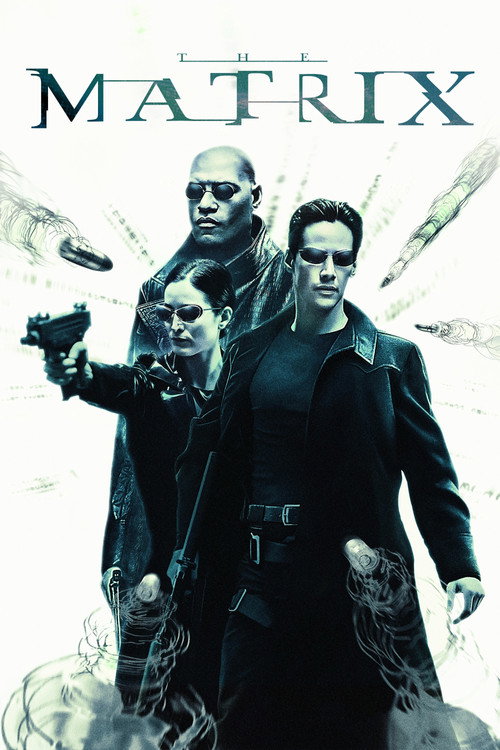
The Matrix1999
The Western cousin — hacking, stolen identity, and a reality that turns out to be optional, wrapped around some of the best action choreography ever put on film.
But Its philosophy is simpler and more mythic, closer to a hero's journey than a procedural.
The wildcard
Something you would not have found on your own.
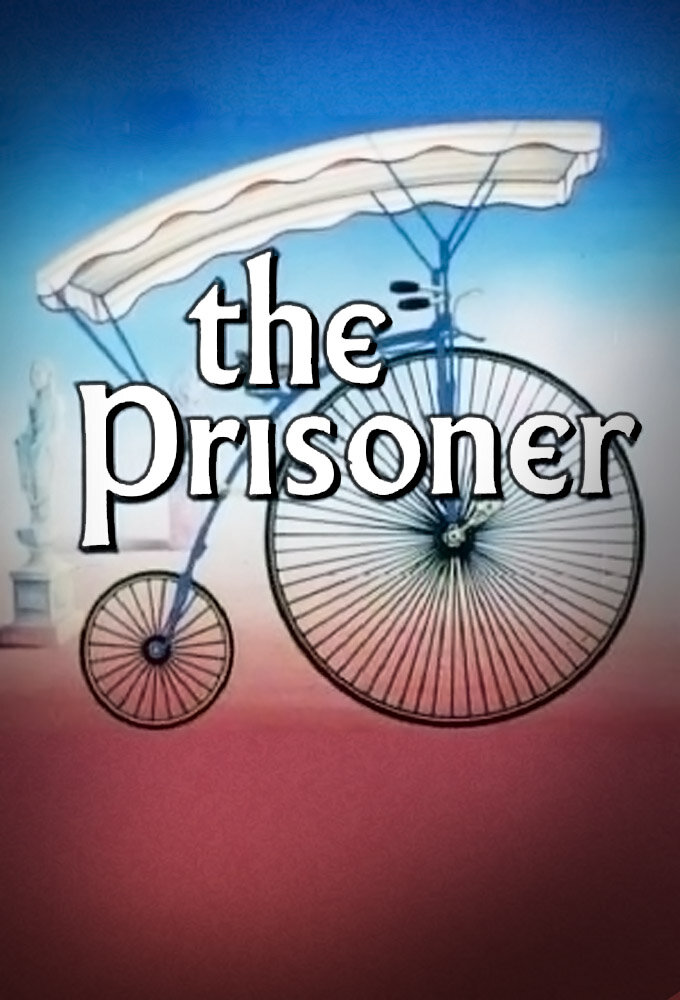
The Prisoner1967
Both ask what remains of a person once an organisation decides to own their mind; Number Six's refusal to be reduced to a number is Kusanagi's search for her ghost, sixty years earlier and without a single computer onscreen.
A former spy is trapped in an idyllic village that will not let him resign, interrogated endlessly about who he really is — surveillance and identity paranoia decades before anyone had a modem.
But Very much a product of the 1960s — theatrical, stagey, and deliberately cryptic to the point of frustration.
More like this (8)
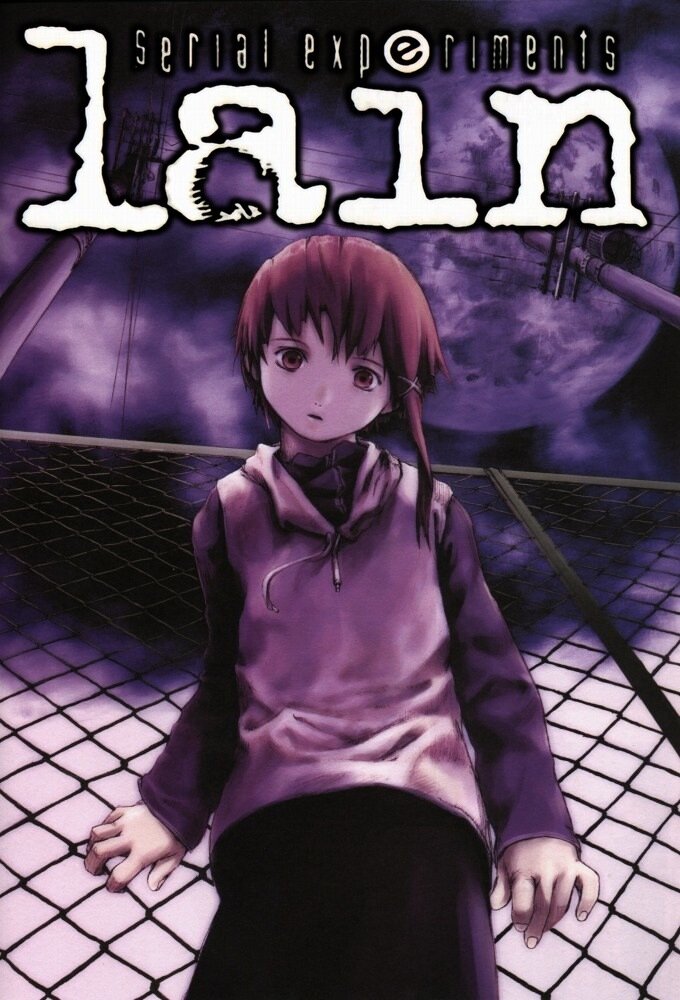
Serial Experiments Lain1998
A stranger, quieter obsession with the same question SAC keeps circling: if enough of you exists online, what's left that still counts as you?
But Deliberately disorienting and slow — this is mood and dread over plot, with almost no action.
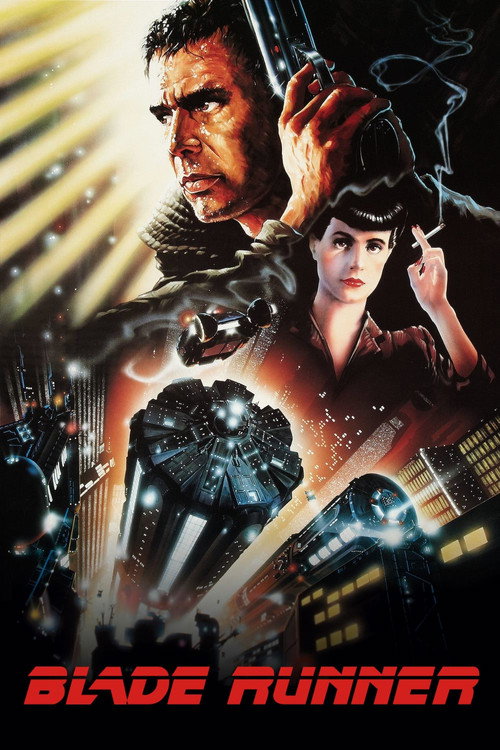
Blade Runner1982
The granddaddy of the genre — rain-soaked future noir asking whether artificial minds deserve to be treated like real ones, an idea SAC inherited wholesale.
But Glacially paced by modern standards, and its answers are more ambiguous than SAC's.
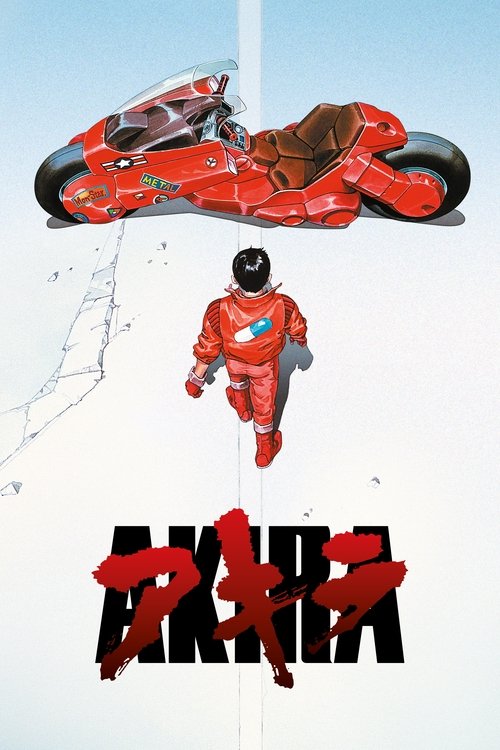
Akira1988
The anime that made this whole aesthetic possible — bike gangs, government cover-ups, bodies pushed past their limits — with an anger SAC trades for procedure.
But Louder and more chaotic, far less interested in careful plotting than in sheer sensory overload.
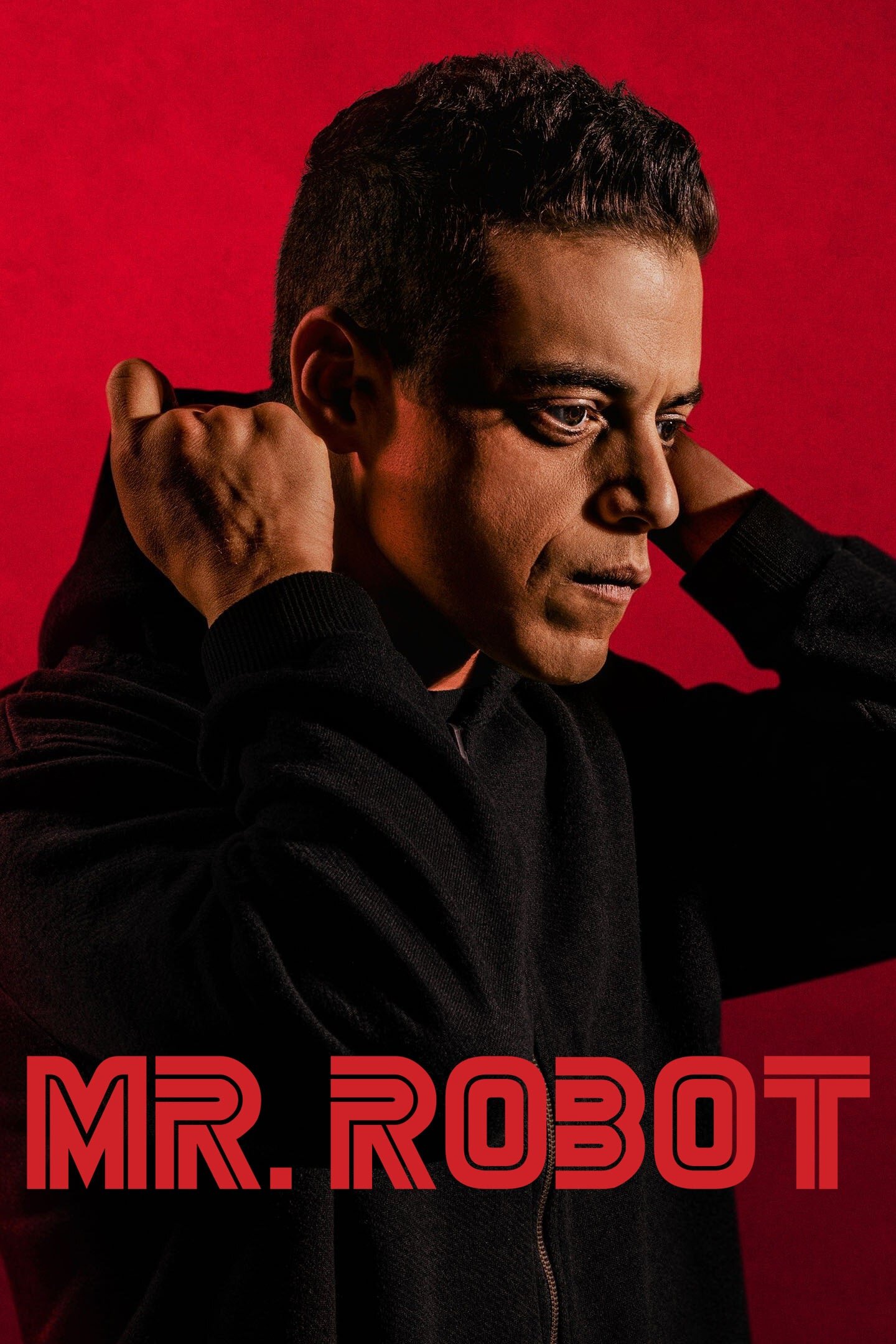
Mr. Robot2015
Swap cyborgs for a paranoid hacker in a hoodie and you get the same fascination with identity fracturing under the pressure of technology and conspiracy.
But No science fiction trappings at all — this is grounded, present-day hacking, not future warfare.
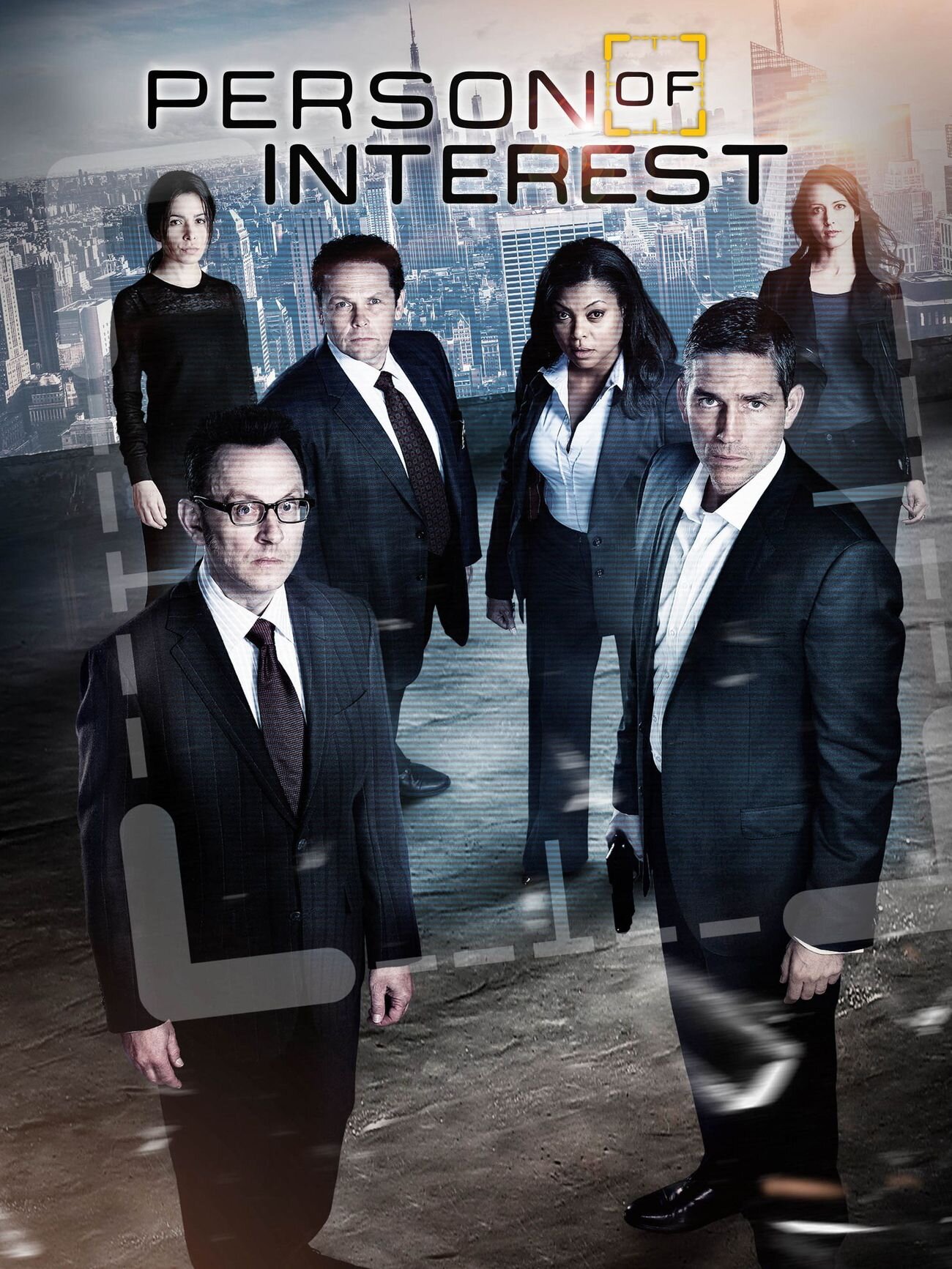
Person of Interest2011
An American procedural that smuggles in real ideas about surveillance and AI personhood under case-of-the-week plotting, structured much like SAC's standalone episodes building a bigger picture.
But Network TV pacing and formula are more visible here, especially in its earlier seasons.
Coil a Circle of Children2007no page yet
A gentler, kid-pitched version of SAC's obsession with augmented reality and digital ghosts — what happens to memory and identity when the internet layers itself over the physical world.
But Aimed at a younger audience, with a warmth and whimsy SAC never allows itself.
Citizenfour2014
SAC's fictional info-wars and 'stand alone complex' phenomena are essentially a dramatisation of what this film documents as fact: mass surveillance, information control, and individuals caught inside systems built to watch everyone.
The real Section 9 story, minus the cyborgs — a documentary filmed in real time as Edward Snowden hands over evidence of a surveillance state that already does much of what SAC imagines.
But It's a tense hotel-room documentary, not an action show — nothing here is staged for spectacle.

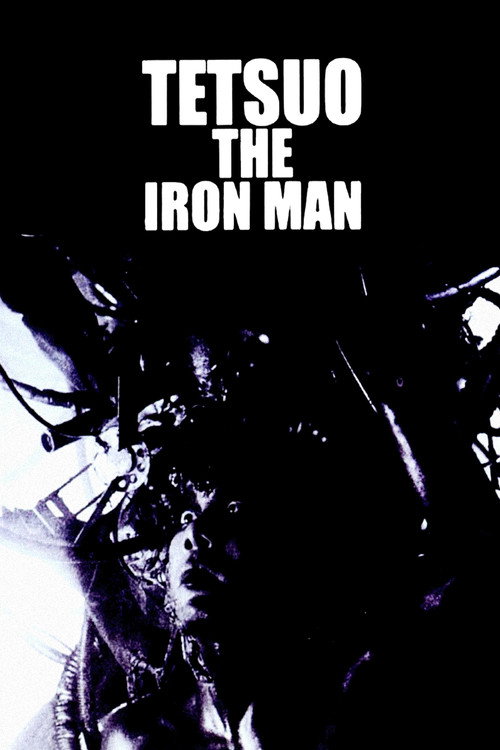
Tetsuo: The Iron Man1989
Same anxiety about where the human ends and the machine begins, but run through industrial body-horror instead of a slick procedural — the cyborg body reimagined as nightmare rather than tool.
A cheap, screaming, black-and-white body-horror nightmare about a man's flesh fusing with metal — the man-machine merger SAC treats philosophically, here treated as pure visceral terror.
But Ugly, aggressive, and experimental on purpose — it has none of SAC's polish, dialogue, or restraint.