
Television series
Dark Angel
Dark Angel is a gleefully pulpy near-future action series about a genetically engineered super-soldier navigating a collapsed America. It's kinetic, funny, and utterly committed to its B-movie premise, with charisma to spare. Perfect for anyone who wants their sci-fi tense but not grim, and their heroines capable of kicking ass while making you laugh.
Should you watch it?
Watch it if you like near-future dystopias with a grubby, lived-in texture and a fast-moving heroine who fights her way through a hostile city with a dry edge.
Skip it if you need sci-fi tidy and effects polished, since the look is rough and the tone lurches between grim and glossy from scene to scene.
What it asks of you: Forty-two hour-long episodes over two seasons, so it wants a long run of evenings, and it moves at a brisk clip that rarely lets up.
Not sure? Find tonight's pick in a minute.
If you liked this
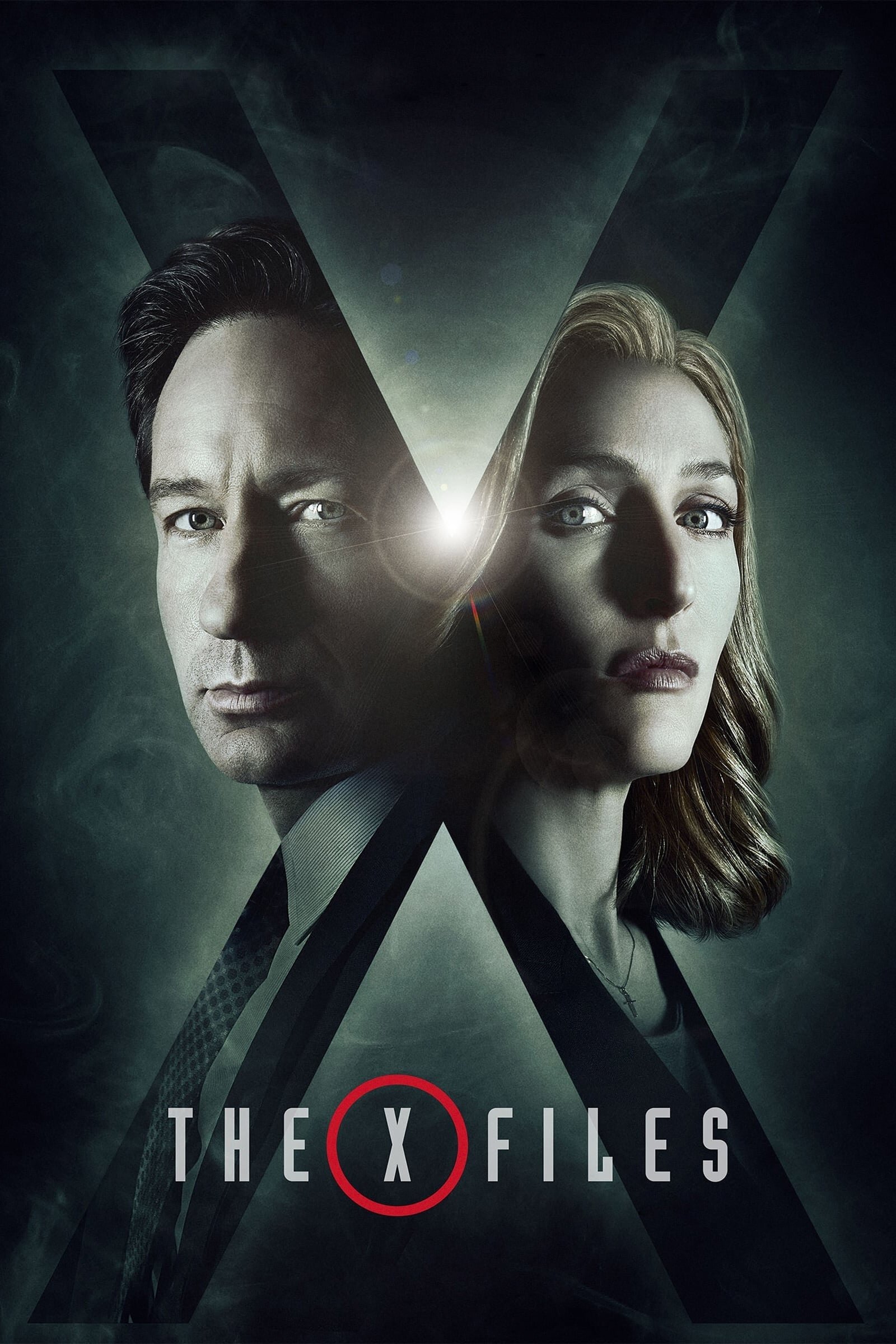
The X-Files1993
Both centre on determined protagonists hunting conspiracies in shadowy institutions. The chemistry, monster-of-the-week structure, and paranoid worldbuilding will feel immediately familiar, but with different emotional rhythms.
But The X-Files moves slower and leans harder into mystery. If you want constant action rather than investigation, the early seasons can feel procedural.
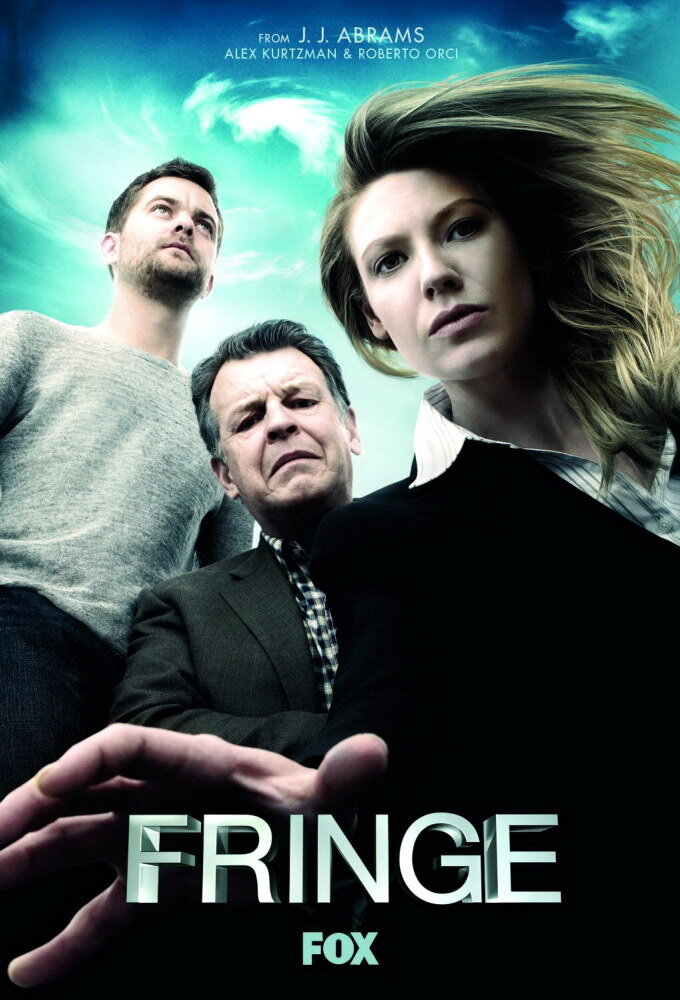
Fringe2008
Another show about gifted heroes fighting shadowy science-gone-wrong conspiracies. It matches Dark Angel's blend of high-concept sci-fi with character warmth, and builds its mythology with real ambition over five seasons.
But Fringe takes itself more seriously. There's less of the tongue-in-cheek fun that makes Dark Angel so playful.
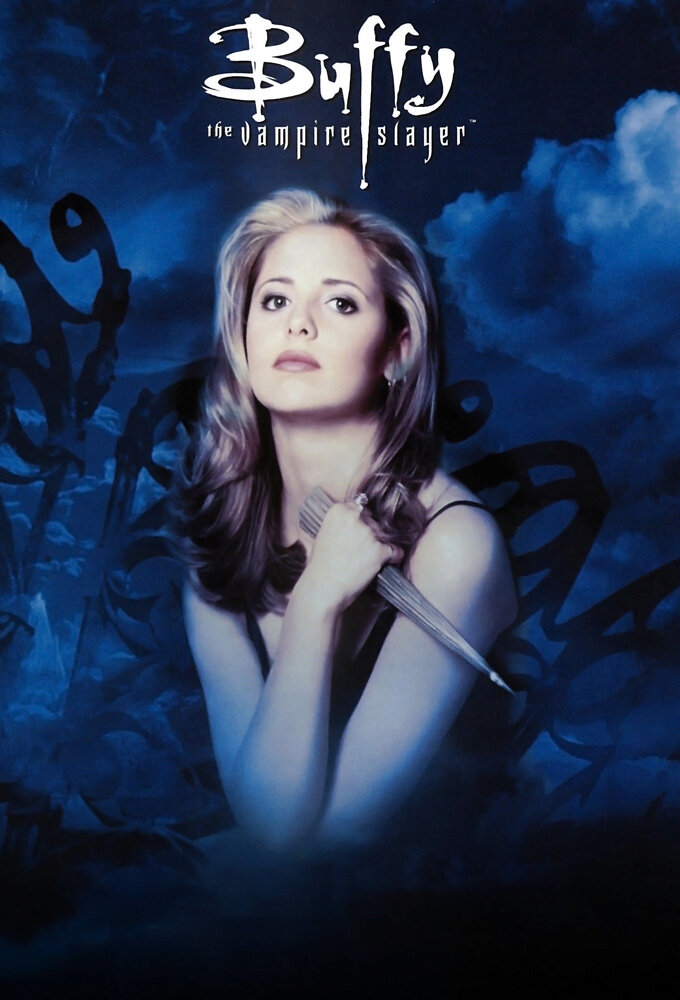
Buffy the Vampire Slayer1997
Both feature a young woman with superhuman abilities on the run, building a found family while fighting institutional evil. The wit, emotional depth, and commitment to serialized storytelling across multiple seasons create that same addictive pull.
But Buffy is fundamentally about growing up. Dark Angel is grittier, set in a collapsed world. The tone is measurably darker.
Not sure tonight? Get a pick in a minute, starting from Dark Angel
The wildcard
Something you would not have found on your own.
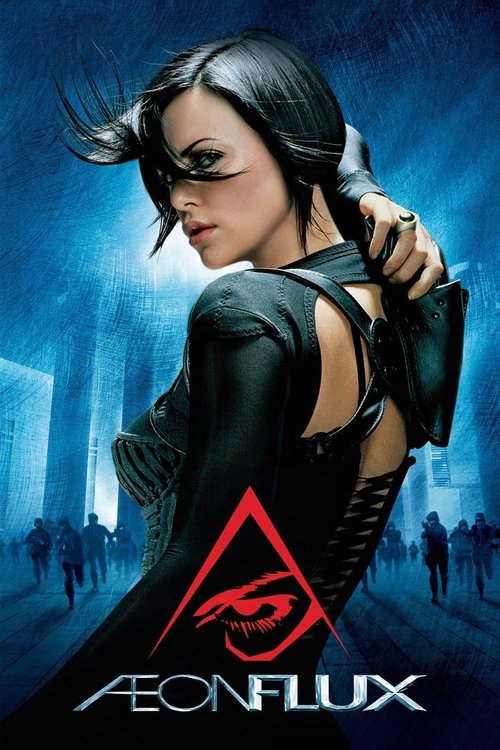
Æon Flux2005
Both centre on a superhuman woman who doesn't trust her origins, navigating a gorgeously designed collapsed world. But where Dark Angel is ultimately humanist and warm, Aeon Flux is deliberately enigmatic and cold.
A genetically modified assassin uncovers conspiracies in a visually stunning dystopia, with the same sleek action and same willingness to prioritize style and character over narrative clarity. It's a feature that captures Dark Angel's electric aesthetic but inverts the emotional core.
But Aeon Flux is genuinely baffling—plot takes a back seat to mood and image. If you need a story that adds up rationally by the end, you will be frustrated.
More like this (8)
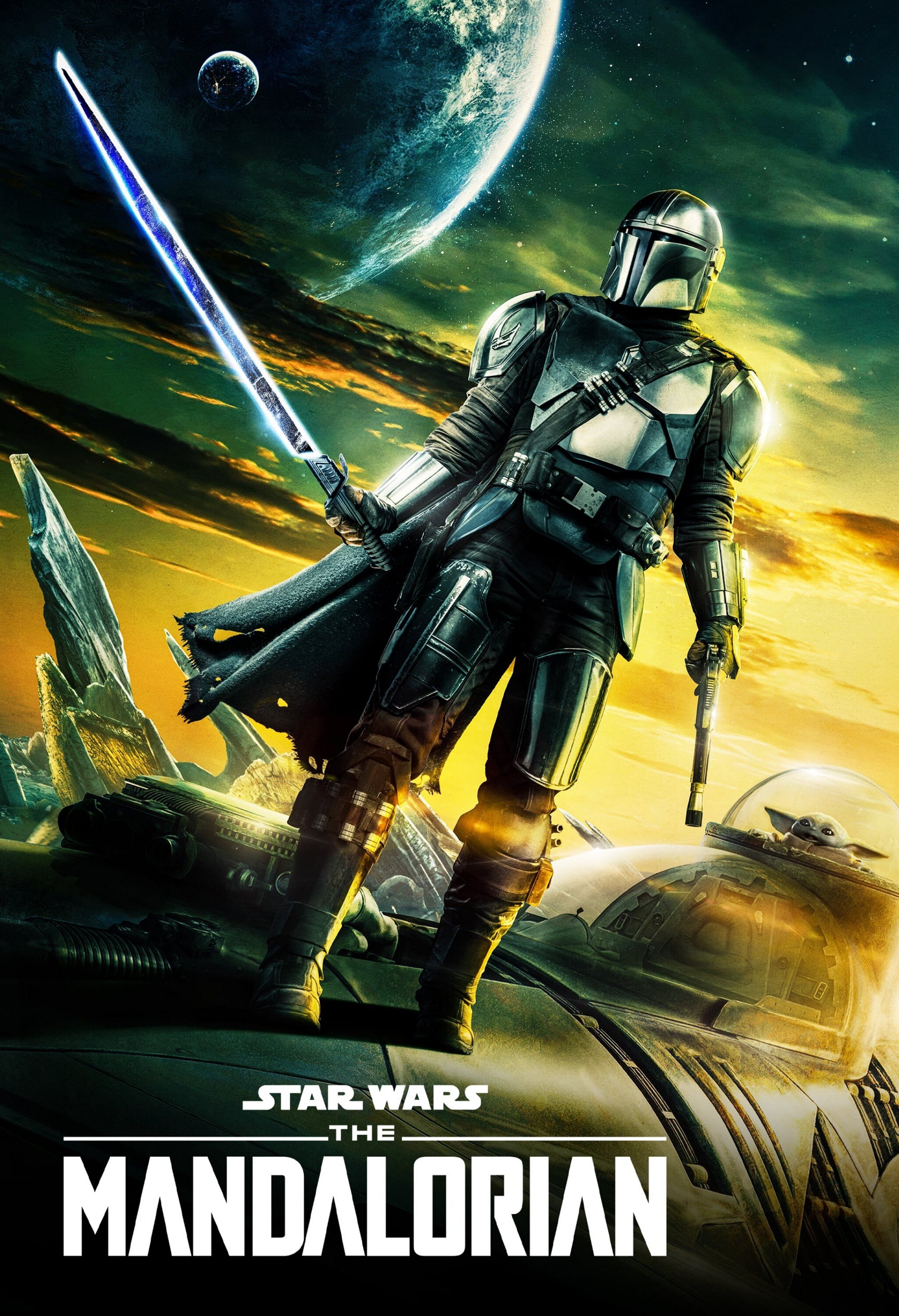
The Mandalorian2019
A lone operative with augmented abilities hunted by shadowy powers, taking on jobs to survive in a broken world. Episodic structure, spectacular action, found-family bonds, and the same burnished aesthetic of style over budget.
But The Mandalorian moves at a deliberate pace with long stretches of quiet. Dark Angel crackles; this one smoulders.
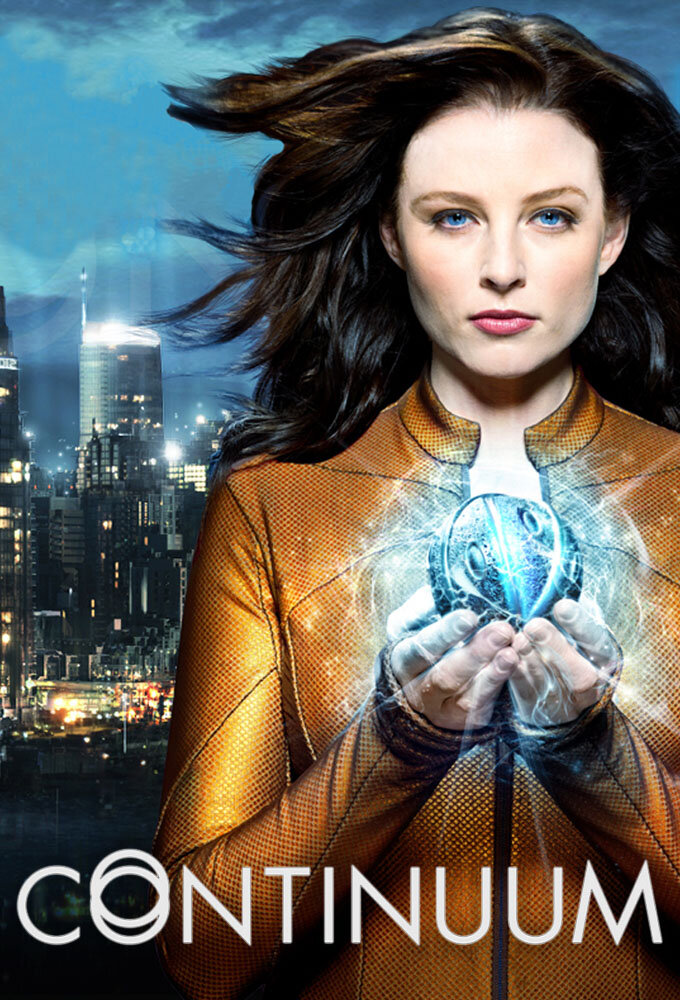
Continuum2012
A soldier displaced in time navigates a dystopian future, pursued by shadowy forces. Shares Dark Angel's blend of intimate character drama with larger conspiracy plotting, and the same scrappy resourcefulness.
But Continuum is Canadian television and has a smaller visual footprint. Some episodes feel noticeably budget-constrained, in ways that might jar you.
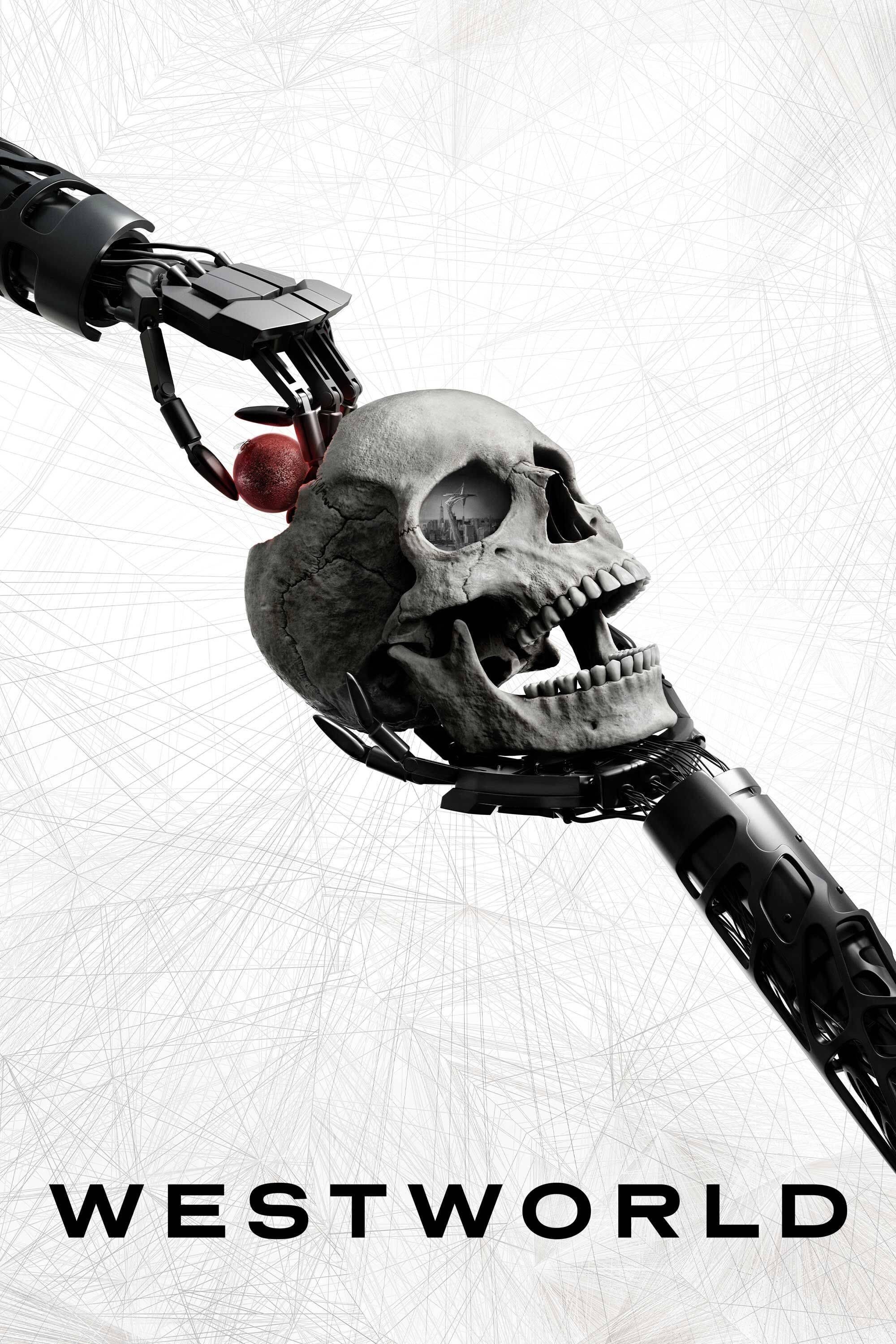
Westworld2016
A protagonist designed by shadowy creators breaks free and questions her own nature. Both explore what it means to be engineered for a purpose, with strong ensemble casts and escalating mythology.
But Westworld becomes increasingly baroque and demanding. It rewards close viewing and patience with complexity in ways Dark Angel never asks for.
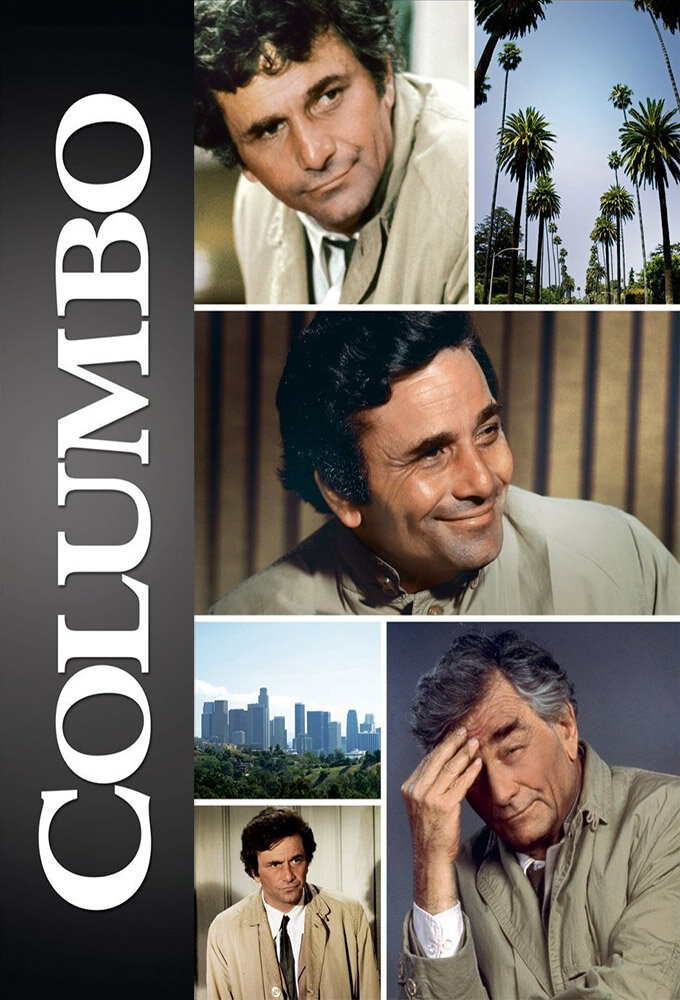
Columbo1968
Both center on heroes with unusual methods taking on powerful institutions. The investigative satisfaction and cat-and-mouse dynamic with authority figures creates similar momentum across episodes.
But Colombo is a procedural from the 1970s. Expecting genre action or serialized plotting will leave you disappointed.
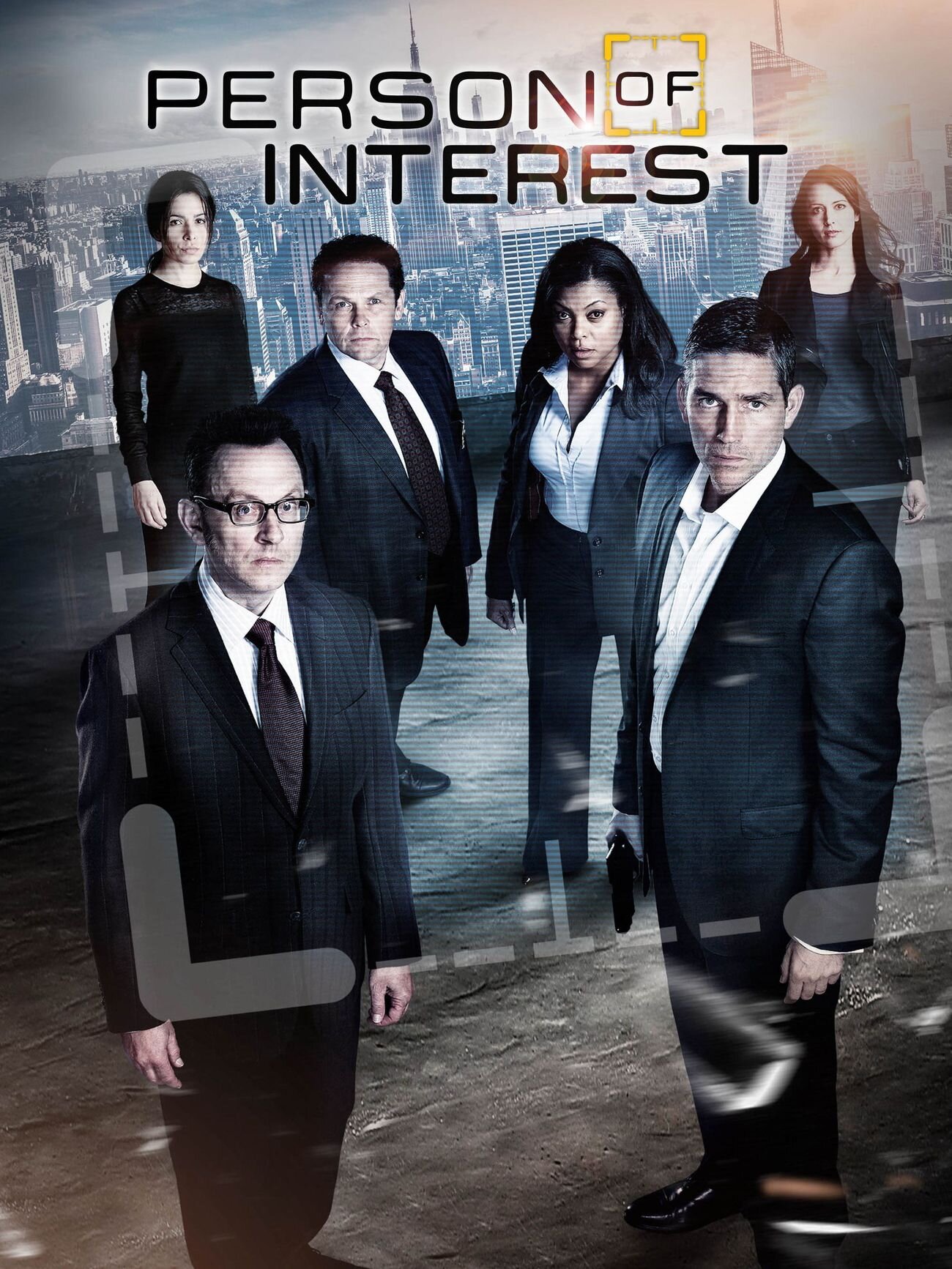
Person of Interest2011
A brilliant operative and an idealist partner work to save people hunted by powerful systems. Same blend of action, humor, emotional stakes, and conspiracy that expands in scale as the series deepens.
But Person of Interest is longer and slower to build its mythology. The first season is more case-of-the-week than serialized.
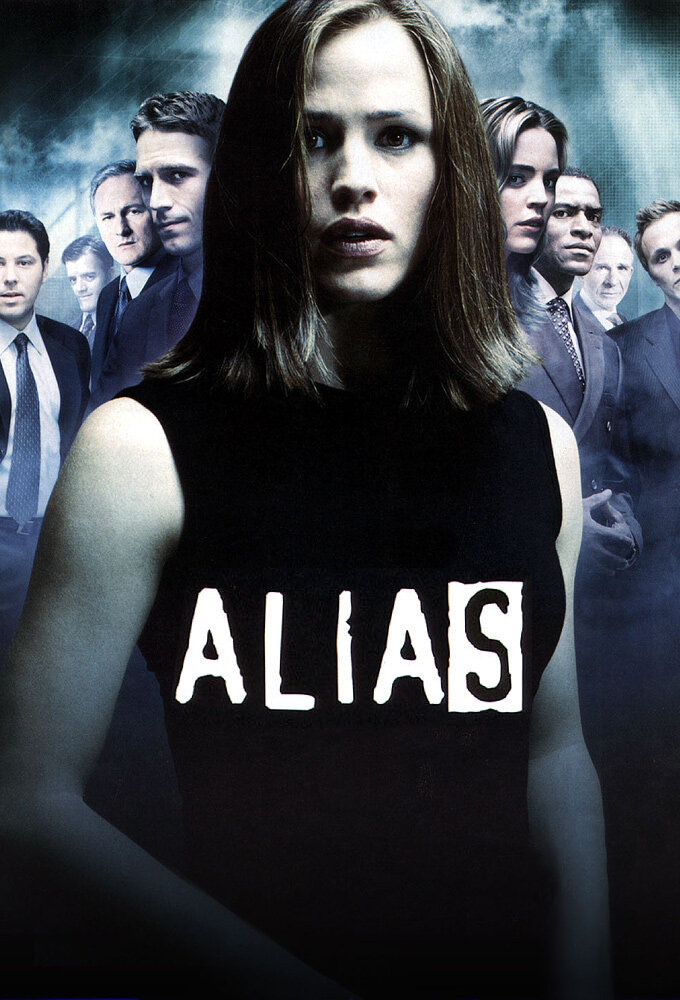
Alias2001
A young woman working for shadowy forces while secretly undermining them, constant reinvention, high-octane action sequences, and reliable emotional stakes. This one genuinely shares DNA with Dark Angel.
But Alias stretches to five seasons and loses its footing in the later years. The middle is gold; the ending is complicated.
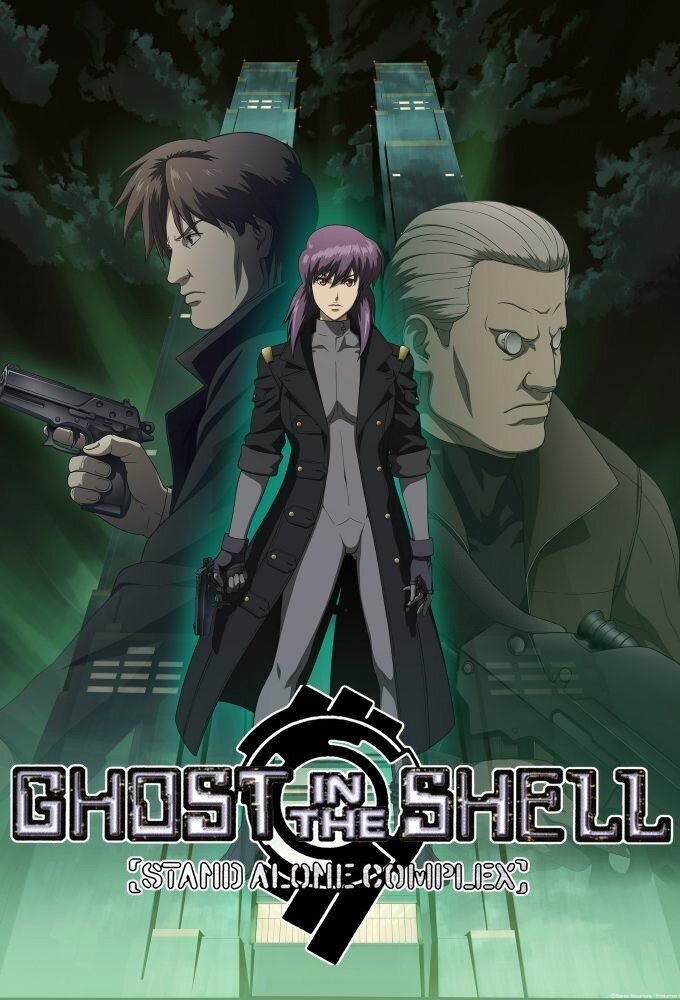
Ghost in the Shell: Stand Alone Complex2002
Both ask what freedom means when you're engineered for a purpose, and both trust their visuals to do narrative work. Ghost in the Shell is what Dark Angel might look like if it turned inward.
An elite operative with augmented abilities hunts conspiracies in a future Japan. Combines kinetic action with philosophical depth about identity and purpose. Each episode is complete but builds toward something larger, with the same assured visual style.
But It's anime, and openly philosophical. If subtitles or abstract questions about consciousness bore you, this won't convert you.
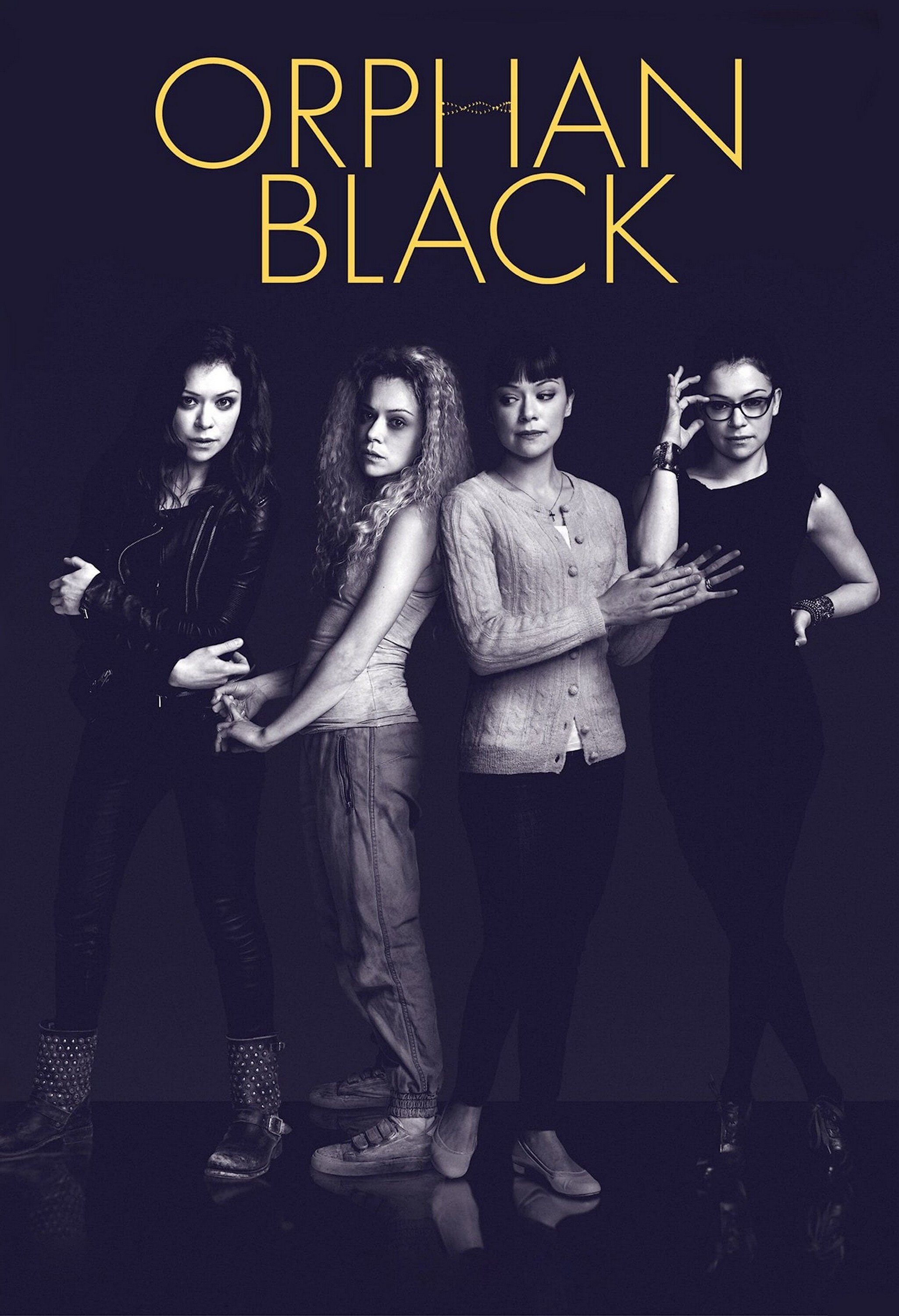
Orphan Black2013
Both feature engineered young women on the run from their creators, building chosen family while piecing together their pasts. But Orphan Black treats its premise as existential horror; Dark Angel treats it as adventure.
A young woman discovers she's one of many clones created by shadowy institutions, hunted by rival forces. The same scrappy resourcefulness, the same found-family bonds, the same escalating mythology about identity and bodily autonomy. Tatiana Maslany's performance is extraordinary.
But Orphan Black gets genuinely disturbing about body horror and corporate exploitation. It's less fun than Dark Angel, more raw.
People
Cast



Writing
- Charles H. EgleeCreator
- James CameronCreator
Production
- Ron FrenchCo-Producer
- Ira Steven BehrConsulting Producer
- James CameronExecutive Producer
- René EchevarriaExecutive Producer
Recommended by
Cleopatra 2525, The Sentinel, CyberGirl, The Chronicles of Riddick, Cybersix, She Spies