
Television series
The Sentinel
Other titles called The Sentinel: the 1977 film.
The Sentinel pairs a cop with heightened senses—hearing, sight, smell—with an anthropology grad student who studies the phenomenon. It's a procedural wrapped around a strange gift: Jim Ellison solves crimes while learning to control abilities that make him feel isolated and powerful. Earnest, weird, and utterly sincere about treating the supernatural premise as real. Perfect for fans of detective work who want something slightly off-kilter.
Should you watch it?
Watch it if you enjoy case-of-the-week crime stories where a supernatural gift is treated as a practical problem, and an odd-couple partnership between a stubborn detective and an eager academic matters as much as the crime.
Skip it if the supernatural angle sits on a fairly standard police format, so if you want a dark, serialized mystery that escalates, this is lighter and more episodic than you might hope.
What it asks of you: Roughly an hour per episode across four seasons and sixty-five episodes, with a fair amount of talk between the cases, so it rewards patience over momentum.
Not sure? Find tonight's pick in a minute.
If you liked this
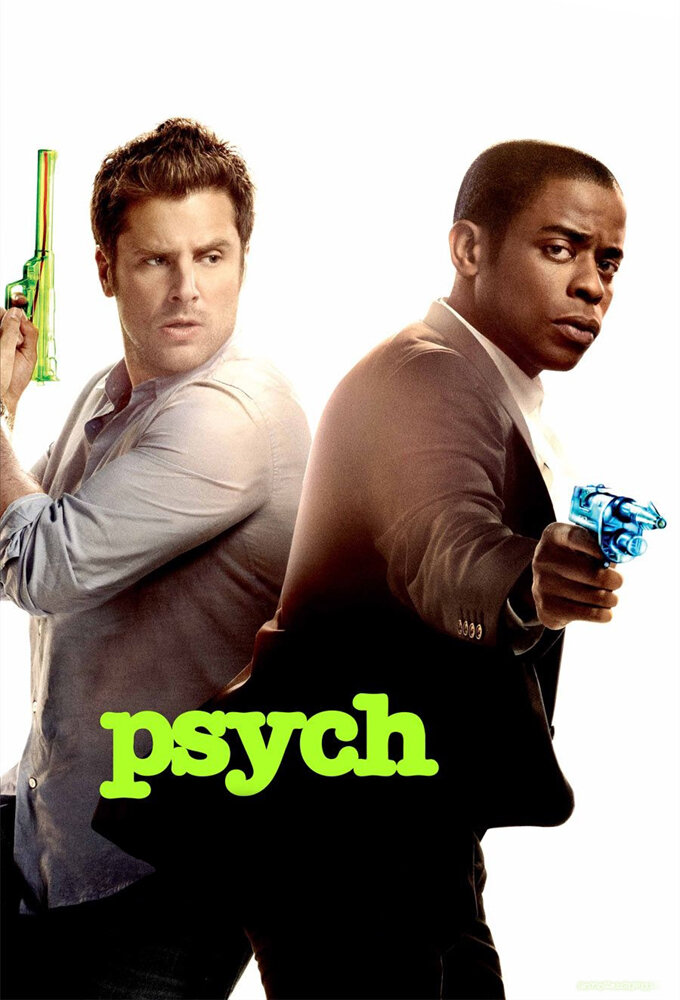
Psych2006
A detective with extraordinary observational skills partners with a civilian who grounds him and keeps him human. The dynamic between solving cases and managing the protagonist's peculiarity mirrors the Sentinel/Sandburg relationship, with lighter comedy and plenty of charm.
But The show is much funnier and broader in tone, which dilutes the supernatural tension that made The Sentinel compelling. If you wanted something darker, this might feel slight.
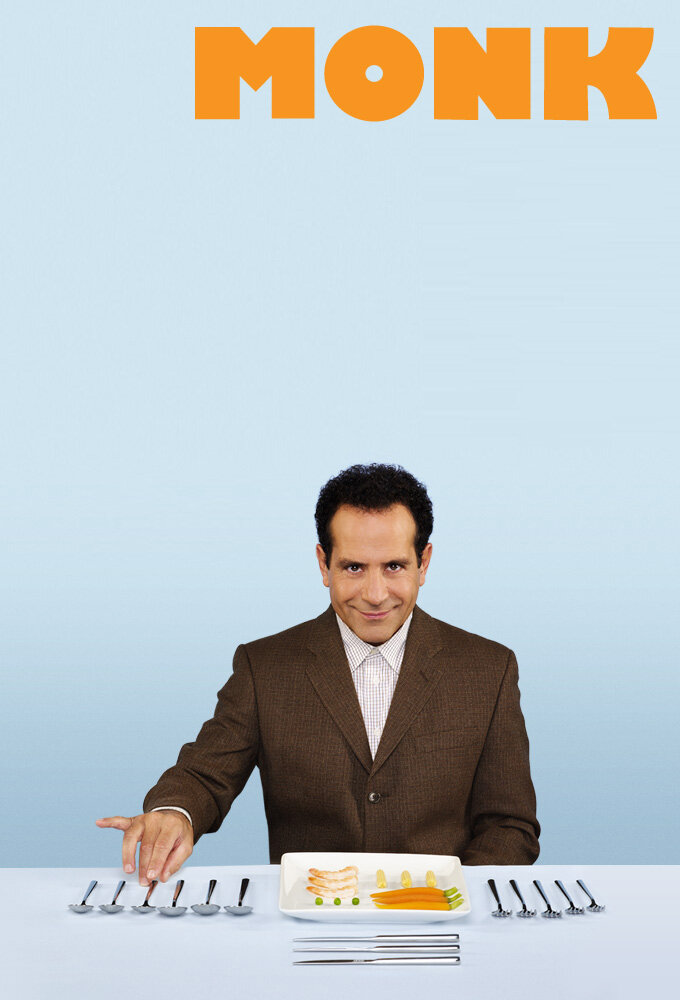
Monk2002
A detective whose neuroses and unusual abilities make him isolated but invaluable, supported by an assistant who helps him navigate both crime scenes and human connection. Same DNA of a brilliant outsider learning to work within the system.
But It's fundamentally a show about anxiety and compulsion used for comedy. If you're drawn to The Sentinel for its mythology, Monk's approach feels lighter and less committed to the weirdness.
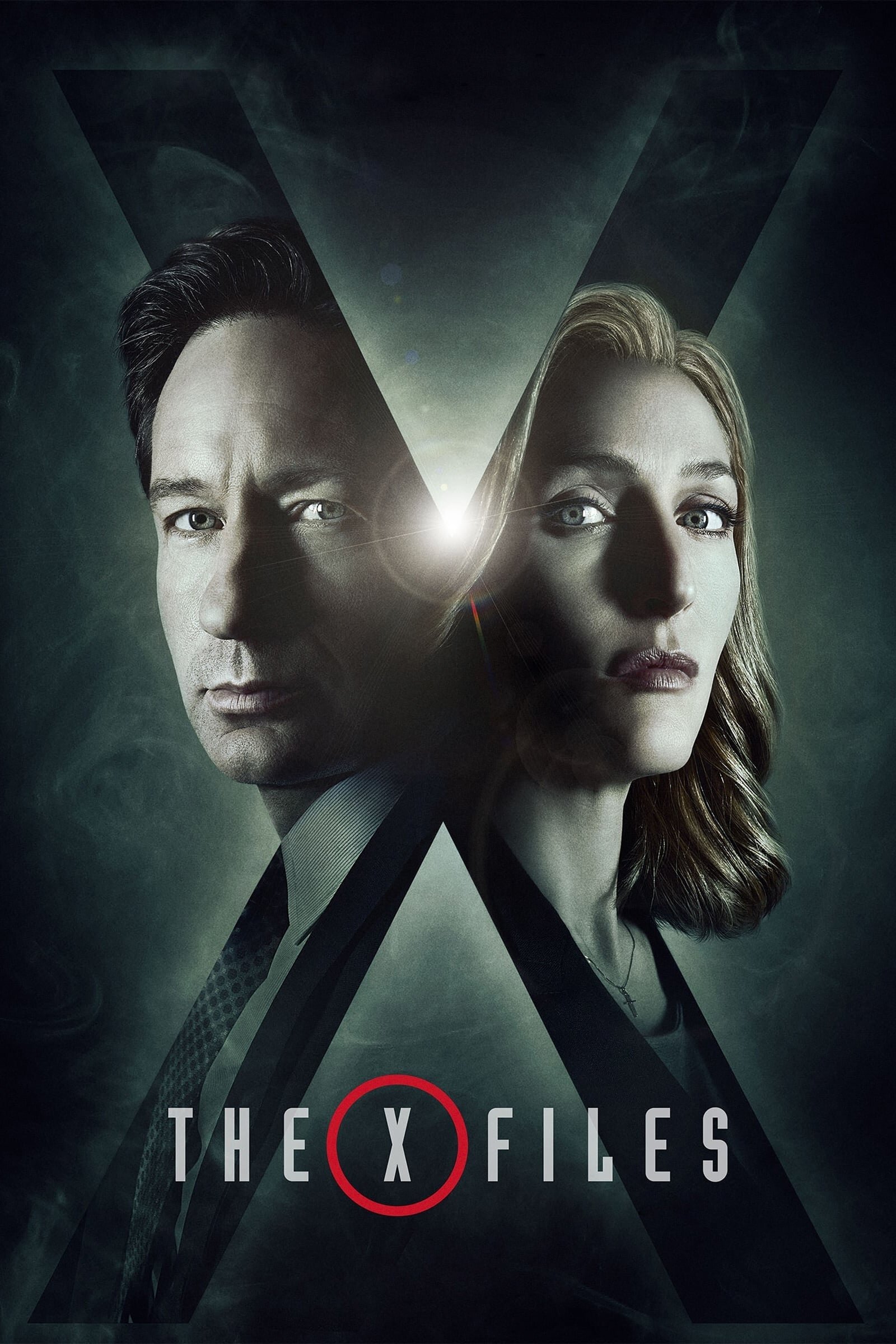
The X-Files1993
Two investigators chasing the unexplained, hampered by skepticism and bureaucracy. Scully and Mulder's push-pull mirrors Jim and Blair's dynamic—the believer and the skeptic forging partnership through trust and genuine affection.
But It's a mythology show where the overarching plot often disappointed fans. If you want self-contained procedurals with character development, the mythology-heavy seasons can feel draggy.
Not sure tonight? Get a pick in a minute, starting from The Sentinel
The wildcard
Something you would not have found on your own.
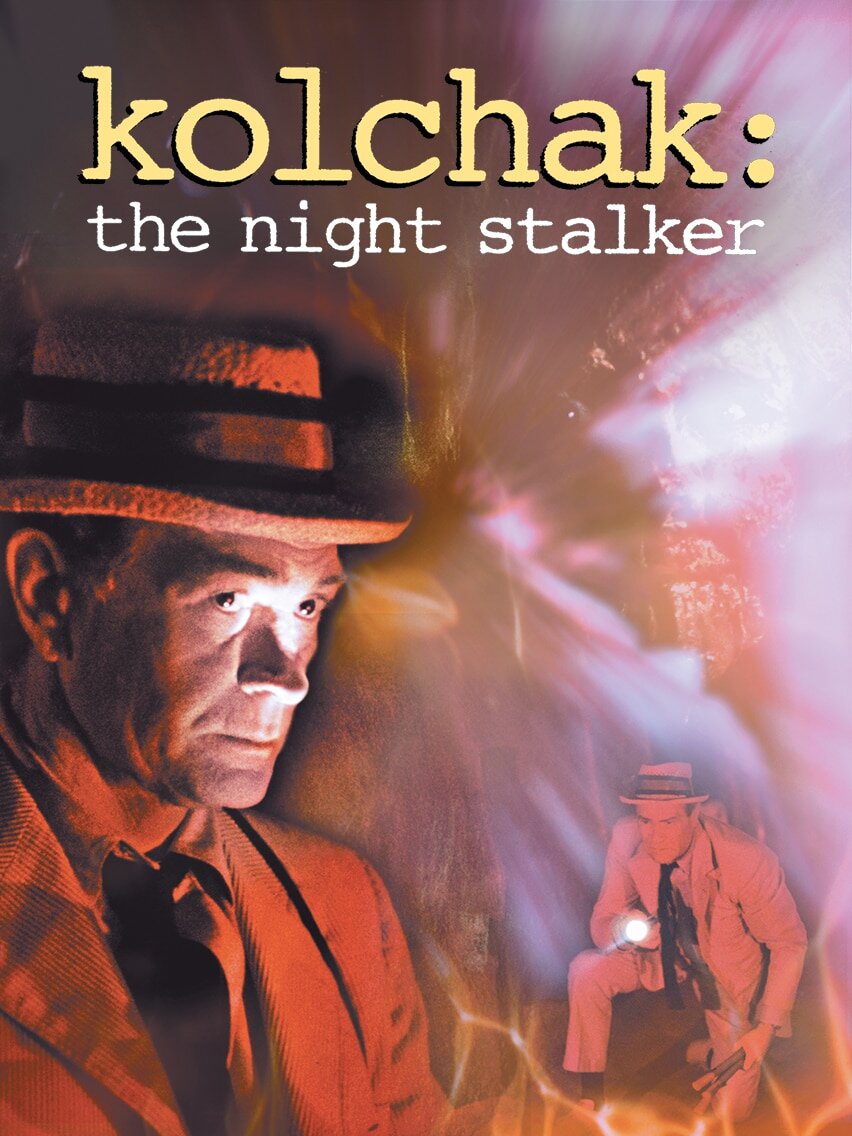
Kolchak: The Night Stalker1972
Both treat the supernatural as a job to manage rather than a genre flourish. The protagonist's isolation comes from knowing something the world denies. Kolchak is The Sentinel's direct precursor.
A reporter investigates the genuinely supernatural—vampires, werewolves, aliens—in a world that refuses to believe him. It's the spiritual ancestor of The Sentinel: a procedural where the weird premise is completely real, played straight, never winking.
But It's a 1970s show with the pacing and special effects to match. The cases are often corny by modern standards, and it can feel slow if you're used to faster editing.
More like this (8)
Dark Angel2000
A protagonist with enhanced abilities—genetic, not mystical—uses them to solve crimes while hiding what she is. The show shares The Sentinel's interest in abilities as both gift and burden, with the same post-grunge Seattle mood.
But It only lasted two seasons and feels incomplete. The mythology builds to an unsatisfying endpoint that leaves you frustrated rather than resolved.

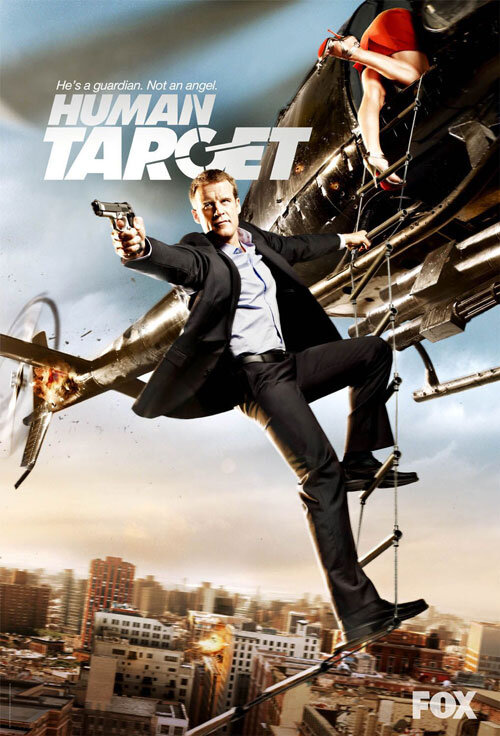
Human Target2010
A man with unusual skills who doesn't quite fit in the normal world finds purpose protecting others. It's got that same earnest tone about outsiders finding their place through work and relationships.
But It's more straightforward action than procedural mystery. If you loved The Sentinel for its crime-solving, this leans harder into spectacle and less into investigation.
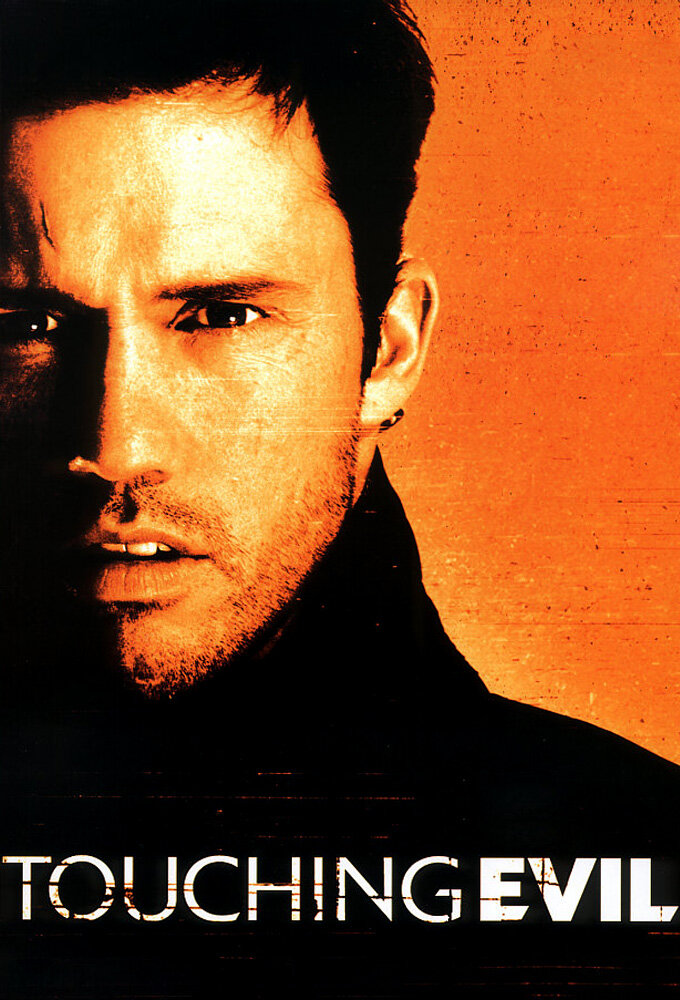
Touching Evil2004
A detective with traumatic brain injury gains disturbing intuitive abilities. It explores the cost of heightened perception in ways The Sentinel hints at, with genuine darkness about the price of seeing too much.
But It's grittier and less warm than The Sentinel. The show plays its premise as destructive rather than empowering, which is a tonal shift some won't want.
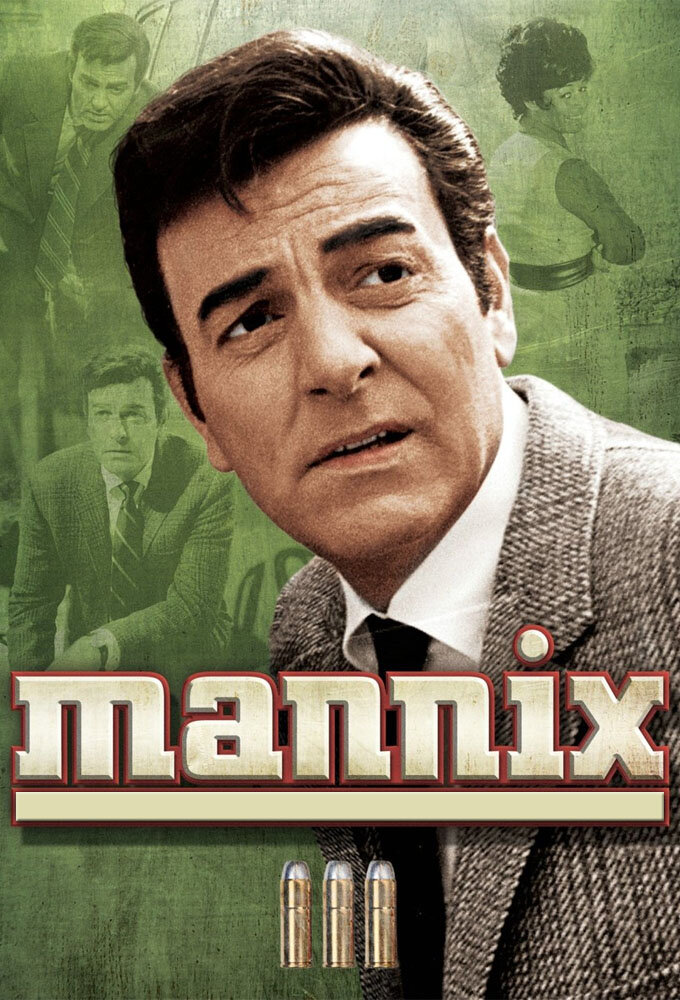
Mannix1967
A private detective with sharp instincts solves mysteries through observation and intuition. If you miss the procedural bones of The Sentinel, this is where the template comes from—solid, satisfying case-work with character.
But It's from 1967, so the pacing is slow and the feminism is nonexistent. If you want modern sensibilities about relationships and society, this will feel creaky.
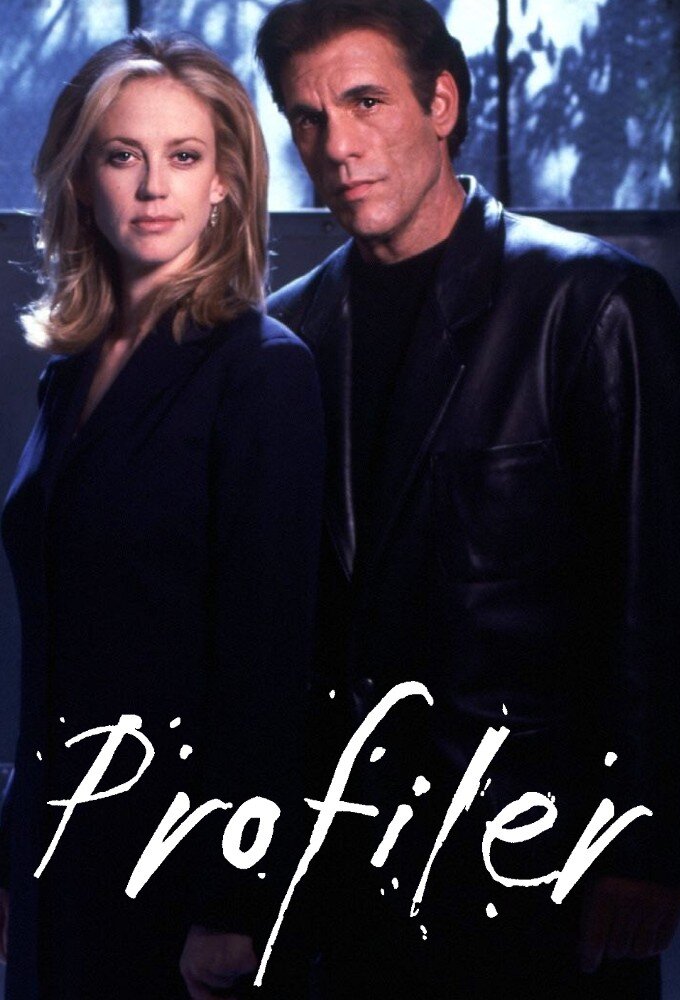
Profiler1996
A woman with unusual perceptual abilities—visions of crime scenes—works with law enforcement. It ran alongside The Sentinel and shares its interest in the supernatural as a working tool rather than just spectacle.
But The show relied heavily on TV movie sensibilities and schmaltz. For those who find The Sentinel's earnestness already a bit much, Profiler tips into melodrama.
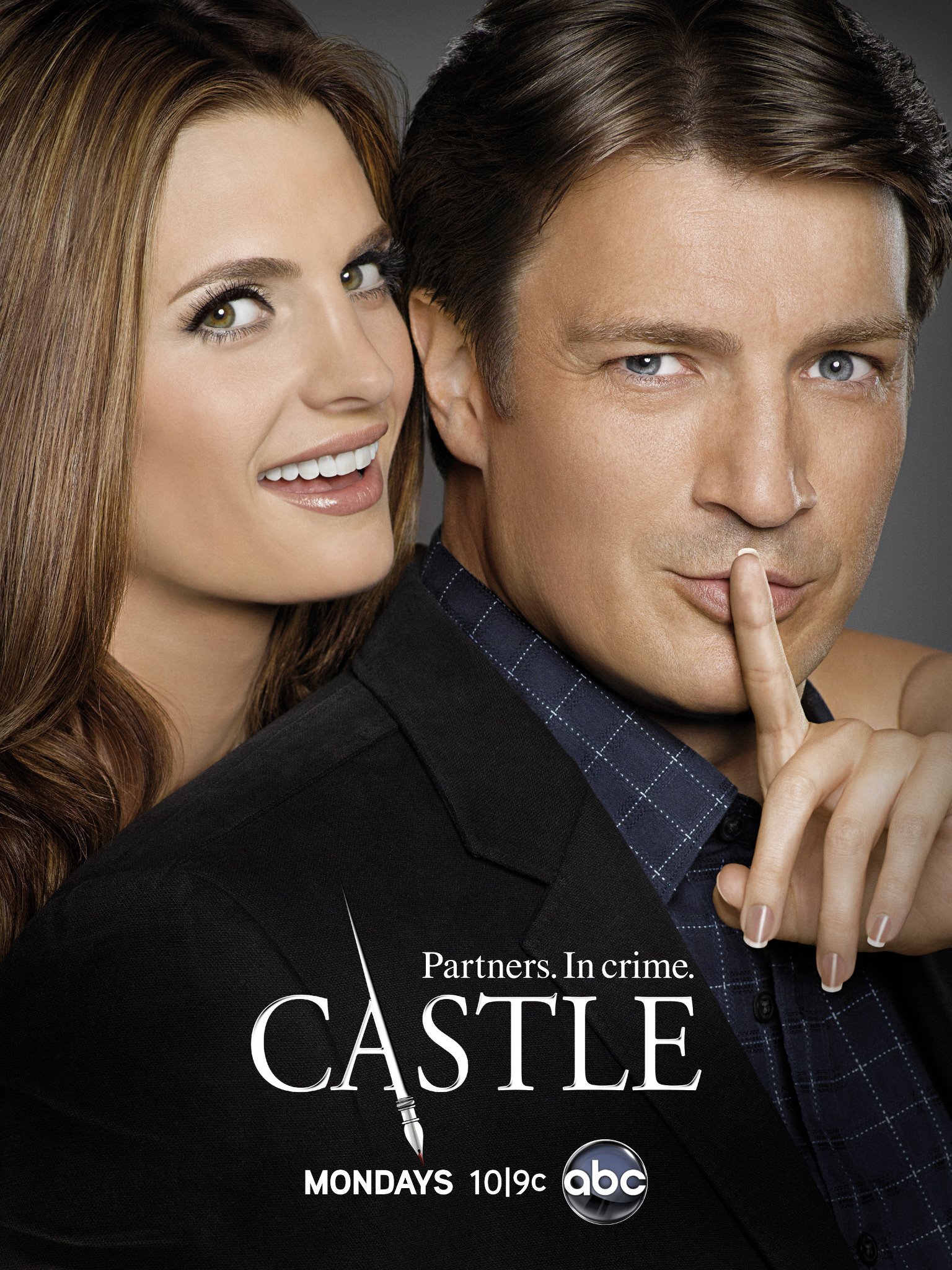
Castle2009
A detective and a civilian with specialized knowledge work together on crime cases, building trust and affection through shared work. It's the Sentinel formula streamlined for network TV—lighter but recognizable.
But It's comfortable and formulaic. If you loved The Sentinel because it was weird and committed to something genuinely strange, Castle is too safe and conventional.
The Mentalist2008
Both explore what heightened perception—real or performed—means for identity and relationships. The core partnership mirrors Jim and Blair's dynamic of mutual transformation through work.
A con artist uses fake psychic powers and genuine observation to solve crimes. It has the same partnership dynamic and case-work satisfaction, but inverts The Sentinel's premise: the hero fakes what Ellison experiences as real.
But It's glossier and more cynical about spirituality. If you valued The Sentinel's earnest engagement with the supernatural, watching someone exploit that same space feels hollow.

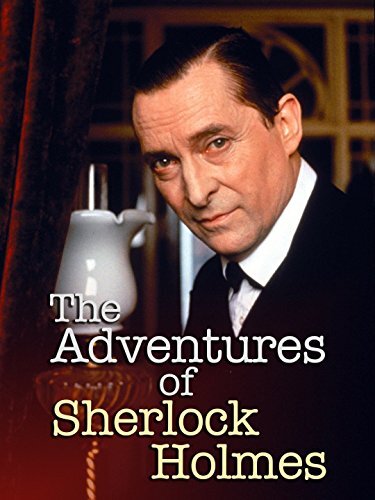
The Adventures of Sherlock Holmes1984
Both are about outsiders whose perception is so sharp it reads as almost superhuman. Both pair the protagonist with someone who grounds them and makes partnership possible. The mechanics of isolation and connection are identical.
Jeremy Brett's Sherlock uses observation and deduction at the level of telepathy—he sees what others can't, works alone until he doesn't, and his abilities isolate him from normal life. It's The Sentinel stripped of the supernatural but identical in structure and spirit.
But It's Victorian, slow-paced television from the 1980s. If you need contemporary settings and snappy dialogue, this will feel historical and distant, even though the cases are compelling.
People
Cast



Writing
- Danny BilsonCreator
- Paul De MeoCreator
Production
- David WillsonProducer
- Harold ApterProducer