
Film
The Sentinel
Other titles called The Sentinel: the 1996 series (UPN).
A 1977 supernatural horror film where a fashion model moves into a deceptively ordinary Brooklyn apartment building and discovers it harbors something far stranger. A slow-burn mystery with an ensemble cast of grotesque supporting characters, *The Sentinel* is aggressively weird rather than jump-scare scary. It's for people who want atmosphere and strangeness over conventional scares, and who appreciate unhinged 70s horror.
Should you watch it?
Watch it if you enjoy slow-burn 1970s occult paranoia, where the unease builds from odd neighbours and strange architecture rather than jump scares, and you don't mind a story that gets stranger as it goes.
Skip it if you want a tight, plot-driven thriller, since this one wanders through its tenants' eccentricities and its heroine's brittle, self-absorbed glamour for long stretches before it gathers momentum.
What it asks of you: Roughly ninety-two minutes of unhurried setup, where the dread accumulates through odd rituals and rooms full of strangers, and you need to stay alert to small wrongnesses.
Not sure? Find tonight's pick in a minute.
If you liked this
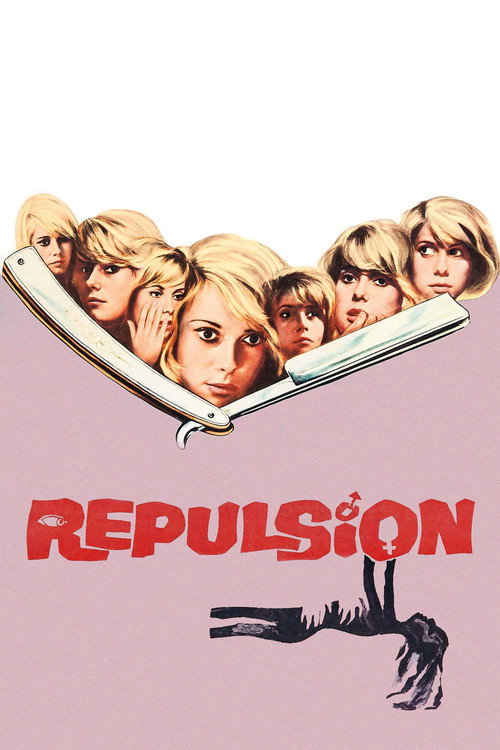
Repulsion1965
Polanski's claustrophobic descent into psychological terror uses a single location to trap both character and viewer. Stunning black-and-white cinematography and a truly disturbing atmosphere of creeping dread.
But The pacing is deliberate to the point of slowness, and the final act abandons logic entirely. It demands patience.
Carrie1976
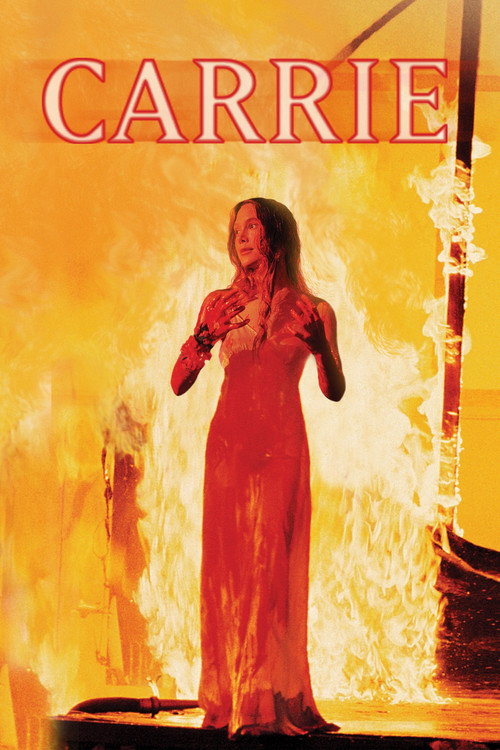
De Palma's debut is kinetic, bloody, and utterly in control. A young woman discovers supernatural powers amid social humiliation. Every scene crackles with tension and formal brilliance.
But The plot is straightforward; you'll predict most beats. It's also relentlessly brutal toward women, which is the point but demands a lot from viewers.
Suspiria1977
Argento's masterpiece. A dancer enters a witches' academy where reality fractures into vivid color and balletic violence. Pure visual and sonic nightmare, hypnotic and operatic.
But The plot is thin and the dubbing (English version) is distracting. Plot coherence takes a back seat to mood and spectacle.

Not sure tonight? Get a pick in a minute, starting from The Sentinel
The wildcard
Something you would not have found on your own.
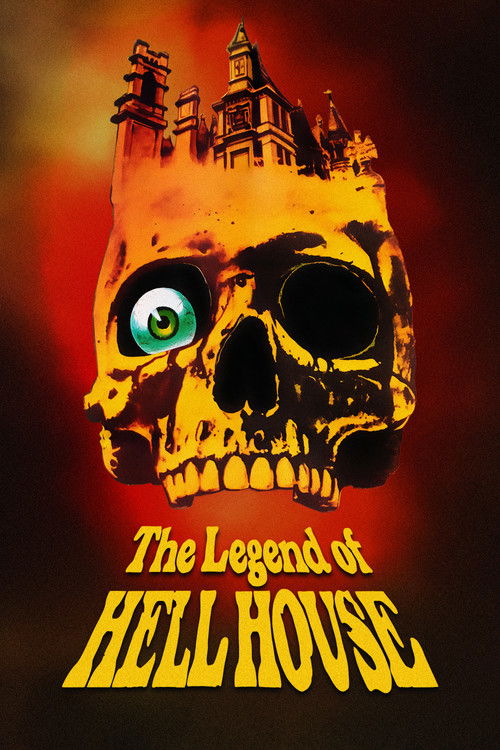
The Legend of Hell House1973
Both trap an ensemble in a single location where supernatural claims must be untangled; both use the space itself as a character containing a secret history.
A team investigates a haunted mansion in a single location. Like *The Sentinel*, it's an ensemble entering a space that contains a mystery. But it's a tightly plotted, rational ghost story—investigation-driven rather than psychological.
But It's measured and skeptical where *The Sentinel* is baroque. Some will find it too orderly, too eager to explain.
More like this (8)
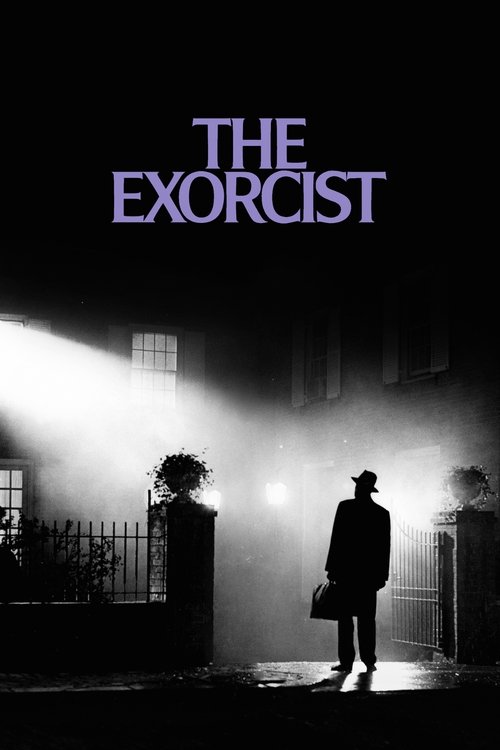
The Exorcist1973
Friedkin's epochal horror film still holds—a methodical psychological descent into the impossible. Clinical precision applied to the sacred and profane. Terrifying not through jumpiness but through violation.
But It's been referenced to death and widely seen. The shock value has weathered. Some find it slow between scares.
Mulholland Drive2001
Lynch's fractured Los Angeles nightmare uses a building mystery and strange tenants to unravel identity and desire. Dreamlike, seductive, deeply unsettling. A city as haunted character.
But It refuses linear sense. The three-hour runtime and narrative loop will frustrate anyone wanting answers or conventional storytelling.

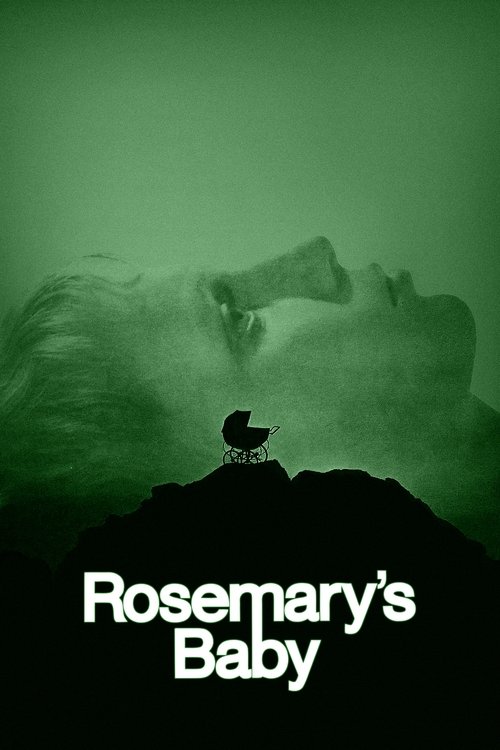
Rosemary's Baby1968
Polanski again, this time in a Manhattan apartment building where paranoia becomes justified. Slow-boiling dread where the horror is social as much as supernatural. Every detail matters.
But Modern viewers may find it quaint; the scares are psychological rather than visceral. The pacing tests patience.
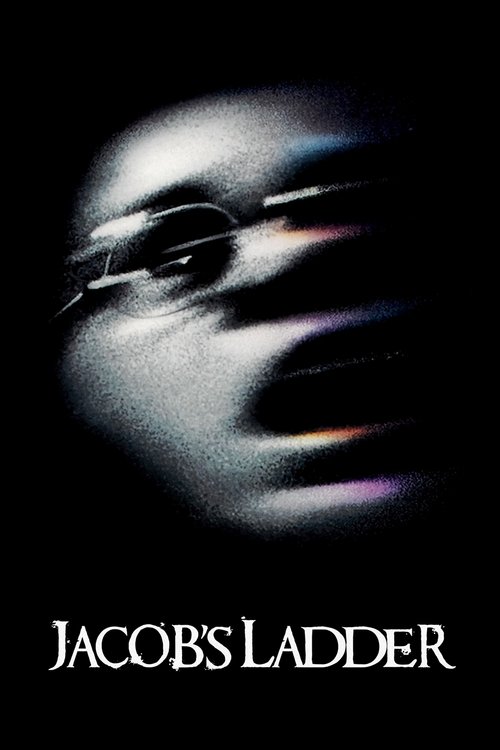
Jacob's Ladder1990
Lyne's visceral fever dream of a Vietnam vet descending into either psychosis or supernatural horror. Nightmarish body-horror effects and genuine disorientation. You won't trust what you're seeing.
But The ending explains itself in a way some find reductive. Once you know what's happening, rewatching loses its punch.
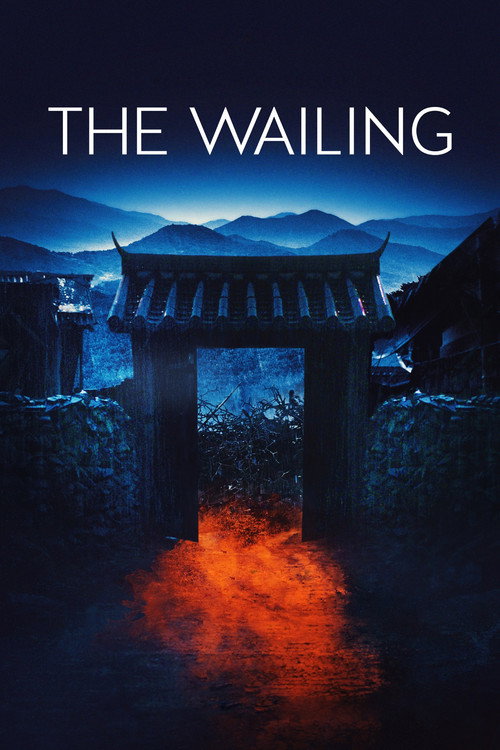
The Wailing2016
Na Hong-jin's Korean mystery-horror builds a hermetic world of competing explanations. What is real? What is guilt? Faith? Paranoia? The ensemble cast and narrative structure reward active viewing.
But Nearly three hours. The plot deliberately refuses certainty, which some will find rewarding and others maddening.
Possession1981
Andrzej Żuławski's brutal marriage horror film uses a Berlin apartment as battleground. Unhinged performances, grotesque body-horror, and an aesthetic that predates surrealism's influence on modern horror.
But It's genuinely difficult to sit with—the emotions are raw and the imagery frequently disgusting. Subtitles and a commitment to discomfort required.

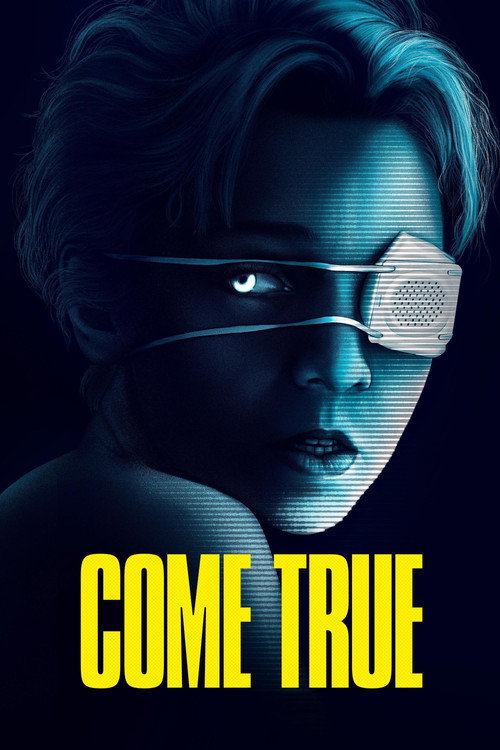
Come True2020
Both build horror from passive victimhood and bodily invasion rather than external threat; both find terror in the domestic and the medical.
A sleep study becomes the locus for body-horror and ambient dread. Slow, hypnagogic, visually inventive; it prioritizes atmosphere and bodily wrongness over plot. A modern film that understands 70s logic.
But It's conceptual; there's minimal narrative thrust. The ending is deliberately ambiguous. Virtually nothing "happens" in a conventional sense.
Synecdoche, New York2008
Both use a building (or space-within-space) as a container for psychological collapse; both feature protagonists whose grip on reality dissolves as they descend into the structure's mystery.
Kaufman's only feature is a labyrinthine meditation on art, mortality, and delusion. A theater director builds a replica of New York inside a warehouse; reality fragments. Surreal, devastating, endlessly dense.
But It's aggressively oblique and demands interpretive work. Three hours of ambiguity that some will find pretentious rather than profound.

People
Cast
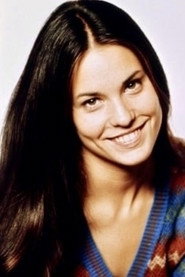 Cristina RainesAlison Parker
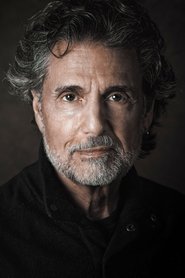 Chris SarandonMichael Lerman
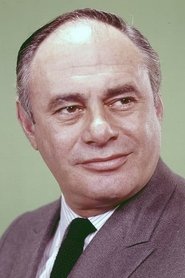 Martin BalsamProf. Ruzinsky
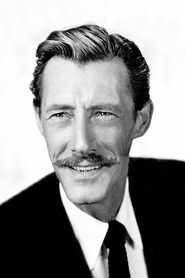 John CarradineFr. Francis Matthew Halloran
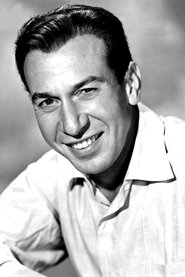 José FerrerPriest of the Brotherhood
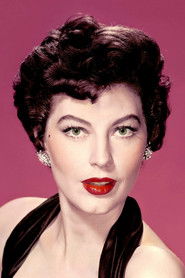 Ava GardnerHelen Logan
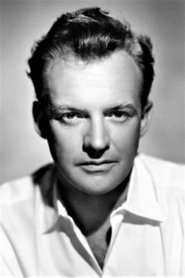 Arthur KennedyMonsignor Franchino
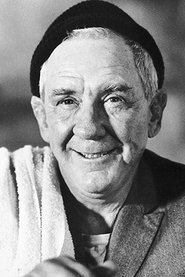 Burgess MeredithCharles Chazen
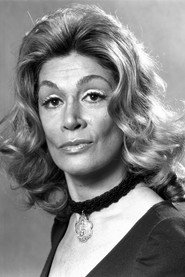 Sylvia MilesGerde Engstrom
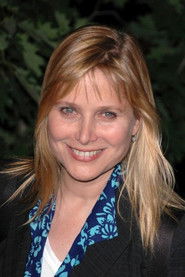 Deborah RaffinJennifer
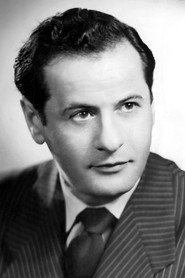 Eli WallachDetective Gatz
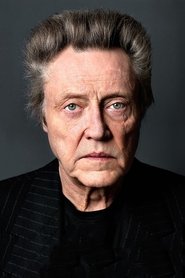 Christopher WalkenDet. Rizzo
Directing
- Charles OkunAssistant Director
- Michael WinnerDirector
Writing
- Jeffrey KonvitzNovel
- Jeffrey KonvitzScreenplay
- Michael WinnerWriter
Production
- Cis CormanCasting
- Jeffrey KonvitzProducer
- Michael WinnerProducer
Recommended by
The Omen, Who Can Kill a Child?, Superstition, The Boy Who Cried Werewolf, The House by the Cemetery