
Film
The House by the Cemetery
Lucio Fulci's 1981 giallo-horror hybrid about a family moving into a Boston mansion haunted by its violent past. Deliberately dreamlike and disorienting, it prioritizes mood and dread over coherent plotting. For viewers drawn to European horror that prizes atmosphere over sense, and who don't mind narrative opacity if the images stay with them.
If you liked this
Suspiria1977
Dario Argento's masterpiece uses similar tactics: vivid, saturated color, a hypnotic score, and a narrative that matters less than the feeling of being stalked through a hostile space. Pure cinema as nightmare.
But The plot barely registers and deliberately resists explanation. If you need to understand what's happening, this will frustrate you.

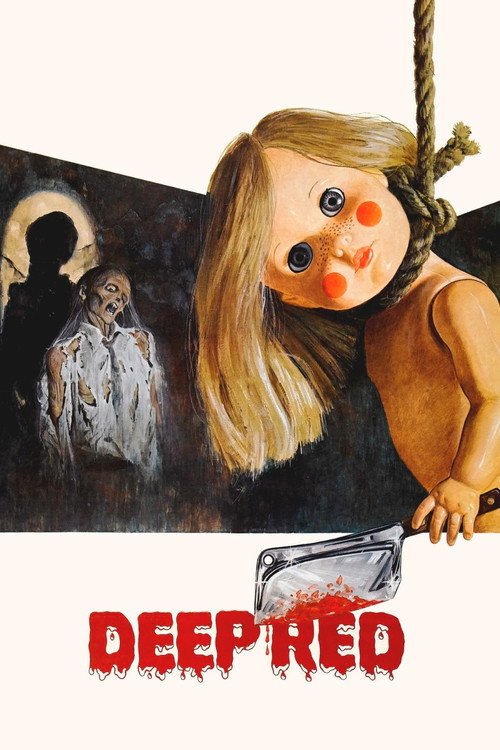
Deep Red1975
Argento again, but more plotted than Suspiria while keeping that same feverish, hallucinatory energy. A man witnesses a murder and descends into baroque violence and conspiracy. Visually stunning and genuinely disturbing.
But It's 105 minutes of deliberate pacing that some will find glacial. The dubbing (like most Italian horror) takes adjustment.
The Wailing2016
Na Hong-jin's Korean horror film shares Fulci's interest in how a house becomes a moral trap, and how family members see different truths. It builds dread through suggestion rather than jump scares, and respects your intelligence.
But It's 156 minutes and refuses to confirm what's actually happening. The ambiguity is the point, but some viewers will find it maddening.

Not sure tonight? Get a pick in a minute, starting from The House by the Cemetery
The wildcard
Something you would not have found on your own.
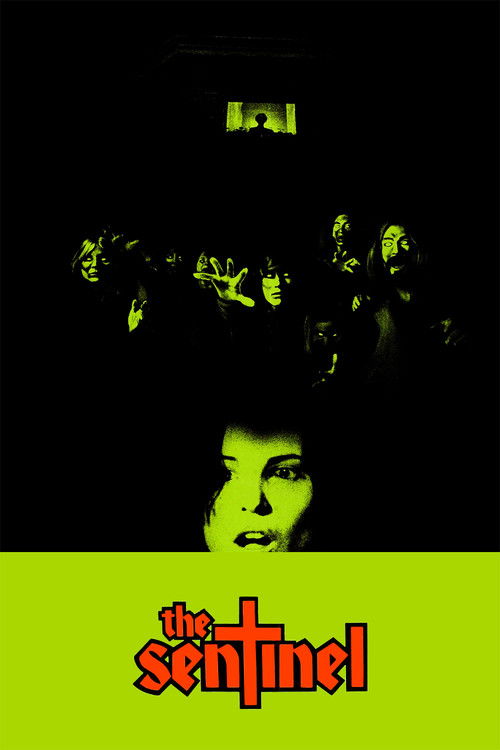
The Sentinel1977
Both treat the house itself as the real protagonist, and both suggest that the family's move into it is the worst decision they could have made. Both are European-influenced horror films from the late 1970s that prioritize wrongness over jump scares.
Michael Winner's film shares the exact premise—a young woman moves into a New York townhouse that is actually the gateway to Hell—but plays it as psychosexual body horror and occult thriller. Both are about houses as characters and portals, but this one is more baroque and American.
But It's campy in ways that undercut the horror. Some of the performances and effects choices feel dated in a way that breaks the mood.
More like this (7)
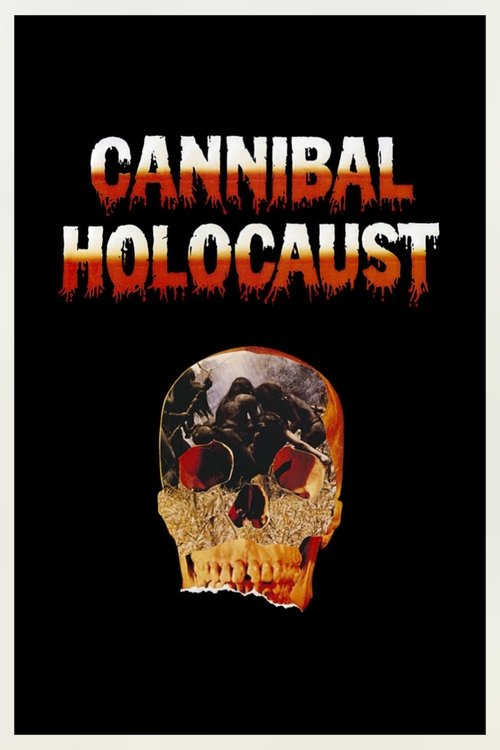
Cannibal Holocaust1980
Ruggero Deodato's controversial film shares Fulci's willingness to disturb and his use of found-footage techniques and meta-narrative to mess with viewer comfort. It's genuinely transgressive cinema, not entertainment.
But It's graphically violent toward animals and humans alike. The transgression is real and may be unforgivable depending on your tolerance.
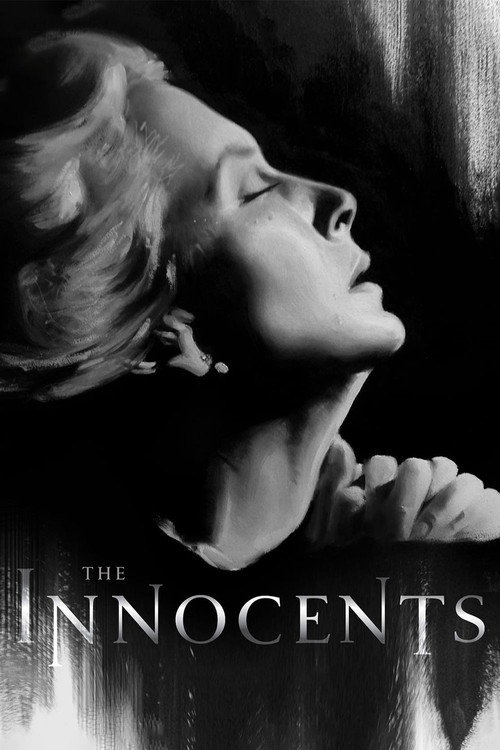
The Innocents1961
Jack Clayton's adaptation of The Turn of the Screw is ambiguous about whether the hauntings are real or psychological. It has Fulci's gift for making domestic spaces feel profoundly wrong without explaining why.
But It's slow-burn, black-and-white, and deliberately enigmatic. Modern viewers accustomed to clarity may find it tedious.
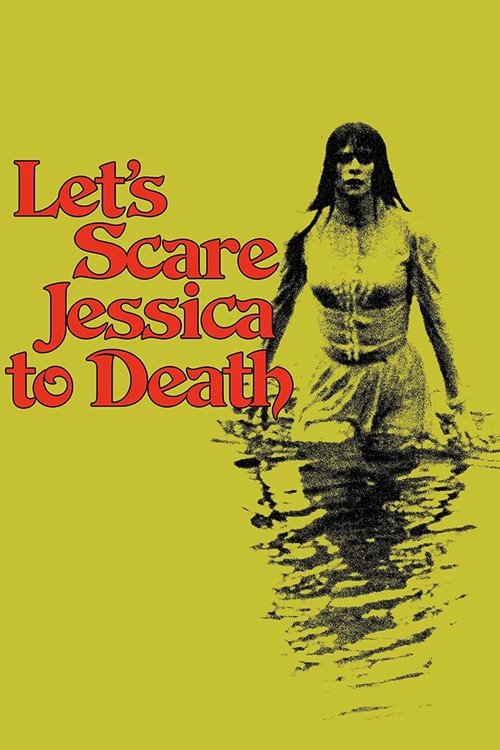
Let's Scare Jessica to Death1971
A woman recovering from a breakdown moves to the country and begins experiencing horror that may be supernatural or psychiatric. Like Fulci, it trusts atmosphere and ambiguity over exposition, and it's genuinely unsettling.
But The pacing is deliberately slack and the ending offers no resolution. It requires patience and tolerance for unease without payoff.
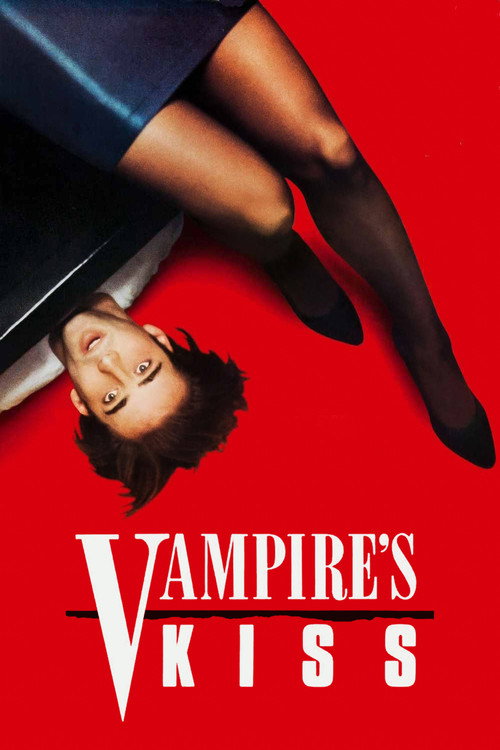
Vampire's Kiss1989
Nicolas Cage gives a fearless performance as a man descending into delusion in his Manhattan apartment. It has the same hallucinatory quality as Fulci's work, but filtered through American excess and psychological breakdown.
But Cage's performance is aggressively unhinged and the film is deeply uncomfortable. It's not fun in any traditional sense.
Possession1981
Andrzej Żuławski's film, released the same year as this one, is abstract psychological horror about a marriage deteriorating into nightmare. It shares Fulci's refusal to clarify or explain, and its emotional disturbance lingers.
But It's deliberately incoherent and the creature effects are deliberately gross. If you need narrative sense, you will be actively angry.

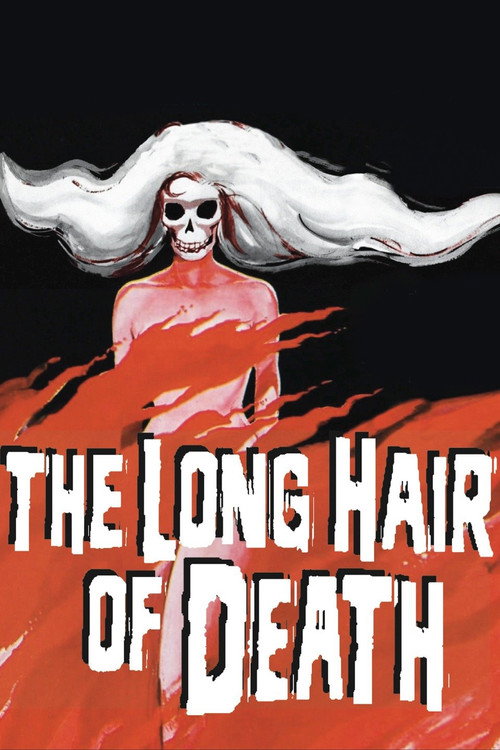
The Long Hair of Death1964
A Hammer horror film with genuine atmosphere and a willingness to let dread build through suggestion. It's more traditional than Fulci, but respects the same principle: fear is psychological before it's spectacular.
But It's bound by Hammer's production values and British sensibility. If you're coming for transgression or strangeness, this is more restrained than you might want.
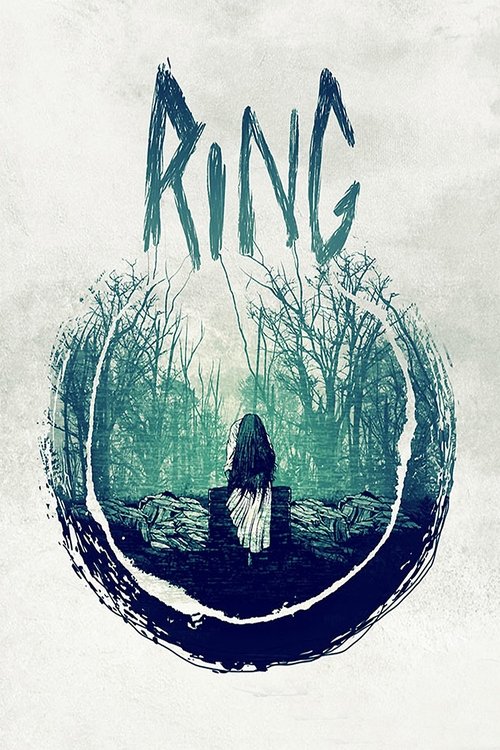
Ring1998
Both films are more interested in creating a mood of existential dread than in explaining their plots. Both use children as conduits to the supernatural and both suggest that some knowledge, once gained, cannot be unknotted.
Hideo Nakata's Japanese horror film has the same dreamlike logic as Fulci's work, where the threat is almost abstract and the rules of reality are deliberately unclear. It's visually hypnotic and emotionally devastating, not just scary.
But The pacing is deliberately slow and the resolution is oblique. It's a meditation on death and legacy, not a traditional thriller, and some will find it pretentious.
People
Cast
 Catriona MacCollLucy Boyle
 Paolo MalcoDr. Norman Boyle
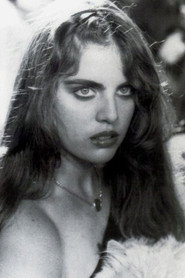 Ania PieroniAnn, the Babysitter
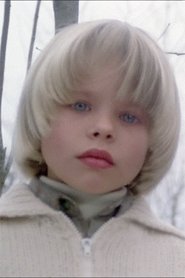 Giovanni FrezzaBob Boyle
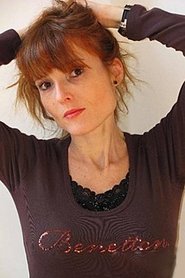 Silvia CollatinaMae Freudstein
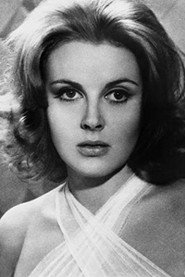 Dagmar LassanderLaura Gittleson
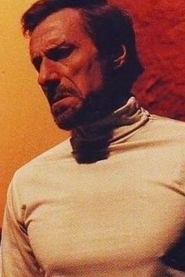 Giovanni De NavaDr. Freudstein
- Gianpaolo SaccarolaDaniel Douglas
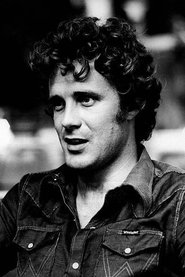 Carlo De MejoMr. Wheatley
- Kenneth A. OlsenHarold
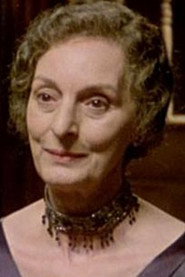 Teresa Rossi PassanteMary Freudstein
- Elmer JohnssonCemetery Caretaker
Directing
- Roberto GiandaliaAssistant Director
- Daniela PucciniContinuity
- Daniela TontiContinuity
- Lucio FulciDirector
Writing
- Dardano SacchettiScreenplay
- Giorgio MariuzzoScreenplay
- Lucio FulciScreenplay
- Elisa BrigantiStory
Production
- Fabrizio De MartinoAssistant Unit Manager
- Fabrizio De AngelisProducer
- Guglielmo SmeraldiProduction Secretary
- Paolo GarganoUnit Manager